Kentucky’s Place on the Woodcock Flight
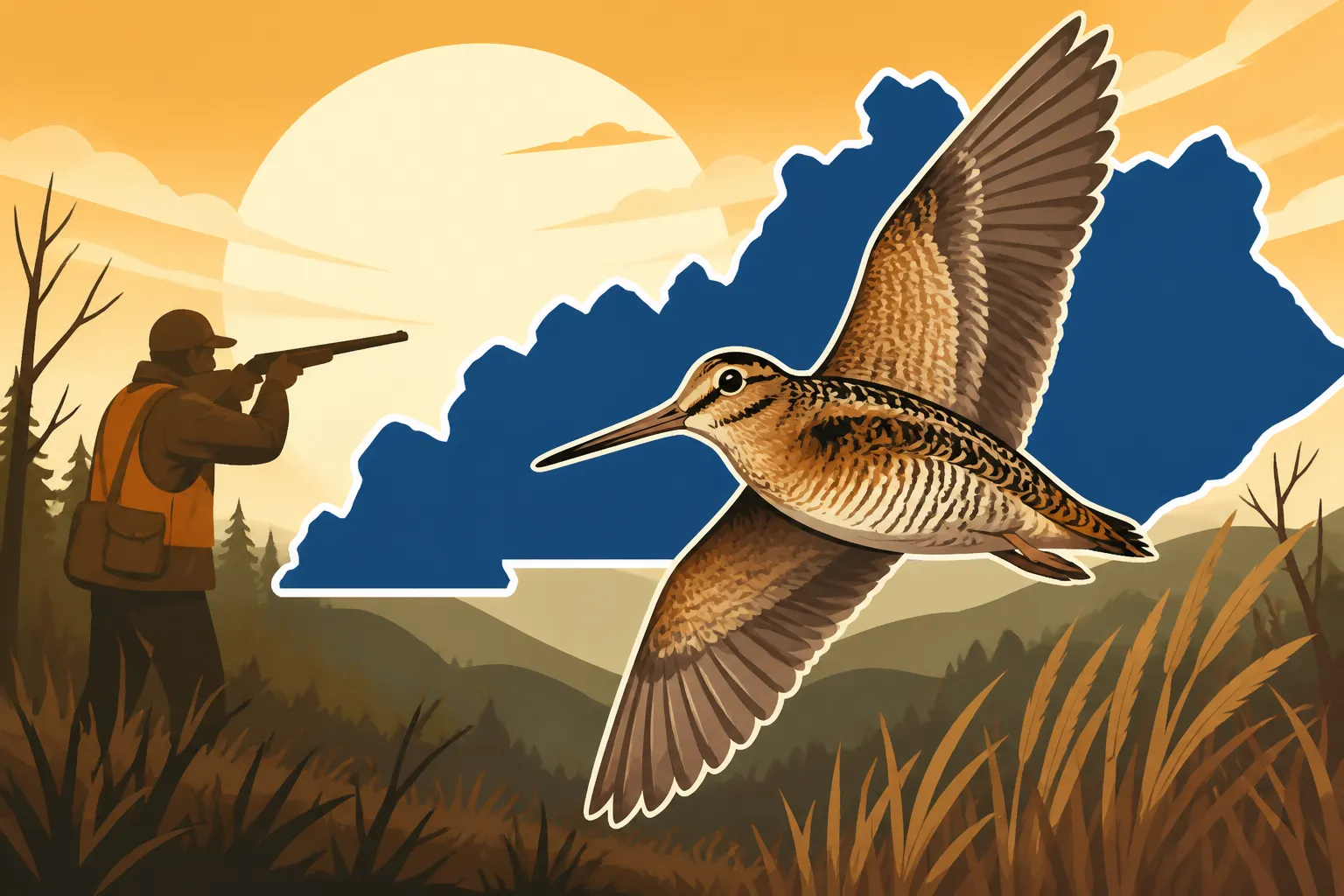
Hunting woodcock in Kentucky can feel like searching for a ghost in the fog, especially if you're new to it or primarily a deer hunter. These little timberdoodles are elusive, their migration patterns unpredictable, and their preferred habitat often a dense, brushy puzzle. This guide aims to demystify Kentucky's unique position on the woodcock flight path, offering insights into their behavior, where to find them, and how to successfully pursue these fascinating migratory game birds in the Bluegrass State.
Understanding the American Woodcock Migration
The American Woodcock, often affectionately called the "timberdoodle," is a true marvel of the bird world. Unlike many game birds, their lives are dictated by the rhythm of migration, traveling vast distances between their northern breeding grounds and southern wintering areas. For hunters, this migratory nature is both a challenge and an opportunity, requiring a keen understanding of weather, habitat, and timing.
The Atlantic and Mississippi Flyways
Woodcock, like many other migratory birds, navigate using established routes known as flyways. While some might think of broad, open skies, for a ground-dwelling bird like the woodcock, these flyways are more about a series of suitable habitat patches that stretch across the continent. Kentucky sits squarely within the Mississippi Flyway, a massive migratory corridor that funnels birds from the upper Midwest and Canada down towards the Gulf Coast. This isn't a straight line, however; it's more like a network of preferred wooded river bottoms, young forest growth, and dense thickets that offer food and cover.
It's a common misconception that all migratory birds follow the exact same path, but woodcock are quite particular. They aren't soaring high above like geese; they're low-level travelers, hopping from one rich feeding ground to the next. This means their flight path is intimately tied to the quality and availability of specific habitats, making Kentucky's diverse landscapes incredibly important to their journey. Our state serves as a crucial stopover, a pantry and resting place for birds making the arduous trip.
Key Migration Triggers and Timing
Woodcock migration is less about a calendar date and more about environmental cues, primarily temperature and food availability. As colder weather pushes south from their breeding grounds in the northern states and Canada, the ground begins to freeze, making it difficult for woodcock to probe for their primary food source: earthworms. This drop in temperature, usually accompanied by an increase in frontal activity, is the primary trigger for them to move.
For Kentucky, this typically means the peak of the fall migration starts in late October and can run well into December. The early birds might show up with the first hard frosts, but the main wave often coincides with sustained cold snaps further north. A sudden cold front pushing through the Ohio Valley can drop a fresh batch of woodcock into Kentucky coverts overnight. Conversely, a prolonged warm spell can delay their arrival or cause them to linger longer than expected, making pinpointing the "best" week a yearly guessing game. Hunters often keep a close eye on weather patterns in states like Michigan, Wisconsin, and Minnesota, knowing that a freeze up there means birds are on the move and likely headed our way.
Woodcock Habitat Needs Along the Journey
Woodcock are creatures of specific habitat. They need soft, moist soil for probing, which means creek bottoms, alder thickets, and damp, regenerating clearcuts are often prime locations. Beyond that, they require dense overhead cover for protection from predators and thermal regulation. Think young, brushy woods, honeysuckle patches, multiflora rose thickets, and even overgrown fencerows. These aren't the majestic, mature oak forests where you might find deer; these are the messy, thick places that most hunters walk past.
During migration, these birds aren't just looking for food; they need safe places to rest and recharge. This means a good woodcock covert often has a mix of dense, brushy areas adjacent to more open, slightly damp woods. These transitional zones are key. In Kentucky, you'll find these conditions in various places, from creek bottoms in the far west to regenerating timber tracts in the east, and even small, forgotten patches of overgrown farmland. Understanding these habitat preferences is the first step to finding these fantastic birds, and often, the most overlooked aspect of woodcock hunting.
Kentucky's Role as a Migratory Corridor
Kentucky holds a special place in the woodcock's annual journey. Our state isn't just a place they fly over; it's a vital pit stop, a refueling station, and sometimes even a wintering ground. This unique position makes Kentucky a fantastic destination for woodcock hunters, but also means understanding the nuances of how birds interact with our landscape.
Central Location on the Mississippi Flyway
As mentioned, Kentucky is smack-dab in the middle of the Mississippi Flyway. Imagine the funnel effect: birds from a huge swath of the northern breeding range eventually converge and pass through our state as they head south. This central location means that even if the flight is spread out, a significant number of woodcock will eventually pass through or temporarily reside in Kentucky. We're not at the extreme northern or southern end of the migration; we're right in the thick of it.
This geographic advantage means that hunters in Kentucky often have a longer window of opportunity to pursue woodcock compared to states further north, where the season might be cut short by deep snow and hard freezes. While woodcock hunting in Kentucky still requires patience and good timing, the sheer volume of birds passing through or wintering here makes it an exciting prospect for upland enthusiasts. It's truly a testament to the diverse and critical habitats our state provides.
Habitat Hotbeds for Staging and Resting
Kentucky's varied topography and land use create a mosaic of ideal woodcock habitat. From the vast bottomlands and river systems of Western Kentucky to the rolling hills and smaller creeks of the Bluegrass region, and the regenerating forests of Eastern Kentucky, there are pockets everywhere. These aren't vast, unbroken tracts of habitat; rather, they're often linear features like creek drains, brushy field edges, and old logging roads that have grown up in dense, young growth.
The key is finding areas with soft, moist soil, which is often found near water sources or in areas with heavy leaf litter that retains moisture. These areas provide the earthworms and other invertebrates that woodcock gorge on to fuel their journey. Think about those damp, neglected corners of a farm field where water might collect, or the thick, overgrown edges of a marsh. These seemingly insignificant patches of cover are gold mines for woodcock. Utilizing tools like GoHunt's satellite imagery can be incredibly helpful for Scouting Kentucky Public Land Before Season or even identifying potential habitat on private tracts, helping you pinpoint those crucial staging and resting areas before you even step foot in the timber.
Weather's Influence on Kentucky's Flight Path
Weather is king when it comes to migratory woodcock. A major cold front pushing south from the Great Lakes region can "push" birds into Kentucky almost overnight. One day, your favorite covert might be empty; the next, it's teeming with timberdoodles. Conversely, a warm spell can hold birds up north or encourage them to linger longer in Kentucky, spreading out the migration.
The timing of these weather events often dictates the quality of hunting from year to year. A quick, hard freeze across their breeding grounds can lead to a concentrated "flight," where a large number of birds arrive in a short window. This is what woodcock hunters dream of! However, a gradual, drawn-out cold spell might mean a slower, more spread-out arrival, making it harder to hit the peak. This constant interplay of weather and bird movement is why woodcock hunting is so dynamic and requires flexibility and a keen eye on the forecast, not just locally, but hundreds of miles north.
Prime Kentucky Woodcock Hunting Opportunities
Finding woodcock in Kentucky is a rewarding challenge that pushes you into some of the state's most unique cover. Unlike deer hunting, where you might glass a field or sit patiently in a treestand, woodcock hunting is a fast-paced, cover-busting pursuit that demands active engagement with the habitat.
Identifying Promising Coverts
When you're looking for woodcock, forget those open, mature timber stands. You need to focus on thick, young, regenerating forests, dense brush, and areas adjacent to water. Think about:
- Creek Bottoms and Riverine Habitats: These areas naturally have moister soils and often grow up in dense thickets of alder, willow, or young hardwoods. Look for areas with a soft, spongy feel underfoot.
- Old Field Edges and Abandoned Farmland: As farmland is left fallow, it often grows into dense briar patches, young cedars, and other brushy cover that woodcock adore. The transition zone between these thickets and mature timber can be a hotspot.
- Regenerating Clear-cuts: Timber harvests create fantastic early successional habitat. After a few years, these areas become incredibly dense, providing both food and cover. Look for clear-cuts that are 5-15 years old.
- Honeysuckle and Multiflora Rose Patches: While a bane to many landowners, these invasive species create incredibly dense cover that woodcock find irresistible. They offer excellent overhead protection.
- Wetlands and Swamps: Not deep water, but the edges of bogs, marshes, and even beaver ponds, especially where there's dense, brushy growth along the perimeter.
Using mapping applications like GoHunt can be invaluable for pinpointing these types of features from above. You can often spot the distinct signature of young, dense growth or the tell-tale green lines of creek bottoms that indicate prime woodcock habitat. Many hunters overlook Hunting Small Woodlots Near Suburban Louisville or other urban fringe areas, but these pockets can surprisingly hold birds, especially if they offer the right mix of cover and moisture.
Best Times to Hunt Woodcock in Kentucky
Kentucky's woodcock season typically opens in October and runs into December. However, hitting the "peak" of the flight is the golden ticket. As mentioned, this is heavily weather-dependent. Generally, the second half of November and the first two weeks of December are prime time, especially after a significant cold front has swept through the northern states.
Here's a breakdown of what to expect:
- Early Season (October – Early November): You might find resident birds, or the very first waves of migrants. These birds tend to be more scattered. Success often comes from finding those perfect, moist coverts that hold birds regardless of a major flight.
- Peak Migration (Mid-November – Early December): This is when the most significant numbers of birds are typically present. Look for a series of strong cold fronts from the north. This is the time to really hit the cover hard, as birds are generally more concentrated.
- Late Season (Mid-December – Season Close): Depending on the severity of winter, some birds may choose to winter in Kentucky, especially in the milder southern and western parts of the state. These birds will be in deep, dense cover, often closer to substantial water sources that keep the ground from freezing solid. Hunting the Late-Season January Lull isn't typically for woodcock, as our season generally closes before January, but understanding how cold weather pushes migratory birds south is key to finding those late-season timberdoodles in December.
The best strategy is to monitor weather reports and check local conditions. If you hear reports of birds hitting in Ohio or Indiana, it's a good bet they'll be in Kentucky shortly after.
Public Land Access for Woodcock Hunters
One of the great things about woodcock hunting in Kentucky is the ample public land opportunities, many of which contain suitable habitat. While some Wildlife Management Areas (WMAs) might be heavily timbered for deer, many also have significant acreage of young growth, creek bottoms, and regenerating clear-cuts.
- Wildlife Management Areas (WMAs): Many of Kentucky's WMAs, particularly those with diverse habitats or recent timber management, will hold woodcock. Look for WMAs with significant river frontage, extensive creek systems, or areas that have undergone recent logging operations. The Kentucky Department of Fish and Wildlife Resources (KDFWR) often provides maps detailing habitat types, which can be invaluable.
- Daniel Boone National Forest: While known for its vast, steep terrain, the Daniel Boone National Forest also contains numerous creek bottoms, regenerating timber stands, and old logging roads that can be excellent for woodcock. Hunters need to be prepared for rugged walking, but the rewards can be significant. Understanding How Many Acres Daniel Boone Forest Covers gives you a sense of the scale and potential.
- Land Between the Lakes (LBL): This huge recreational area between Kentucky Lake and Lake Barkley offers a mix of habitats, including some excellent bottomlands and dense forest edges that can hold woodcock.
- Small, Unassuming Tracts: Don't overlook smaller public hunting areas or even neglected strips of land. Woodcock don't need huge unbroken forests; they need the right type of cover. Sometimes the best spots are those that other hunters overlook because they seem too small or too brushy.
Always check specific WMA rules before hunting, as some may have special regulations or designated areas. Remember, woodcock hunters often seek out the same type of thick, nasty cover that deer hunters avoid, meaning less competition in many areas.
Essential Gear and Tactics for Kentucky Woodcock
Hunting woodcock is a unique experience that calls for specific gear and a different approach than many other forms of hunting. The focus is on maneuverability, quick shots, and working with the natural instincts of these secretive birds.
Shotguns, Loads, and Chokes
When it comes to woodcock, you want a quick-handling shotgun that you can swing fast in tight quarters. The birds' flight is erratic and often through dense branches, so speed and spread are key.
- Shotgun Gauge: A 20-gauge or 28-gauge is often preferred due to their lighter weight and nimble feel, though a 12-gauge with light loads works perfectly well. The goal isn't massive knockdown power, but a pattern that can connect with a small, fast-moving target.
- Barrel Length: Shorter barrels (24-26 inches) are a huge advantage in thick cover, making it easier to navigate briars and dense brush. You're rarely taking long shots, so reaching out isn't the priority. For more on this, consider Barrel Length for Walking Thick Cover.
- Choke: Open chokes are your friend. Cylinder, Skeet, or Improved Cylinder are ideal. You want a wide pattern at close range. Woodcock typically flush close and dart through the timber quickly, so a tight pattern is more likely to result in misses or a "hole" in the pattern that a small bird can fly through.
- Ammunition: Light loads of small shot are perfect. #8 or #9 shot are traditional choices, offering a dense pattern with plenty of pellets to connect with a small bird. For comparison, understanding Shot Size for Squirrel and Rabbit can give you a good reference point for the smaller game. You don't need heavy pheasant loads for these birds. Many hunters opt for very light target loads that are easy on the shoulder and effective on woodcock.
Dogs: Your Best Woodcock Partner
Without a doubt, a good bird dog is the ultimate advantage when hunting woodcock. These birds hold incredibly tight, often flushing at your feet, making it extremely difficult to locate them without a dog's keen nose.
- Pointing Dogs: Breeds like English Setters, Brittanys, German Shorthaired Pointers, and English Pointers excel at woodcock. Their ability to scent a bird and then lock up on point allows the hunter to move into position for a shot. Because woodcock hold so tight, a dog's point can often be right on top of the bird, giving you that precious moment to prepare.
- Flushing Dogs: While pointing dogs are traditional, flushing breeds like English Springers and Cockers can also be effective. They'll push birds out of the cover, alerting you to the flush. The key is to have a dog that works close and reliably.
- Training and Control: In the dense cover woodcock inhabit, a dog that works close and is responsive to commands is paramount. You don't want a wide-ranging dog that will get out of sight and flush birds far ahead of you. E-Collar Use on Public Ground is a common practice for maintaining control and ensuring your dog stays within effective range. A well-trained dog will significantly increase your success rate and make the hunt far more enjoyable. They'll also help you find downed birds in dense cover, which is often harder than the shot itself.
Navigating Dense Cover
Woodcock hunting is not for the faint of heart, or for those who dislike briars. The birds live in the thickest, nastiest cover imaginable, and to hunt them, you have to go right in after them.
- Protective Clothing: You'll be pushing through briars, thorny bushes, and dense saplings. Heavy brush pants or chaps, a durable upland vest, and sturdy boots are non-negotiable. An Upland Vests With Water Capacity can be beneficial, not just for carrying birds and shells, but also for staying hydrated during strenuous walks.
- Slow and Steady: Unlike pheasant hunting where you might make a fast drive, woodcock hunting is best done slowly and deliberately. Work cover methodically, pausing frequently. Woodcock are known for "freezing" when they hear movement, and pausing can sometimes encourage them to flush, or give your dog a chance to pinpoint them.
- Listen for the Flush: The woodcock's flight is distinctive – a whistling sound from their wings as they launch. Learn to recognize it, as it will often be your first clue that a bird is up, even before you see it.
- Shooting Lanes: Always be thinking about where a bird might fly and where your safe shooting lanes are. In thick cover, this can be challenging, and you may only get a fleeting glimpse or a momentary opening. That's part of the thrill.
Conservation and the Future of Woodcock Hunting
The American Woodcock is a fascinating bird, and its continued presence in Kentucky and across its range depends heavily on good habitat management and responsible hunting practices. As a migratory species, conservation efforts span multiple states and require a coordinated approach.
Habitat Management Efforts
The biggest factor influencing woodcock populations is habitat availability. Woodcock rely on early successional forests – young, brushy woodlands that are often a result of disturbances like timber harvesting, prescribed burns, or natural events. Unfortunately, across much of their range, these habitats are declining as forests mature and agricultural practices change.
In Kentucky, organizations like the KDFWR, the Ruffed Grouse Society, and even private landowners are working to create and maintain suitable woodcock habitat. This often involves:
- Timber Harvesting: Strategically designed clear-cuts or select cuts that promote dense regrowth of young trees and brush.
- Prescribed Burns: Controlled fires can set back forest succession, creating new, young growth that benefits woodcock and other early successional species.
- Edge Feathering: Managing the edges between fields and forests to create dense, brushy transitional zones.
- Restoration of Degraded Lands: Converting former agricultural lands or reclaimed mine sites into diverse, brushy habitats.
These efforts not only benefit woodcock but also other game species like ruffed grouse, rabbits, and many non-game birds that rely on similar habitat. Understanding How Old a Cut Should Be for Grouse often directly translates to ideal conditions for woodcock, as their habitat needs are quite similar.
Hunter Contribution to Data
Hunters play a crucial role in woodcock conservation by participating in surveys and reporting their harvests. The federal Migratory Bird Harvest Information Program (HIP) is mandatory for all migratory bird hunters, and the data collected helps wildlife agencies estimate harvest levels and population trends. Every time you register for your HIP endorsement, you're contributing to this vital data.
Beyond mandatory reporting, many states conduct hunter surveys or wing collections, where hunters can voluntarily submit a wing from a harvested bird. These wings provide valuable information on the age and sex ratios of the harvest, which helps biologists assess reproductive success and overall population health. Your participation in these programs, though sometimes feeling like a minor detail, collectively paints a critical picture for wildlife managers.
Challenges and Future Outlook
Despite conservation efforts, woodcock face ongoing challenges. Habitat loss and fragmentation remain significant threats. Climate change, which can alter migration patterns and impact food sources, also presents a long-term concern. Additionally, changes in land use, such as urban sprawl and conversion of forest to other uses, continue to chip away at available habitat.
The future of woodcock hunting in Kentucky, and across the continent, hinges on continued dedication to habitat management, sound scientific research, and hunter participation in conservation programs. By understanding the needs of these unique birds, supporting conservation initiatives, and hunting responsibly, we can help ensure that the whistling flush of the timberdoodle remains a cherished sound in Kentucky's coverts for generations to come. It's a small bird, but one that embodies the wild spirit of the uplands and deserves our careful stewardship.
Woodcock Habitat Comparison Table
To summarize the key habitat features we've discussed, here's a quick reference for what to look for when scouting for American Woodcock in Kentucky:
| Habitat Type | Key Features | Soil Moisture | Cover Density | Examples in Kentucky |
|---|---|---|---|---|
| Young Forest / Clear-cuts | 5-15 year old regenerating timber, dense saplings | Moderate-High | Very High | Recently harvested sections of Daniel Boone National Forest, WMAs |
| Creek Bottoms | Alder, willow, young sycamore, dense understory | High | High | Along any major creek or river system in all regions |
| Old Field Edges | Transition zones, briar patches, honeysuckle, sumac | Moderate | High | Neglected farm fringes, abandoned pastures statewide |
| Wetland Borders | Edges of marshes, beaver ponds, damp depressions | High | Moderate-High | Sloughs WMA, edges of Land Between the Lakes, smaller private ponds |
| Upland Brush Patches | Dense multiflora rose, privet, young cedars, briars | Moderate | Very High | Overgrown fencerows, power line cuts, old logging decks |
Disclaimer
This article is for general informational purposes only and does not constitute professional advice. Laws, prices and regulations vary by location and change over time. Consult a qualified professional for guidance on your specific situation.