How Close a Kentucky Mentor Must Stay
It’s a scenario many of us have faced: you’ve got a eager young hunter, or perhaps an adult new to the sport, ready to learn the ropes. You’re excited to share your passion, but then the rules start swirling in your head, especially that sticky one about "direct supervision" for apprentice hunters. How close is "close enough" in the Kentucky woods? It’s not just a legal question; it’s about safety, effective teaching, and making sure that first hunting experience is a positive, educational one. This guide will dive deep into what Kentucky's regulations mean for mentors and apprentices, offering practical advice to keep everyone safe and compliant in the field.
Understanding Kentucky's Apprentice Hunter License: A Critical Foundation
Bringing someone new into the hunting tradition is one of the most rewarding experiences a seasoned hunter can have. Kentucky wisely created the Apprentice Hunter Education Exemption License, recognizing that hands-on experience under a watchful eye is invaluable. This license allows new hunters, regardless of age, to participate in the field without first completing a full hunter education course, provided they hunt with a licensed mentor. It’s a fantastic pathway, but it comes with responsibilities, especially for the mentor.
Who Qualifies for an Apprentice License?
Essentially, anyone who has not yet completed a hunter education course can purchase an Apprentice Hunter Education Exemption License. This program isn't just for kids; it’s for adults who are new to hunting and want to experience it firsthand before committing to a full course. For many, it's the perfect way to test the waters, to see if the early mornings, the quiet patience, and the rigors of the field are truly for them. It's a low-barrier entry point designed to foster new hunters, but it hinges entirely on the quality and diligence of the mentor. Whether it's a teenager learning to hunt deer or an adult trying Spring Turkey Hunting in Kentucky for the first time, the apprentice license provides that crucial initial opportunity.
The Role of the Mentor in Kentucky's Apprentice Program
As a mentor, you’re not just a guide; you’re an educator, a safety officer, and a role model. The Kentucky Department of Fish and Wildlife Resources (KDFWR) is clear: mentors must be at least 18 years old and hold valid hunting licenses and permits themselves. They also must have completed an approved hunter education course (or be exempt from the course by virtue of having been born before January 1, 1975). Your primary responsibility is to ensure the apprentice's safety, compliance with all hunting laws, and to teach them ethical hunting practices. This isn’t a passive role. You’re actively engaged in supervising, instructing, and making split-second decisions for the safety of your apprentice and others. The success of the Kentucky Apprentice Hunter License Rules truly rests on the mentor's shoulders.
The "Close Proximity" Rule: What It Really Means on the Ground
This is where the rubber meets the road. Kentucky law states that an apprentice hunter must be "under the direct supervision of a licensed adult hunter who is at least 18 years of age and has met Kentucky hunter education requirements." But what does "direct supervision" actually entail when you're out in the woods? It's not a hard-and-fast distance like "within 10 feet," which can feel frustratingly vague, but it's intentionally flexible to allow for different hunting scenarios while emphasizing the spirit of safety and instruction.
Defining "Direct Supervision" in Practice
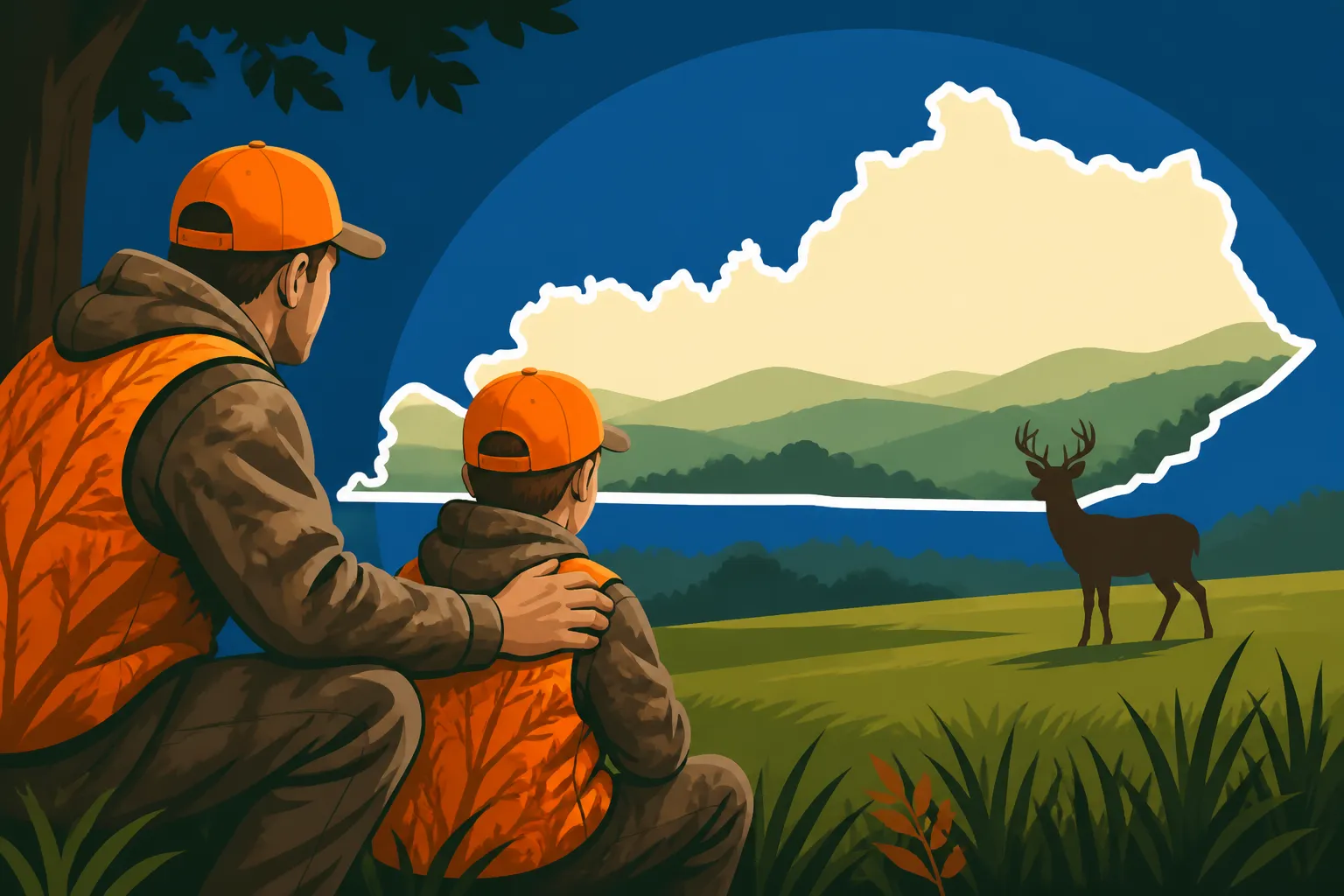
While the KDFWR doesn't offer a precise number of yards, the prevailing interpretation of "direct supervision" means the mentor must be close enough to:
- Communicate effectively: You should be able to speak to your apprentice, give instructions, or call out warnings without yelling across a canyon. This means being within comfortable earshot.
- Maintain visual contact: In most hunting situations, you should be able to see your apprentice. If they disappear behind a thicket or over a ridge, you've likely exceeded the bounds of "direct supervision."
- Take immediate control: This is paramount. If an unsafe situation arises—a questionable target, an accidental discharge, a fall from a stand, or an animal that needs to be tracked and dispatched humanely—you must be able to intervene instantly. This often means being within arm's reach or a very quick few steps, especially during the act of aiming and shooting.
Consider a situation where you're Hanging a Stand on an Eastern Kentucky Ridge. If your apprentice is in a separate stand 100 yards away, even if you can see them, are you truly in a position to take immediate control if they make a dangerous shot decision? Probably not. The intent is to prevent situations where an inexperienced hunter is left alone with a loaded firearm or bow, making critical decisions without immediate guidance.
Real-World Scenarios and Challenges
Let's imagine a few common hunting scenarios and how the "close proximity" rule might apply:
- Treestand Hunting: If an apprentice is in a treestand, the mentor should ideally be in the same stand, or in an adjacent stand close enough to whisper instructions and physically assist if needed. Having a new hunter alone in a stand, especially when learning proper Treestand Setups in Daniel Boone National Forest, is generally not considered direct supervision. They need constant reminders about safety harnesses and situational awareness.
- Still-Hunting or Stalking: When you're Still-Hunting Eastern Kentucky Ridges, you and your apprentice should move together, side-by-side or with the mentor directly behind, guiding every step, every scan of the woods. If the apprentice gets 20 yards ahead and out of sight around a bend, you've lost direct supervision.
- Ground Blinds: Sharing a ground blind is an excellent way to maintain direct supervision. You can easily communicate, point out game, and guide their shot. If you're both in separate blinds, they need to be close enough for you to step out and immediately be by their side if a deer appears. A mentor using a ground blind with an apprentice is often ideal, particularly when learning to effectively utilize Using a Ground Blind on Kentucky Public Land.
- Tracking Wounded Game: This is a crucial area. If you're tracking a deer and your apprentice wants to follow, they must remain right with you. You're teaching them how to blood trail, how to approach a wounded animal, and how to make a follow-up shot. Letting them wander off on their own to search for a track is unsafe and negates the concept of mentorship. In cold weather, especially when learning Blood Trailing After Dark in Kentucky, close proximity is essential for both safety and effective instruction.
The challenges often arise from varied terrain, thick cover, and the natural desire for the apprentice to feel independent. However, their independence comes after they've absorbed enough knowledge and experience under your direct, constant guidance.
Safety First: Why Proximity Matters Beyond the Legalities
Beyond just adhering to the letter of the law, the spirit of the "close proximity" rule is rooted in safety. Hunting is inherently safe when done correctly, but it has serious risks when proper protocols are ignored, especially by the inexperienced. Your presence isn't just about compliance; it's about preventing accidents and fostering a deep respect for firearms, wildlife, and the hunting tradition.
Immediate Intervention and Problem Solving
Imagine a scenario: your apprentice spots a deer. Their heart races, adrenaline surges, and in the excitement, they might forget a safety check, misidentify a target, or make a poor shot placement decision. If you're not immediately beside them, you can't correct that mistake before it becomes a dangerous or unethical situation.
- Unsafe Shot Angles: You can quickly whisper to wait for a better angle, preventing a risky shot at an unsafe backdrop or a poorly placed shot on the animal.
- Target Identification: A new hunter might mistake a fawn for a doe, or even another hunter for game in thick brush. Your immediate presence allows you to confirm the target. This is particularly vital when hunting species like black bears, where misidentification of a sow with cubs could lead to dangerous encounters.
- Accidental Discharges: While rare, accidents happen. If you are close, you can immediately take control of the firearm or bow, preventing injury.
- Lost Game: A mentor's experience is critical for Tracking a Deer Through Kentucky Leaf Litter and making the ethical decision to track or call off a search. An apprentice might give up too early or track incorrectly, leading to lost game.
Being close means you're not just observing; you're actively coaching, anticipating potential issues, and ready to take action. It's about proactive safety, not reactive regret.
Instilling Ethical Hunting Practices
Hunting is much more than just pulling a trigger. It’s about respect for wildlife, understanding nature, and adhering to a strict code of ethics. Mentors are the primary conduit for passing on these values. When you are right there with your apprentice, you can:
- Teach patience: The quiet waiting, the observation, the understanding of animal behavior.
- Emphasize shot placement: Discussing anatomy, shot angles, and the importance of a quick, humane kill.
- Demonstrate proper field dressing and meat care: From Field Dressing a Deer in Cold Weather to handling venison responsibly, these are lessons best learned hands-on, with direct instruction.
- Explain regulations: Why certain limits exist, why a particular season runs, or why Kentucky's Chronic Wasting Disease Surveillance Zone has specific rules.
- Model respectful behavior: Toward the land, other hunters, and the animals you pursue. If you are always checking your phone or talking loudly, that's what your apprentice will learn. If you move slowly, quietly, and observe, they will pick up on that.
This direct interaction is vital. It’s where stories are shared, lessons are absorbed, and the true hunting heritage is passed down, not just through words, but through actions seen up close.
Practical Tips for Mentors and Apprentices in the Field
Knowing the rule is one thing, but making it work effectively in the real world requires some thought and planning. It’s about setting expectations, communicating clearly, and designing your hunt around the unique needs of an apprentice.
Communication is Key
Before you even step into the woods, establish clear communication protocols with your apprentice.
- Verbal Cues: Agree on quiet phrases or single words you can use to give instructions or warnings. "Stop," "Wait," "Look left," "Good," or "No" can be powerful when whispered. Practice these.
- Hand Signals: In situations where talking might spook game, develop simple hand signals. A raised fist to stop, a finger pointing to indicate direction, or a thumbs up for "all clear."
- Regular Check-ins: If you're moving through dense cover and brief separation is unavoidable, agree on a simple system to confirm you're still within proximity, perhaps a soft bird call or a quick glance back to make eye contact.
- Pre-Shot Discussion: Before you even leave the truck, discuss what happens when game appears. "When a deer comes in, I'll identify it. Then I'll give you the okay to raise your weapon. Wait for my whispered instruction on when to shoot." This removes guesswork and reduces the apprentice's anxiety.
- Using Technology Thoughtfully: While not a substitute for direct presence, a discreet two-way radio on a very low volume could be an emergency backup for communication if, for instance, one person momentarily slips out of sight due to terrain, but is still within immediate vicinity. However, it should never replace the physical proximity required for direct control of the hunting act itself.
Planning Your Hunt for Effective Supervision
The type of hunting you do with an apprentice might need to be modified from your usual routine. Your goal isn't just to harvest an animal; it's to teach and ensure safety.
- Location Selection: Choose hunting locations that naturally facilitate close proximity and clear lines of sight. Open timber, field edges, or areas with well-defined trails are often better than extremely dense, tangled brush where you can lose sight of each other instantly. For example, Hunting Western Kentucky Bottomland Deer often provides more open sight lines than the rugged mountains.
- Terrain Considerations: Steep, broken terrain in places like Daniel Boone National Forest Hunting can make maintaining close proximity challenging. Plan your movements carefully, opting for easier routes or slower paces.
- Group Size: For an apprentice, one-on-one mentorship is always best. Avoid large deer drives or crowded public land on opening day, where focus can be scattered and chaos can reign. A quiet, controlled environment allows for better teaching and less distraction. If you're Deer Drives With Three or Four Hunters, ensure the apprentice is always paired directly with a dedicated mentor who stays with them.
- Pre-Scouting: Before the hunt, use resources like the Kentucky Hunt Fish App or even detailed mapping tools like GoHunt to scout areas that lend themselves to easy supervision. Identify potential pinch points, open areas, and escape routes. GoHunt allows you to mark specific points, measure distances, and understand terrain, which can be invaluable for planning your proximity strategy. This ensures you pick a spot where you can safely move together and maintain constant visual and auditory contact.
- Equipment: Ensure both you and your apprentice have appropriate gear. This includes proper Kentucky Blaze Orange Requirements to be easily seen by each other and other hunters, comfortable boots for walking together, and a first-aid kit.
When you take on the role of a mentor, you’re not just guiding a hunt; you’re shaping a future hunter. Your close presence is the most powerful tool you have to instill safety, ethics, and a lifelong love for the outdoors.
Here's a quick reference for maintaining mentor proximity:
| Aspect | Legal Requirement (Kentucky) | Best Practice (for safety & education) | Practical Application |
|---|---|---|---|
| Proximity | "Direct supervision" – in the immediate vicinity and in direct control. | Within arm's reach or a few quick steps during critical moments (e.g., aiming/shooting). Close enough for whispered communication and constant visual contact at all times. | In the same treestand or blind. Side-by-side during still-hunting. Never out of sight and earshot, especially when a firearm or bow is actively being used or an animal is being approached. Use GoHunt to visualize terrain and plan routes that maintain visibility. |
| Communication | Implicit for direct supervision. | Clear verbal commands, pre-arranged hand signals, and quiet discussions. | Discuss shot placement, target identification, and safety rules continuously. Review plans before entering the field. |
| Intervention | Ability to "take immediate control." | Ability to physically intervene to prevent unsafe acts or assist with game handling. | Be ready to physically guide the weapon, call off a shot, or provide assistance (e.g., retrieving dropped gear, stabilizing a fall). |
| Education | Mentor must be licensed and hunter education certified (or exempt). | Constant teaching of ethics, regulations, animal behavior, and field craft. | Explain why you're doing something, not just what. Point out tracks, rubs, and habitat features. Emphasize responsible shot selection and Kentucky Deer Harvest Reporting Rules. |
| Environment Choice | No specific requirement, but implied for safe supervision. | Select hunting spots that allow for easy visibility and close proximity. | Avoid extremely dense cover, heavily pressured public land (like during Opening Weekend Crowds on Kentucky Public Land), or overly rugged terrain for initial hunts. Opt for open woods or field edges. |
Ultimately, being a mentor is an incredible privilege. It’s about more than just getting an animal; it’s about passing on a legacy. By staying close, communicating effectively, and prioritizing safety and education, you’ll not only adhere to Kentucky’s regulations but also create a responsible, confident hunter for generations to come.
Disclaimer
The information provided in this guide is for general informational purposes only and does not constitute legal advice. Hunting regulations in Kentucky can change, and it is the responsibility of every hunter to consult the latest official Kentucky Department of Fish and Wildlife Resources (KDFWR) regulations prior to engaging in any hunting activities. Always ensure you are in full compliance with all state and federal laws.