How Kentucky Deer Zones Set Antlerless Bag Limits
Kentucky's deer hunting regulations can sometimes feel like trying to solve a puzzle with a missing piece, especially when it comes to understanding antlerless bag limits. It’s easy to get lost in the nuances of different zones and season types, leaving many hunters scratching their heads about how many does they can actually harvest. This guide is here to untangle that complexity, offering a clear, comprehensive look at how Kentucky’s deer zones directly influence your antlerless harvest opportunities.
The Purpose Behind Kentucky's Deer Zone System
For many years, deer hunting rules were fairly uniform across the state. You had your season dates, a general bag limit, and that was about it. But as Kentucky's deer herd grew and spread, so did the challenges and opportunities. The Kentucky Department of Fish and Wildlife Resources (KDFWR) realized that a one-size-fits-all approach just wasn't cutting it anymore. Our state is incredibly diverse, from the rugged mountains of the east to the rolling farmlands of the west, and each region supports deer populations differently.
Why We Even Have Deer Zones
The primary reason for implementing deer zones is pretty straightforward: effective population management. When deer numbers get too high in a particular area, it can lead to a whole host of problems. We see increased agricultural damage, more deer-vehicle collisions, and even negative impacts on the deer herd itself, like reduced body weight and antler quality due to overbrowsing and competition for food. On the flip side, some areas have lower deer densities, and the goal there is to help the population grow and thrive.
KDFWR's biologists and wildlife managers use a ton of data – harvest numbers, herd health assessments, landowner feedback, and even deer-vehicle collision reports – to pinpoint where deer populations are thriving, struggling, or becoming a nuisance. These zones are essentially tools in their toolkit, allowing them to fine-tune hunting regulations to achieve specific biological and social objectives in different parts of the state. It's all about striking a balance: providing ample hunting opportunities for us, maintaining healthy habitats for deer and other wildlife, and mitigating conflicts with human activities. It’s a complex dance, and the zones are the choreography.
From Statewide Rules to Tailored Management
Think back to the days when Kentucky first started rebuilding its deer herd. The focus was simple: let them grow! As that mission succeeded beyond most people's wildest dreams, the complexity naturally increased. We went from needing to protect every doe to needing to manage populations actively in areas where they were flourishing, sometimes too much. This evolution necessitated a more granular approach than just a blanket statewide regulation.
Kentucky's landscape plays a huge role in this. The dense, regenerating forests of the Eastern Kentucky mountains offer different challenges and opportunities for deer management than the expansive agricultural fields and smaller woodlots of the Bluegrass Region or the river bottoms of Western Kentucky. Each of these distinct ecological regions supports deer at different capacities and faces unique pressures. Tailored management, via these deer zones, allows KDFWR to be much more responsive to these local conditions, ensuring that regulations make sense on a county-by-county, or even smaller, basis, rather than imposing rules that might be detrimental in one area while being ineffective in another. It's a testament to a proactive approach to wildlife stewardship, ensuring the long-term health of our beloved whitetails.
Decoding Kentucky's Deer Management Zones
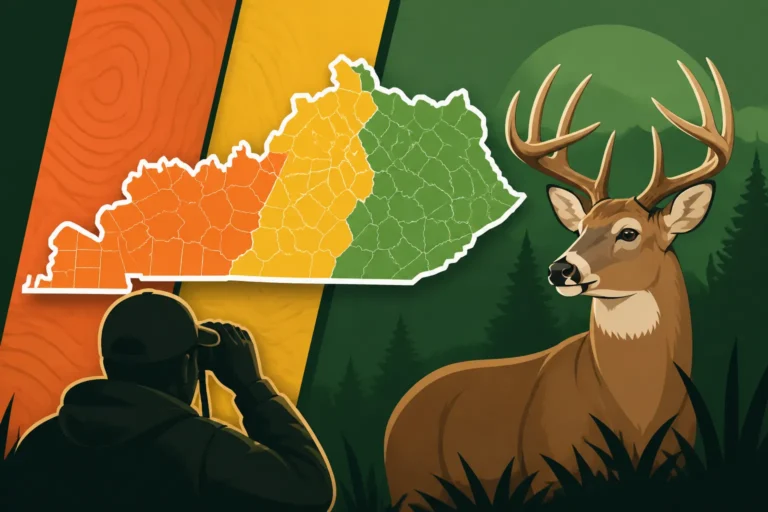
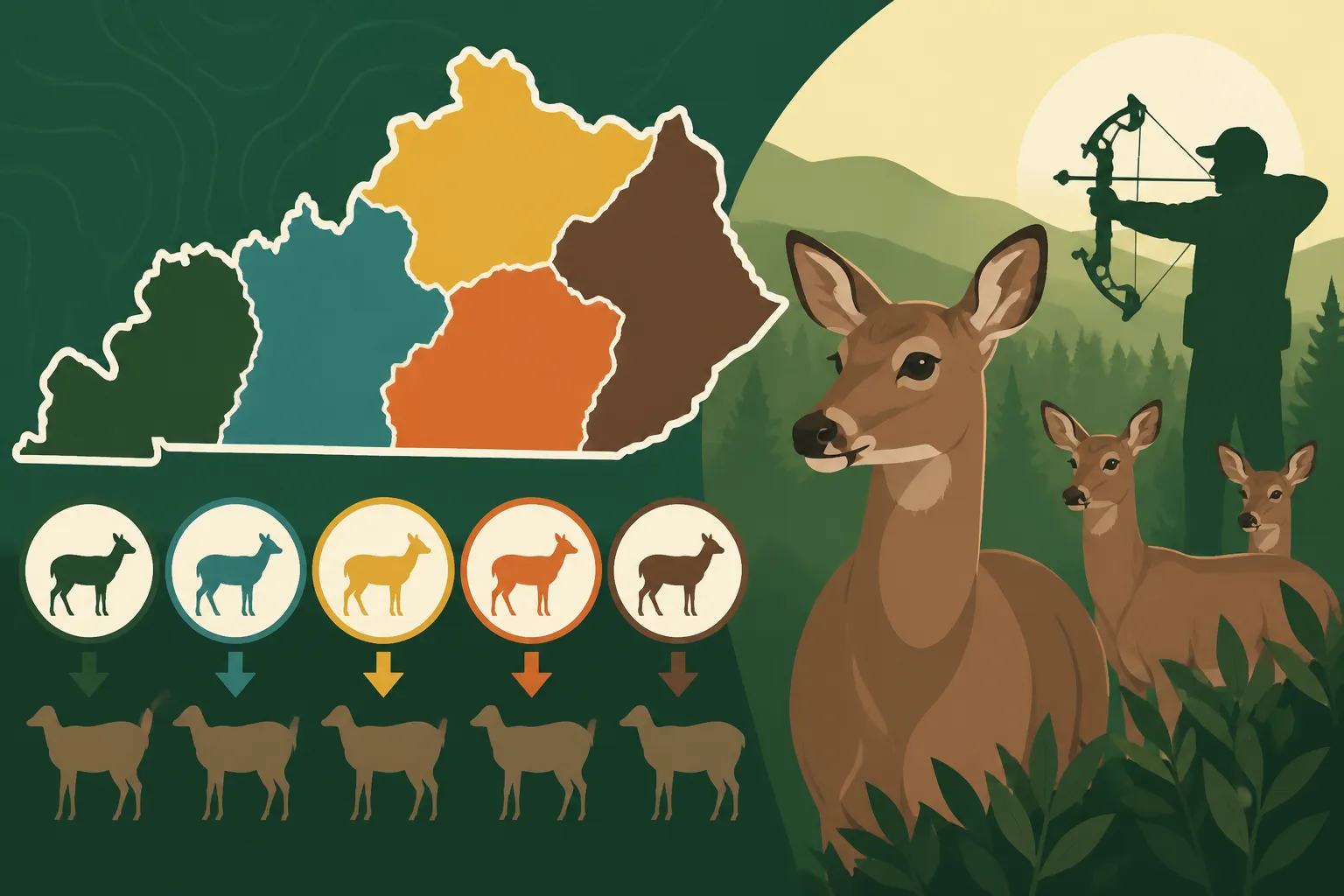
Kentucky categorizes its counties into four distinct deer management zones, creatively named Zone 1, 2, 3, and 4. Each zone represents a different strategy for managing deer populations, primarily by adjusting the antlerless bag limits. Understanding which zone your chosen hunting spot falls into is absolutely critical, as it directly impacts how many does you can legally harvest. This isn't just bureaucratic red tape; it's the core of how KDFWR manages the herd.
The Four Zones: 1, 2, 3, and 4
Let's break down what each zone generally signifies for a hunter:
- Zone 1: These are your high-deer-density areas. Think prime agricultural country or regions with exceptional habitat where deer populations are robust, often abundant, and sometimes even exceeding desired ecological or social carrying capacities. The goal in Zone 1 is generally to encourage antlerless harvest to reduce overall numbers, alleviate agricultural damage, and maintain herd health. Hunters here typically have the most liberal antlerless opportunities.
- Zone 2: This zone represents a moderate deer density. The herd is healthy, usually well-distributed, and management aims to maintain stability rather than significantly increase or decrease the population. Antlerless limits in Zone 2 are more conservative than Zone 1 but still offer good opportunities for hunters to fill their freezers. It’s about balance.
- Zone 3: Counties in Zone 3 typically have lower deer densities. These might be areas where habitat isn't as productive, where populations are still recovering, or where the management goal is to allow for further population growth. Antlerless harvest in Zone 3 is generally quite restricted, emphasizing the protection of does to help the population expand.
- Zone 4: This zone is a bit of a special case. It's often reserved for areas with unique management challenges, such as urban or suburban environments where deer numbers need to be controlled through specialized hunts or methods, or specific properties where localized issues (like Chronic Wasting Disease surveillance) might dictate very specific, often more conservative, regulations. The rules in Zone 4 can vary greatly depending on the specific location within it.
How Counties Are Assigned to Zones
So, how does KDFWR decide which county goes where? It's not a random draw, that's for sure. A complex evaluation process considers several key factors:
- Deer Population Density: This is perhaps the most obvious factor. Biologists use various methods to estimate deer numbers, including aerial surveys, harvest data, and even spotlight counts. If a county consistently shows high densities, it's a strong candidate for Zone 1.
- Agricultural Damage Reports: Farmers are on the front lines, and if they're reporting significant crop damage from deer, that’s a clear indicator that antlerless harvest needs to be encouraged in that area. This data carries significant weight, especially in the productive farmlands of Western and Central Kentucky.
- Deer-Vehicle Collisions: The number of reported deer-vehicle accidents provides another metric for assessing deer population levels relative to human infrastructure. High collision rates often point to high deer densities in suburban or busy rural areas.
- Habitat Quality and Carrying Capacity: KDFWR also assesses the overall health and carrying capacity of the habitat within a county. An area with abundant food and cover can support more deer, while poorer habitat might necessitate more conservative management.
- Hunter Harvest Data: The annual Telecheck system is invaluable here. It provides real-time data on how many deer are being harvested, where, and by what method. Trends in harvest numbers help biologists identify if populations are increasing, decreasing, or stable, allowing them to adjust zones accordingly.
- Public and Landowner Input: While data-driven, KDFWR also considers feedback from hunters, landowners, and the general public. Local insights often provide crucial context that quantitative data alone might miss.
It’s important to remember that these zones aren't static. They can change from year to year based on the latest scientific assessments and management goals. That's why every savvy hunter knows that checking the current regulations every single season is non-negotiable. You can find up-to-date information on which deer zone your county sits in directly from KDFWR.
Antlerless Bag Limits by Kentucky Deer Zone
Understanding the general principles behind the zones is one thing, but knowing the precise bag limits for antlerless deer during different seasons is where the rubber meets the road. This table provides a snapshot of the typical antlerless bag limits you'll encounter in Kentucky's deer zones. Keep in mind these are general guidelines, and specific regulations, especially in Zone 4, can vary, so always double-check the current KDFWR hunting guide.
| Deer Zone | Archery/Crossbow Season (Antlerless) | Modern Gun Season (Antlerless) | Muzzleloader Season (Antlerless) | General Management Goal |
|---|---|---|---|---|
| Zone 1 | Unlimited (or very liberal) | Unlimited (or very liberal) | Unlimited (or very liberal) | Population Reduction |
| Zone 2 | 4 Antlerless | 2 Antlerless | 2 Antlerless | Population Stabilization |
| Zone 3 | 2 Antlerless | 1 Antlerless | 1 Antlerless | Population Growth |
| Zone 4 | Varies by specific area/hunt | Varies by specific area/hunt | Varies by specific area/hunt | Localized Control |
Note: These limits are illustrative and can change annually. Always consult the most current Kentucky Hunting & Trapping Guide.
Understanding Antlerless Bag Limits Within Each Zone
Now let’s dive deeper into what these numbers actually mean for your time afield in Kentucky. Each zone's bag limit isn't just a number; it's a reflection of the KDFWR's strategy for managing deer in that specific region. Understanding the 'why' behind the 'what' can help you plan your hunts more effectively and contribute to sound wildlife management.
Zone 1: Maximum Opportunity and Management
If you're hunting in a Zone 1 county, you're in an area where deer populations are plentiful, and sometimes, really plentiful. These counties are often characterized by extensive agriculture, prime habitat, and a history of robust deer numbers. Think of the rich farmlands of Western Kentucky or parts of the Bluegrass region where deer thrive on abundant food sources. In these areas, the antlerless bag limits are typically the most liberal, often allowing for an unlimited take of does with the appropriate permits during archery, crossbow, and modern gun seasons, and usually the same during muzzleloader seasons.
The intent behind these generous limits is clear: to encourage hunters to harvest more antlerless deer. This helps to bring the overall deer population down to a level that is healthier for the deer themselves and more tolerable for landowners, especially farmers experiencing crop damage. It's also an excellent opportunity for meat hunters to fill their freezers. When you hear about programs aimed at reducing deer-vehicle collisions or protecting agricultural yields, Zone 1 is where a significant part of that effort is focused. If you're looking for a place where you can truly contribute to herd management while bringing home plenty of venison, a Zone 1 county is often a fantastic choice.
Zone 2: Balanced Harvest for Sustainable Populations
Zone 2 counties represent the middle ground in Kentucky's deer management strategy. Here, deer populations are considered healthy and stable, but not necessarily overabundant. These are often areas with a good mix of agriculture and timber, where deer have suitable habitat but perhaps not the explosive reproductive rates or population densities seen in Zone 1. The goal in Zone 2 is to maintain this healthy balance. We don't want the population to grow unchecked, but we also don't want to over-harvest and reduce future hunting opportunities.
The antlerless bag limits in Zone 2 reflect this balanced approach. Typically, hunters might be allowed to harvest around four antlerless deer during the archery/crossbow season and perhaps two during the modern gun and muzzleloader seasons. This allows hunters to still take multiple does, contributing to population stability, but with more conservative limits than Zone 1. It ensures that enough does remain to sustain the population while still providing plenty of opportunities for hunters to enjoy their sport and manage local herds effectively. If you're looking for consistent hunting year after year, and appreciate regulations designed for long-term sustainability, Zone 2 counties often fit the bill perfectly.
Zone 3: Conservative Approach to Growth
When you're hunting in a Zone 3 county, you're in an area where the KDFWR is taking a more conservative approach to deer management. These counties usually have lower deer densities compared to Zones 1 and 2. This could be due to a variety of factors, such as less productive habitat, more rugged terrain (like in parts of the Daniel Boone National Forest), or populations that are still recovering or expanding. The primary goal in Zone 3 is to allow the deer population to grow.
To achieve this, antlerless harvest is significantly restricted. Hunters might only be allowed to harvest two antlerless deer during the entire archery/crossbow season, and typically only one antlerless deer during the modern gun or muzzleloader seasons. The emphasis here is on protecting does, which are the reproductive engine of the herd. By limiting the harvest of females, KDFWR aims to increase fawn production and recruitment, gradually building up the overall deer population. If your hunting philosophy leans towards supporting herd growth and you're not solely focused on maximizing your venison take, hunting in a Zone 3 county aligns perfectly with these conservation efforts. It's about thinking long-term for the benefit of the herd.
Zone 4: Special Considerations and Nuisance Control
Zone 4 is Kentucky's most unique and flexible deer management designation. Unlike the other zones that apply broadly to entire counties, Zone 4 is often very localized, sometimes even applying to specific properties or defined geographic areas within a county. These areas present particular challenges or require highly specialized management strategies that don't fit neatly into the general Zone 1, 2, or 3 categories.
A common application of Zone 4 is in urban or suburban areas, like those near Louisville or Lexington, where deer populations can become overabundant and create significant conflicts with human residents, despite not having typical hunting opportunities. In these cases, Zone 4 might include special urban archery zones with highly liberal antlerless limits, extended seasons, or even specialized permits for nuisance deer removal. The regulations in Zone 4 can be highly variable and are designed to address specific, often hyper-local, issues such as disease management (like within a Chronic Wasting Disease Surveillance Zone), research objectives, or targeted population control programs. For hunters interested in Zone 4 opportunities, it's absolutely crucial to dive deep into the specific regulations for that particular area, as they can differ significantly from one Zone 4 designation to another. It's truly a tailored approach to deer management.
Navigating the Seasonal Nuances for Antlerless Deer
Beyond the geographical zones, the type of weapon you choose and the specific season you hunt also play a significant role in determining your antlerless bag limits. Kentucky’s regulations are designed to distribute hunting pressure and manage harvest throughout the year, using different seasons as tools to achieve overall management goals. This multi-layered approach helps ensure a healthy deer herd while maximizing hunter opportunity.
Archery and Crossbow Season Flexibility
For many Kentucky hunters, the archery and crossbow season is a favorite, not just for its challenge, but also for its sheer length and often more liberal antlerless opportunities. Starting in early September and often running into January, this season provides an extended window to pursue whitetails. You can read more about Kentucky Archery Season Opening Day and how long the season runs. During this expansive period, antlerless limits tend to be more generous across all zones compared to firearms seasons. For instance, in Zone 1, you might have an unlimited antlerless bag limit, and even in Zone 3, you'll generally have more opportunities to take does with archery equipment than with a rifle.
This flexibility serves several purposes. Archery hunting typically involves less overall harvest pressure compared to modern gun seasons. It's also a more selective method, often requiring closer encounters, which naturally limits the number of deer taken by an individual hunter. The KDFWR leverages this by allowing a longer and more open antlerless season for bowhunters. This helps manage the population over a prolonged period and provides ample opportunity for those dedicated to vertical bows or Crossbow Versus Vertical Bow in Kentucky, allowing you to fill your freezer with venison without the concentrated pressure of firearm seasons.
Modern Gun and Muzzleloader Season Specifics
When the modern gun and muzzleloader seasons roll around, typically in November and December, things tend to get a bit more restrictive, especially regarding antlerless deer. The modern gun season, in particular, is often the most popular and generates the highest deer harvest pressure. You'll want to check out Kentucky Modern Gun Season Opening Day as it's a huge event across the state. Because of the efficiency and range of firearms, KDFWR often tightens the antlerless limits during these periods to prevent over-harvest, particularly in Zone 2 and Zone 3 counties. For example, a Zone 2 county that allows four antlerless deer during archery season might only permit two during modern gun season. Similarly, Zone 3 counties often restrict firearm hunters to just one antlerless deer.
The same general principle applies to muzzleloader season. Whether you're participating in the When Kentucky's Early Muzzleloader Weekend Falls or the late season, these primitive weapons still offer a significant advantage in range and power compared to archery gear. Therefore, KDFWR often aligns the antlerless limits for muzzleloaders with those of modern gun season, again, to carefully manage the harvest. This ensures that while hunters still have opportunities, the overall impact on the reproductive female segment of the herd is controlled, especially during these periods of heightened hunting activity.
Youth Firearms Season and Special Opportunities
Kentucky recognizes the importance of introducing the next generation to hunting, and the youth firearms season is a fantastic way to do just that. This special weekend, often held in October, provides young hunters aged 15 and under with an exclusive opportunity to hunt deer. The antlerless bag limits during the Kentucky Youth Firearms Weekend Dates are often quite generous, sometimes allowing for multiple antlerless deer to be taken, even in zones where adult limits are more restrictive. This makes it an ideal time for new hunters to gain experience and for families to put venison in the freezer.
Beyond the dedicated youth weekend, KDFWR sometimes implements other special antlerless opportunities. These might include bonus antlerless tags, especially for Zone 1 counties during periods of very high deer density, or specific managed hunts on certain public lands or state parks. For any hunter looking to maximize their antlerless harvest, keeping an eye on these unique opportunities and understanding Hunting the Kentucky Youth Firearms Season can be incredibly beneficial. They provide additional avenues to contribute to herd management while enjoying time in the woods.
Essential Resources for Staying Informed
Navigating Kentucky's deer hunting regulations effectively requires access to accurate and up-to-date information. Regulations, especially deer zone boundaries and bag limits, aren't always static and can change from year to year based on KDFWR's biological assessments and management goals. Relying on outdated information or hearsay is a recipe for frustration, or worse, a wildlife violation.
The Kentucky Department of Fish and Wildlife Resources (KDFWR)
Without a doubt, your single most important resource for Kentucky hunting regulations is the Kentucky Department of Fish and Wildlife Resources (KDFWR) itself. Their official website is a treasure trove of information, hosting the most current hunting and trapping guide, zone maps, and season dates. This is where you'll find the definitive answers to questions about bag limits, legal equipment, and reporting requirements. Every hunter should have this site bookmarked and make it a habit to check it before heading afield each season.
Beyond the website, the KDFWR also offers invaluable tools like the Kentucky Hunt Fish App. This mobile application is a game-changer, providing digital access to regulations, a GPS-enabled map showing public lands and even property boundaries, and the ability to Scouting With the Kentucky Hunt Fish App and Telecheck your harvest directly from your phone. It's an indispensable tool for staying legal and informed while out in the field, even if you’re deep in the woods without cell service for a bit.
Utilizing Mapping Tools and Private Land Intel
While the KDFWR provides the official word, integrating that information with modern mapping technology can elevate your hunting game significantly. Platforms like GoHunt, for example, are fantastic for layering KDFWR data with detailed topographical maps, satellite imagery, and even property ownership information. This allows you to not only see Finding Which Deer Zone Your County Sits In but also visualize how those zone boundaries interact with the terrain, public land access, and potential private land opportunities.
Using a tool like GoHunt or other similar mapping applications that provide onX Layers for Kentucky Land Status can help you understand exactly where you are in relation to zone lines, ensuring you don't inadvertently cross into an area with different regulations. This is especially critical in counties that might have a mix of zones or special hunt areas. Combining official KDFWR maps with the spatial analysis capabilities of these platforms empowers you to plan your hunt with precision, identifying potential hot spots and understanding the specific rules that apply to every acre you intend to hunt. It's about being as informed as possible before you ever set foot in the timber.
Staying Current with Regulation Changes
One of the biggest pitfalls for hunters is assuming that last year's regulations are the same as this year's. This is a dangerous assumption! Kentucky's deer management zones and associated bag limits are dynamic; they can, and often do, change annually. These changes are a result of KDFWR's ongoing assessment of deer populations, habitat conditions, disease prevalence, and public feedback. A county that was Zone 2 last year might shift to Zone 1 or 3 this year, directly altering your antlerless harvest opportunities. You can always refer to the Kentucky Deer Season Structure Explained for a broader overview of how rules might evolve.
Therefore, the golden rule of hunting responsibly is to always, without exception, consult the most current Kentucky Hunting & Trapping Guide before each hunting season begins. Don't rely on memory, old printouts, or casual conversations. Download the latest guide, pay close attention to the zone map for your intended hunting counties, and familiarize yourself with any changes to antlerless limits for all seasons and weapon types. This proactive approach not only keeps you legal but also ensures you're aligning your hunting efforts with the most current and effective deer management strategies in the Commonwealth.
The Impact of Deer Management Zones on Your Hunt
Kentucky's deer management zones are much more than just lines on a map; they are foundational to how you plan and execute your deer hunts, especially when it comes to managing your antlerless harvest. Understanding these zones isn't just about avoiding a citation; it's about making informed decisions that benefit both your hunting success and the long-term health of Kentucky's deer herd.
Planning Your Antlerless Harvest Strategy
Knowing the specific antlerless bag limits for the zone you're hunting in is the first step in formulating your harvest strategy. If you're hunting in a Zone 1 county, for example, with its liberal or unlimited antlerless opportunities, you might plan to take several does early in the season to fill your freezer, knowing that these harvests contribute significantly to managing a robust population. This allows you to focus on an antlered buck later in the season without feeling pressured to take a doe. On the other hand, if you're in a Zone 3 county, where antlerless limits are much more restrictive, your strategy might shift dramatically. You might save your single antlerless tag for a specific opportunity or prioritize taking a buck.
For landowners, understanding these zones is even more critical for effective property management. A private landowner in a Zone 1 county might implement food plots or other habitat improvements specifically designed to increase doe harvest, while a landowner in Zone 3 might focus on protecting does to encourage population growth. These zones help shape everything from stand placement to herd management goals on your own land, ensuring your efforts align with broader regional objectives.
Hunter Responsibility and Ethical Considerations
Ultimately, understanding Kentucky's deer management zones and their corresponding antlerless bag limits boils down to hunter responsibility. It's our duty as ethical hunters to know and abide by these regulations. Failing to do so can lead to legal penalties, but more importantly, it undermines the very conservation efforts that make our hunting opportunities possible. Each deer harvested, especially an antlerless deer, contributes to the overall management scheme. By following the rules, we play an active role in maintaining healthy, balanced deer populations across Kentucky.
When you successfully harvest a deer, remember the crucial step of reporting it through Reporting a Deer Through Kentucky Telecheck. This mandatory reporting provides KDFWR with the vital data they need to continue making sound management decisions, including whether to adjust zone boundaries or bag limits in future seasons. Every piece of data collected from Kentucky Deer Harvest Reporting Rules helps paint a clearer picture of the state of the herd. By diligently adhering to all regulations, we ensure that Kentucky remains a premier destination for deer hunting for generations to come, upholding the proud tradition of conservation and ethical sportsmanship.
Disclaimer
The information provided in this guide is intended for general informational purposes only and is not a substitute for the official regulations set forth by the Kentucky Department of Fish and Wildlife Resources (KDFWR). Hunting regulations, including deer zone boundaries, bag limits, and season dates, can change annually. It is the responsibility of every hunter to consult the most current KDFWR Hunting and Trapping Guide and any applicable local or special area regulations before engaging in any hunting activities. Failure to do so may result in violations and penalties.