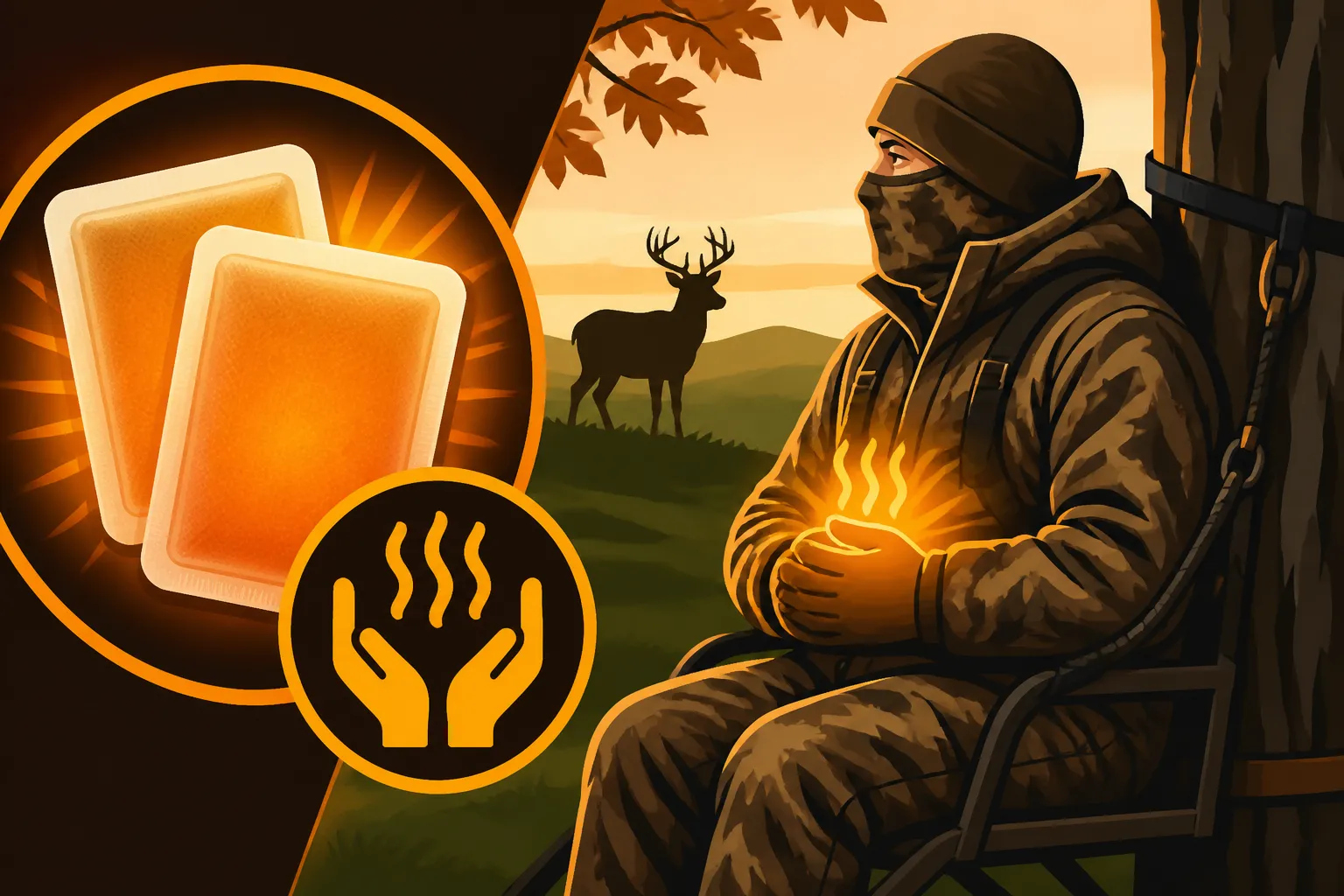
Hand Warmers That Last a Full Sit
There's nothing quite like settling into your stand before dawn, the crisp Kentucky air biting at your exposed skin. But as the hours tick by and the mercury refuses to budge, those cold, stiff fingers can quickly turn an otherwise perfect sit into an agonizing test of endurance, making it impossible to hold your bow steady or operate your rifle's safety. This guide dives deep into how to choose and use hand warmers that truly go the distance, ensuring your hands stay warm and ready for action throughout your entire hunt.
The Frustration of Cold Hands on a Long Kentucky Sit
Let's be honest, we've all been there. You're bundled up, the thermos is full, and you feel ready for anything the Kentucky woods can throw at you. But then, an hour or two into your sit, that familiar, creeping cold starts in your fingertips. It begins as a mild discomfort, a little tingle, but before you know it, your fingers are stiff, numb, and aching. It’s a huge pain point for hunters, especially when you're committed to staying on stand from before first light until well into the afternoon.
Why Fingers Freeze First and What It Costs You
Our bodies are smart, in a way. When the core temperature starts to drop, your body prioritizes sending warm blood to your vital organs – your heart, lungs, and brain. This means less blood flow to your extremities, like your fingers and toes, which are then left to fend for themselves against the biting cold. Couple that with the fact that fingers have a large surface area for their mass and are often exposed when handling gear, and it's no wonder they're usually the first to go numb.
This isn't just about discomfort, though. Cold hands actively hinder your hunting performance. Trying to quietly pull an arrow from your quiver with numb fingers feels like trying to thread a needle with mittens on. Operating a rifle safety, adjusting a scope, or even just gripping your bow or gun securely becomes a clumsy, frustrating ordeal. You lose dexterity, fine motor control, and even the ability to feel what you're doing. What good is sitting for hours if, when that perfect buck finally steps out, your hands are too stiff to make the shot count? You need to be ready at a moment's notice, and frozen digits are a major impediment. It can make or break a hunt, leaving you wondering if you should have just stayed home.
The Impact of Prolonged Cold Exposure
Beyond the immediate loss of dexterity, prolonged exposure to cold can lead to more serious issues. Frostnip, the mildest form of frostbite, can happen quicker than you think, especially on those calm, damp, cold mornings in a Kentucky hollow. Your skin can look pale or red, feel prickly or numb. While generally reversible, it's a clear signal that your body is struggling to stay warm. And let's not forget the psychological toll. When you're constantly fighting the cold, your focus shifts from scanning the woods for movement to simply enduring the misery. Your patience wanes, and you're more likely to pack up early, missing out on prime hunting opportunities. Think about those late-season hunts in December or Hunting the Late-Season January Lull – conditions can be brutal, and proper warmth management isn't just a luxury, it's a necessity.
Understanding Your Hand Warmer Options
When it comes to keeping those digits toasty for hours on end, you've got a few main types of hand warmers to choose from, each with its own advantages and drawbacks. Understanding how they work and what kind of warmth they provide is key to making the right choice for your style of hunting.
Disposable Chemical Warmers
These are probably the most common hand warmers you'll see. They're typically small, flat pouches filled with a mixture of iron powder, salt, activated charcoal, vermiculite, and water. When you open the package, oxygen in the air reacts with the iron powder, causing a slow oxidation process that releases heat. This is an exothermic reaction, and it's what makes them warm up. Most brands, like the ubiquitous HotHands, claim to last anywhere from 8 to 18 hours, depending on the size and specific formulation.
Pros:
- Cost-Effective: Often sold in bulk, making them very affordable for single-use.
- Lightweight and Portable: Easy to stash in pockets, gloves, or even within your boots.
- Instant Warmth: Once exposed to air, they usually start warming up within minutes.
- Reliable: Simple technology means fewer points of failure.
Cons:
- Single Use: Generates waste, which isn't ideal for environmentally conscious hunters.
- Variable Heat: The heat output can fluctuate, and they sometimes feel less warm towards the end of their advertised life.
- Air Dependent: If you cut off their oxygen supply (e.g., in an airtight pocket), they'll stop producing heat.
- Disposal: You have to pack out every single used warmer, adding to your load.
For a long sit, especially on public land like Treestand Setups in Daniel Boone National Forest where you're carrying everything in and out, their light weight is a real bonus. Just be mindful of packing out every last wrapper.
Rechargeable Electric Warmers
These modern marvels are gaining popularity, and for good reason. They contain a rechargeable lithium-ion battery and an internal heating element. You charge them up before your hunt, and then at the flick of a switch, they start emitting heat. Many offer multiple heat settings, allowing you to fine-tune the warmth to your needs, which is a huge advantage.
Pros:
- Reusable: No waste, just recharge and go. Better for your wallet over time and the environment.
- Adjustable Heat Settings: Most models offer low, medium, and high, giving you control.
- Instant On/Off: You can turn them off when you're moving or if you get too warm, conserving battery life.
- Doubles as a Power Bank: Many also feature a USB port, allowing you to charge your phone or other small electronics, which is invaluable for navigation apps like Scouting With the Kentucky Hunt Fish App or simply staying connected.
Cons:
- Initial Cost: Significantly more expensive upfront than disposable warmers.
- Battery Life: While many advertise 6-12 hours, extreme cold can drain batteries faster. You might not get a "full sit" on the highest setting.
- Weight: Heavier and bulkier than chemical warmers due to the battery.
- Reliability in Extreme Cold: Batteries can perform less efficiently in very low temperatures, though higher quality brands mitigate this.
When considering a major purchase like this, you might do some research using tools like GoHunt to compare models and read reviews specific to hunting conditions. They often have gear guides that can help inform your decision.
Liquid Fuel Warmers
These are the old-school workhorses, often fueled by lighter fluid (like Zippo fuel). They use a catalytic combustion process where the fuel vapor passes over a platinum-coated burner, creating flameless heat. The heat is consistent and often much hotter than chemical warmers.
Pros:
- High and Consistent Heat: These warmers get hot and stay that way, providing deep, penetrating warmth.
- Long-Lasting: Many can run for 12-24 hours on a single fill, making them ideal for truly extended sits.
- Reusable: Just refill with fuel.
- Compact (for their heat output): Though they require fuel, the unit itself is usually quite slim.
Cons:
- Flammable Fuel: Requires carrying lighter fluid, which is a fire hazard if not handled properly.
- Open Flame for Ignition: You need a small flame (lighter or match) to start the catalytic burner, which can be tricky in windy or wet conditions, or if you're trying to be discreet.
- Scent: The fuel can emit a subtle odor, which some hunters worry about spooking game, though many argue it's minimal once it's burning.
- No Off Switch: Once lit, they burn until the fuel runs out or you cut off the oxygen by putting them in a special bag.
For those brutal, truly cold Kentucky mornings, when you're Cold-Weather Sitting Strategy in Kentucky, a fuel warmer might be your best bet for keeping core warmth. However, be mindful of the scent if you’re concerned about a sensitive buck.
Here’s a quick comparison of these types:
| Hand Warmer Type | Pros | Cons | Typical Duration | Heat Output | Best Use Case |
|---|---|---|---|---|---|
| Disposable Chemical | Cheap, lightweight, reliable | Single-use, variable heat, waste | 8-18 hours | Moderate | Quick hunts, emergency backup, general warmth |
| Rechargeable Electric | Reusable, adjustable heat, power bank | High initial cost, battery drain in extreme cold | 6-12 hours (variable) | Moderate-High | Regular use, customizable warmth, tech-friendly |
| Liquid Fuel | Very hot, long-lasting, reusable | Flammable fuel, subtle scent, no off switch | 12-24 hours | Very High | Extreme cold, extended sits, maximum warmth |
Maximizing Hand Warmer Performance in the Field
Having the right hand warmer is only half the battle. Knowing how to use it effectively can dramatically increase its lifespan and the amount of warmth you actually feel. It’s not just about tossing it in your pocket; it’s about creating a microclimate of warmth.
Strategic Placement and Insulation
Where you put your hand warmer makes a huge difference. Simply throwing it into an oversized pocket with minimal insulation won't do much. You need to create an environment where the heat can be trapped and directed to your hands.
- Dedicated Hand Muff: This is hands down the most effective way to use hand warmers, especially in a tree stand. A good quality, insulated hand muff (often worn around your waist) is designed to create a warm pocket for your hands. Place one or two hand warmers inside the muff, and they will heat the entire space, keeping your hands toasty and ready. This is particularly crucial for archers who need quick, silent access to their bowstring.
- Inner Pockets: If you don't use a muff, tuck warmers into the inner pockets of your jacket or vest, particularly those with good insulation. The goal is to keep the heat close to your body and prevent it from escaping.
- Gloves/Mittens with Pockets: Many modern hunting gloves or mittens come with small zippered pockets on the back of the hand. These are specifically designed for hand warmers. Placing them here ensures the heat is directly over your knuckles, warming the blood flow to your fingers. Mittens are generally warmer than gloves because they allow your fingers to share warmth, and a hand warmer inside a mitten is incredibly effective. This is especially true on cold damp days when Wool for Wet Snow and Quiet Movement might be your primary outer layer.
- Layering: Think of your hand warmers as just one part of your overall Layering for a Kentucky Deer Stand strategy. The more effectively your hands are insulated around the warmer, the less heat will escape, and the longer the warmer will feel effective.
Proper Activation and Storage for Extended Life
Even disposable warmers can be coaxed into lasting longer or providing more consistent heat with a little care.
- Pre-Activation: For chemical warmers, open the package and let them activate for about 10-15 minutes before you head out into the bitter cold. This gives them a chance to reach their optimal temperature without having to fight the extreme chill of the environment first. You can even store them in an inside jacket pocket during this phase to jumpstart the process.
- Limited Air Exposure (Chemical): While chemical warmers need oxygen to activate, too much exposure to circulating cold air will cause them to cool faster. Once they're warm, put them into a more confined space like a glove, muff, or a smaller pocket. If you need them to last even longer or want to "pause" them, you can place a chemical warmer in an airtight plastic bag. This cuts off the oxygen supply, slowing the reaction. When you need warmth again, just take it out. This trick can extend their usability across multiple short sits or a very long one.
- Rechargeable Battery Management: For electric warmers, always start with a full charge. In extremely cold conditions, consider bringing a small, portable power bank to recharge your hand warmer during a midday lull, especially if you're on a multi-day trip. Running them on a lower heat setting for longer periods is often more effective than blasting them on high and running out of juice too soon.
- Fuel Warmer Prep: For fuel warmers, ensure you have enough fuel for your intended duration. A full fill often lasts 12-24 hours. Light them in a sheltered spot, making sure the catalytic burner is glowing before placing the cap back on. Once lit, treat them with respect; they get very hot!
Combining Methods for Ultimate Warmth
Why limit yourself to just one type of hand warmer when you can leverage the strengths of several?
- Disposable Backup for Rechargeables: Carry a couple of disposable chemical warmers as a backup for your rechargeable electric warmer. If your battery dies unexpectedly in the brutal cold, you'll have a reliable fallback.
- Fuel Warmer as Primary, Disposable as Spot Warmers: Use a liquid fuel warmer in your hand muff for consistent, powerful core hand warmth. Then, place smaller disposable toe warmers (which are often slimmer) in the back of your gloves or boots for targeted warmth. This ensures both overall hand comfort and critical warmth for your fingertips.
- Body Core Warmth First: Remember, if your core body temperature drops, your extremities will suffer no matter how many hand warmers you have. Focus on effective Layering for a Kentucky Deer Stand to keep your entire body warm, and your hands will follow suit. A hot thermos of coffee or broth can also work wonders in warming you from the inside out.
Choosing the Right Hand Warmers for Kentucky's Diverse Conditions
Kentucky's hunting seasons span a wide range of temperatures and conditions, from early archery hunts that can feel more like summer to late-season rifle hunts where bitter winds whip across the ridge tops. Matching your hand warmer choice to these conditions is essential for comfort and success.
Considerations for Early Season vs. Late Season
Early Archery Season (Late September – Early November):
Kentucky's early archery season can still be surprisingly warm, even though those pre-dawn walks might feel brisk. You might encounter temperatures ranging from the 40s to the 70s in a single day.
- Disposable Chemical Warmers: Are often sufficient for these milder conditions. Their lightweight nature means less bulk to carry, and you might only need them for the first couple of hours of daylight or during a shaded sit. If you're Hunting a Ridge-Top Saddle for Rutting Bucks where you're moving more, you might not even need them constantly.
- Rechargeable Electric Warmers: Excellent here because you can turn them on and off as needed. If the sun comes up and warms things significantly, you can kill the heat, conserving battery. Then, as evening approaches and the chill returns, you can switch them back on. This flexibility is invaluable.
- Liquid Fuel Warmers: Probably overkill for most early season hunts, unless you are particularly sensitive to cold or anticipate a sharp cold front. The high heat might even be too much.
Late Season (Late November – January):
This is when Kentucky truly gets cold. Think biting winds, freezing rain, and even snow. Those Hunting the Late-Season January Lull days demand maximum warmth.
- Liquid Fuel Warmers: Shine in these conditions. Their consistent, high heat output is exactly what you need to combat deep cold. Place one in a good hand muff, and you'll be amazed at the difference it makes. Just be cautious of the subtle scent profile for wary deer.
- Rechargeable Electric Warmers: Still a strong contender, but you might need to run them on a higher setting, which means shorter battery life. Consider carrying a portable power bank for a mid-day charge or layering multiple warmers. Many hunters find the higher quality units from brands like Zippo or Ocoopa perform well even in these colder temps.
- Disposable Chemical Warmers: You'll want the larger, longer-lasting varieties, and you might need to use two at a time in your muff or pockets for adequate warmth. Be prepared to pack a good supply.
Weight, Bulk, and Noise for Different Hunting Styles
Your hunting method in Kentucky also influences your hand warmer choice.
- Still-Hunting and Spot-and-Stalk: If you're actively moving, like Still-Hunting Eastern Kentucky Ridges, you might generate enough body heat to negate the need for constant hand warmers. However, when you stop to glass, or sit for an extended period, the cold can quickly set in. Here, lightweight disposable warmers are ideal for quick deployment and minimal bulk. Rechargeable warmers are also good if you need to turn them off and on frequently.
- Treestand Hunting: This is where hand warmers are absolutely critical. You're stationary for hours, often exposed to the elements. Bulk isn't as much of an issue if the warmers are in a muff. Liquid fuel and high-capacity rechargeable warmers excel here. You want something that will truly last the entire sit without worry.
- Ground Blind Hunting: Similar to treestand hunting in terms of being stationary, but you have the added advantage of some shelter from the wind. This can help extend the life of any hand warmer. A ground blind is also a great place for a fuel warmer, as the scent is more contained, and ignition is easier out of the wind. Using a Ground Blind on Kentucky Public Land means you often have a little more room for gear.
Comparing Brands and Features
While many brands produce hand warmers, quality and performance can vary. When browsing for hand warmers, especially rechargeable ones, checking out reputable outdoor gear review sites can be a big help. For example, GoHunt often features comparisons and user experiences that speak to durability and actual run-time in real hunting scenarios, not just ideal lab conditions. They might highlight features like battery capacity, multiple heat settings, rugged construction, and additional functions like acting as a power bank.
Look for features that align with your needs:
- Battery Capacity (mAh) for Rechargeables: Higher numbers generally mean longer run times.
- Construction: Durable, water-resistant materials are crucial for hunting in the elements.
- Heat Settings: More options give you better control over warmth and battery life.
- Safety Features: Overheat protection for electric warmers; secure caps for fuel warmers.
Ultimately, the best hand warmer is the one that keeps your hands warm when you need them most, allowing you to stay focused and effective, even through the longest, coldest sits in the Kentucky woods. Don't let cold hands cut your hunt short. Invest in your comfort, and you'll invest in your success.
Disclaimer
This article is for general informational purposes only and does not constitute professional advice. Laws, prices and regulations vary by location and change over time. Consult a qualified professional for guidance on your specific situation.