Orange Requirements for Archery Hunters
It can be incredibly frustrating to keep up with all the regulations when you're just trying to enjoy a peaceful archery hunt in Kentucky. Many bowhunters grapple with the question of when, if ever, they need to don that bright blaze orange, especially when the seasons start to overlap. This comprehensive guide is here to untangle the confusion surrounding blaze orange requirements specifically for archery hunters in Kentucky, ensuring you stay safe and legal in the woods.
Understanding Kentucky's General Blaze Orange Requirements
Before we dive into the specifics for archery season, it’s helpful to understand the foundational blaze orange laws in Kentucky. The Kentucky Department of Fish and Wildlife Resources (KDFWR) has these regulations in place primarily for safety. Hunting can be a dangerous pursuit, and wearing highly visible clothing drastically reduces the risk of accidental shootings, especially when multiple hunters are in the same area. This isn't about being seen by deer—it's about being seen by other hunters.
Generally speaking, during certain firearm deer seasons, all hunters, regardless of what species they are pursuing, are required to wear solid blaze orange or blaze pink. This applies to both public and private land. The regulation usually mandates that an outer garment, visible from all sides, covers the head, chest, and back. Think of it as a safety blanket for the woods; it’s there to protect you and everyone else sharing the habitat. These rules are in place because when firearms are involved, the potential for a tragic mistake increases, and bright colors are a simple, yet highly effective, preventative measure. Ignoring these rules isn't just a legal risk; it's a serious safety hazard.
Blaze Orange Rules During Archery Season
Now, let's get down to the nitty-gritty for us archers. The Kentucky archery season is a long and wonderful stretch, often kicking off in early September when the leaves are still green and temperatures are warm. For the initial part of this season, typically from its opening day in September well into October, archery hunters are generally NOT required to wear blaze orange or blaze pink. This is because, during this early period, the only legal method of take for deer is archery equipment (vertical bows and crossbows), and the risk of a firearm-related incident is significantly lower.
However, the situation changes drastically when other hunting seasons, particularly firearm seasons, begin to overlap with archery season. This overlap is where the confusion often sets in, and it's absolutely critical to pay close attention to the dates. Once the Kentucky Modern Gun Season Dates, Kentucky Youth Firearms Season Rules, or either of the muzzleloader seasons begin, the blaze orange requirement usually kicks in for all hunters in the field, including those pursuing deer with a bow or crossbow. This means that if you're out bowhunting in November, when the modern gun season is active, you must wear blaze orange or blaze pink, even if you’re only carrying a bow. It’s not about your weapon; it’s about the presence of other hunters using firearms. Always double-check the KDFWR hunting guide each year for the specific dates, as they can shift slightly.
Overlapping Firearm Seasons and Archery Hunts
The most common scenario where archery hunters forget their blaze orange is during the overlap with Kentucky's firearm seasons. Imagine you've been bowhunting since September, patiently waiting for the rut to kick in, and suddenly it's early November. You've got your prime treestand spot picked out, maybe you've been Rattling and Grunting in Kentucky successfully, and you head out before dawn. But if it's the opening weekend of modern gun season, you absolutely must have that blaze orange on. This isn't just a suggestion; it's a legal requirement.
The same applies to the early and late muzzleloader seasons, as well as any special youth firearm weekends. During these periods, you could encounter hunters using rifles, shotguns, or muzzleloaders, and visibility becomes paramount. It's often during these colder, later parts of the season that hunters are more bundled up, and the woods are more open after leaf-fall, making a distinct visual signal like blaze orange even more crucial. Some hunters use a mapping tool like GoHunt to keep track of season dates for different zones and public land boundaries, which can be immensely helpful to avoid surprises.
Specific Exemptions and Scenarios
While the general rule is "when guns are out, orange is on," there are a few nuances and exemptions worth discussing that can impact an archery hunter's decision.
For instance, during the very specific Kentucky Pioneer Weapons Only WMAs or other special managed hunts that explicitly exclude firearms, the blaze orange rule might not apply even during firearm seasons. However, these are rare and highly specific, and you would need to confirm the rules for that particular WMA or hunt meticulously. Never assume an exemption; always verify.
Another point of confusion can arise on private land. Some hunters mistakenly believe that blaze orange is only a requirement on public land. This is incorrect. Kentucky's blaze orange requirements apply statewide, regardless of whether you're hunting your back forty or a vast tract of Daniel Boone National Forest. The safety principle remains the same. The only difference on private land might be reduced hunting pressure, but the potential for accidental discharge from another hunter or even a nearby property remains. Using a robust mapping app, such as GoHunt, can help you confirm regulations that are tied to specific geographical areas.
Consider this table for a quick overview, but always consult the current KDFWR regulations for exact dates and details.
| Season Phase (Archery Hunter) | Other Concurrent Seasons | Blaze Orange/Pink Required? | Rationale |
|---|---|---|---|
| Early Archery (Sep – Mid Oct) | No Firearm Seasons | No | Low risk of firearm accidents as only archery is permitted. |
| Archery (Late Oct – Early Nov) | Youth Firearms Weekend | Yes | Presence of youth firearm hunters increases visibility need. |
| Archery (Early – Mid Nov) | Modern Gun Season | Yes | High density of firearm hunters; critical for safety. |
| Archery (Mid – Late Dec) | Late Muzzleloader Season | Yes | Muzzleloader hunters present; heightened safety measures needed. |
| Archery (Late Dec – Mid Jan) | No Firearm Seasons | No | Archery-only again; firearm seasons have concluded. |
Practical Tips for Archery Hunters and Blaze Orange
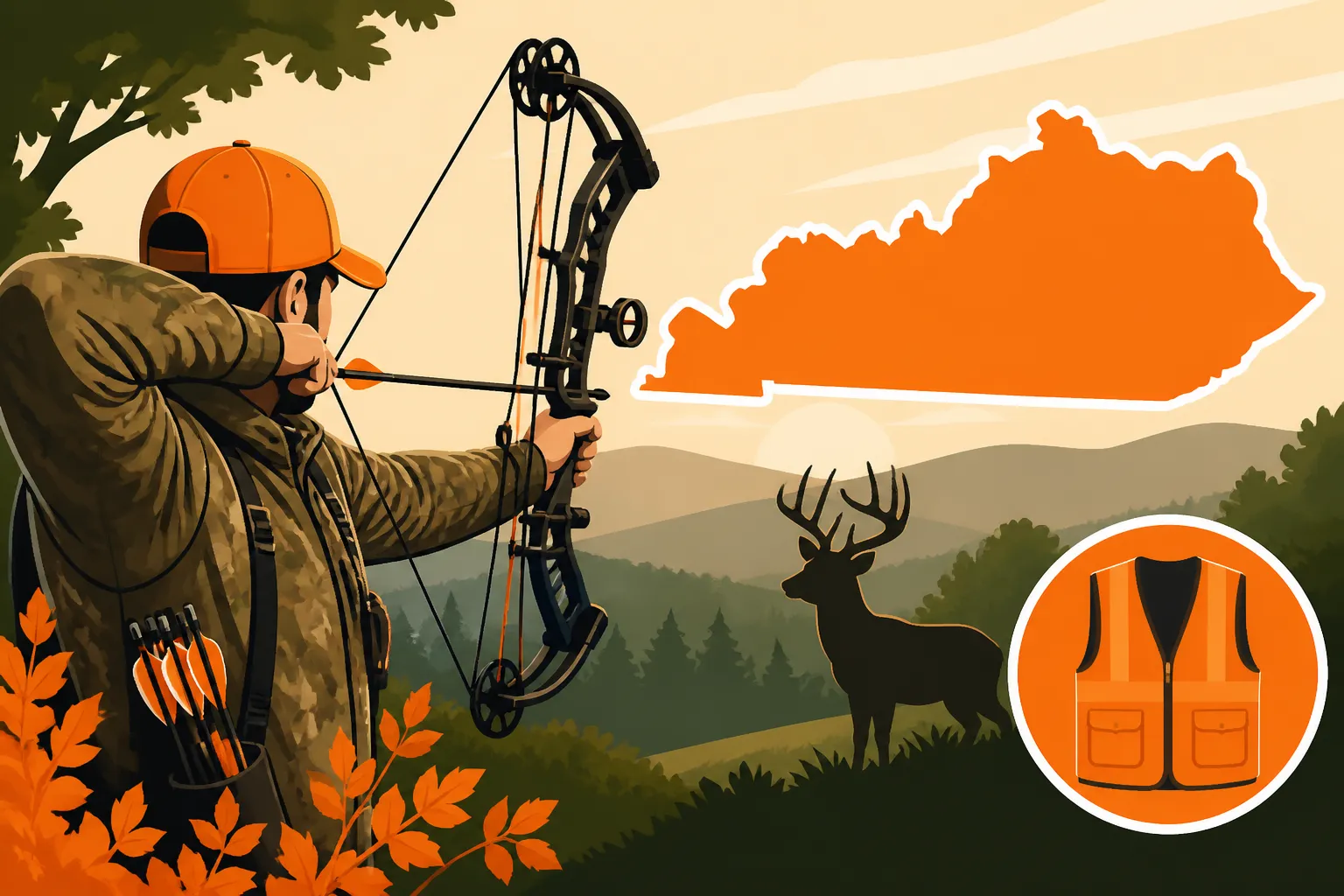
Even when blaze orange isn't legally required, some archery hunters opt to wear a small amount, perhaps a hat or a vest, especially when walking to and from their stand in low light. This is a personal safety choice and certainly not a bad idea, particularly in areas with high Hunting Pressure on Kentucky Public Land. When it is required, remember that the law generally specifies a solid outer garment, meaning camouflage patterns with orange integrated don't always count if they don't meet the "solid" and "visible from all sides" criteria. A simple vest over your existing camo is usually sufficient and easily added or removed.
Another aspect to consider is Blaze Pink Options Under Kentucky Law. Kentucky, like some other states, has recognized blaze pink as a legal alternative to blaze orange. For those who prefer it, or simply want another option, it serves the same safety purpose and meets the legal requirements. Regardless of color, the key is visibility.
When you're trying to locate a good hunting spot, perhaps using tools like GoHunt to analyze aerial maps or check public land boundaries, always make sure you're also checking the current season dates for that specific area. Many hunters get caught off guard because they focus on deer patterns or Reading Aerial Photos for Eastern Kentucky Deer and forget to check the regulatory calendar. Having a clear understanding of the full hunting season structure, not just your specific archery dates, is essential for a safe and legal hunt. If you're going to be on property near others, consider the overall hunter density and make a choice to wear orange, even if not strictly mandated, to ensure maximum safety. Carrying your blaze orange with you and having it readily available for when the regulations shift is a smart practice.
Remember, Kentucky's hunting regulations are designed to keep everyone safe and ensure responsible hunting practices. Adhering to blaze orange requirements is a big part of that. Understanding when and where these rules apply to you as an archery hunter means you can focus on the thrill of the hunt rather than worrying about a citation or, worse, a preventable accident. For new hunters, obtaining your Kentucky Hunter Education Requirements certificate will cover many of these vital safety aspects, but keeping up with current year regulations is always important. Don't let a technicality ruin your hunt – be informed and be safe!
Disclaimer
This article is for general informational purposes only and does not constitute professional advice. Laws, prices and regulations vary by location and change over time. Consult a qualified professional for guidance on your specific situation.