Bear Bait Barrels and Legal Containers
Many Kentucky hunters are incredibly excited about the prospect of chasing a black bear, but when it comes to baiting, the regulations can feel like trying to decipher an ancient scroll. It's a real head-scratcher trying to figure out exactly what kinds of bear bait barrels and legal containers are permitted, how to use them, and where to put them without accidentally breaking a rule. This guide is here to untangle that confusion, offering clear, practical advice on setting up a legal and effective bait site for black bears in Kentucky.
Understanding Kentucky's Bear Baiting Regulations
Hunting black bears in Kentucky is a unique and thrilling experience, a testament to the KDFWR's successful restoration efforts. However, unlike deer or turkey, bear hunting comes with its own specific set of rules, particularly concerning baiting. These aren't just arbitrary guidelines; they're in place to manage the growing bear population responsibly, ensure fair chase, and minimize potential conflicts between bears and people. For many of us, the desire to draw a bear into a consistent location is strong, but doing it correctly is paramount.
The "Why" Behind the Rules
The KDFWR aims to maintain a healthy, sustainable bear population while also addressing human-bear interactions, especially as Kentucky's Black Bear Population continues to expand. Baiting, when done improperly, could lead to bears associating humans with food sources, creating nuisance animals, or even habituating them to residential areas. The regulations are designed to prevent this, ensuring that baiting is used as a hunting tool in a controlled manner, primarily in designated areas away from heavy human population centers. It’s all about balance: providing hunting opportunities while protecting both the bears and the public. You might feel the frustration of wanting to set up a site quickly, but understanding this underlying philosophy helps put the specifics into perspective.
What's Permitted and What's Prohibited
Kentucky's regulations regarding bear baiting are quite clear, but they do require careful attention to detail. Generally, baiting is permitted for bear hunting during specific seasons within certain zones. However, there are strict rules about what constitutes legal bait, how it must be contained, and where it can be placed. You can't just dump a pile of donuts on the ground and call it good. Legal bait often includes things like corn, shelled nuts, pastries, and fruit. It absolutely cannot contain any part of a mammal, bird, or fish.
Crucially, bait must be placed in a legal container. This means it must be secured in a way that prevents the bear from carrying off the entire cache, but still allows them to access the food. Distance restrictions are also key: bait sites often need to be a certain distance from public roads, occupied dwellings, and property lines. Always double-check the most current KDFWR hunting guide, as these details can change. Before you even think about setting out a barrel, check your GoHunt app for current bear zone boundaries and specific county regulations. This digital tool can be invaluable for cross-referencing regulations with land features, helping you identify areas where baiting is legal and practical.
Zones and Seasons for Baiting
Kentucky's bear population is primarily concentrated in the southeastern region of the state, which is why the KDFWR has established specific bear zones. Understanding Kentucky's Bear Zone System is critical, as baiting might be permitted in one zone but restricted or entirely prohibited in others. These zones are dynamically managed, so the counties included can shift. For instance, areas like Where Southeastern Kentucky Bears Range are prime bear habitat and often fall within zones where baiting is an approved hunting method, whereas other parts of the state may not permit it at all.
Beyond the geographic zones, baiting is only allowed during specific open bear seasons. You can't just put out bait year-round. There's typically a designated timeframe leading up to and during the archery and firearms bear seasons when baiting is permitted. The KDFWR sets these dates carefully to align with biological factors and hunting pressure. If you're planning an archery hunt, the baiting window will differ from a firearms hunt. Make sure you know both the zone you're hunting in and the exact dates baiting is allowed. This helps ensure your efforts are not only legal but also effective during the peak activity times for bears.
Choosing and Preparing Your Legal Bear Bait Container
Once you've wrapped your head around the legalities, the next step is selecting and preparing the right container for your bait. This isn't just about throwing food on the ground; it's about presenting it in a way that’s compliant with regulations, enticing to bears, and durable enough to withstand the incredible power of a black bear. There's nothing more frustrating than arriving at your bait site only to find your hard work scattered or destroyed by other wildlife or even the elements.
Characteristics of a Compliant Bait Barrel
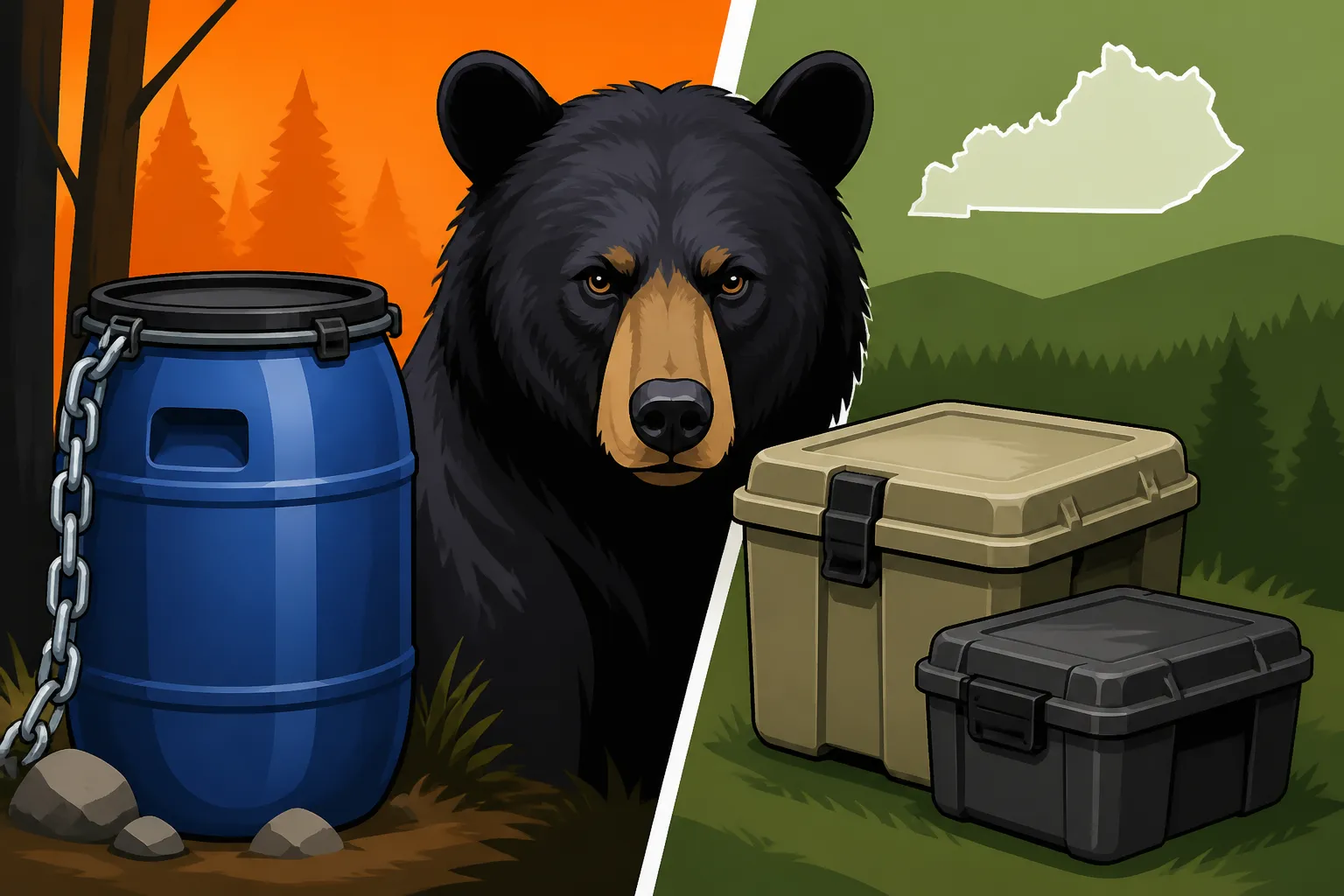
A legal bear bait container in Kentucky needs to meet specific criteria. Typically, we're talking about heavy-duty plastic or metal barrels, often 30 to 55 gallons in size, that are designed to be secured. The key is that the container must be sturdy enough that a bear cannot simply pick it up and walk away with it. However, it also needs to allow the bear to access the bait. This usually means securing the lid in such a way that a bear can work it open, or having an opening that allows access without the entire barrel being compromised.
Some hunters might cut an access hole, while others use heavy-duty chains to secure a partially open lid. The goal is to make the bear work for the food, keeping them at the site longer and preventing smaller critters from making off with all your hard-earned bait. It also extends the life of your bait, which saves you trips to replenish it. Think strong, durable, and bear-resistant, but not bear-proof in terms of access.
Securing Your Bait Site
Simply placing a barrel in the woods isn't enough; you need to secure it against theft, other animals, and the sheer power of a bear. Heavy-duty chains and padlocks are your best friends here. You’ll want to chain your barrel to a substantial tree, stump, or even a buried anchor point. The chain needs to be thick enough to prevent a bear from snapping it and positioned so it doesn't impede the bear's access to the bait.
Consider also securing the lid of the barrel with additional chains or steel cables. This ensures that while a bear can get to the food, they can't simply tear the lid off and scatter the contents everywhere. Some hunters even build a small, stout wooden cradle or frame around their barrels, further anchoring them and providing a natural-looking presentation. This extra effort pays off, protecting your investment and ensuring your bait remains active. It’s a bit of work, but the payoff of a consistent bear visit is well worth it.
Common Bait Types and Presentation
When it comes to the actual bait, Kentucky regulations prohibit the use of animal parts, but there's a wide range of other legal and effective options. Sweet, high-calorie foods are generally preferred by bears. Think stale pastries, donuts, bread, corn, shelled peanuts, and various fruits. Many hunters collect discarded bakery items or purchase large bags of feed corn. Remember, the fresher and more aromatic the bait, the better.
| Bait Type | Pros | Cons | Legal in Kentucky? |
|---|---|---|---|
| Sweet Pastries | High calorie, strong scent, very attractive | Can be expensive, messy, attracts other critters | Yes |
| Shelled Corn | Affordable, readily available, bears like it | Less aromatic, requires larger quantities, attracts deer | Yes |
| Peanuts (shelled) | High fat/protein, good scent, bears love | More expensive than corn, small pieces scatter easily | Yes |
| Fruit (apples, berries) | Natural attractant, high sugar | Can spoil quickly, less dense calories, harder to source consistently | Yes |
| Meat Scraps/Fish | Strong scent, very attractive | Illegal in Kentucky, attracts non-target predators | No |
| Dog/Cat Food | Convenient, high protein/fat | Can be expensive, sometimes controversial | Yes |
When presenting your bait within the legal container, aim for a gradual release of scent. Some hunters will pour a small amount of liquid bait (like molasses or pancake syrup) on the ground around the barrel to create an immediate scent trail. Inside the barrel, layering different types of bait can keep things interesting for the bear. Consider using a strong-smelling attractant that is specifically designed for bears and is legal in Kentucky. This can give off a powerful aroma that travels through the woods, drawing bears from a distance. The aim is to create an irresistible buffet that keeps them coming back.
Strategic Placement and Management of Your Bait Site
Setting out a legal bear bait barrel is only part of the equation. To truly succeed, you need to think strategically about where you place it and how you manage it throughout the season. Bears are intelligent creatures with keen senses, and their movements are often predictable once you understand their patterns.
Location, Location, Location
Choosing the right location for your bait site is paramount. You need to consider several factors: bear travel corridors, available cover, and adherence to legal distance requirements. Look for areas with heavy bear sign—tracks, scat, rubs on trees. Natural funnels, thick cover adjacent to open areas, and near water sources are often prime spots. Bears prefer to travel under the cover of thick timber, especially during daylight hours, so placing your bait where they feel secure approaching is key.
Before you lug that heavy barrel deep into the woods, use mapping tools to scout potential locations. The GoHunt app, for example, can show you topographical maps, property lines, and even satellite imagery that helps you identify potential travel routes, bedding areas, and water sources. This digital scouting can save you countless hours of walking and help ensure your chosen site meets all legal distance requirements from roads and dwellings. Remember, being a few feet off can lead to big problems. Setting up too close to a road or a private residence can not only get you a citation but also create a negative image for hunters. Scouting Kentucky Public Land Before Season is invaluable, and modern tools make it even more efficient.
Monitoring and Maintenance
A bait site isn't a "set it and forget it" operation. Consistent monitoring and maintenance are crucial for success. Trail cameras are an absolute must-have. They allow you to observe which bears are visiting your site, at what times, and how often. This information is gold for planning your hunt. Are mostly sows and cubs visiting, or are there mature boars? Are they coming in during daylight or strictly at night? These insights help you understand Kentucky Bear Harvest Trends in your specific area.
You'll need to replenish your bait regularly, especially once bears start hitting it consistently. How often depends on bear activity and the type of bait you're using. If you’re getting multiple visits a day, you might need to check it every few days. The goal is to keep fresh, appealing bait available to maintain their interest. Also, keep the area around your barrel clean. Remove any garbage or non-natural items that could be left behind by the bears or other animals. This not only keeps the site looking respectable but also helps you monitor for fresh bear sign.
Avoiding Non-Target Species and Conflicts
One of the ongoing frustrations of baiting is the inevitable visit from non-target species. Raccoons, opossums, squirrels, and even deer can quickly deplete your expensive bait if you're not careful. While it's impossible to completely exclude them, there are strategies to minimize their impact. Securing your barrel as described earlier helps. Using a barrel with a smaller opening or one that requires a bit of manipulation can deter smaller critters.
Some hunters rig up wire cages or use electric fence wire (where legal and safe) around their barrels to deter everything but bears. Additionally, be mindful of the overall impact of your bait site. If you're seeing signs of Bear Encounters Around Eastern Kentucky Cabins or in residential areas, it's a good indication your site might be too close to human activity, or your bait might be attracting more attention than intended. Always prioritize safety and responsible hunting practices to prevent negative interactions.
Common Pitfalls and Troubleshooting Bear Baiting
Even with the best intentions and meticulous planning, bear baiting can present its own set of challenges. It's easy to get discouraged when things don't go as planned, but understanding common pitfalls and knowing how to troubleshoot them can make all the difference.
The Frustration of Empty Barrels
Picture this: you've spent hours hauling in a heavy barrel, chained it meticulously, filled it with enticing bait, and waited patiently. You check your trail camera, only to find no bear pictures, or worse, the bait is gone, but it was all consumed by raccoons. It's genuinely disheartening. Several factors can lead to an empty barrel without a bear visit. Perhaps there aren't many bears in that specific area, or your bait isn't as appealing as you thought. Weather can also play a role; heavy rain can wash away scent, and extreme temperatures can affect bear activity.
Troubleshooting involves reviewing your strategy. Did you scout thoroughly for active bear sign? Is your bait fresh and highly aromatic? Consider adding a stronger scent attractant designed to carry further. Re-evaluate your location for better cover or a more natural travel route. Sometimes, moving the barrel a hundred yards can make all the difference. Patience is a bear hunter's greatest virtue, but persistent problem-solving is a close second. Don't be afraid to experiment with different bait types or delivery methods if your initial setup isn't producing. Remember, every trip to the woods is a learning experience, helping you better understand How Many Black Bears Kentucky Has and their local habits.
Handling Human-Bear Interactions at Bait Sites
While baiting is a legitimate hunting method, it's crucial to always be aware of your surroundings and potential interactions with bears, especially if your site is near public access points or other hunters. Never approach a bear at a bait site, and always give them ample space. Bears that visit bait sites become accustomed to human presence, which is why the regulations are so important. If you encounter a bear while checking your bait, make your presence known, back away slowly, and give the bear an escape route.
The goal is to provide a hunting opportunity, not to create a dangerous situation. If you notice a bear becoming too comfortable or aggressive, it might be time to pull the bait or contact KDFWR for guidance. Responsible hunters understand that their actions impact public perception and wildlife management. We want to enjoy our hunts and contribute positively to the conservation efforts, not cause problems. For those considering methods that don't involve baiting, exploring options like Spot-and-Stalk Tactics for Pine Mountain Bears or Hunting Bears Over Natural Mast in the Mountains can offer alternative, equally rewarding experiences.
Disclaimer
This article is for general informational purposes only and does not constitute professional advice. Laws, prices and regulations vary by location and change over time. Consult a qualified professional for guidance on your specific situation.