Kentucky Late Muzzleloader Tactics
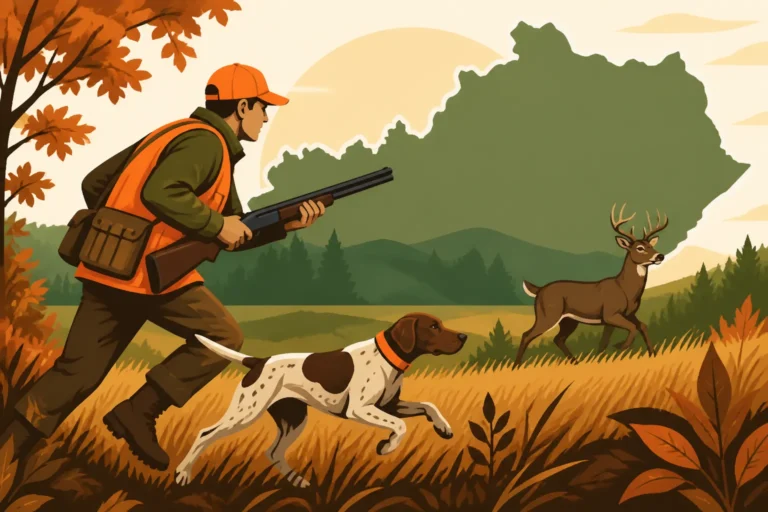
The late muzzleloader season in Kentucky can feel like a totally different beast than early archery or modern gun season. The deer are wary, food sources are dwindling, and the weather can be downright brutal, making it incredibly frustrating when your usual tactics just aren't cutting it. This guide is all about equipping you with the specialized knowledge and proven strategies you need to find success during Kentucky's late muzzleloader hunt, turning those challenging conditions into opportunities.
Understanding the Late Muzzleloader Season in Kentucky
The late muzzleloader hunt offers a unique blend of challenge and reward. By this point, deer have been pressured for months, and the landscape has changed dramatically. But don't let that discourage you – with the right approach, it can be one of the most exciting times to be in the woods.
When is the Late Muzzleloader Season?
Kentucky's late muzzleloader season typically falls in mid-December, usually a week-long window. This follows the general modern gun season and a short break, making it a distinct period where hunters can only use muzzleloaders. It's crucial to always double-check the exact dates with the Kentucky Department of Fish and Wildlife Resources (KDFWR) regulations each year, as they can shift slightly. This period often coincides with some of the coldest weather patterns of the year, bringing with it the possibility of snow and ice, which profoundly impacts deer behavior. Knowing the exact dates for your hunt, like those covered in the topic of Kentucky Late Muzzleloader Dates, is your first step.
This late-season window provides an opportunity for hunters who might have missed out on filling their tags earlier or for those simply looking for a different kind of challenge. The woods are often quieter, many hunters have hung up their gear, and the colder temperatures mean that if you do harvest a deer, meat care is generally much simpler without the intense heat of September or October. It’s a chance to truly test your mettle against the elements and highly educated deer. Furthermore, understanding the broader Kentucky Deer Season Structure Explained helps you position this season within the overall annual hunting calendar, allowing you to plan effectively.
Why Muzzleloaders Excel in This Window
Muzzleloaders, with their single-shot nature and often heavier projectiles, force hunters to be more deliberate, making every shot count. In the late season, when shots might be shorter due to dense cover around remaining food sources or when deer are moving cautiously, this deliberate approach can be an advantage. Plus, there's just something incredibly satisfying about taking a deer with a primitive weapon.
The regulations specific to muzzleloaders during this period also mean less competition from other firearm types, creating a more focused hunting environment. While the range of a muzzleloader is typically shorter than a modern rifle, this is often less of a concern when deer movement is concentrated around specific food sources or thermal cover, leading to closer encounters. Many hunters enjoy the added historical connection and the challenge that comes with loading and firing a single-shot firearm, making the experience even more rewarding. It's a chance to slow down, be more intentional, and truly appreciate the hunt.
Key Factors Influencing Late Season Deer Behavior
By mid-December, deer aren't just thinking about the rut anymore; their priorities have shifted dramatically. Survival is paramount, driven by the need to find sustenance and conserve energy in increasingly harsh conditions. Understanding these core motivations is key to unlocking late-season success.
Food Sources are King
Gone are the days of abundant acorns and lush green browse. By late muzzleloader season, natural food sources are severely depleted or buried under snow. Deer will gravitate towards the most accessible and nutritious remaining food, often agricultural fields. Think about standing corn, soybean stubble, winter wheat, or even brassicas planted in food plots. These locations become absolute magnets. Remember to consider Late-Season Food Sources for Kentucky Whitetails when planning your hunts.
It's not just about what they're eating, but where it is. Deer will minimize travel to conserve energy, so look for food sources close to thick cover. A standing cornfield adjacent to a dense creek bottom or a food plot nestled against a bedding ridge will be far more attractive than an isolated field in the middle of open country. This concentrated feeding behavior makes these specific areas high-value targets, despite the overall scarcity of food. This focused approach is vital, as deer will often push past less appealing options to get to the highest calorie, most available nutrition.
Impact of Weather on Deer Movement
Cold weather is a double-edged sword for late-season hunters. While extreme cold can limit daytime movement, especially during a severe cold front, moderate cold spells often trigger increased feeding activity. Deer need more calories to maintain their body temperature, driving them to move more frequently, especially during daylight hours. A fresh blanket of snow, while beautiful, can also reveal clear travel patterns, making tracking and identifying active areas much easier. If you're wondering how deer react to extreme shifts, dive into strategies for Hunting Deer After a January Cold Front.
Heavy wind, however, is almost always a deterrent. Deer prefer to bed down in thick, sheltered areas during strong winds, making them much harder to intercept. Pay close attention to frontal systems, especially those bringing falling temperatures or clearing skies after a period of heavy precipitation. These are often prime times for deer movement as they emerge to feed or move to new bedding locations. These weather patterns are your friend, signaling when deer are most likely to be up and moving, giving you the best chance for an encounter.
Hunting Pressure and Deer Relocation
Kentucky deer, especially on public land or heavily hunted private tracts, have seen it all by mid-December. They've been pushed, bumped, and shot at, making them incredibly wary. This pressure often forces deer into the densest, most remote cover available – places many hunters avoid. They'll adjust their movement patterns, often becoming almost entirely nocturnal in open areas, and only moving during daylight in areas they perceive as safe. Understanding how to find Finding Ground Others Walk Past is crucial here.
This doesn't mean you can't find them, but it means you need to think differently. Look for those overlooked pockets: small woodlots, deep ravines, thick creek bottoms, or areas with difficult access. Deer that have survived the earlier seasons are masters of evasion, and they'll seek refuge in places that offer both security cover and proximity to whatever dwindling food sources remain. Consider how past hunting pressure, even weeks ago, might still be dictating where deer feel safe enough to move during daylight. This requires you to be patient and willing to put in the extra effort to get away from the easy access points, where most other hunters are likely to concentrate.
Scouting for Success: Where to Focus Your Efforts
Scouting in the late season is less about finding fresh rut sign and more about pinpointing crucial resources. It's about becoming a detective, looking for the subtle clues that reveal where deer are spending their precious energy and seeking refuge.
Reading the Landscape for Remaining Food
As mentioned, late-season food sources are critical. Your scouting efforts should heavily focus on identifying these areas. Drive county roads, paying attention to standing crops like corn or beans that might have been missed during harvest. Use mapping tools like GoHunt to identify potential food plots on private land adjacent to public ground, or even unharvested agricultural corners. On public land, look for native browse that might still be palatable, such as honeysuckle, green briar, or even young cedar trees.
Don't just look for the food itself; look for evidence of deer activity around it. Fresh tracks in mud or snow, droppings, and browsed vegetation will tell you if deer are actively using the area. Focus on the edges of fields, transition zones between food and cover, and any natural pinch points leading into these feeding grounds. This might involve physically walking potential routes or using digital tools like those available through GoHunt for a bird's-eye view, helping you prioritize areas for boots-on-the-ground investigation. Understanding the terrain and how deer use it to access food is paramount.
Finding Thermal Cover and Bedding Areas
With plummeting temperatures and often sparse canopy cover, deer prioritize thermal cover. This means searching for thick, dense stands of evergreens like cedars, pines, or hemlocks, particularly on south-facing slopes that catch more sunlight. Steep, protected hollows or dense thickets that block wind can also serve as crucial bedding areas. Deer will often bed very close to their primary food source to minimize energy expenditure.
Look for areas with significant windbreaks and dense vegetation that can trap warmth. Even a small stand of thick saplings or a brushy fencerow can offer enough security and thermal protection to hold deer. Pay attention to how deer enter and exit these areas. Fresh rubs and scrapes are usually old news by this point, but well-worn trails leading from thickets to food sources are gold. These are the highways deer are still using daily, and understanding their security needs will tell you where they're resting between feeding bouts. These bedding areas become critical waypoints in your hunting strategy, especially if you plan to still-hunt or ambush deer moving between beds and food.
Using Technology for Remote Scouting
Modern hunting apps and aerial imagery are invaluable for late-season scouting. Platforms like GoHunt allow you to identify potential food sources, thick cover, and terrain features from your couch. You can mark potential stand locations, map out access routes, and analyze contour lines to predict deer movement. This is especially useful for public land, where you might not have time to scout every acre in person. Learn more about Reading Aerial Photos for Eastern Kentucky Deer to refine this skill.
Use these tools to identify bottlenecks, saddles, and transition lines between different types of habitat. Look for drainages or creek beds that can act as travel corridors, especially if they offer some level of concealment. While technology is a fantastic starting point, it's no substitute for putting boots on the ground to confirm sign and observe actual deer movement. However, it significantly reduces wasted time by helping you focus on the most promising areas. Leveraging these digital resources can streamline your scouting efforts and give you a more comprehensive understanding of the landscape before you even step foot in the woods.
Muzzleloader Specifics: Gear and Shot Placement
Hunting with a muzzleloader in late season adds a layer of consideration to your gear and technique. The cold, wet conditions can be unforgiving to traditional black powder setups, and your understanding of trajectory and shot placement must be absolute.
Choosing the Right Muzzleloader and Ammo
For late-season Kentucky hunting, reliability is paramount. Inline muzzleloaders tend to be more weather-resistant and easier to load in the cold than traditional sidelocks. Focus on a rifle that you can load quickly and efficiently, even with gloved hands. When it comes to ammunition, saboted projectiles offer better ballistics and accuracy at longer ranges, which can be useful if you're hunting larger fields. However, traditional conical bullets are also highly effective and deliver excellent knockdown power.
Pelletized powder is generally more convenient and less prone to moisture issues than loose powder, though loose powder can offer more precise charges and potentially better accuracy if you're willing to manage it. Regardless of your choice, consistency is key. Practice shooting your chosen load in cold weather conditions to understand its performance. If you need a refresher on selecting appropriate gear, check out Muzzleloaders for a Kentucky December. Always ensure your setup is clean and well-maintained before heading into the frigid woods.
Mastering Cold Weather Muzzleloader Care
The bane of muzzleloader hunters in cold, damp weather is moisture. Black powder and its substitutes are hygroscopic, meaning they readily absorb moisture. This can lead to misfires or hangfires, which are frustrating and can ruin a hunt. Invest in a good quality waterproof cap for your primer or percussion cap. Many modern inline muzzleloaders offer robust sealing systems around the breech plug and primer. Carrying extra, dry primers is always a good idea.
Beyond the shot, cleaning your muzzleloader promptly after each use, especially after exposure to damp or freezing conditions, is vital to prevent corrosion. The corrosive nature of black powder residue can quickly pit or damage your barrel. Keeping your powder and primers in airtight, waterproof containers in your pack is also a wise move. For specific advice on keeping your powder dry in adverse conditions, refer to Keeping Powder Dry in Wet Weather. A small cleaning kit, including patches and bore cleaner, can be invaluable for field maintenance between hunts, ensuring your firearm is always ready when that late-season buck appears.
Understanding Effective Range and Shot Placement
While a modern inline muzzleloader might be capable of shooting accurately at 200 yards, your effective range in the field, especially in late season with heavy clothing and cold hands, might be much shorter. Stick to ethical shot distances that you've practiced extensively and are confident in. For most hunters, this means keeping shots within 100-150 yards, particularly in timber or uneven terrain.
Shot placement is always critical, but even more so with a single-shot muzzleloader. Aim for the vital organs – the heart and lungs – by targeting the area just behind the shoulder. Avoid risky shots, especially on quartering deer, unless you are absolutely certain of hitting the vitals. Track a deer meticulously, even if you feel confident in your shot, as late-season deer often leave less blood trail due to less active circulation and heavier coats. Consider learning about Tracking a Deer Through Kentucky Leaf Litter if you end up with a sparse blood trail, as every clue counts in cold weather.
Stand Placement and Hunting Strategies for Success
By this point in the season, deer are not moving carelessly. Your stand placement needs to be exceptionally strategic, and your hunting methods must be patient and adaptable.
Setting Up Over Prime Food Sources
Given that food is the primary driver for late-season deer, setting up directly over or along major travel routes to prime food sources is often your best bet. If you've identified a standing cornfield, a winter wheat patch, or a brassica plot that deer are hitting hard, find the most active entry and exit points. Consider wind direction carefully – you want your scent blowing away from the deer's likely approach and the food source.
Treestands offer an elevated vantage point and help keep your scent dispersed, but a well-brushed-in ground blind can also be incredibly effective, especially if deer are wary of looking up. Focus on the last hour or two of daylight, when deer are most likely to move from bedding to feeding. Sometimes, an all-day sit can be productive if the weather is truly brutal, as deer might move to feed during a brief midday lull. Remember, patience is a virtue, especially when hunting during the Hunting the Late-Season January Lull, which can extend into late muzzleloader season, making these long sits worth the effort.
Hunting Funnels and Travel Corridors
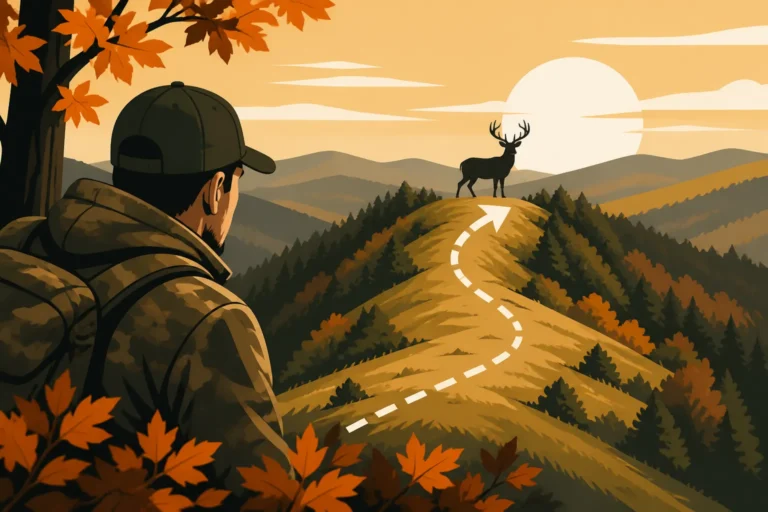
Even when food sources are scarce, deer still need to travel between bedding and feeding areas, and they'll almost always take the path of least resistance or greatest concealment. Look for natural funnels – narrow strips of timber between open fields, saddles in ridges, creek bottoms that connect larger woodlots, or even fencerows. These areas concentrate deer movement, making them excellent spots for an ambush.
These funnels can be especially productive during midday if deer are bumped from their primary bedding areas by other hunters or predators. They'll often use these protected corridors to relocate to secondary bedding sites. Use mapping tools like GoHunt to highlight these terrain features and then scout them on foot for fresh tracks. A funnel leading from a south-facing thermal thicket to a standing cornfield is a late-season goldmine. For specific insights into these features, revisit Hunting a Funnel Between Two Hollows. Understanding these terrain features is crucial for predicting where deer will move, especially in situations where deer drives with three or four hunters might be deployed to push deer through these pinch points.
Still-Hunting and Ground Blind Tactics
While static stand hunting is effective, still-hunting can be a fantastic approach in the late season, especially in areas with thick cover. This involves moving slowly, deliberately, and quietly through the woods, taking a few steps, then pausing for several minutes to scan for deer. Focus on areas of dense cover where deer might be bedded close to food. Move into the wind or with a crosswind, always paying attention to thermals, which can be tricky in hilly Kentucky terrain.
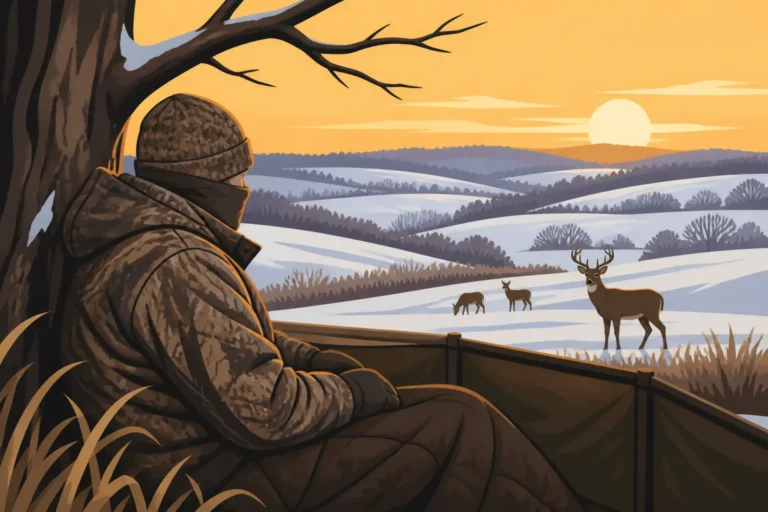
Ground blinds are another excellent tactic, offering concealment and warmth, which can be a huge advantage during bitter cold. They're especially effective on field edges, at the confluence of trails, or within thickets where treestand placement is difficult. Ensure your blind is well-camouflaged and brushed in. If you're considering this, understanding Using a Ground Blind on Kentucky Public Land will give you an edge. The key to both still-hunting and ground blinds is minimizing your silhouette and scent, blending seamlessly into the winter landscape, and ensuring your movements are slow and deliberate.
Dealing with Weather and Pressure
Late muzzleloader season in Kentucky often coincides with some of the harshest weather and the most educated deer. These challenges can be daunting, but with the right mindset and preparation, they can actually work in your favor.
Adapting to Extreme Cold and Snow
When the mercury plummets and snow blankets the ground, your hunting strategy and gear need to adapt. Layering is non-negotiable for staying warm during those long sits. Start with a moisture-wicking base layer, add insulating mid-layers like fleece or down, and top it off with a waterproof, windproof outer shell. Hand and foot warmers are your best friends. Proper boots, like insulated rubber boots, are crucial for keeping your feet warm and dry. Read up on Cold-Weather Sitting Strategy in Kentucky for more tips on staying comfortable.
Extreme cold often pushes deer to move more during daylight hours to feed, needing to consume more calories to stay warm. A fresh snowfall can be a game-changer, not only for revealing fresh tracks but also for dampening sound, allowing for quieter movement if still-hunting. However, be mindful of crusty snow, which can make silent movement nearly impossible. Adapt your approach: if it's crunchy, stay put; if it's soft, consider a slow, deliberate still-hunt. Remember, packing a deer out, especially on snowy or icy terrain, might require tools like Sleds and Drags for Ridge Country.
Navigating Public Land Crowds
While the late muzzleloader season might see fewer hunters than opening weekend of modern gun, popular public land spots can still draw a crowd. This pressure will push deer into overlooked, harder-to-reach areas. Don't be afraid to walk further, climb steeper, or cross tougher terrain than others are willing to. Focus on those deep hollows, dense thickets, or remote ridges that offer the best security.
Scout ahead of time to identify these sanctuary areas. Use topo maps and aerial photos to pinpoint spots that are difficult to access or have natural barriers that deter casual hunters. Sometimes, a long, quiet walk-in away from established trails can lead you to undisturbed pockets of deer. Remember that deer are masters at finding overlooked pockets, so if it looks too rough for most hunters, it might be just right for a late-season buck. This links back to the idea of Finding Ground Others Walk Past on pressured public land, a critical skill for success.
Patience and Persistence
More than any other time of year, late-season muzzleloader hunting demands an unwavering commitment to patience and persistence. Deer movement can be sporadic, and you might experience long periods without seeing anything. Don't get discouraged. Stick to your plan, trust your scouting, and remain vigilant. Often, it's that final hour of legal shooting light or that single cold front that breaks open a slow period.
Persistence also means being willing to change tactics if something isn't working. If a particular food source isn't showing activity, be ready to move and check another. If stand hunting isn't producing, consider a day of still-hunting. The late season isn't for the faint of heart, but those who endure the cold and the slow periods are often rewarded with a hard-earned, memorable buck. It’s about being out there when others have gone home, and having the mental fortitude to see it through, regardless of whether you're in a heavily managed Kentucky Deer Management Zone Rules or a remote public forest.
Table: Muzzleloader Types for Late Season Kentucky Hunting
| Muzzleloader Type | Pros | Cons | Ideal Use Case |
|---|---|---|---|
| Inline | Easier to load, better weather resistance, often more accurate, uses modern primers. | Can be more expensive, less "traditional" feel. | All-around best for reliable late-season performance in any weather. |
| Traditional Sidelock (Percussion) | Classic aesthetic, simpler mechanism, often more affordable. | More prone to moisture issues, slower loading, less accurate at range. | Hunters prioritizing tradition, shorter range shots in milder conditions. |
| Traditional Sidelock (Flintlock) | Ultimate traditional challenge, no primers needed. | Very susceptible to moisture, slow to load, steep learning curve. | The purist looking for the ultimate challenge, fair weather only. |
Conclusion: Embrace the Late Season Challenge
Kentucky's late muzzleloader season presents a unique hunting opportunity for those willing to embrace the cold, the quiet, and the challenge. It's a time when many hunters have packed it in, but with the right tactics, it can be incredibly rewarding. By focusing on critical food sources, understanding deer behavior in relation to weather and pressure, meticulous scouting with tools like GoHunt, and mastering your muzzleloader, you can significantly increase your odds of success. Remember, the deer you're pursuing at this point are survivors, making the harvest that much more special. Go out there, stay warm, stay persistent, and make those last few days of the season count!
Disclaimer
The information provided in this guide is for general informational purposes only. Hunting regulations, seasons, and licensing requirements in Kentucky are subject to change. Always consult the most current Kentucky Department of Fish and Wildlife Resources (KDFWR) regulations before planning or undertaking any hunting activity. It is your responsibility to know and follow all applicable laws.