Kentucky’s Blaze Orange and Pink Options
It's a familiar scenario: you’re gearing up for a hunt, pulling out your favorite camo, and then that nagging question hits – "Do I really need to wear blaze orange today? What about pink? And how much is enough?" The confusion around hunter visibility requirements in Kentucky can feel like a tangled mess of regulations, especially with the addition of new options. This guide aims to untangle that knot, offering a clear, comprehensive look at Kentucky's blaze orange and blaze pink mandates, why they exist, and how to stay safe and legal in the field.
Understanding Kentucky's Hunter Visibility Requirements
Let's face it, nobody wants an accidental shooting, and the vast majority of hunting incidents are preventable. Kentucky's hunter visibility laws aren't there to cramp your style; they're fundamentally about keeping everyone safe. It's about ensuring that when you're moving through the woods, or even just sitting on a stand, you're clearly identifiable as a human hunter and not mistaken for game.
The Why Behind Blaze Orange
Imagine walking through dense timber, leaves rustling underfoot, with a nervous energy buzzing through the air. In such an environment, human forms can easily blend into the background, especially when hunters are dressed in earth tones. That's where blaze orange steps in. This vibrant, fluorescent color is specifically chosen because deer and other game animals perceive it differently than humans do. While we see it as a bright, unmistakable safety color, deer, with their dichromatic vision, essentially see it as a shade of gray or yellow, making it less alarming to them than it is to us.
The introduction of hunter orange laws decades ago across the country dramatically reduced hunting accidents, particularly those involving misidentification. Before these laws, it was not uncommon for hunters to accidentally shoot other hunters, mistaking them for deer or other animals. Blaze orange provides a stark contrast against natural backgrounds, even in low light or foggy conditions, making it incredibly effective for human-to-human visibility. It signals, "Hey, I'm a person, not a target!" This simple, yet powerful, visual cue helps prevent those tragic mistakes that no one ever wants to be a part of. It’s a collective safety measure that benefits every single person in the woods.
When and Where It's Mandatory
The rules around when and where you need to wear blaze orange (or pink) in Kentucky can sometimes feel a bit like a pop quiz. It’s not a universal year-round requirement, but rather applies to specific seasons and situations where firearms hunting is permitted. The core principle is simple: if you're hunting deer, elk, or bear with a firearm, or if you're hunting anything on public land during a firearms deer, elk, or bear season, you need to wear it. This includes the major big game seasons like Kentucky Modern Gun Season Dates, Kentucky Early Muzzleloader Dates, and Kentucky Late Muzzleloader Dates.
Even young hunters participating in special opportunities like the Kentucky Youth Firearms Season Rules are required to wear blaze orange or pink. The key here is always to check the current regulations for the specific season and location you plan to hunt. For instance, during the Kentucky Archery Season Opening Day, if only archery equipment is allowed and no firearm seasons are open, blaze orange or pink is generally not required. However, if an archery season overlaps with a firearms season (like early muzzleloader or youth gun season), then the blaze orange/pink rule kicks in for all hunters in that area, regardless of their chosen weapon. Public lands, especially the Wildlife Management Areas (WMAs) and Daniel Boone National Forest, are strict about these rules during specified firearm seasons to ensure the safety of all users, from hunters to hikers. Always confirm your specific hunt dates and weapon choice against the latest Kentucky Department of Fish and Wildlife Resources (KDFWR) regulations to avoid a citation and, more importantly, to ensure your safety and the safety of others.
The Specifics of Blaze Orange: What Counts?
It's one thing to know when you need to wear blaze orange, but another to know what exactly constitutes legal and sufficient coverage. It's not just about slapping on a random orange shirt; there are specific minimums designed to ensure adequate visibility. Overlooking these details can not only lead to a fine but, more critically, compromise your safety.
Minimum Coverage Requirements
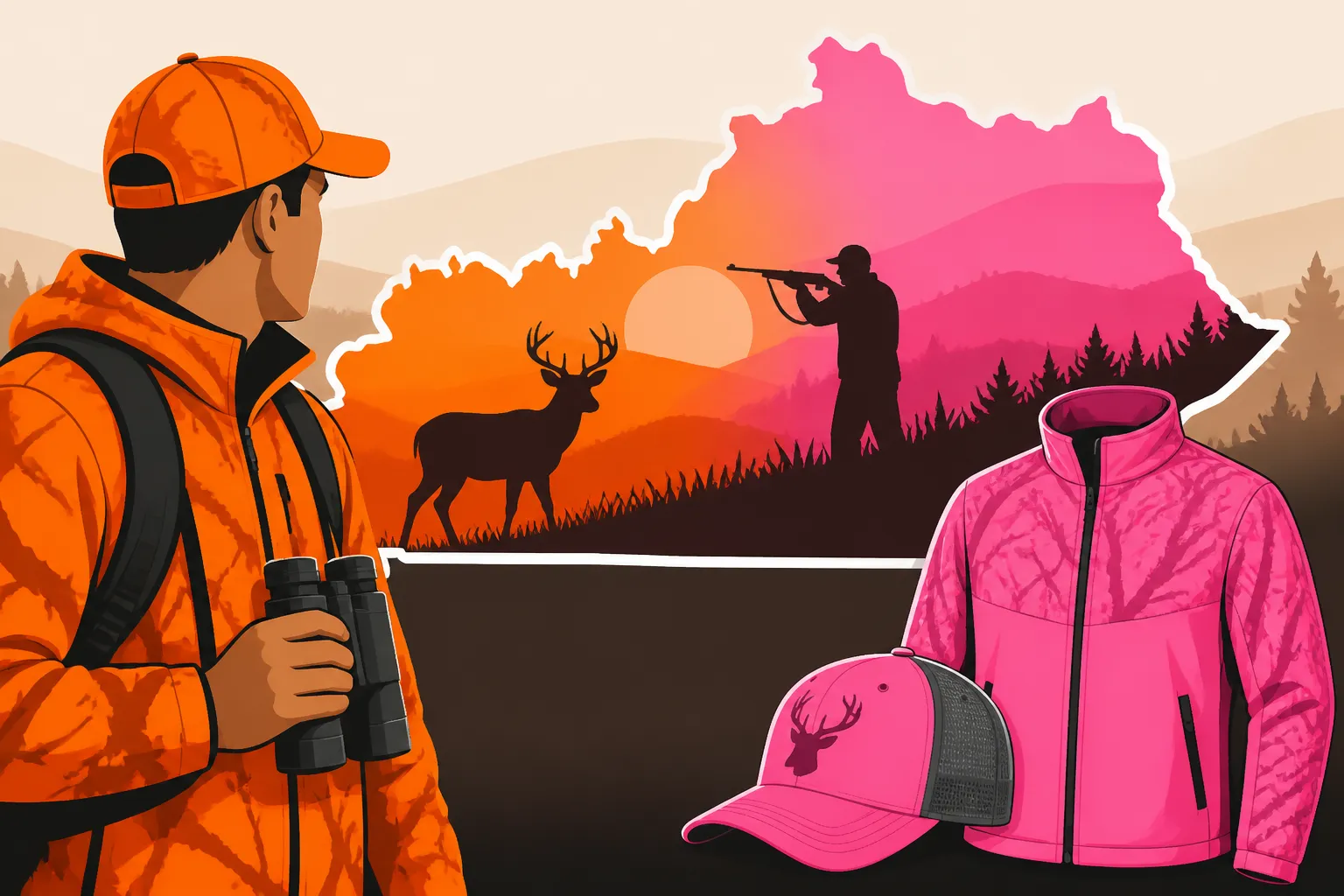
Kentucky's regulations are pretty clear when it comes to the minimum amount of blaze orange or pink required. You need to wear a visible outer garment that covers your head and body, excluding hands and feet, and that is a minimum of 500 square inches of solid, unbroken fluorescent orange or pink material. Think about that: 500 square inches. That's a lot more than a small patch on a camo jacket. This typically means a solid blaze orange or pink hat and a vest or jacket.
The emphasis here is on "solid" and "unbroken." This means that camouflage patterns with small orange accents usually don't cut it. While some camo patterns incorporate large blocks of blaze orange that might meet the square inch requirement, the safest and most compliant approach is a solid vest or jacket. The hat must also be solid, not just a camo hat with an orange logo. The idea is to create a large, unmistakable block of color that stands out from the natural environment. When you're Hunting Pressure on Kentucky Public Land, especially during peak gun seasons, ensuring you meet or exceed these minimums is paramount. It’s not just about checking a box; it’s about making sure you’re seen from all angles, whether you’re walking, standing, or sitting. Before heading out, lay out your gear and make sure your chosen hat and vest/jacket combine to meet that 500 square inch threshold.
Acceptable Materials and Colors
When the regulations specify "blaze orange" or "fluorescent orange," they aren't talking about just any shade of orange. There's a distinct difference between, say, a safety orange construction vest and true hunter's blaze orange. Blaze orange is a specific, highly fluorescent hue that reflects a greater amount of light, making it exceptionally bright and noticeable, especially in the woods. It's designed to grab attention immediately. Similarly, blaze pink, as we'll discuss, also meets this high-visibility standard.
The material itself doesn't have specific requirements beyond being an outer garment, but practical considerations come into play. You want something durable enough for the woods, quiet so it doesn't rustle too much, and able to withstand various weather conditions. Many hunting brands offer excellent blaze orange and pink options in various materials, from quiet fleece to rugged canvas or waterproof synthetics. When you're looking for Clothing for a Kentucky Late Season, for instance, you'll want to ensure your blaze orange or pink outer layer is compatible with your insulation and rain gear. GoHunt, for example, often features articles and gear reviews that can help you sift through the options, highlighting items that meet both regulatory standards and practical hunting needs. The key is to avoid anything dull or faded, as its visibility is compromised. Always opt for that vivid, almost glowing, shade that truly screams "hunter!"
Kentucky's Embrace of Blaze Pink
For years, blaze orange was the only color option for mandatory hunter visibility. However, Kentucky, like many other states, has recognized the value of expanding choices, leading to the introduction of blaze pink. This move has been welcomed by many, offering hunters more flexibility while maintaining critical safety standards.
The Introduction of Blaze Pink to Kentucky Hunting
The decision to allow blaze pink as an alternative to blaze orange in Kentucky hunting regulations was a thoughtful one, driven by a desire to offer more choices and potentially encourage participation, particularly among women and youth. This legislative change recognized that while blaze orange is highly effective, personal preference and comfort play a significant role in gear selection. The science behind blaze pink is sound: it performs just as effectively as blaze orange in terms of human visibility.
Research has shown that fluorescent pink, like fluorescent orange, contrasts sharply with natural green and brown landscapes, making it easily detectable by the human eye. To deer, just like blaze orange, it appears as a muted shade, not a bright, alarming beacon. The core goal of hunter visibility is human-to-human recognition, and blaze pink achieves this with flying colors. This forward-thinking approach provides hunters with an option that is both fashionable for some and functionally equivalent for safety. It means whether you choose blaze orange or blaze pink, you're equally protected and compliant with the spirit of the law, which is ultimately about preventing accidents. It's a testament to the KDFWR's commitment to modernizing hunting regulations while keeping safety at the forefront.
Benefits and Considerations of Blaze Pink
The introduction of blaze pink offers several clear benefits. Foremost among them is personal choice. Hunting gear, like any other clothing, allows for an expression of individual style, and having more color options can make the experience more appealing for a broader range of participants. For some, blaze pink is simply more aesthetically pleasing, and if a hunter feels more comfortable and confident in their gear, they're more likely to embrace and consistently wear the required safety colors. This can be particularly true for youth hunters, who might be drawn to the unique color, fostering a positive early hunting experience.
From a practical standpoint, the considerations for blaze pink are essentially identical to those for blaze orange. It must meet the same 500 square inch minimum, be a solid, fluorescent color, and worn as an outer garment covering the head and body. There are no functional disadvantages to blaze pink compared to blaze orange regarding visibility to humans or game. Any debate regarding its effectiveness is largely rooted in aesthetic preference or tradition, rather than scientific fact. Both colors serve the same vital purpose: making hunters highly visible to other hunters, reducing the risk of misidentification. So, whether you opt for the classic blaze orange or the vibrant blaze pink, you’re making a safe and legal choice in Kentucky.
Practical Tips for Maximizing Hunter Visibility
Meeting the minimum requirements for blaze orange or pink is a great start, but savvy hunters know that safety often goes beyond the bare minimum. There are smart, proactive steps you can take to enhance your visibility and further reduce risk, especially in challenging hunting environments.
Beyond the Minimum: Smart Visibility Practices
While Kentucky mandates a minimum of 500 square inches of solid blaze orange or pink, consider this a baseline, not a maximum. Especially if you're hunting in areas known for high Hunting Pressure on Kentucky Public Land or in dense cover where visibility can be limited, wearing more than the minimum can be a truly wise decision. Think about adding a solid blaze orange or pink backpack cover, or even choosing a full jacket instead of just a vest over a non-orange layer. The goal is to maximize the amount of bright, contrasting color you present from all angles.
When still-hunting or moving through thickets, remember that a vest might get obscured by brush. A hat is crucial because it’s often the highest point of your body and visible even when you're crouched or behind cover. If you plan on sitting in a ground blind, remember to put your blaze orange or pink back on when you exit the blind or when moving around. While Using a Ground Blind on Kentucky Public Land can conceal you from game, it also conceals you from other hunters until you step out. Always assume there are other hunters in the woods, even if you haven't seen them. Making yourself as obvious as possible is always the safest bet.
Other Factors Affecting Visibility
Visibility isn't just about the color you wear; it's also about the conditions you're hunting in. Environmental factors play a huge role in how well your blaze orange or pink stands out. Fog, rain, and snow can significantly reduce visibility, making your bright clothing appear duller or less distinct. In these conditions, having extra surface area of blaze orange or pink becomes even more important. Similarly, at dawn and dusk, when light levels are low, the fluorescent properties of these colors help them remain visible longer than traditional colors, but their intensity will still be diminished.
Consider the background: in a snow-covered landscape, blaze orange or pink will pop dramatically. Against vibrant fall foliage, it might blend slightly more, but still stands out due to its unique fluorescent quality. When hunting in open fields or clear-cuts, you're generally more visible, but in dense, dark timber or deep hollows, light penetration is poor, and your chosen color needs to work harder. Always be mindful of these variables and adjust your strategy. If the weather turns foul, or if you find yourself in particularly heavy cover, take an extra moment to ensure your visibility is optimized. This proactive thinking is a hallmark of responsible hunting and helps ensure that everyone returns home safely.
Selecting Your Gear: Brands and Styles
Choosing your blaze orange or pink gear involves more than just picking a color; it's about finding quality, comfort, and functionality that suits your hunting style and the Kentucky environment. A piece of gear that meets the legal requirements but is uncomfortable or poorly made won't serve you well in the long run.
Finding Quality Blaze Orange and Pink Gear
When it comes to purchasing blaze orange or pink hunting gear, investing in quality pays off. You want garments that are durable, quiet, and designed for hunting conditions, not just a cheap safety vest. Reputable hunting brands offer a wide range of options, from lightweight vests for early season archery overlaps to insulated jackets perfect for Clothing for a Kentucky Late Season. Look for gear at dedicated hunting retailers, both brick-and-mortar stores and online platforms. These specialized outlets are more likely to carry items that not only meet the legal color and coverage requirements but also incorporate features hunters value, like quiet fabrics, scent control, and weather resistance.
Before you buy, it’s worth doing a little research. Sites like GoHunt often provide detailed reviews of various hunting products, including safety gear, and can offer insights into durability, fit, and specific features. You'll want to ensure the material is robust enough to withstand brush and briars, and that the sizing allows for comfortable layering underneath. Don't be afraid to try things on and move around in them. A vest that feels restrictive or a hat that won't stay put is not only annoying but can also be a safety hazard if it impedes your movement or falls off. Remember, this gear is a critical part of your safety kit, so choose wisely.
Matching Gear to Hunt Type
Your choice of blaze orange or pink gear can also be influenced by the type of hunting you'll be doing. A still-hunter, for example, prioritizes quiet movement. For them, a soft, fleece-lined blaze orange or pink vest or jacket would be ideal, reducing noise as they navigate through the woods. On the other hand, someone participating in a deer drive might opt for a more rugged, perhaps waterproof, vest that can withstand heavy brush and keep them dry. Hunters sitting for extended periods in a treestand will need their blaze orange or pink outer layer to be compatible with their Layering for a Kentucky Deer Stand system, allowing for warmth and comfort without sacrificing visibility.
Consider what you're targeting as well. While the blaze orange/pink rule primarily applies to big game firearms seasons, understanding the specific Kentucky Deer Management Zone Rules for your area might influence how much extra visibility you want to add, especially if hunting pressure is known to be high. If you're Hunting the Kentucky Rut in Early November when deer movement is often sporadic and unpredictable, making yourself highly visible is critical during those times of increased activity. The versatility of modern hunting apparel means you can find blaze orange and pink options that integrate seamlessly into almost any hunting scenario, ensuring you stay safe and comfortable without compromising your pursuit.
To help you remember the key differences and requirements, here's a quick overview:
| Feature | Blaze Orange | Blaze Pink |
|---|---|---|
| Visibility | Highly visible to humans, muted to deer | Equally highly visible to humans, muted to deer |
| Legality | Fully compliant with Kentucky regulations | Fully compliant with Kentucky regulations |
| Minimum Sq. In. | 500 sq. inches | 500 sq. inches |
| Coverage | Outer garment covering head and body (excluding hands/feet) | Outer garment covering head and body (excluding hands/feet) |
| Material | Solid, fluorescent | Solid, fluorescent |
| Purpose | Prevents misidentification, enhances hunter safety | Prevents misidentification, enhances hunter safety |
| Why Choose? | Traditional, proven, widely available | Personal preference, modern option |
Remember that adhering to these rules is not just about avoiding a ticket; it's about protecting yourself and your fellow hunters. Take the KDFWR’s Who Needs Kentucky Hunter Education seriously, and let the lessons learned about safety guide your choices in the field.
Disclaimer
This article is for general informational purposes only and does not constitute professional advice. Laws, prices and regulations vary by location and change over time. Consult a qualified professional for guidance on your specific situation.