Hunting Kentucky’s Record Elk Herd
Drawing a coveted Kentucky elk tag is, for many hunters, the culmination of years of hopeful applications and dreaming. The excitement is palpable, but it's quickly followed by the daunting reality of preparing for a hunt unlike almost any other in the eastern United States. This guide aims to unravel the complexities, validate the challenges you'll face, and equip you with the knowledge needed to pursue Kentucky's magnificent, record-class elk with confidence and purpose.
The Dream of a Kentucky Elk Tag: Understanding the Odds
Let's be real: getting a Kentucky elk tag feels like winning the lottery, and for good reason. The Kentucky Department of Fish and Wildlife Resources (KDFWR) has done an incredible job rebuilding this herd, creating an amazing opportunity, but that success means competition is fierce. You're not alone in applying year after year, hoping your number finally comes up. It’s a testament to the quality of the herd that so many people are willing to put in the time and money for a chance.
The Application Process and Why It's So Competitive
The annual application period is a ritual for thousands of hunters, both residents and non-residents, all vying for a limited number of permits. If you've ever found yourself meticulously checking your bank account around the Kentucky Elk Application Window Dates expecting to see a draw charge, you understand the emotional rollercoaster. The sheer volume of applicants against the relatively small number of available permits — usually around 500 across all categories — creates astronomically low draw odds. This isn't like applying for a deer tag where you're almost guaranteed to get one; this is a true quota hunt.
What makes it so tough? Well, Kentucky boasts the largest elk herd east of the Mississippi River, with a population estimated to be well over 10,000 animals. This isn't just any elk herd; it's a thriving, robust population that regularly produces massive bulls that make national headlines. Naturally, everyone wants a piece of that action. The KDFWR uses a weighted lottery system, which means the more years you apply unsuccessfully, the more chances you accumulate, increasing your odds slightly over time. But even with preference points, it can feel like a lifetime before your name is called. The frustration is real when you see someone new to the game draw a tag on their first try, while you've been at it for a decade. But remember, every year you apply for a Kentucky elk permit you're investing in that future possibility, and it's absolutely worth it when it finally pays off.
Permit Types and What They Mean for Your Hunt
Once you've beaten the odds and drawn a tag, the type of permit you received will largely dictate your strategy and experience. Kentucky offers three main types of elk permits: bull firearm, cow firearm, and either-sex archery/crossbow. Each comes with its own season dates, challenges, and rewards. Understanding these Bull, Cow and Either-Sex Elk Permit Types is crucial for planning your hunt.
A bull firearm tag is, for many, the ultimate prize. These permits allow you to pursue any antlered bull during the modern gun season, typically in early fall. The anticipation of hearing a bugle echo through the Kentucky mountains and then working to close the distance on a mature bull is an experience few forget. However, bull tags are the rarest and most sought-after, making them the hardest to draw. If you're lucky enough to hold one, your focus will be on finding fresh sign, listening for bugles, and being prepared to navigate steep, thick terrain where these magnificent animals often hide.
Cow firearm permits are more numerous and offer a different, but equally challenging, hunt. Cow seasons are often later in the fall or early winter, and while you won't be chasing bugles, the opportunity to fill your freezer with prime elk meat is outstanding. Hunting cows requires keen observational skills, focusing on herd movements, food sources, and bedding areas. It's often a more strategic, less adrenaline-fueled hunt than pursuing bulls, but it demands just as much skill and effort.
Finally, the either-sex archery/crossbow season provides a unique opportunity to hunt during the early archery season, typically in September. This can be a fantastic time to catch elk in their rutting phase, offering bowhunters the chance to call in a bull or ambush a cow. The challenge here is getting within bow range in thick cover, which requires stealth, patience, and a deep understanding of elk behavior. The advantage of an either-sex tag is flexibility; you can choose to target a bull if the opportunity arises, or focus on a cow for meat. This blend of options makes it a highly appealing permit for archers, despite the inherent difficulties of bowhunting elk in mountainous terrain.
| Permit Type | Season Dates (Typical) | Primary Objective | Hunting Style | Odds of Drawing (Relative) |
|---|---|---|---|---|
| Bull Firearm | Late Sept – Early Oct | Trophy Bull | Bugling, spot-and-stalk | Very Low |
| Cow Firearm | Late Oct – Mid Nov | Meat Harvest | Spot-and-stalk, still-hunting | Low to Moderate |
| Either-Sex Archery/X-Bow | Mid Sept | Trophy Bull or Meat Harvest | Calling, ambush, spot-and-stalk | Moderate |
Where the Giants Roam: Navigating Kentucky's Elk Restoration Zone
Kentucky's elk population is a true conservation success story, thriving in the rugged, reclaimed strip-mine lands and dense forests of the southeastern coalfields. This unique landscape, a mosaic of steep mountains, regenerating timber, and open grasslands, provides ideal habitat for elk. But for a hunter, it presents a maze of challenges and opportunities that demand careful preparation and navigation. Understanding this landscape is paramount to a successful hunt.
Understanding Kentucky's Seven Elk Hunting Units (EHUs)
The entire Elk Restoration Zone in southeastern Kentucky is divided into seven distinct Elk Hunting Units (EHUs). Each unit has its own unique topography, habitat characteristics, and access points, and hunters are typically restricted to the unit specified on their permit. This is not a "hunt anywhere in the zone" situation. So, after you draw your tag, your first step is to thoroughly research your assigned unit. The KDFWR provides maps and basic information, but truly understanding your EHU requires more.
For example, EHU 1, which encompasses parts of Bell, Knox, and Leslie counties, includes vast tracts of Daniel Boone National Forest and privately owned timberland, often characterized by extremely steep, heavily timbered ridges and hollows. This is classic mountain hunting, where elevation changes are constant and cover is dense. In contrast, units like EHU 3 (parts of Harlan, Letcher, and Pike counties) often feature more reclaimed strip-mine land, creating expansive, open grasslands interspersed with pockets of woods and steep highwalls. These areas might offer better glassing opportunities but can also mean longer retrieves and fewer natural hiding spots. Knowing whether you're heading into thick timber or more open country will drastically influence your gear choices, scouting strategy, and even your physical training. It’s not just about finding elk; it’s about understanding their specific preferences within the micro-habitats of your unit, and how they interact with that terrain. Each unit, from the vastness of EHU 1 to the more varied landscape of EHU 7, presents its own unique puzzle.
Public vs. Private Land Access for Elk Hunters
Successfully Hunting Kentucky's Elk Restoration Zone often hinges on understanding and leveraging access, whether it's through public lands or gaining permission on private property. Both come with their own set of pros and cons, and often, the most successful hunters employ a combination of strategies.
Public lands within the Elk Restoration Zone include portions of Daniel Boone National Forest and several Wildlife Management Areas (WMAs). These areas offer open access, but they also tend to see higher hunting pressure, especially on opening day. Imagine parking at a popular trailhead only to find a dozen other trucks already there; it’s a common frustration. However, if you're willing to hike deep into the backcountry, away from roads and easily accessible areas, you can often find unpressured elk. Utilizing mapping tools like those offered by GoHunt can be invaluable here. Their detailed satellite imagery and public/private land overlays help you identify potential entry points, hidden benches, and remote pockets of public land that other hunters might overlook. Scouting with these tools beforehand can make a huge difference in avoiding the crowds. You might also find yourself on multi-use trails, so be aware of other recreationalists, though during hunting season, most are respectful of hunters.
Private land, on the other hand, can offer exclusive access to prime habitat with less pressure. Much of the Elk Restoration Zone is checkerboarded with private land, often owned by timber companies, mining operations, or individual landowners. Gaining permission on these tracts can be gold. It often involves respectful door-knocking, researching land ownership (again, tools like GoHunt can provide landowner information in some cases), and building relationships. Many landowners are receptive to hunters, especially if they are experiencing crop damage or simply want to help manage the herd. Remember to always ask for explicit written permission if possible, and be respectful of any rules the landowner sets. Access can also mean navigating old logging roads or reclaimed mine haul roads, which may or may not be open to vehicle traffic, adding another layer of complexity to getting into your hunting spot.
Gear Up for the Mountains: Essential Equipment for Elk Hunting
Hunting Kentucky's elk herd isn't a casual stroll in the woods. This is serious mountain hunting, and your gear needs to be up to the task. From the weapon you carry to the boots on your feet, every piece of equipment plays a critical role in your success and safety. Skimping on quality here can turn a dream hunt into a miserable, or even dangerous, experience.
Rifles, Bows, and Muzzleloaders: Choosing Your Weapon
The choice of weapon for your Kentucky elk hunt is deeply personal, but it also needs to align with the regulations and the demanding nature of the terrain. Regardless of your preference, ethical shot placement and sufficient stopping power are paramount.
For rifle hunters, selecting an appropriate caliber is crucial. While Kentucky's regulations are fairly broad, you'll want something that delivers a knockout punch to a large, resilient animal like an elk. Calibers like the .30-06 Springfield, .300 Winchester Magnum, 7mm Remington Magnum, and even the popular 6.5 Creedmoor (with appropriate bullet selection) are all excellent choices. When considering Rifles Built for a Southeastern Elk Hunt, think about shot distances; while you might get a long shot on an open reclaimed field, most shots in the timber will be under 200 yards. A rifle that you can shoot accurately and confidently, rather than the biggest magnum, will always be the best choice. Practice shooting from various positions – standing, kneeling, off a pack – because finding a perfect bench rest might not happen in the heat of the moment on a steep hillside. Durability is key too; your rifle will take a beating in this environment, so choose one that can withstand rough treatment.
Bowhunters face the added challenge of getting within spitting distance of a wary elk. This often means extreme patience and mastery of calling. A compound bow with a draw weight of 60-70 pounds is standard, ensuring enough kinetic energy to penetrate an elk's tough hide and dense bone structure. Broadhead selection is critical; many experienced elk hunters prefer fixed-blade broadheads for their reliability and penetration, though some mechanicals are designed for larger game. For those using a crossbow, the same principles apply regarding power and broadhead choice. The early archery season in September can be hot, so scent control and quiet clothing are absolute musts. The advantage of archery is the ability to hunt during the bugle, creating some of the most intense and thrilling encounters imaginable.
Muzzleloaders also have their place in Kentucky's elk season, typically during a dedicated early season weekend or during modern gun. If you're using a muzzleloader, focus on accuracy and reliability. Modern in-line muzzleloaders with saboted bullets are common, offering impressive accuracy and power. Keeping your powder dry in Kentucky's often damp and humid climate is a constant battle, so invest in waterproof cases for your primers and powder, and practice quickly reloading in challenging conditions. The satisfying boom of a muzzleloader in the mountains, knowing you've connected on an elk with a primitive weapon, is a profound experience.
Optics and Scouting Tools: Seeing the Unseen
In the expansive and often heavily vegetated terrain of Kentucky's Elk Restoration Zone, quality optics aren't just a luxury; they're a necessity. You might spend hours glassing distant ridges, old strip cuts, or thick timber, and your eyes will thank you for investing in good glass.
A high-quality pair of binoculars (10×42 or 12×50 are popular choices) will be your most used tool. They're essential for picking apart distant hillsides, identifying subtle movements, and confirming whether that dark spot is a shadow or an elk's rump. Don't skimp here; clear, bright images in low light can mean the difference between spotting an elk just before legal shooting light and walking past it. Carrying a lightweight but sturdy tripod for your binoculars can also be a game-changer, especially for prolonged glassing sessions in open areas or when trying to locate animals on distant slopes. For covering vast expanses of reclaimed mine land, a spotting scope (20-60x or higher) becomes incredibly useful for identifying antler points on a distant bull or confirming if that brown blob is indeed an elk or just a deer. When hunting the more open areas, you'll find Optics for Glassing Reclaimed Mine Land are indispensable.
A reliable laser rangefinder is another non-negotiable item. Elk are large animals, and it's easy to misjudge distances in mountainous terrain. Knowing the exact range to your target will help you make precise shots and avoid ethical misses. Modern rangefinders often include angle compensation, which is incredibly helpful when shooting uphill or downhill, a frequent occurrence in Kentucky's rugged landscape.
Finally, in the age of technology, your phone or a dedicated GPS unit, loaded with mapping apps, is indispensable. Apps like those from GoHunt (or OnX, BaseMap) offer detailed topographic maps, satellite imagery, and public/private land ownership overlays. These tools allow you to identify potential bedding areas, food sources, water holes, and most importantly, plan your routes in and out of your hunting area. You can drop pins for sign you find, mark tracks, and even track your own movement, which is critical for navigating in dense fog or after dark. Ensure you download offline maps, as cell service is often non-existent in the remote areas where elk roam. A portable power bank is also a smart addition to keep your devices charged throughout the hunt.
Strategies for Success: From Scouting to the Shot
Drawing an elk tag is just the beginning; the real work starts now. Hunting Kentucky's elk herd demands a multi-faceted approach, blending thorough pre-season preparation with on-the-fly adaptability. Success in this challenging environment often comes down to meticulous planning and a willingness to put in the hard miles.
Pre-Season Scouting: Unlocking Elk Movement
Effective pre-season scouting is arguably the most critical component of a successful Kentucky elk hunt. You can't just show up a day before the season and expect to be in elk; these animals are too smart and the terrain too complex. This isn't just about finding a spot; it's about finding the right spot, which means understanding elk movement patterns, preferred habitats, and current food sources.
Start your scouting efforts long before the season opens, ideally in the spring or summer. This allows you to explore your assigned EHU without the pressure of hunting season, identifying key features like bedding areas (often on south-facing slopes for warmth, or thick north-facing slopes for cooling), primary food sources (lush grasses on reclaimed land, acorns in oak stands, browse in clear-cuts), and water sources (springs, small creeks, or ponds). Use your mapping apps to identify potential travel corridors, pinch points, and saddles that elk might use to navigate the steep terrain. Look for old rub lines, fresh tracks, and droppings – any sign that indicates consistent elk activity. Learning to read Kentucky mud for fresh deer movement will serve you well for elk too.
Trail cameras, where legal and allowed, can be invaluable for monitoring elk activity without being present. Set them up on active trails, near water sources, or along edges of fields where elk might enter. Pay attention to the time of day elk are moving, their size, and direction of travel. This data can help you narrow down your hunting areas significantly. Remember that elk behavior can shift with weather patterns, hunting pressure, and changing food availability, so your pre-season scouting should ideally extend right up until opening day, if possible. Don't forget to study Kentucky Elk Calf Survival Rates and other herd health indicators, as they can hint at population density and overall vigor.
Calling Elk: The Thrill and the Art
Few things in hunting are as exhilarating as communicating with a wild elk, and calling plays a significant role in many Kentucky elk hunts, especially for bull and either-sex tags during the early season. It's not just about making noise; it's about understanding elk language and knowing when and how to deploy different calls to elicit a response or draw an animal closer.
During the September archery season, bulls are often vocal as the rut kicks in. Learning to use a bugle tube effectively is crucial. A strong, confident bugle can challenge a bull, making him reveal his location or even come charging in to confront a perceived rival. However, not every bugle is the same. There's a subtle art to mimicking a mature bull, a younger satellite bull, or even a cow to get the desired reaction. Simultaneously, mastering various cow and calf calls is equally, if not more, important. A series of soft mews and chirps can reassure a herd, convince a bull that there's a receptive cow nearby, or help you locate other elk without alarming them.
The key to Calling a Southeastern Kentucky Bull Elk is situational awareness. Are you bugling into a known bedding area in the middle of the day, or are you trying to locate animals at first light? Are you dealing with a hot, aggressive bull, or a more cautious one? Sometimes, silence and patience, combined with listening intently, can be more effective than constant calling. If you do get a response, pay close attention to the tone and intensity of the elk's call; it can tell you a lot about its mood and proximity. Learning to blend calling with slow, quiet movement, always being mindful of the wind, is how you turn a distant bugle into a shot opportunity.
Still-Hunting and Spot-and-Stalk in Rugged Terrain
While calling is exciting, still-hunting and spot-and-stalk tactics are often the bread and butter of consistently successful elk hunters in Kentucky, especially when dealing with pressured animals or during seasons when bulls are less vocal. This approach requires immense patience, stealth, and a deep understanding of the terrain.
Still-hunting involves moving incredibly slowly and deliberately through the woods, pausing frequently to look and listen. Think of it as stalking an area, rather than simply walking through it. Take a few steps, then stop for several minutes, scanning every shadow, every cluster of trees, and every movement. Utilize natural cover to break up your outline, and always move into the wind or a crosswind to keep your scent from reaching wary elk. In the dense timber and thickets that characterize much of the Elk Restoration Zone, still-hunting allows you to pick apart the cover, detect subtle movements, and often surprise elk at close range. It's physically demanding, as you're constantly negotiating uneven ground, fallen timber, and dense brush while trying to remain silent.
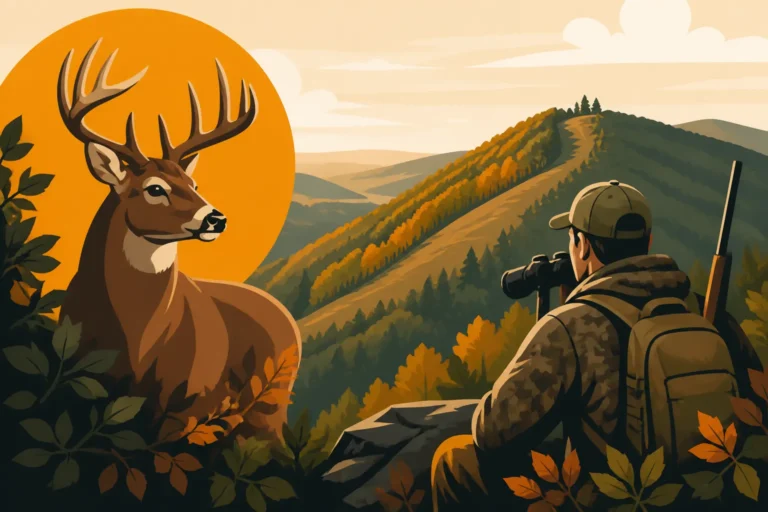
Spot-and-stalk is particularly effective in the more open, reclaimed strip-mine areas. This strategy involves finding a high vantage point at first light or last light and using your binoculars and spotting scope to glass vast expanses for feeding or bedding elk. Once you spot an animal or a herd, the real challenge begins: planning your approach. This requires careful consideration of wind direction, terrain features that offer cover, and the elk's likely escape routes. You might need to make a wide, circuitous detour to get into a favorable position, often moving through steep, unforgiving country. This is where detailed mapping and understanding the lay of the land truly pays off. A successful stalk can take hours, involving crawling, waiting for elk to move behind cover, and inching your way closer until you're within shooting range. It's a game of chess against an animal with incredible senses and an innate understanding of its environment.
The Physical and Mental Grind: Preparing for a Mountain Hunt
Hunting Kentucky's elk is not a casual endeavor. It's a physically and mentally demanding pursuit that will test your limits. The rugged topography, dense cover, and the sheer size of the animals mean that preparation extends far beyond just sighting in your rifle or practicing your calls. Without adequate conditioning, even the most skilled hunter can find themselves overwhelmed by the challenge.
Physical Conditioning: More Than Just Walking
Let's face it: the terrain in the Elk Restoration Zone is brutal. It's a constant cycle of steep climbs, treacherous descents, and navigating thick, often thorny, undergrowth. You'll be crossing old strip mine benches, slogging through creek bottoms, and scrambling up hillsides that feel like vertical walls. If you thought deer hunting in Kentucky was tough, elk hunting is on another level. This isn't just about being able to walk a few miles; it's about being able to walk five to ten miles a day, sometimes with a heavy pack, up and down thousands of feet of elevation, all while maintaining the focus and stamina needed to make a clean shot.
Your physical training needs to mimic these demands. Forget just running on a flat treadmill. Start hitting the stairs, find the steepest hills in your area, and hike them repeatedly, preferably with a weighted pack. Lunges, squats, and step-ups will build the leg strength crucial for those endless climbs and controlled descents. Core strength is often overlooked but vital for stability when carrying a pack and for maintaining good shooting form. Cardiovascular fitness is paramount; you'll be huffing and puffing, but you need your heart and lungs to recover quickly so you can settle your breath for a shot. Consider incorporating activities like rucking, where you walk long distances with a weighted backpack. Even better, if you can access mountains or even steep terrain with varying ground, start training there. Your body will thank you when you're 4 miles deep into the Daniel Boone National Forest, glassing for elk with burning lungs and weary legs.
Mental Fortitude: Dealing with Challenges
Beyond the physical strain, an elk hunt in Kentucky will test your mental resilience in profound ways. This isn't a guarantee; many hunters come home empty-handed, even after drawing a tag. The odds are still against you, and managing those expectations is key. You might spend days hiking hard, glassing endlessly, and calling your heart out, only to see nothing but deer and squirrels. That can be incredibly demoralizing.
The mental game involves patience, persistence, and an unwavering belief that success is possible, even when all signs point otherwise. You'll deal with frustrating moments: a bugling bull that suddenly goes silent, an elk you've stalked for hours disappearing into a thicket, or hitting a wall of impenetrable laurel thickets just before reaching a prime area. The weather can also be a significant factor, from scorching early-season heat that saps your energy to sudden cold fronts or torrential rain that make conditions miserable. You need to be able to push through discomfort, stay positive despite setbacks, and maintain focus throughout the long days. Having a strong hunting partner can be invaluable for morale, as you can lean on each other during tough moments. Remember that the hunt itself, the experience of being in wild Kentucky elk country, is a reward in its own right, regardless of whether you punch your tag.
After the Shot: Recovery, Processing, and Reporting
Congratulations, you've done it! You've connected on a Kentucky elk. But the hunt isn't over yet. In fact, some of the most challenging and critical work begins now. Properly recovering, processing, and reporting your elk ensures a swift, ethical conclusion to the hunt and respects the regulations designed to manage this incredible resource.
Tracking and Recovery in the Elk Zone
An elk, even when mortally hit, is a tough animal and can travel a surprising distance, especially in the rugged terrain of the Elk Restoration Zone. Your first priority after the shot is always ethical tracking and recovery. Give the animal time, if the shot dictates, but don't wait so long that the meat spoils, particularly if it's a warm day. If you saw the elk go down, great! But often, you'll need to follow a blood trail.
Begin by marking your shot location carefully, noting landmarks. Then, meticulously pick up the blood trail, moving slowly and systematically. Elk are large, so they generally leave a good blood trail, but the dense leaf litter and thick undergrowth of Kentucky can make it challenging. Look for disturbed vegetation, broken branches, and hair from the impact site. If the trail is sparse, expand your search pattern in the direction the elk was traveling. Use flagging tape or toilet paper to mark the trail periodically, allowing you to easily return to the last sign found if you lose the trail. A good headlamp is essential if you find yourself tracking after dark, as Blood Trailing After Dark in Kentucky can be slow and difficult. The sheer size of an elk means it can be an arduous task, but a lost animal is the worst outcome, so persistence is key. Enlisting the help of your hunting partners is also a smart move, as multiple sets of eyes are always better.
Field Processing and Meat Care in the Backcountry
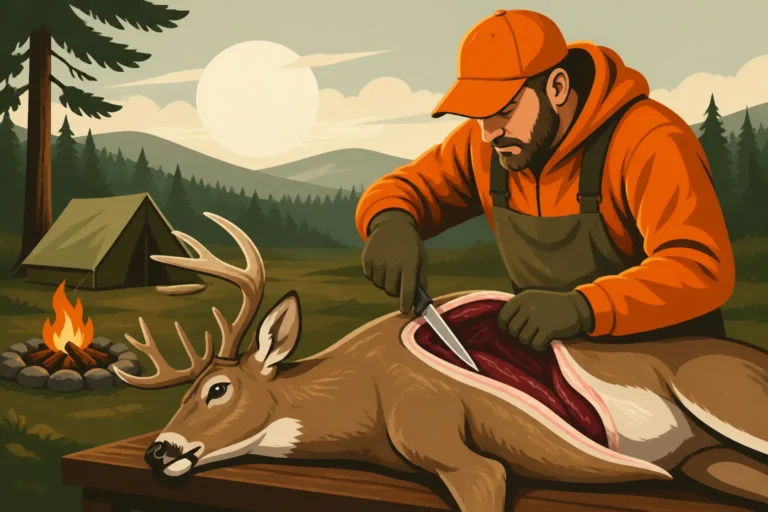
Once you've located your elk, the reality of its size will set in. You can't just throw a full-grown elk over your shoulder. Field processing is almost always necessary, especially if you're deep in the backcountry. This is where your physical conditioning and proper gear truly pay off. You'll need a sharp, sturdy field dressing knife, a bone saw (or knowledge of the gutless method), and plenty of game bags.
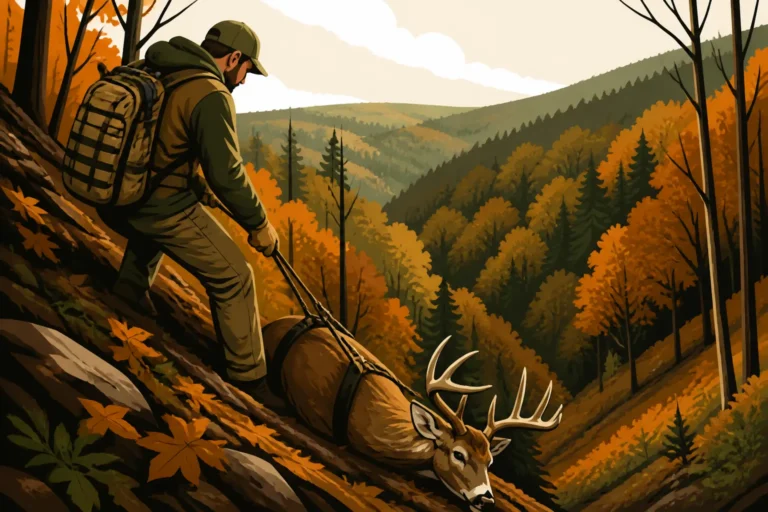
The "gutless method" is often preferred for elk in the backcountry, as it avoids opening the body cavity and allows you to quarter the animal into manageable pieces while leaving the gut pile intact. This means less mess, less weight to haul, and less chance of contaminating the meat. Start by removing the backstraps, then the front shoulders, hindquarters, and tenderloins. Keep the meat as clean as possible, wiping away dirt or debris. Once quartered, place the meat directly into breathable game bags to protect it from flies and allow it to cool quickly. Cooling the meat as rapidly as possible is absolutely critical, especially on warmer early-season hunts, to prevent spoilage. If you're several miles from your vehicle, you'll need multiple trips with a good frame pack. Retrieving a deer from a steep hollow is tough; recovering an elk from similar terrain is an epic undertaking.
Reporting Your Harvest: Following KDFWR Regulations
Just as with deer or turkey, harvesting an elk in Kentucky comes with strict reporting requirements. This isn't just bureaucracy; it's vital for the KDFWR to accurately manage the herd, understand harvest numbers, and ensure the health of the population.
Immediately after recovering your elk, you must complete the harvest log on your permit. Then, within specific timeframes (typically by midnight on the day of harvest), you must telecheck your elk through the KDFWR's online or phone system. This process records your harvest and provides you with a confirmation number, which serves as your proof of legal harvest. Make sure you have all the necessary information readily available, including your permit number, date and time of harvest, county of harvest, and the gender of the elk. There may also be specific requirements for physical checking of elk, particularly concerning CWD testing, so be sure to check the latest KDFWR regulations specific to elk before your hunt. Adhering to these rules is not only legally required but also plays a crucial role in the ongoing success and responsible management of Kentucky's incredible elk herd.
Challenges and Rewards: The Reality of Kentucky Elk Hunting
Hunting Kentucky's record elk herd is an experience steeped in both immense challenge and profound reward. It's a journey that pushes hunters to their limits, but one that leaves an indelible mark, regardless of the outcome. Understanding these dynamics is part of embracing the full Kentucky elk hunting experience.
Overcoming Common Obstacles
While the Kentucky elk herd is a conservation marvel, hunting these animals is far from easy. One of the primary obstacles you'll face is hunting pressure. Although the number of permits is limited, the accessible public lands can still see significant hunter presence, especially on opening days. Finding ground others walk past becomes a key strategy. Elk are highly sensitive to pressure and will quickly move into the thickest, most remote cover when disturbed. This often means pushing deeper into the most unforgiving terrain, far from roads and trails, adding to the physical demand of the hunt.
Unpredictable weather is another constant challenge. Kentucky can experience drastic temperature swings, from hot, humid conditions in September to freezing rain and snow in late fall. You need to be prepared for anything, carrying appropriate layers, rain gear, and knowing how to stay comfortable and safe in adverse conditions. Fog can be particularly dense in the mountains, reducing visibility to mere yards and making navigation incredibly difficult. Furthermore, the terrain itself is an obstacle course of steep slopes, fallen timber, thick briar patches, and muddy creek bottoms. Even when you find elk, getting to them undetected and setting up for a shot can be a monumental task. The sheer difficulty of finding and harvesting a mature elk, especially a bugling bull, means you must be prepared for multiple days of intense effort without guaranteed success. It is not uncommon for hunters to return home without filling their tag, despite their best efforts and extensive preparation.
The Unforgettable Experience
Despite the myriad challenges, the rewards of hunting Kentucky's elk are immense and deeply personal. First and foremost, you are participating in a living testament to successful wildlife conservation. Just a few decades ago, elk were completely extirpated from Kentucky. To now stand in the mountains, listening to a bull bugle, is to witness a magnificent return, and it evokes a sense of pride and connection to the landscape.
The thrill of a Kentucky elk hunt is unparalleled. The heart-pounding anticipation as you stalk a bugling bull, the intense satisfaction of reading sign and outsmarting a wary cow, or simply the breathtaking beauty of the sun rising over the eastern Kentucky mountains while a herd of elk feeds in a reclaimed field – these are moments that etch themselves into your memory. It's an opportunity to test your skills, push your physical and mental boundaries, and connect with nature in a profound way. Even if you don't punch your tag, the lessons learned, the friendships forged, and the raw, unfiltered experience of being in wild elk country make it an unforgettable adventure. The pursuit itself, the journey of preparation and the time spent in the mountains, often becomes the most cherished part of the entire experience, solidifying the Kentucky elk hunt as a truly once-in-a-lifetime opportunity for those fortunate enough to draw a tag.
Disclaimer
Please note: Hunting regulations and seasons are subject to change. Always consult the most current Kentucky Department of Fish and Wildlife Resources (KDFWR) regulations before planning or undertaking any hunting activity. This guide is for informational purposes only and does not supersede official KDFWR rules and guidelines.