Why Kentucky Chose the Southeastern Coalfields
It's easy to look at Kentucky's thriving elk herd today and forget that just a few decades ago, these magnificent animals were completely absent from our landscape. Many folks wonder how we got here, and perhaps more specifically, why the southeastern coalfields became the undisputed champion for bringing elk back. This guide is going to walk you through the thought process, the landscape, and the incredible community effort that made the Kentucky elk restoration project one of the most successful conservation stories in the nation.
The Historical Context of Kentucky's Elk
Kentucky wasn't always just deer and turkey country. Our state was once home to a robust population of elk, stretching across much of the commonwealth. But like so many wildlife species, they faced relentless pressure from overhunting and habitat destruction as settlers moved in and cleared land for agriculture and timber.
A Vanished Giant and a Vision for Restoration
By the mid-1800s, the Eastern elk subspecies, which once roamed vast swathes of North America, was completely extirpated from Kentucky. They were simply gone. For generations, the only elk "seen" in Kentucky were in history books or on trips out West. It was a real loss, a piece of our natural heritage that had vanished. However, as conservation awareness grew in the late 20th century, a bold vision began to take shape: could we bring them back? The idea seemed almost impossible to some, but to a dedicated group of wildlife biologists and conservationists, it was a dream worth chasing. They looked at the landscape, particularly the vast, regenerating forests of the Appalachian foothills, and saw potential.
Early Efforts and Lessons Learned
Bringing back a large mammal like the elk isn't a simple task. It requires careful planning, significant resources, and a deep understanding of habitat requirements and potential challenges. Initial discussions involved studying successful reintroductions in other states and understanding the historical range of elk in Kentucky. They looked at areas with low human population density, ample cover, and diverse food sources. There were certainly other parts of the state that could have supported elk, but many had too much agriculture, too many roads, or populations of people who might not have been as receptive to sharing their backyard with such large animals. The goal was not just to release elk, but to establish a self-sustaining herd, one that would thrive and eventually allow for sustainable hunting opportunities, contributing to the state's conservation efforts. This careful consideration of location would prove paramount to the project's long-term success, laying the groundwork for what is now widely considered Kentucky's Record Elk Herd.
Why the Southeastern Coalfields Became the Obvious Choice
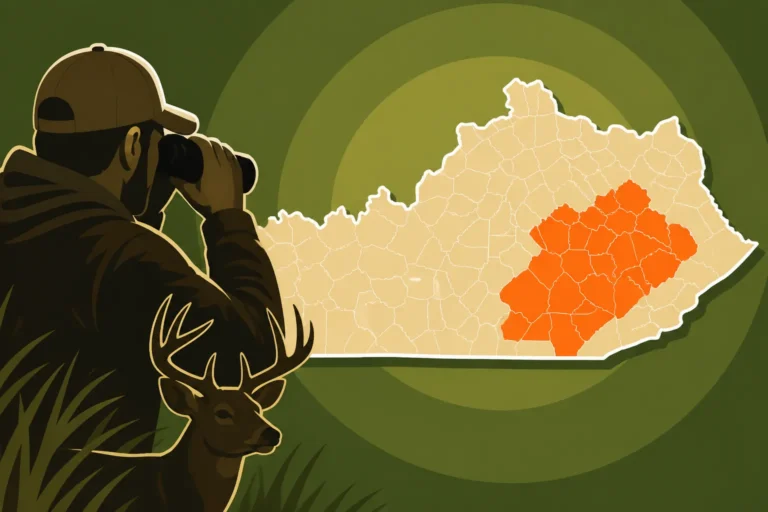
When you really dig into the details, the decision to focus on the southeastern coalfields for elk reintroduction wasn't just logical; it was almost providential. This region, often associated with its industrial past, offered a unique combination of factors that made it an ideal haven for elk.
Habitat: More Than Just Mountains and Trees
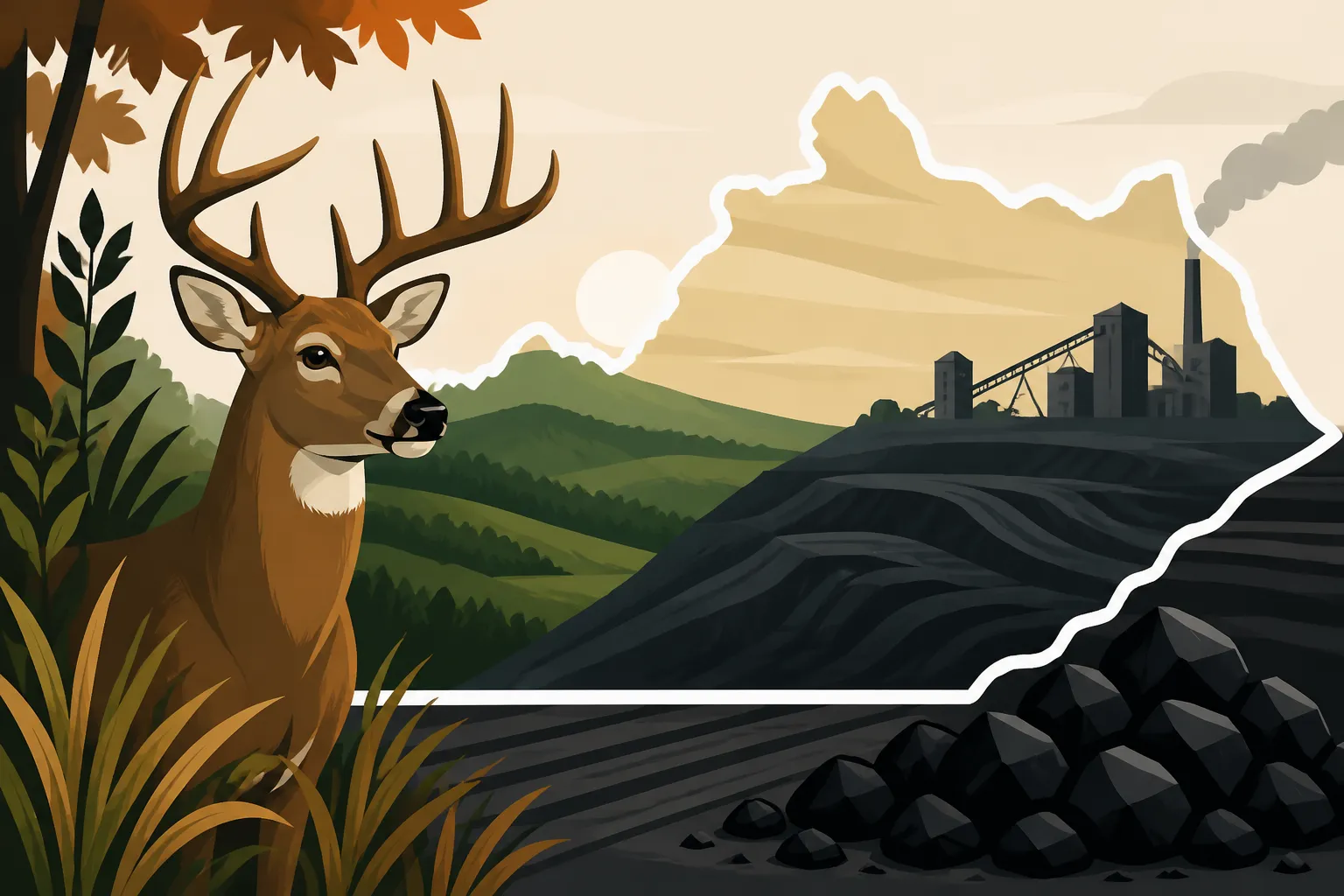
The primary driver for choosing the coalfields was, without a doubt, habitat. But it wasn't just generic "mountains and trees" that made it perfect. It was the specific character of that landscape. Many areas in southeastern Kentucky had been extensively mined for coal, particularly through surface mining. While often controversial at the time, once mining ceased, these lands underwent reclamation. This reclamation process, over decades, created a mosaic of habitats:
- Reclaimed Mine Lands: These areas, often characterized by gently rolling hills interspersed with steeper grades, provided open grasslands and early successional forests. Elk are grazers and browsers, and these reclaimed areas exploded with lush grasses, legumes, and forbs—essentially, a giant buffet for them. It was like nature's very own food plot on an epic scale, far more expansive than any hunter could ever manage.
- Diverse Forest Cover: Surrounding and interspersing these reclaimed lands were vast tracts of mature hardwood forests, offering critical cover for bedding, calving, and escape from weather or predators. The blend of open areas for feeding and dense woods for security is exactly what elk need to thrive.
- Abundant Water Sources: The region is crisscrossed with hollows, streams, and small rivers, ensuring a reliable water supply, which is crucial for a large animal like an elk, especially during dry spells.
- Rugged Topography: While challenging for humans, the steep, broken terrain of the Appalachian foothills provided natural barriers and sanctuaries, allowing elk to disperse and find secluded areas away from human disturbance. This ruggedness also meant less agricultural land, reducing potential conflicts with farming operations that plague elk populations in flatter, more arable regions. The decision to select this type of landscape was a significant factor in How Many Elk Live in Kentucky Today and their ability to expand their range.
Land Availability and Management Potential
Beyond the perfect ecological fit, the sheer scale of available land was a game-changer. Southeastern Kentucky boasts vast, interconnected tracts of forest, much of it owned by timber companies, large landowners, or held in the public trust through various state and federal entities like the Daniel Boone National Forest.
- Large Unbroken Tracts: Elk need space—lots of it. The fragmented land ownership patterns in many other parts of Kentucky would have presented significant hurdles. In the coalfields, however, there were huge blocks of land where elk could roam freely, establish home ranges, and expand their numbers without constantly running into fences or residential developments.
- Receptive Landowners: Many of the large landholders in the region, including timber and energy companies, were open to collaborating on the reintroduction effort. They saw the long-term benefits of wildlife conservation and understood the economic potential that a thriving elk herd could bring to a region hit hard by industrial shifts. This willingness to partner was instrumental, allowing for the creation of Kentucky's designated Elk Restoration Zone.
- Strategic Management: The Kentucky Department of Fish and Wildlife Resources (KDFWR) could implement comprehensive management plans across these large areas. This included monitoring herd health, managing population growth, and carefully planning future hunting opportunities. The success of the initial reintroduction allowed for the development of the Kentucky Elk Quota Hunt Rules, which are essential for balancing the herd with the available habitat and human interests. This careful management is why programs like GoHunt are so valuable for hunters to stay informed about quotas and application windows when planning their hunts.
Community Buy-in and Economic Impact
While habitat and land availability were crucial ecological and logistical factors, the human element—specifically, the local community's willingness to embrace the project—was just as vital to its resounding success.
A Region Ready for Revival
The southeastern Kentucky coalfields have a rich history, but by the late 20th century, many communities faced significant economic challenges as the coal industry underwent substantial changes. Jobs were scarce, and there was a palpable need for new economic engines. The idea of bringing elk back wasn't just about conservation; it was about hope and revitalization.
- New Opportunities: Local residents, many of whom had deep roots in the outdoors and a strong hunting heritage, quickly understood the potential benefits. Elk meant tourism, drawing visitors for Elk Viewing in the Restoration Zone. Elk meant new jobs in hospitality, guiding, and related services. And eventually, elk meant world-class hunting opportunities, bringing in hunters from across the state and beyond. This economic boost was a compelling argument for embracing the majestic animals, even with the challenges they might present.
- Sense of Pride: There's an immense sense of pride among Kentuckians for our natural resources and our hunting traditions. Being part of one of the most successful elk reintroduction stories in North America has instilled a deep sense of accomplishment and stewardship in the communities of the coalfields. This collective buy-in helped ensure the elk were protected and valued by the very people sharing their landscape. It’s a testament to how successful the program has been that hunters now eagerly participate in events like Kentucky Elk Application Window Dates.
The Role of Partnership and Future Growth
The reintroduction project wasn't a top-down mandate; it was a collaborative effort. The KDFWR worked tirelessly with local governments, landowners, businesses, and non-profit organizations to ensure a broad base of support.
- Collaborative Management: This partnership extended to managing the herd. Local residents often act as informal stewards, reporting sightings, and helping monitor the elk. Landowners have opened their properties for controlled hunting opportunities, and communities actively participate in planning for the future of the herd. Services like GoHunt become invaluable for hunters trying to navigate the complexities of these varied hunting lands and regulations, helping them understand how to successfully apply for permits and plan their hunts.
- Sustainable Hunting: The long-term vision always included sustainable hunting. Once the herd reached a healthy population size, controlled quota hunts were introduced, providing recreational opportunities for hunters while also acting as a vital management tool to maintain herd health and balance with the habitat. This success is why Hunting Kentucky's Record Elk Herd is now a dream for many.
Overcoming Challenges and Looking Ahead
No conservation project of this magnitude is without its bumps in the road. The Kentucky elk reintroduction, while a resounding success, has also faced and continues to navigate various challenges.
Navigating the Complexities of a Growing Herd
Bringing back a large, free-ranging animal means learning to live with them. While overwhelmingly positive, the project has presented its share of complexities.
- Disease Management: One of the most significant ongoing challenges, particularly with any large ungulate population, is disease. Vigilant monitoring for diseases like Chronic Wasting Disease (CWD) is paramount. Although elk are generally robust, the threat of CWD spreading through deer and elk populations necessitates strict protocols and continuous research. For instance, hunters need to be aware of the rules surrounding Chronic Wasting Disease in Kentucky Deer and how it might impact game handling and movement.
- Human-Wildlife Conflicts: A growing elk herd, particularly in areas near agricultural fields or residential development, can lead to conflicts. Elk can damage crops, fences, and occasionally pose risks on roads. These issues require ongoing management strategies, including specialized permits for landowners experiencing damage and public education campaigns.
- Public Education: Ensuring the public understands elk behavior, the importance of keeping a respectful distance, and the rules surrounding interaction with these wild animals is crucial. A well-informed public is an engaged and supportive public, which is critical for the long-term viability of the herd. When planning to hunt in this region, being familiar with regulations and safety protocols, sometimes outlined in a Kentucky Hunter Education Requirements course, is crucial.
The Enduring Legacy of a Successful Project
Today, Kentucky's elk herd is truly a marvel. What started as a daring vision has grown into a robust population of over ten thousand animals, making it the largest elk herd east of the Mississippi River. The southeastern coalfields, once facing an uncertain economic future, have been revitalized by the presence of these magnificent creatures.
- A Model for Conservation: The Kentucky elk restoration project stands as a shining example of what dedicated conservation efforts, combined with community support and sound scientific management, can achieve. It's a testament to the resilience of nature and the power of human determination. For those looking to experience this success firsthand, Hunting Eastern Kentucky Coalfield Country offers unique challenges and incredible rewards.
- Future Generations: The elk are not just a success story for today; they are a legacy for future generations. Children growing up in Kentucky now know a landscape where elk bugle in the fall, a sound that was silent for over a century. This provides not only hunting opportunities but also invaluable educational experiences and a deeper connection to our natural world. Whether you're applying for an elk permit through GoHunt or simply enjoying the sight of them, the presence of elk is a powerful reminder of what's possible when we invest in conservation. The future of Hunting Kentucky's Elk Restoration Zone looks incredibly bright, thanks to the foresight and dedication that brought them home.
| Factor | Why Southeastern Coalfields Were Ideal | Impact on Elk Reintroduction Success |
|---|---|---|
| Habitat Diversity | Reclaimed mine lands provided abundant forage (grass, legumes); mature forests offered cover. | Ensured immediate and long-term food supply and security, allowing rapid population growth. |
| Land Availability | Vast, unbroken tracts of private and public lands, often sparsely populated. | Provided expansive range for elk to roam, reducing human-wildlife conflict and facilitating herd expansion. |
| Community Support | Region faced economic decline; elk offered new tourism and hunting opportunities. | Crucial for project acceptance, local stewardship, and long-term protection of the herd. |
| Topography & Resources | Rugged terrain, abundant water sources, minimal agriculture conflict. | Natural barriers and essential resources contributed to herd health and reduced conflicts with agricultural interests. |
| Management Potential | Large landowners receptive to collaboration; KDFWR could implement broad plans. | Enabled effective monitoring, population management, and the establishment of sustainable hunting programs like the quota hunts. |
Disclaimer
This article is for general informational purposes only and does not constitute professional advice. Laws, prices and regulations vary by location and change over time. Consult a qualified professional for guidance on your specific situation.