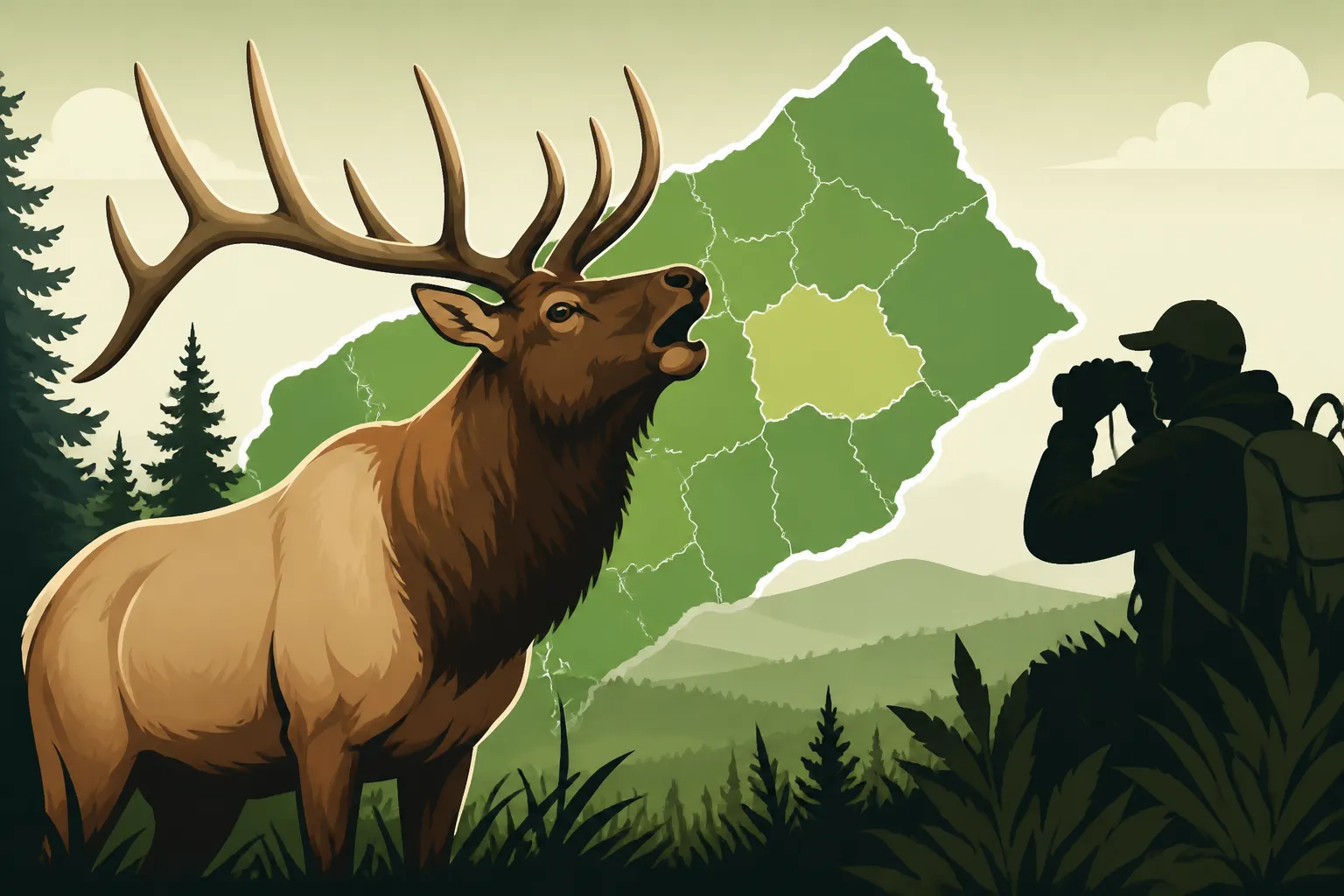
Knox County Elk Zone Ground
Finding quality public land to hunt elk in Kentucky's mountainous eastern region can feel like searching for a needle in a haystack, especially if you're unfamiliar with the specific counties within the vast Elk Restoration Zone. Many hunters arrive with high hopes only to be overwhelmed by steep terrain, a mix of public and private parcels, and the sheer scale of the landscape. This guide aims to demystify hunting in Knox County, providing a realistic roadmap for identifying and accessing prime elk ground within this key area.
Understanding Knox County's Place in the Elk Zone
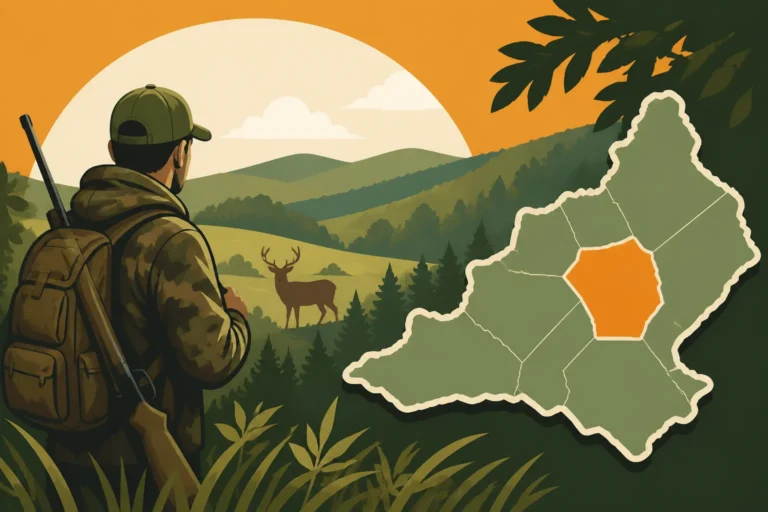
Knox County is nestled deep within Kentucky's Eastern Coalfields, an area that serves as the heart of the state's incredible elk reintroduction program. This region, once stripped bare by resource extraction, has undergone a remarkable transformation, and its rugged landscape now supports the largest elk herd east of the Mississippi River. When you're looking at a map of Kentucky's Seven Elk Hunting Units, you'll quickly see that Knox County is a central player, offering significant opportunities for those lucky enough to draw a coveted elk permit.
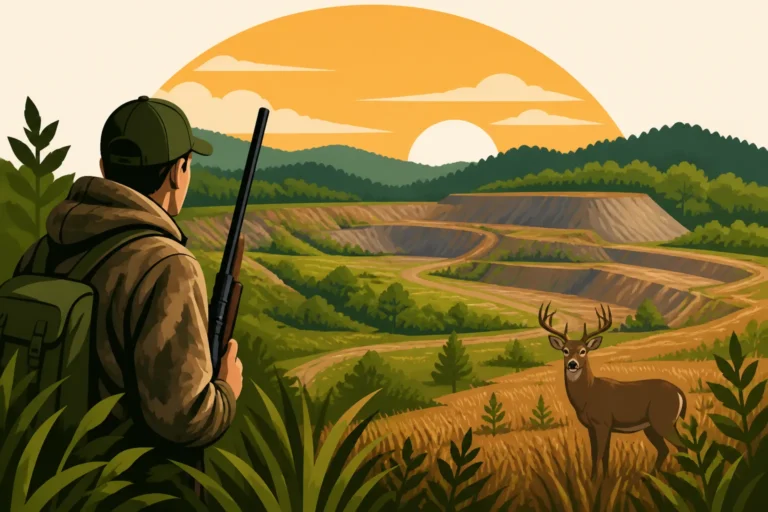
The terrain here is notoriously rugged, characterized by steep, heavily timbered ridges, deep hollows, and winding creek bottoms. While challenging, this topography provides excellent security cover for elk, allowing them to thrive and grow to impressive sizes. Interspersed throughout the natural woodlands are parcels of reclaimed mine land. These areas, once disturbed by surface mining, have been revegetated and often feature open, grassy clearings or dense young growth, creating ideal foraging and bedding areas for elk. Understanding this mosaic of habitat types is crucial for any hunter planning a trip to Knox County for elk.
Historically, this landscape was home to native elk before they were extirpated over a century ago. The reintroduction efforts have been a resounding success, demonstrating how resilient these animals are and how suitable the eastern Kentucky habitat remains for them. While the population is robust, hunting pressure, even on public land, can push elk into the most remote and challenging parts of the county. Success often hinges on a hunter's willingness to go where others won't, exploring the steepest ridges and deepest hollows.
Navigating Public Hunting Opportunities in Knox County
One of the biggest hurdles for any hunter, especially those new to the area, is simply figuring out where you can actually hunt legally within Knox County's portion of the Elk Zone. The lines between public and private land can be blurry on older maps, and knowing the specifics of which lands are open to hunting is paramount. Fortunately, technology has made this much easier, but it still requires diligence.
A significant portion of the public land in or around Knox County that offers elk hunting opportunities falls under the management of the Kentucky Department of Fish and Wildlife Resources (KDFWR) as Wildlife Management Areas (WMAs) or is part of the Daniel Boone National Forest. While specific WMAs might vary in size and primary game species, many are situated within the broader Elk Zone and can hold elk. It’s absolutely essential to consult current KDFWR regulations and specific WMA maps, as rules and access can differ from one tract to another. These lands are generally open for hunting with the appropriate licenses and permits, but always double-check for any unique area-specific restrictions before you head out.
For pinpointing exact boundaries, mapping applications like onX Hunt are invaluable. I can't stress this enough: having a reliable map that clearly delineates public and private land boundaries is non-negotiable here. Apps like onX Hunt, and others like GoHunt, allow you to visualize property lines, ownership details, and even topographic features, all offline. This capability is critical because cell service is often spotty or non-existent in the remote hollows and ridges of Knox County. These tools with their onX Layers for Kentucky Land Status can save you a ton of headaches and prevent accidental trespassing, which is a sure-fire way to ruin a hunt and damage landowner relations. Finding Kentucky Property Lines accurately is paramount.
Strategies for Scouting and Accessing Knox County Elk Ground
Drawing an elk permit for Knox County is just the first step; the real work begins with scouting and planning your access. Elk in this rugged terrain are masters of using the landscape to their advantage, often favoring steep, secluded areas that offer both cover and food. Your scouting efforts, whether conducted in person or via satellite imagery, need to reflect this reality.
Before you even set foot in the woods, immerse yourself in digital scouting. Utilize mapping applications with topographical and satellite imagery to identify key features. Look for steep north-facing slopes, which often hold cooler temperatures and denser cover, making them ideal bedding areas during warmer parts of the season. Identify potential travel corridors such as saddles, benches, and old logging roads that cut across the contours of the land. These natural funnels are where elk are most likely to move between feeding and bedding areas. You can often see historical timber cuts or reclaimed mining sites on satellite views, which present excellent opportunities for Glassing an Elk Restoration Zone Meadow at dawn and dusk. This pre-scouting is crucial, especially for Applying for a Kentucky Elk Quota Hunt, as it informs where you'll focus your physical efforts once you hit the ground.
Once you’re on the ground, focus on finding fresh sign. Elk leave distinct tracks, often much larger than deer, and their droppings are quite noticeable. Look for wallows—muddy depressions where bulls roll to cool off and spread their scent—and rubs, where they’ve scraped their antlers on trees. In the denser timber, pay attention to the bark on trees, as elk will often strip it to feed. Be prepared for a physically demanding experience; successful elk hunting in Knox County means covering significant ground in challenging conditions. Planning your entry and exit routes, especially when considering packing out an animal, is paramount. Remember, these mountains are tough, and an elk is a heavy animal. Many hunters find Best Kentucky Ground for Public Land Elk often corresponds to the hardest ground to access.
Essential Considerations for a Successful Knox County Elk Hunt
Hunting elk in Knox County, or any part of the Kentucky Elk Zone, is a significant endeavor that requires careful planning beyond just finding a spot. You're not just dealing with the challenges of the terrain; you're also navigating a unique set of regulations and an animal that demands respect and preparedness.
First and foremost, understanding the Kentucky Elk Quota Hunt Rules is non-negotiable. The KDFWR has specific rules regarding hunter orange requirements, legal weapons, and harvest reporting. Don't assume anything; always consult the most current regulations. For instance, specific seasons (archery, muzzleloader, firearm) dictate weapon choices, and these can vary based on the specific permit you draw. Knowing the Kentucky Elk Application Window Dates is also crucial for future hunts, as drawing one of these tags is a lottery, and persistence is key.
Key Considerations for Knox County Elk Hunting
| Characteristic | Description | Hunter's Strategy |
|---|---|---|
| Steep, Rugged Terrain | The mountains here aren't for the faint of heart. Expect significant elevation changes, deep hollows, and thick timber. This provides excellent cover and security for elk, but tough going for hunters. | Focus on ridge lines and saddles for travel corridors. Be prepared for strenuous climbs and descents. Use mapping apps like onX Hunt to analyze topography and identify potential bedding and feeding areas. |
| Mature Hardwoods | Vast expanses of oak, hickory, and other hardwoods dominate the landscape, especially in areas like the Daniel Boone National Forest. These provide crucial mast crops for food, especially acorns in the fall, and dense canopy for thermal cover. | Scout for oak flats and benches with abundant mast. Elk will often feed heavily in these areas, particularly during the early fall seasons. Look for rubs and wallows in these timbered regions. |
| Reclaimed Mine Lands | Many areas within the Elk Zone, including parts of Knox County, feature old strip mine sites that have been reclaimed. These often result in open, grassy clearings or young successional growth, providing vital forage and bedding areas. | These open areas are perfect for glassing at dawn and dusk. Use binoculars or a spotting scope to scan for elk. Plan your approach carefully, as cover can be sparse on the edges. |
| Water Sources | While not always obvious, reliable water sources like small springs, creeks, and seepages are critical, especially during warmer periods. Elk need consistent access to water. | Identify perennial water sources on your maps (GoHunt can be helpful here for topo layers). These can be natural bottlenecks where elk will congregate or travel through. Fresh tracks near water are a huge indicator. |
| Remote Access Points | The best hunting often lies far from easily accessible roads. Expect to hike in significant distances, especially on larger tracts of public land, to get away from other hunters and find unpressured animals. | Plan your ingress and egress carefully. Use satellite imagery to find remote trails or old logging roads. Be prepared to pack out an animal from challenging terrain. Consider carrying a GPS unit or using offline maps on your phone. |
Packing the right gear is also vital. Good quality boots are absolutely non-negotiable – expect to traverse steep, uneven terrain that can be muddy, rocky, or covered in slippery leaf litter. Layered clothing that can handle fluctuating temperatures and sudden rain showers is also a must. Given the vastness of the Elk Zone and the potential for long hikes, a comfortable and functional backpack for carrying essentials like water, food, first-aid, and game bags is critical. For navigating, while your phone app is great, a handheld GPS can be a lifesaver in areas with no cell service, especially when trying to Scouting With the Kentucky Hunt Fish App. Don't underestimate the physical demands of this hunt; prepare yourself with conditioning well in advance. Remember, this isn't just about hunting, it's about experiencing Hunting Kentucky's Record Elk Herd in some truly wild country.
Disclaimer
This article is for general informational purposes only and does not constitute professional advice. Laws, prices and regulations vary by location and change over time. Consult a qualified professional for guidance on your specific situation.