Jump-Shooting a Kentucky Creek
Jump-shooting Kentucky creeks for ducks explains creek ecology, duck behavior, water levels, and strategic hunting preparation methods.
Close the distance.
Archery, muzzleloader, and firearm techniques — calling, stand placement, still-hunting, spot-and-stalk, and the weapon rules that change at the state line.
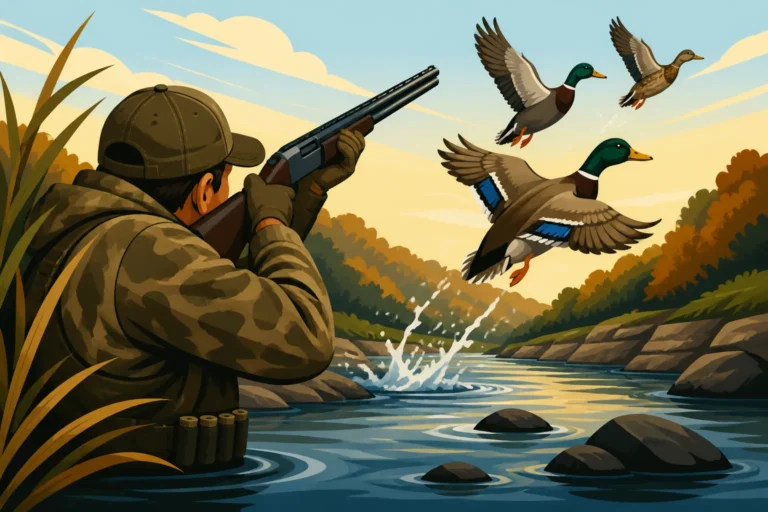
Jump-shooting Kentucky creeks for ducks explains creek ecology, duck behavior, water levels, and strategic hunting preparation methods.
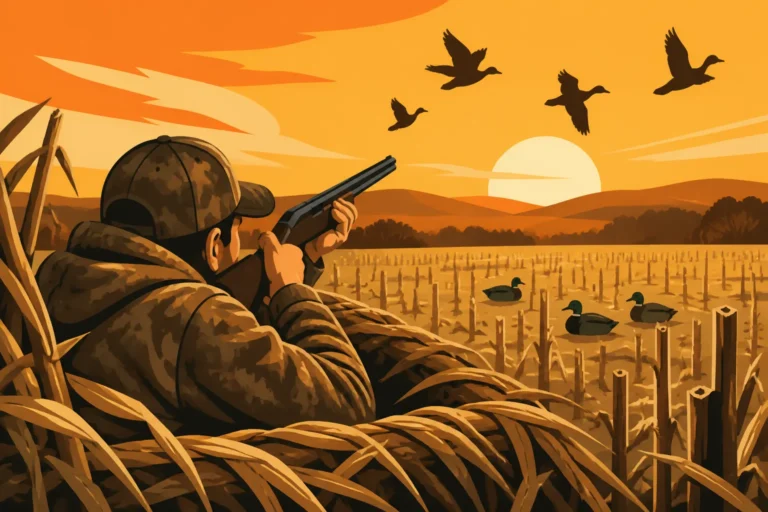
Layout blinds provide crucial concealment for waterfowl hunters in open cut cornfields across Kentucky by breaking human outlines.
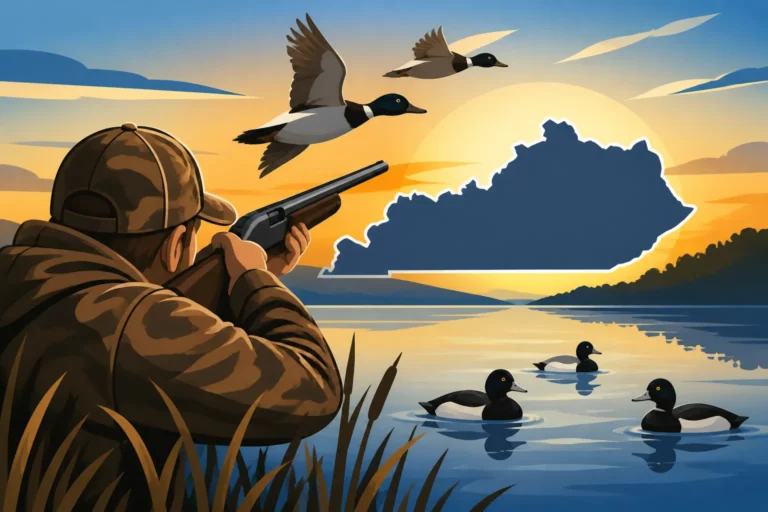
Diver duck hunting on Kentucky Lake requires specific strategies for locating species like scaup, canvasbacks, and redheads on open water.
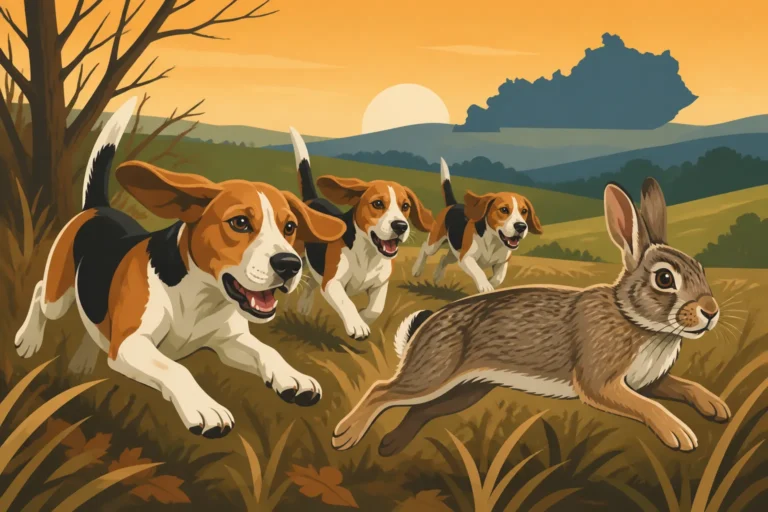
Kentucky beagle hunting methods and cottontail rabbit habits in dense cover, seasonal movements, and tracks for successful field trips.
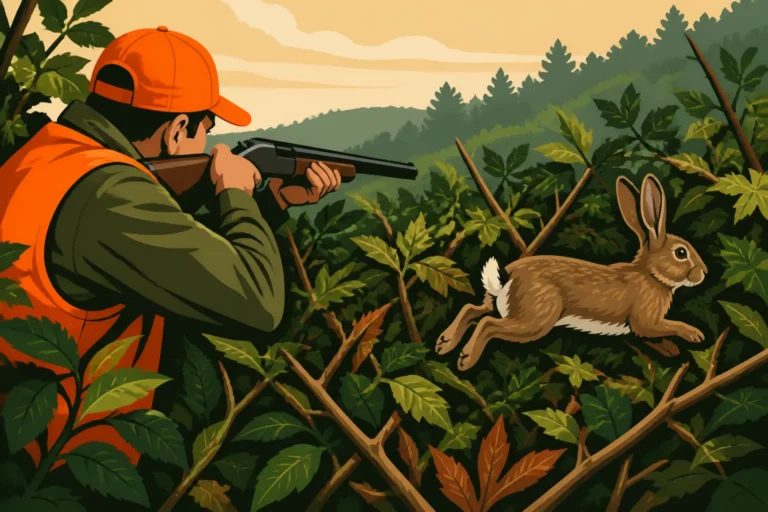
Kentucky rabbit hunting in dense briars and honeysuckle requires specific strategies to find cottontails in thick cover.
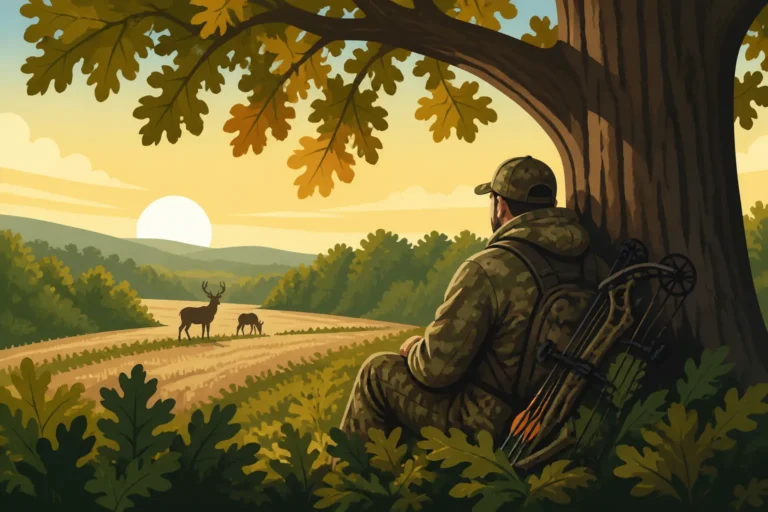
Kentucky acorn cuttings reveal whitetail feeding patterns beneath oak canopies, helping hunters track deer movement and locate productive feeding areas.
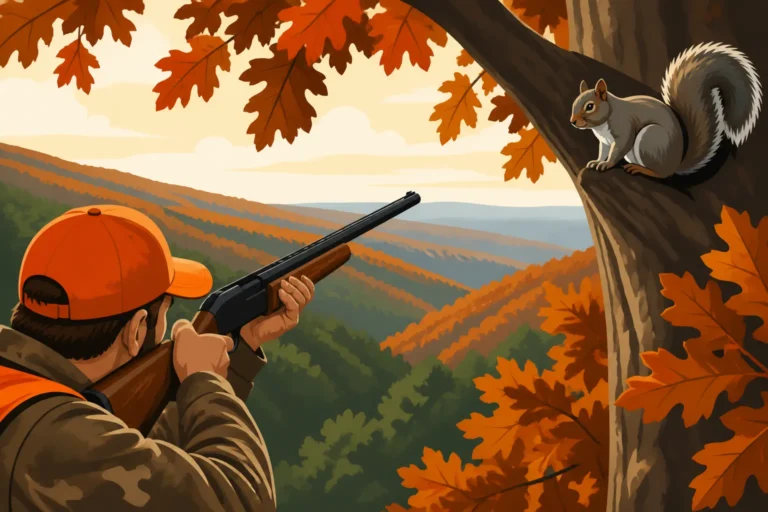
Squirrel hunting on Kentucky oak ridges reveals how gray and fox squirrels track white and red oak acorns across forest terrain.
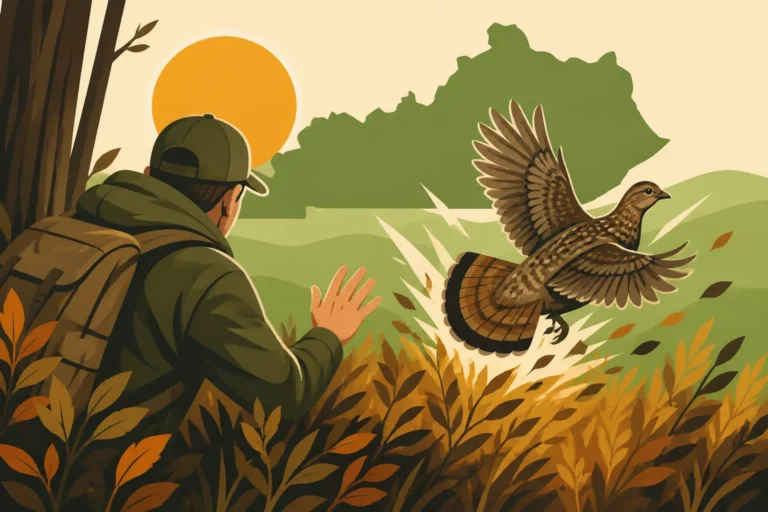
Kentucky ruffed grouse hunting strategies for dogless hunters explaining thick cover locations and daily movement patterns.
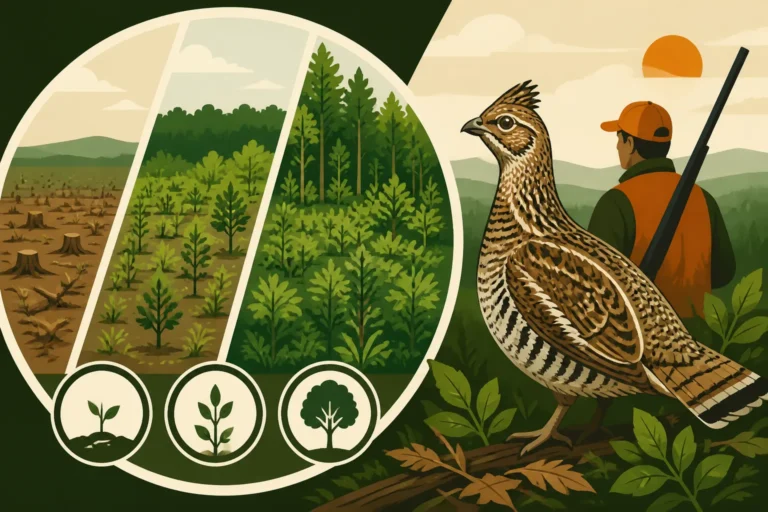
Timber regeneration stages explain Kentucky ruffed grouse habitat needs, food sources, and dense escape cover requirements.
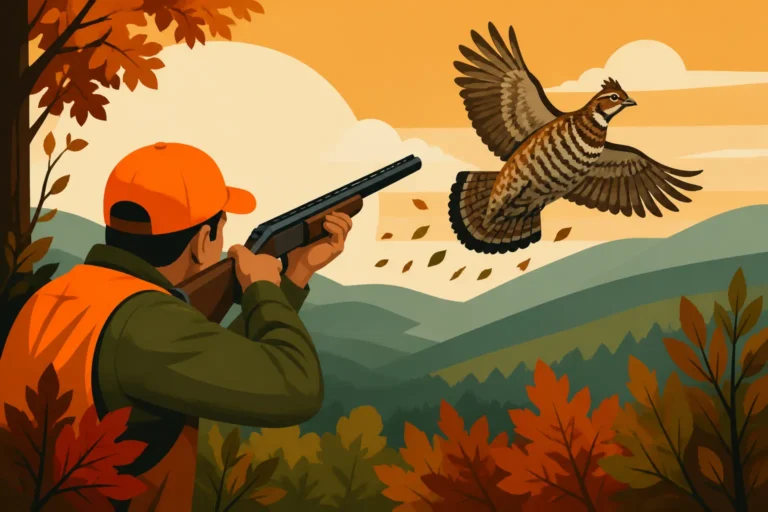
Ruffed grouse hunting in Kentucky Cumberland Mountains requires navigating steep terrain and dense rhododendron thickets to find birds.