Why Kentucky Treats Hogs as Unprotected
Wild hogs in Kentucky are unprotected invasive species because their rapid reproduction and destruction threaten agriculture and wildlife.
Know what you’re after.
Big game, small game, upland birds, and waterfowl — identification, behavior, rut and migration timing, and how each species moves through the season.
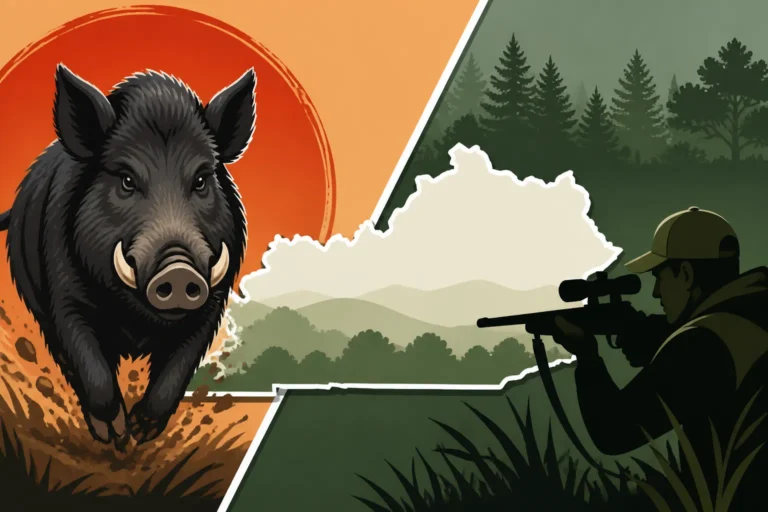
Wild hogs in Kentucky are unprotected invasive species because their rapid reproduction and destruction threaten agriculture and wildlife.
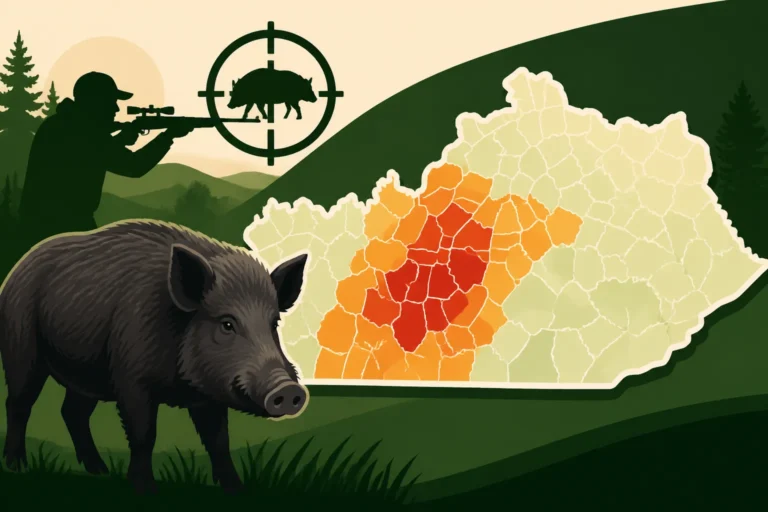
Kentucky wild hog populations and their high-activity counties are identified, detailing southeastern and western regional concentrations.
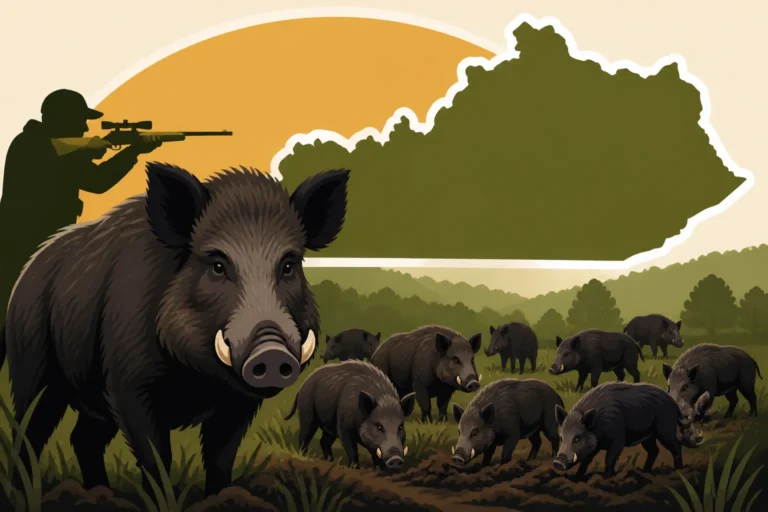
Kentucky wild hogs lack precise population numbers due to their secretive nature, rapid reproduction, and dense terrain cover.
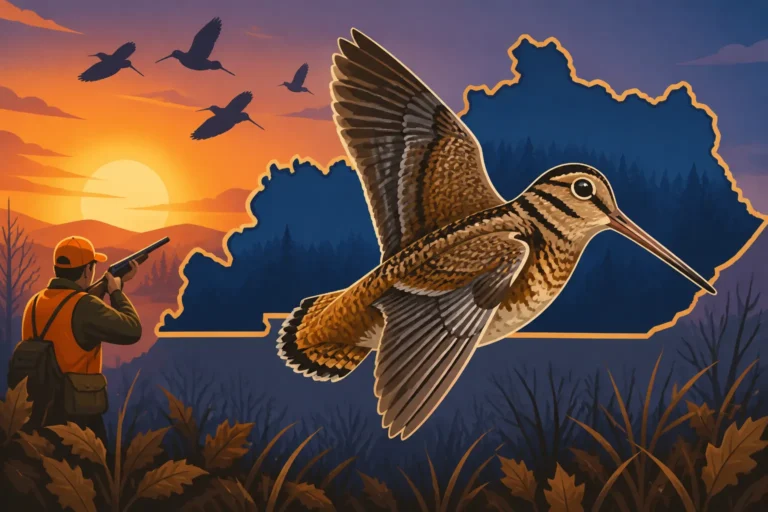
American woodcock migration patterns through Kentucky depend heavily on northern cold fronts and seasonal weather changes.
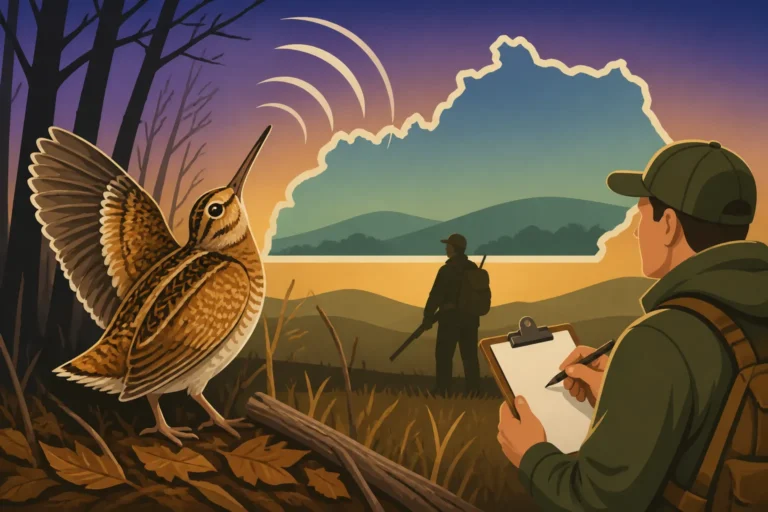
Kentucky woodcock singing ground surveys track spring courtship displays to help biologists assess migratory bird populations.
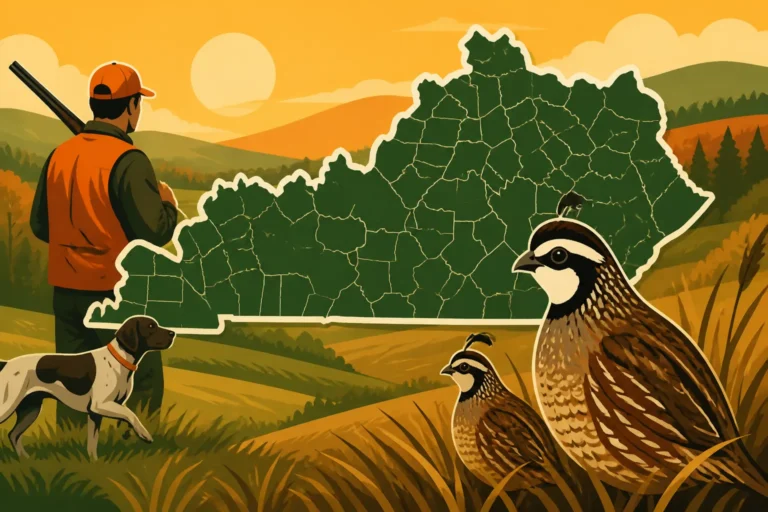
Kentucky bobwhite quail hunting prospects and declining wild populations are explained with historical context and primary habitat loss causes.
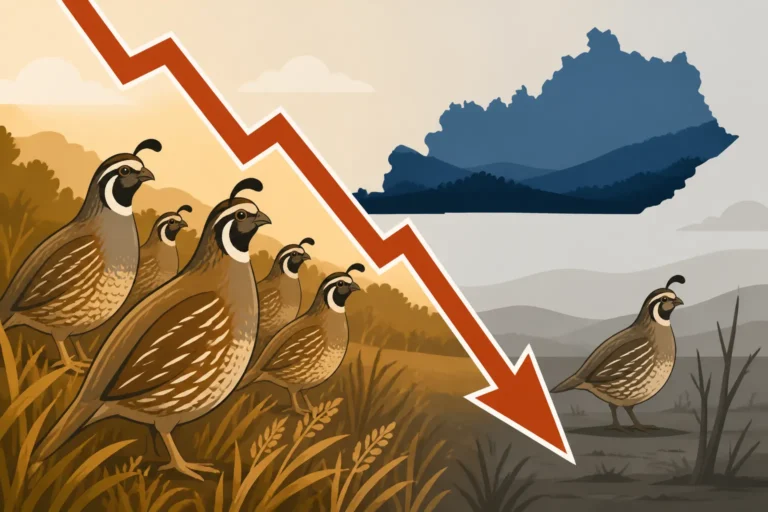
Kentucky quail population declines since the 1960s stem from agricultural shifts, larger farms, and changing forestry practices.
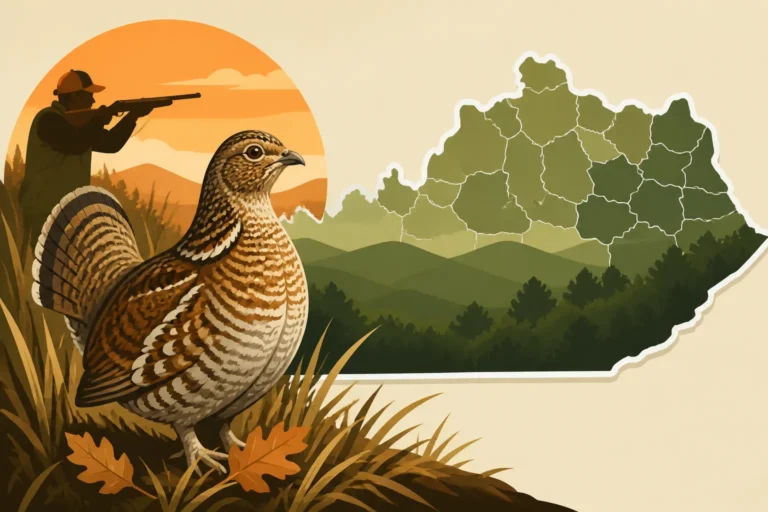
Kentucky ruffed grouse hunting locations and declining forest habitats are explained for hunters searching the Cumberland Plateau.
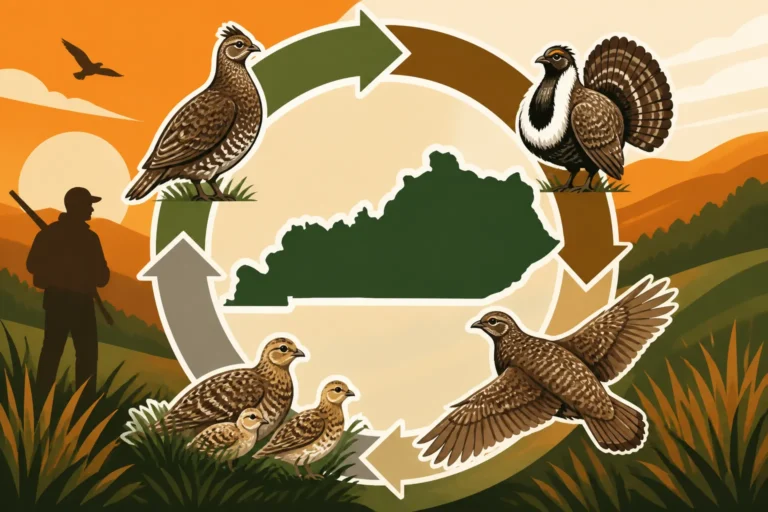
Kentucky ruffed grouse population trends, habitat loss across the eastern mountains, and factors shaping the decline.
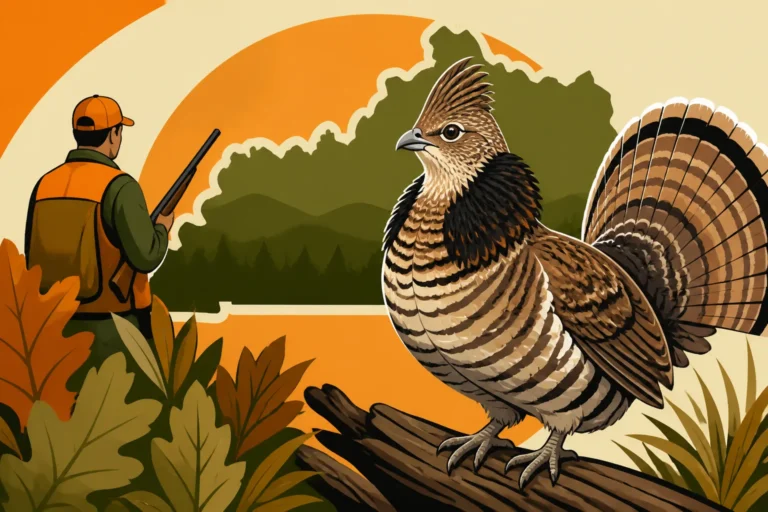
Kentucky ruffed grouse numbers and historical eastern mountain populations reveal why hunters face fewer flushes in modern forests.