Kentucky Coyote Attacks on Livestock
Kentucky coyote predation threats against livestock, vulnerable farm animals, and practical methods to protect herds and flocks.
Know what you’re after.
Big game, small game, upland birds, and waterfowl — identification, behavior, rut and migration timing, and how each species moves through the season.
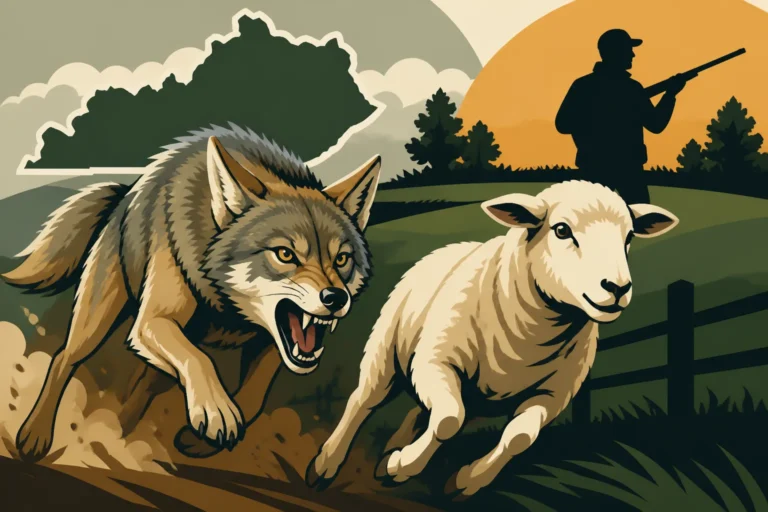
Kentucky coyote predation threats against livestock, vulnerable farm animals, and practical methods to protect herds and flocks.
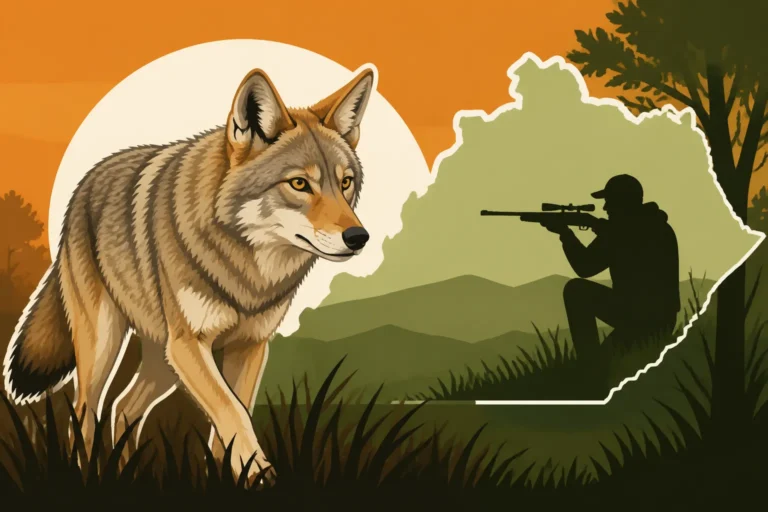
Kentucky coyotes colonened the Bluegrass State over recent decades after native predators like wolves and bears declined.
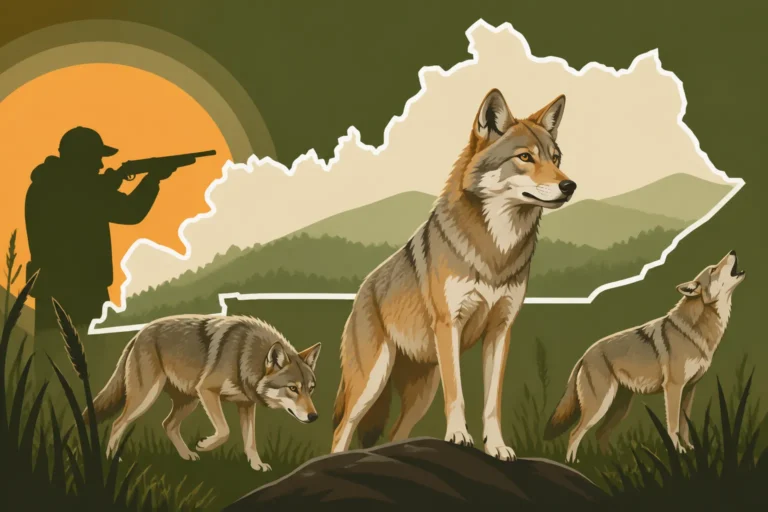
Kentucky coyote populations lack exact counts because the animals are unmanaged, but harvest data reveals substantial statewide growth.
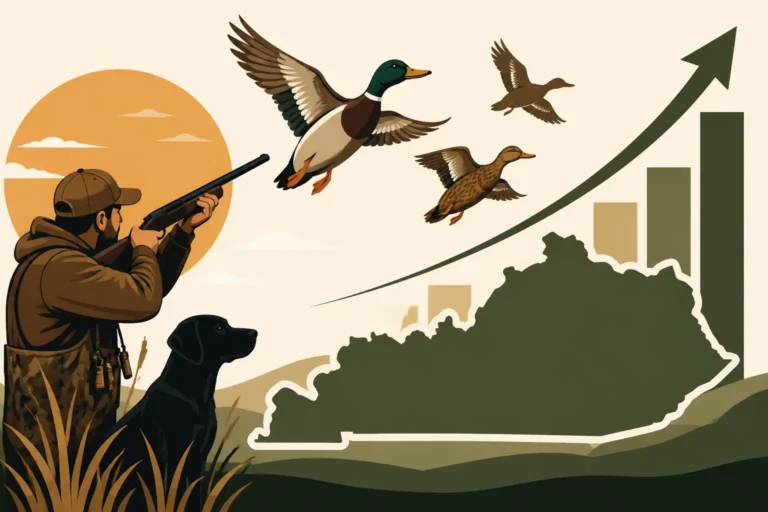
Kentucky duck harvest numbers, collected by wildlife agencies through hunter surveys, indicate population health and migration patterns.
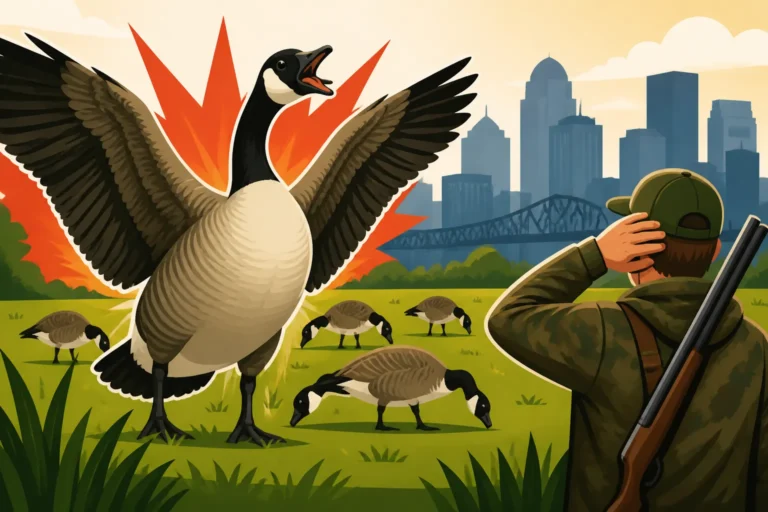
Resident Canada goose populations in Louisville cause property damage, health concerns, and frustration for local residents.
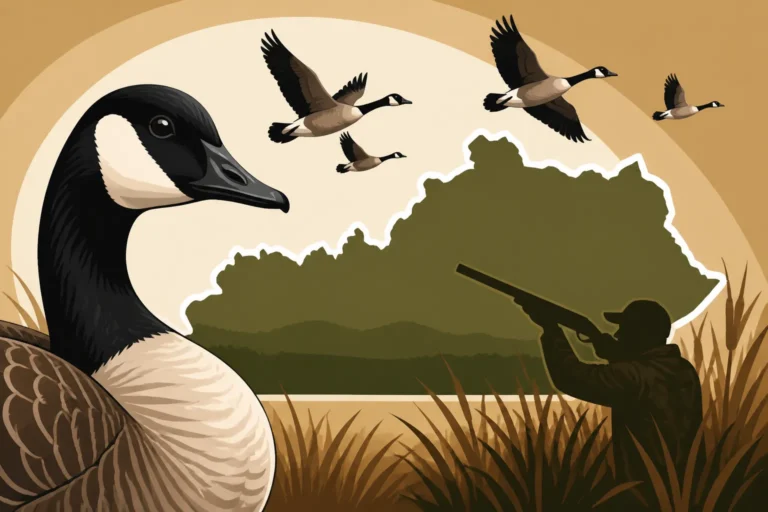
Kentucky Canada goose populations consist of resident birds and migrating flocks that influence local waterfowl hunting opportunities.
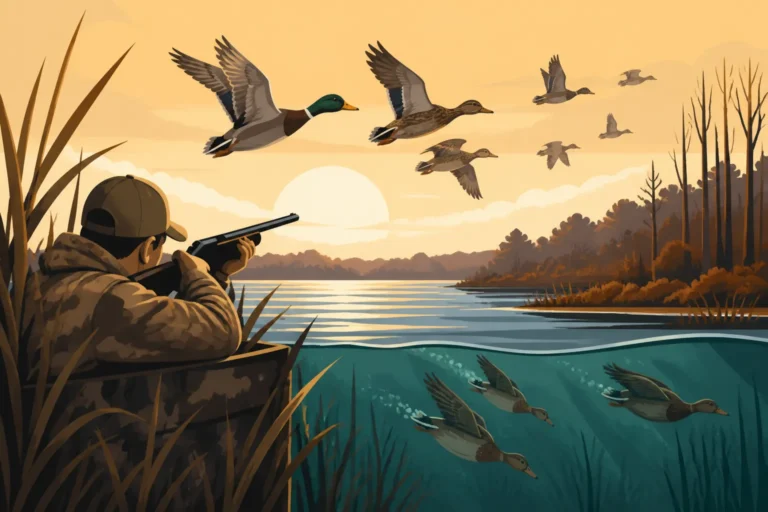
Land Between the Lakes attracts massive waterfowl populations utilizing Kentucky Lake, Lake Barkley, and major river systems.
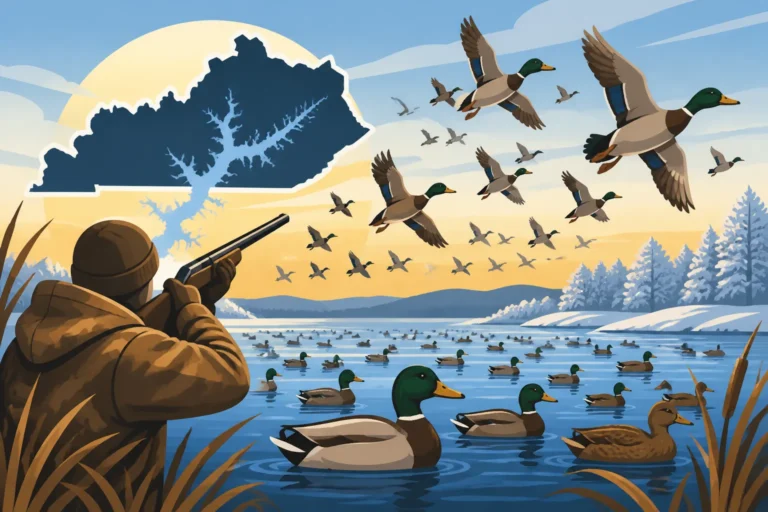
Wintering duck populations on Kentucky Lake, estimated through aerial surveys, reveal migration trends and fluctuations.
Duck migration timing in Kentucky, influenced by northern weather and geography, determines waterfowl movement and hunting success.
Kentucky mallard and wood duck population numbers depend on northern breeding success, local weather patterns, and habitat availability.