Kentucky Record Book Gobblers
Kentucky wild turkey record book scoring formulas, NWTF measurement rules, and minimum entry thresholds for Eastern wild turkeys.
Know what you’re after.
Big game, small game, upland birds, and waterfowl — identification, behavior, rut and migration timing, and how each species moves through the season.
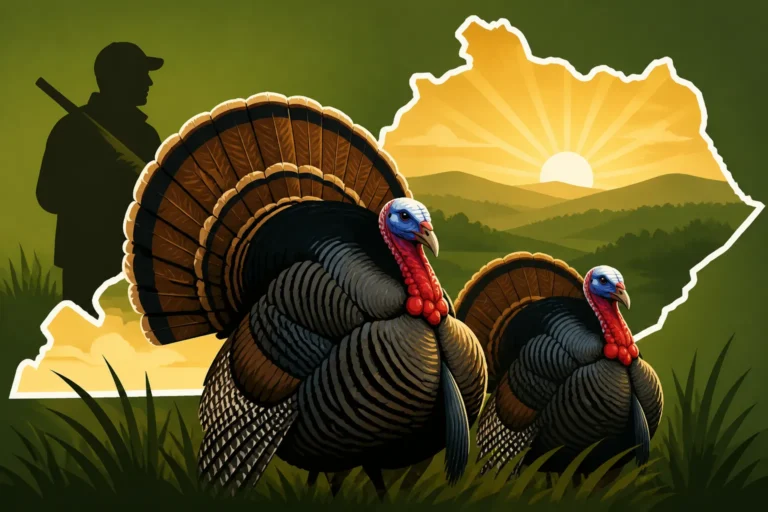
Kentucky wild turkey record book scoring formulas, NWTF measurement rules, and minimum entry thresholds for Eastern wild turkeys.
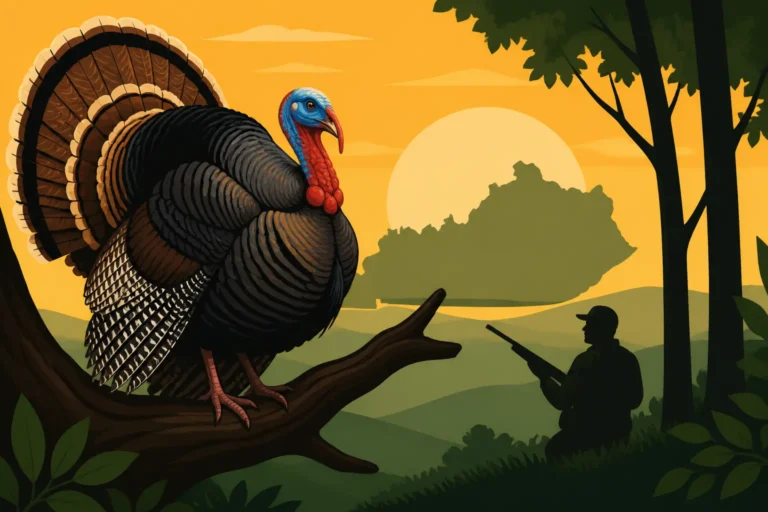
Kentucky spring turkey hunting requires locating gobbler roosts by analyzing tree safety, comfort, and morning breeding behaviors.
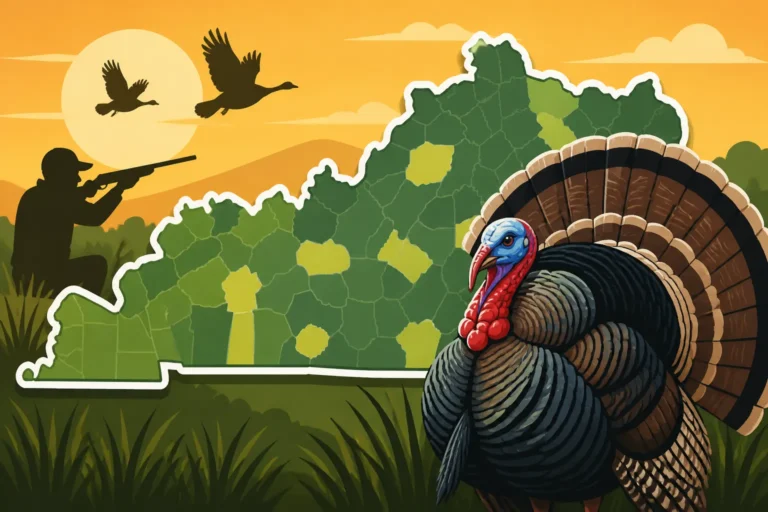
Kentucky turkey hunting counties, including McCreary, Whitley, and Laurel, offer strong populations and public land opportunities.
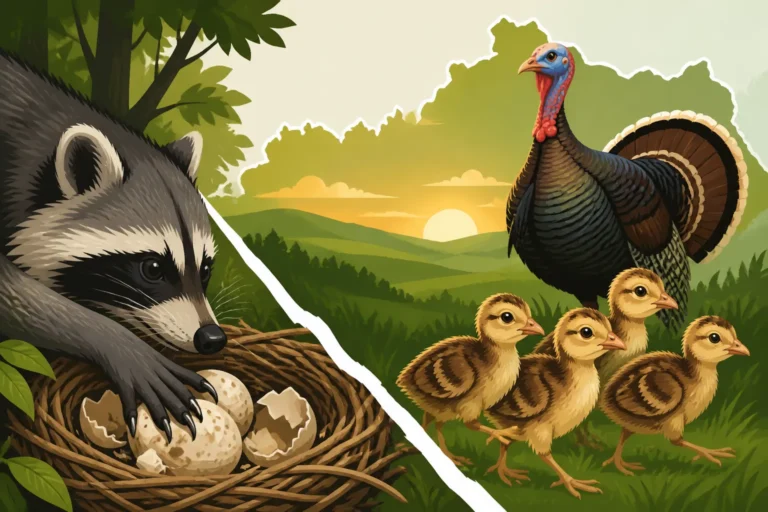
Nest predation by raccoons, skunks, and foxes reduces Kentucky turkey hatches, causing lower summer poult numbers and fewer birds.
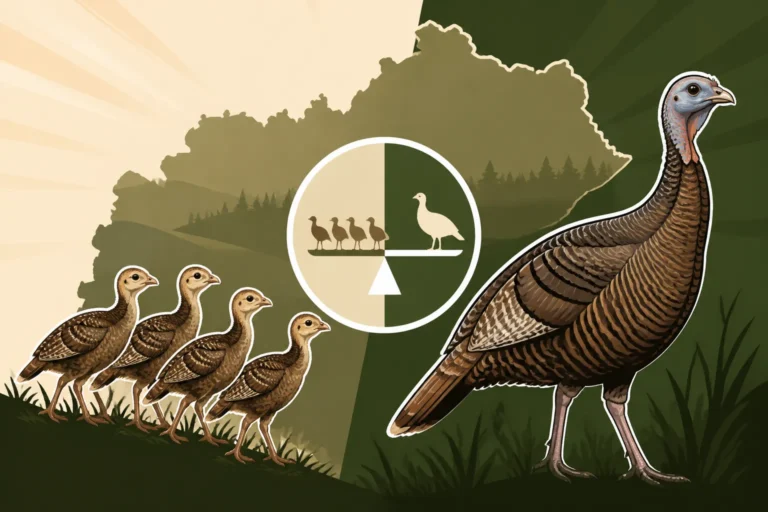
Kentucky wild turkey poult-to-hen ratios explain breeding success, population health, and future hunting season conditions.
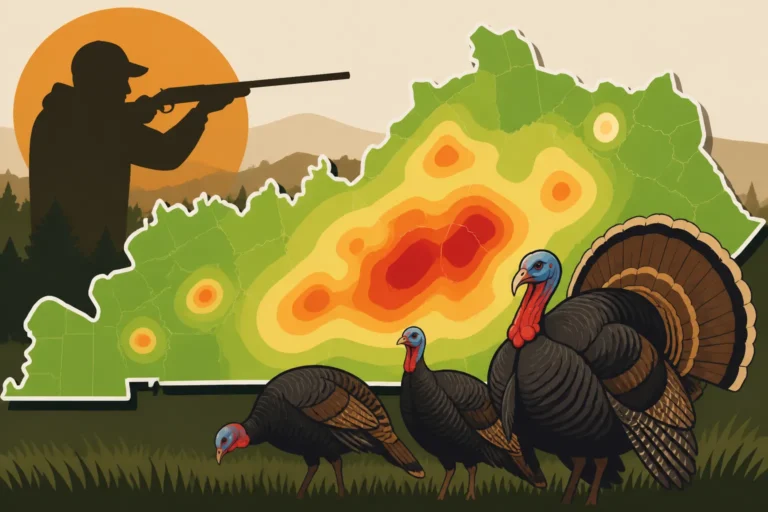
Kentucky turkey population density varies by region, influenced by habitat diversity, restoration history, predation, and weather.
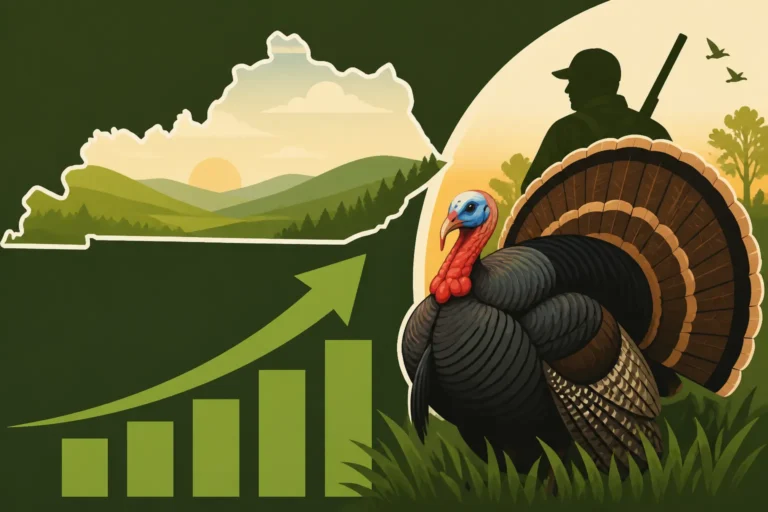
Kentucky spring turkey harvest numbers compiled by the KDFWR reveal wild turkey population health and hunting trends across the state.
Kentucky wild turkey population estimates rely on annual brood surveys and hunter harvest data from the Department of Fish and Wildlife Resources.
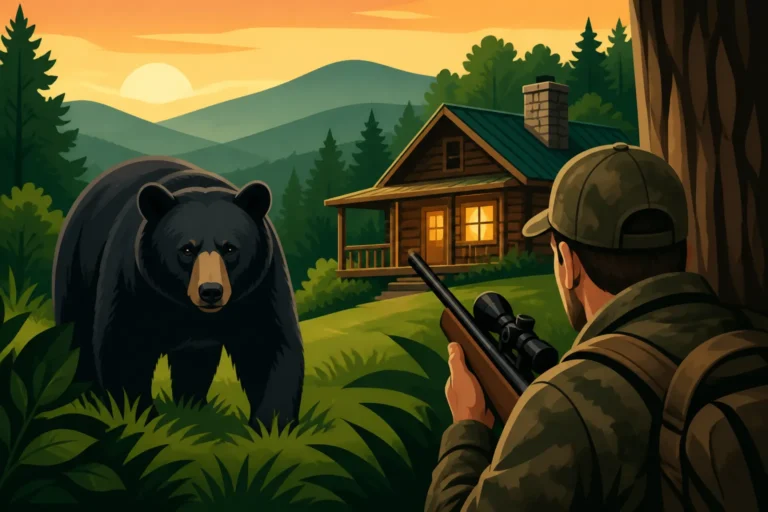
Eastern Kentucky black bear encounters and practical prevention strategies for cabin owners living in the Appalachian foothills.

Kentucky black bears begin entering winter dens in late November or early December to conserve energy when food sources are scarce.