Wild Hogs in Kentucky
Wild hogs in Kentucky damage ecosystems and crops, requiring active management and effective hunting strategies for control.
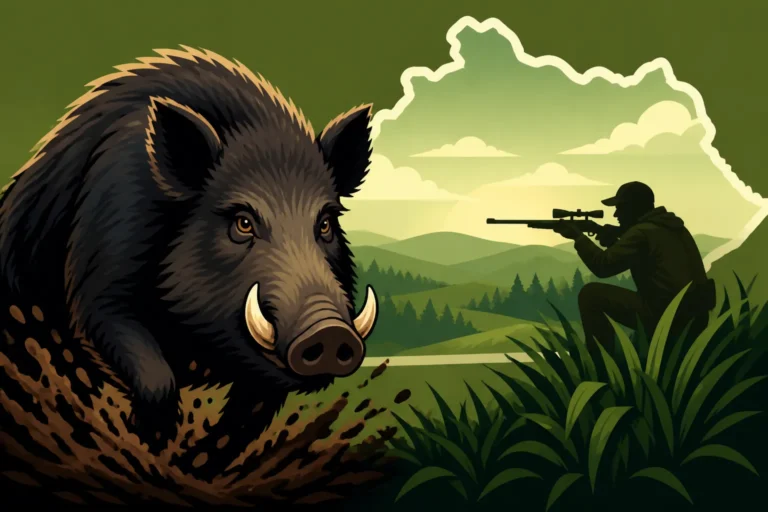
Wild hogs in Kentucky damage ecosystems and crops, requiring active management and effective hunting strategies for control.
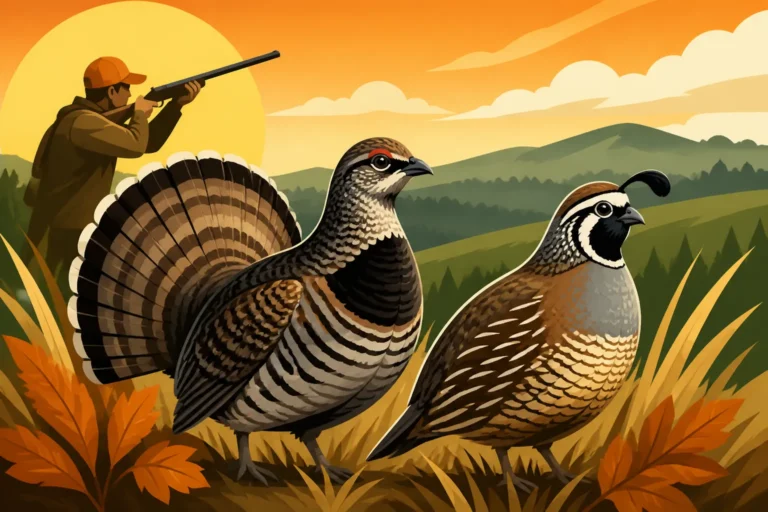
Kentucky grouse and quail populations have declined due to habitat loss, monoculture farming, maturing forests, and climate change.
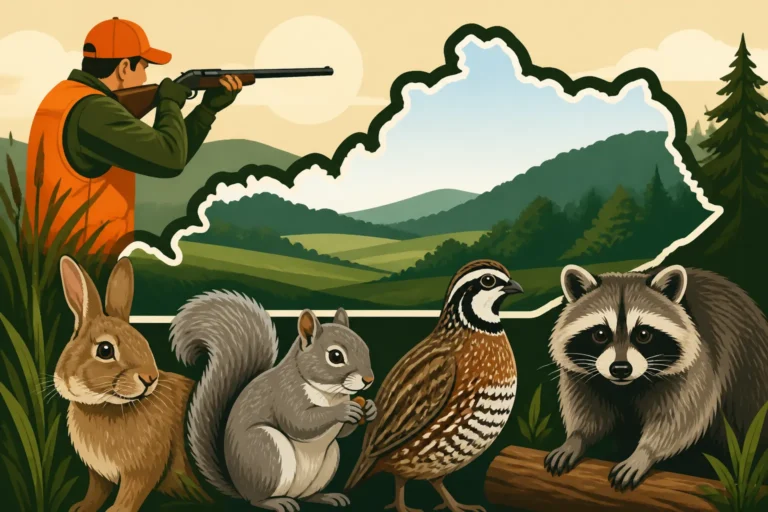
Kentucky small game and furbearer seasons offer extended outdoor opportunities from mid-August through late February for hunters.
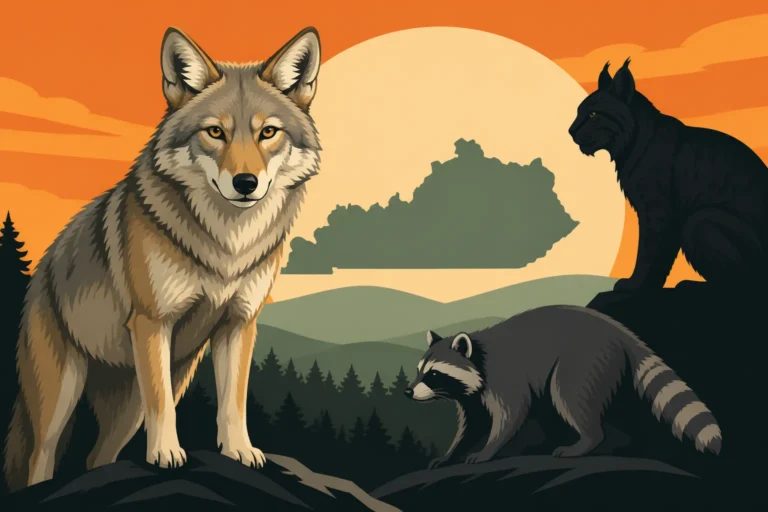
Kentucky coyote populations, behaviors, and adaptations are explained alongside management strategies for landowners, hunters, and residents.
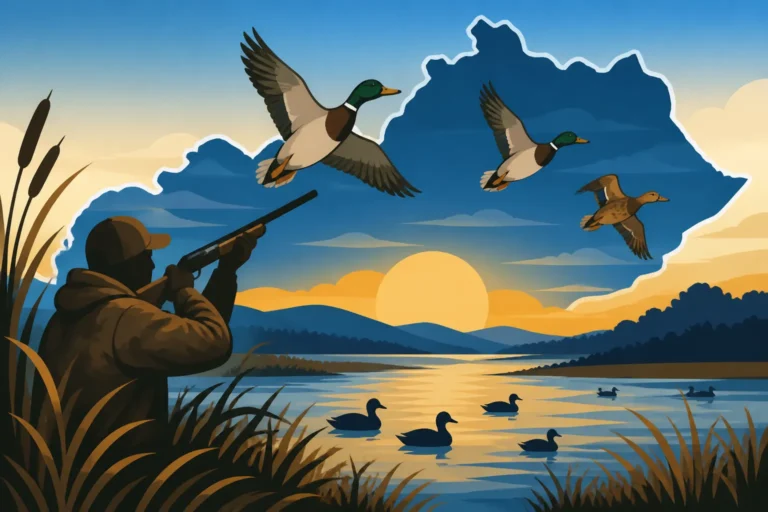
Kentucky waterfowl hunting on the Mississippi Flyway offers migratory patterns and diverse habitats for ducks and geese.
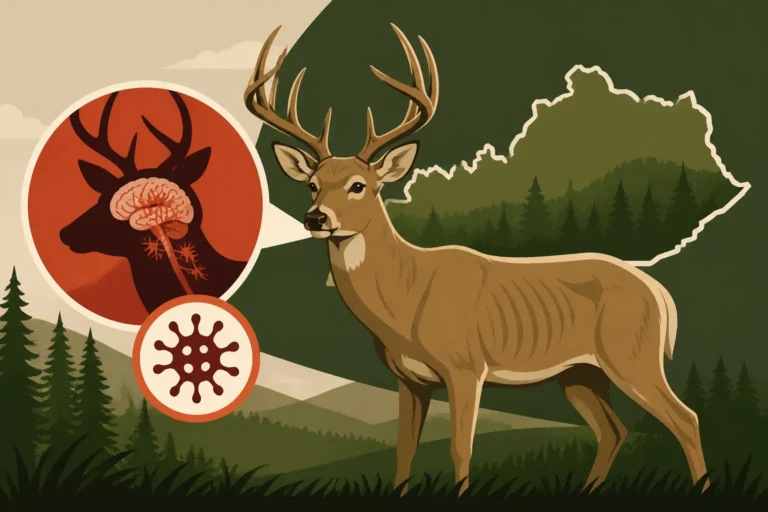
Chronic Wasting Disease in Kentucky deer causes fatal neurological degeneration through resilient abnormal prions spreading silently.
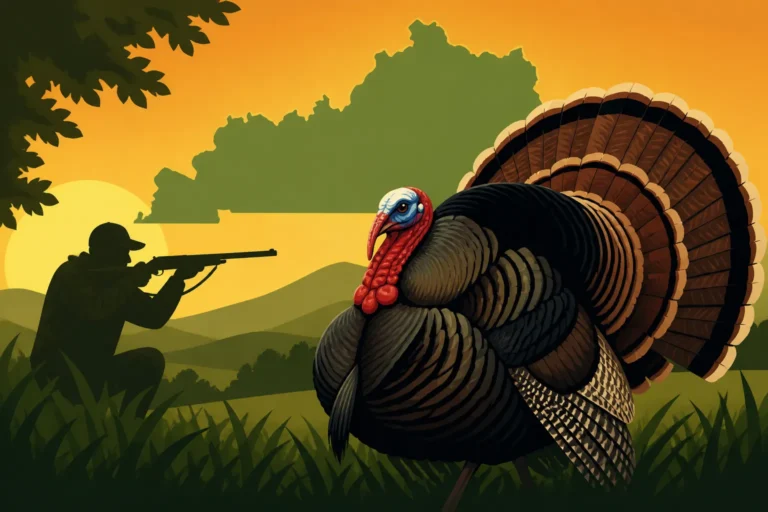
Wild turkeys in Kentucky recovered from 1940s near extinction through KDFWR trap and transfer programs and hunter funding.
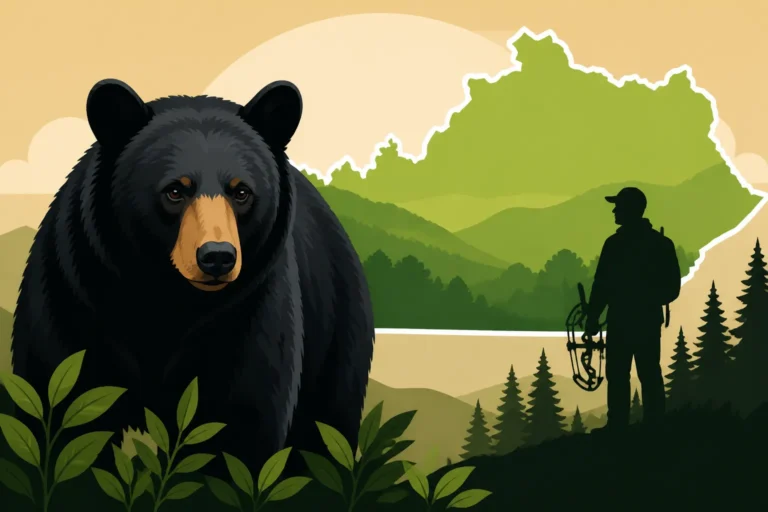
Kentucky black bears returning to eastern forests, detailing their historical rebound and how people can safely coexist.
Kentucky supports the largest wild elk herd east of the Mississippi River following a restoration project that began in December 1997.
Kentucky white-tailed deer populations, regional densities, herd health, and management efforts by the KDFWR are detailed here.