Kentucky Canada Goose Population
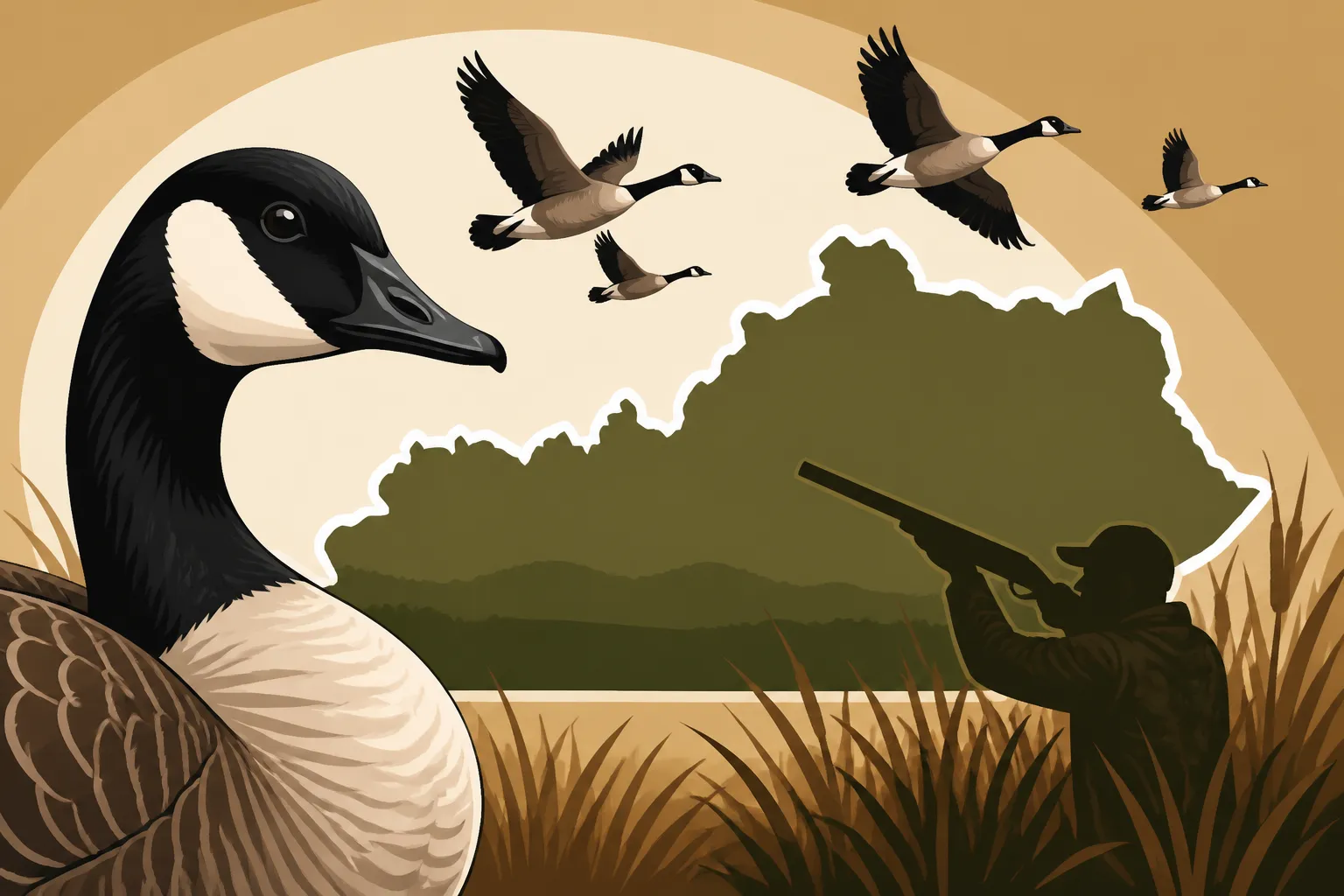
For many hunters in Kentucky, the sight and sound of Canada geese are synonymous with the waterfowl season. However, understanding the nuances of their population – from the booming resident birds to the migrating flocks – can sometimes feel like trying to solve a puzzle. This guide aims to clear up some of that confusion, offering a deep dive into Kentucky's Canada goose population and what it means for hunters eager to get out into the fields and along the water.
Understanding Kentucky's Canada Goose Population
When we talk about Canada geese in Kentucky, it's not a single, homogenous group. The state is home to a fascinating mix of geese, each with their own habits and migratory patterns, which ultimately influences hunting opportunities. Grasping this distinction is key to becoming a more successful and informed waterfowl hunter in the Bluegrass State.
Resident Versus Migratory Geese
The most crucial distinction to make is between resident Canada geese and migratory Canada geese. These two groups, while genetically the same species, behave quite differently, and this impacts everything from where you find them to when you can hunt them.
Resident geese are those that have chosen Kentucky (and many other southern states) as their year-round home. They breed here, raise their goslings here, and often don't undertake long-distance migrations like their northern cousins. You'll find these birds commonly in urban parks, golf courses, suburban retention ponds, and agricultural areas, often becoming quite habituated to human presence. Their numbers have exploded in recent decades due to abundant food sources and safe nesting sites in these human-altered landscapes. These are the geese you see grazing in a city park in July just as readily as you see them loafing in a cut cornfield in December. They provide consistent hunting opportunities, especially during early seasons designed specifically to manage their burgeoning populations.
Migratory geese, on the other hand, are the true travelers of the waterfowl world. These birds breed in the vast northern reaches of Canada and the northern U.S., migrating south along flyways like the Mississippi Flyway as winter approaches, seeking warmer climates and accessible food. Kentucky serves as a crucial wintering ground and stopover point for these birds. Their arrival often coincides with colder weather fronts pushing down from the north, and their presence can dramatically boost local goose numbers, offering different hunting challenges and rewards. Understanding the weather patterns and their impact on waterfowl movement is a critical skill for any Kentucky waterfowler.
Factors Influencing Goose Numbers
The overall population of Canada geese in Kentucky, and indeed across the continent, is a dynamic figure influenced by a complex web of environmental and biological factors. For hunters, recognizing these factors can help in predicting where and when geese might be most abundant.
One of the primary drivers is breeding success. For resident geese, favorable spring weather, abundant nesting habitat, and low predation rates contribute to higher gosling survival. In Kentucky, the proliferation of large, mowed grass areas adjacent to water (like corporate campuses, large parks, and farm ponds) provides ideal, low-predation nesting sites for resident birds, leading to robust local populations. For migratory geese, breeding success on their distant northern grounds, often in the Canadian boreal forests and tundra, directly impacts the number of birds that will eventually fly south to states like Kentucky.
Habitat availability is another huge factor. Geese are highly adaptable and thrive in landscapes that offer both water for roosting and security, and agricultural fields for high-energy food. Kentucky's diverse landscape, with its numerous rivers, large reservoirs, and expansive farmlands, provides an ideal mosaic. When cold weather freezes northern waters, pushing migratory birds south, Kentucky's open water and abundant waste grain in fields become irresistible magnets. Predator populations, disease outbreaks like avian influenza, and even the frequency and intensity of hunting pressure can all play a role in local goose numbers. The careful balancing act of managing these populations falls to wildlife agencies, who rely on hunter participation and accurate harvest reporting to make informed decisions.
Where to Find Canada Geese in Kentucky
Finding Canada geese in Kentucky really boils down to understanding their fundamental needs: safety, food, and water. While they're incredibly adaptable, certain geographical features and land uses consistently draw them in. Knowing these hotspots can significantly cut down on your scouting time and increase your chances of a successful hunt.
Prime Waterfowl Habitat
Kentucky is blessed with an abundance of diverse waterfowl habitat, from sprawling reservoirs to winding river systems. These locations become magnets for Canada geese, especially during the colder months when migratory birds join the resident populations.
Our large reservoirs, such as Kentucky Lake, Lake Barkley, and Green River Lake, are absolute prime real estate for geese. These expansive bodies of water offer vast areas for roosting, providing a sense of security from predators. Geese will often fly long distances from these roosts to feed, returning at dusk. The sheer size of these lakes means you'll need to focus on key areas, like large bays, points that jut out into the water, or shallow flats where they can loaf. The nearby agricultural fields, often visible from the water, are critical.
Beyond the big lakes, Kentucky's major river systems, especially the Ohio River and the backwaters of the Mississippi River, are also vital. These rivers provide continuous open water even in severe cold, and their floodplains often contain rich agricultural ground. Hunters often find success scouting the various sloughs, oxbows, and island systems along these rivers. Even smaller farm ponds and private impoundments, especially those bordered by crop fields, can hold significant numbers of geese, particularly resident birds that rarely venture far. Locating these smaller, often overlooked water sources through diligent scouting can lead to incredible hunting, especially if you get permission on private land. For those hunting the large federal lands, knowing where to focus is key, and places like Hunting Land Between the Lakes Waterfowl offer fantastic opportunities if you put in the time to scout.
Agricultural Fields and Urban Areas
While water is essential for roosting and safety, food is what drives geese during the day, and Kentucky's agricultural landscape is a veritable buffet for them. Understanding how geese utilize these fields is paramount for field hunters.
Canada geese absolutely love agricultural fields, especially those planted with corn, soybeans, and winter wheat. After harvest, waste grain in corn and soybean fields provides a high-energy food source that sustains them through the winter. They'll often feed in these fields for hours, especially in large flocks. Learning to "read" a field – looking for goose droppings, trampled areas, and distinct feeding lines – is an art form. Scouting during the late afternoon and early morning is crucial to pinpoint which fields the geese are using, and more importantly, where they are entering and exiting. This is where Canada Geese on Kentucky Farmland comes into play. You might also find geese in winter wheat or rye fields, where they graze on the tender shoots, acting more like feathered cows.
Beyond traditional farm country, we can't ignore the increasing presence of Canada geese in urban and suburban environments. These are primarily resident geese who have adapted incredibly well to human-modified landscapes. Parks, golf courses, corporate campuses with large green spaces, and even storm retention ponds offer them everything they need: short, manicured grass for grazing, open water for safety, and often very little predation or hunting pressure. While hunting these areas is often restricted or impossible due to safety zones and local ordinances, their presence highlights the remarkable adaptability of these birds. For landowners, these can sometimes become nuisance populations, presenting unique management challenges.
Population Trends and Management
Kentucky's Canada goose population has seen significant changes over the decades, leading to specific management strategies by the Kentucky Department of Fish and Wildlife Resources (KDFWR). For hunters, understanding these trends helps paint a clearer picture of current opportunities and future outlooks.
Historical Overview and Current Status
Historically, Canada geese were primarily migratory visitors to Kentucky, with smaller numbers of breeding birds. However, like many states in the eastern U.S., Kentucky has witnessed a dramatic increase in its resident Canada goose population over the last few decades. This resurgence is largely attributed to restoration efforts in the mid-20th century, combined with the birds' remarkable adaptability to urban and agricultural environments that provide abundant food and safe nesting sites.
Today, Kentucky boasts a robust and healthy Canada goose population. The resident segment is particularly strong, often leading to localized overpopulation issues in certain areas, especially around metropolitan centers or private lands where hunting pressure is minimal. These geese have found a comfortable niche, often benefiting from the "edge" habitat created by human development. Migratory goose numbers can fluctuate more from year to year, depending on breeding success in the far North and prevailing weather patterns during migration. However, Kentucky generally remains a reliable wintering ground, attracting thousands of birds as temperatures drop. The KDFWR's primary goal is to manage these populations to provide sustainable hunting opportunities while mitigating nuisance issues where they arise, ensuring a healthy ecosystem for all wildlife.
Hunting Seasons and Bag Limits as Management Tools
One of the most direct ways the KDFWR manages Kentucky's goose population is through carefully structured hunting seasons and bag limits. These regulations are not arbitrary; they are meticulously crafted based on population surveys, harvest data, and biological models to achieve specific management objectives.
Typically, Kentucky offers distinct seasons for Canada geese. There's often an "Early Resident Canada Goose Season" or similar framework, specifically designed to target the abundant resident populations before the main migratory birds arrive. These early seasons usually have more liberal bag limits and are crucial for keeping resident numbers in check, especially in areas where they might become a nuisance. Later, during the regular waterfowl season, hunters pursue both resident and migratory birds, with regulations often aligning with federal migratory bird guidelines and zone-specific rules. It's vital for hunters to stay informed about Kentucky Waterfowl Zones and Seasons and Kentucky Duck and Goose Zone Rules, as these regulations can vary significantly depending on your location within the state and the specific time of year.
The KDFWR relies heavily on hunters reporting their harvests. This data, collected through systems like Telecheck for deer and turkeys, and the federal Harvest Information Program (HIP) for migratory birds, is critical for assessing population trends and adjusting future regulations. Every goose you harvest and report contributes to better management. Tools like GoHunt can be invaluable for organizing your hunting information, helping you quickly reference current regulations and understand how your harvest impacts state wildlife data. Hunters must purchase a federal duck stamp and obtain a Kentucky Migratory Bird Certification to legally hunt geese. This ensures that federal and state agencies have the funding and data necessary to monitor and manage these magnificent birds effectively.
Tips for Hunting Kentucky Canada Geese
Successfully hunting Canada geese in Kentucky, whether you're targeting resident birds in early season or migratory giants in the dead of winter, requires a combination of good scouting, effective decoy setups, and smart calling. It's a game of patience and observation, but incredibly rewarding when it all comes together.
Scouting and Location Selection
You wouldn't head into the woods for deer without scouting, and the same goes, perhaps even more so, for geese. Pre-season and in-season scouting are absolutely essential for consistent success. Geese are creatures of habit, establishing clear flight patterns between their roosting water and their feeding fields. Your primary goal is to intercept them along these routes or set up where they want to be.
Start by identifying potential roosting areas – large bodies of water like major lakes, wide rivers, or even large, secluded ponds. Then, use your binoculars (or even a drone, where legal and ethical) to locate feeding fields. Look for fields that show signs of recent goose activity: droppings, trampled stubble, and distinct feeding lines. Pay close attention to the specific entry and exit points in these fields, as geese tend to use the same paths repeatedly. Aerial photos and mapping tools can be incredibly helpful here; Reading Aerial Photos for Eastern Kentucky Deer offers principles that apply equally well to scouting goose fields. If you're on public land, identifying areas of lesser pressure can be a game-changer; Scouting Kentucky Public Land Before Season is a good resource for general public land scouting techniques that can be adapted for waterfowl. Drive backroads, observe from a distance, and watch flight paths at dawn and dusk. This diligent observation is often the most important factor distinguishing successful goose hunters from those who struggle.
Decoy Spreads and Calling Strategies
Once you've identified a hot spot, the next challenge is to convince those wary geese to commit to your setup. This is where your decoy spread and calling skills become crucial. Geese are smart, and they’ve seen a lot of spreads, so yours needs to look natural and inviting.
For field hunting, a realistic spread of full-body or shell decoys is often most effective. The number of decoys can vary, but generally, more is better for geese, especially when targeting large flocks. Arrange your decoys in family groups, leaving a landing zone (a "hole" or "pocket") downwind of your blind for the geese to pitch into. Consider placing a few sentry decoys at the edges of the spread, appearing to stand guard. A popular setup is the "J" or "U" shape, with the open end facing into the wind. For water hunting, floating decoys are key, again creating a landing zone. Remember, geese almost always land into the wind, so position your blind and decoys accordingly. For more specific tactics, check out Layout Blind Hunting Western Kentucky Fields or Decoy Spreads for Kentucky Lake Divers.
Calling is the art of communication. You need to sound like a flock of happy, contented geese. Start with simple greeting calls as geese approach, then switch to clucks, murmurs, and feeding calls as they get closer. Don't overcall; let the geese work the spread. A common mistake is calling too aggressively when birds are already committed. Practice with different types of calls – short-reed, flute, or even an electronic call (where legal) – to find what works best for you. The goal is to build confidence in the approaching birds, making them believe your spread is safe and worth joining.
Gear and Ethical Considerations
Having the right gear and upholding ethical hunting practices are cornerstones of a responsible and successful goose hunt. From your shotgun to your waders, thoughtful preparation makes all the difference.
A good 12-gauge shotgun is typically the workhorse for goose hunting, capable of handling the heavy loads needed to bring down these large birds. Choke selection is important; modified or improved modified chokes are often favored for their balance of spread and density. Remember that federal regulations mandate the use of non-toxic shot (steel, bismuth, tungsten-iron, etc.) for all waterfowl hunting. It's crucial to check your specific hunting area, as some WMAs might have additional restrictions.
Blinds and camouflage are essential. Whether you're in a layout blind in a cut cornfield, a panel blind on a field edge, or a natural blind brushed into a creek bank, you need to be concealed from the keen eyesight of geese. Their aerial perspective makes them incredibly adept at spotting anything out of place. Invest in quality camouflage that matches your hunting environment. For a deeper dive into overall waterfowl gear, our guide on Waterfowl Gear for Kentucky and Barkley Lakes covers many essential items, from waders to cold-weather layering.
Finally, ethical considerations are paramount. Always strive for clean, humane kills. If a bird is wounded, pursue it immediately and retrieve it swiftly. Respect private property, always gaining explicit permission before entering. Ensure you properly dispose of all shells, trash, and spent decoys. By practicing ethical hunting, we not only ensure the humane treatment of game but also preserve the reputation of hunters and help maintain access to future hunting opportunities.
| Goose Type | Primary Behavior | Hunting Challenges | Typical Season | Best Hunting Areas |
|---|---|---|---|---|
| Resident | Year-round in KY, breeds locally, uses urban/ag areas. | Often wary but habituated to human activity. | Early September | Farm ponds, small lakes, agricultural fields |
| Migratory | Breeds North, winters in KY, follows cold fronts. | Can be very wary, flight patterns change with weather. | Late Fall/Winter | Major reservoirs, large river systems, expansive ag fields |
Disclaimer
This article is for general informational purposes only and does not constitute professional advice. Laws, prices and regulations vary by location and change over time. Consult a qualified professional for guidance on your specific situation.