How Kentucky Quail Numbers Fell Since the 1960s
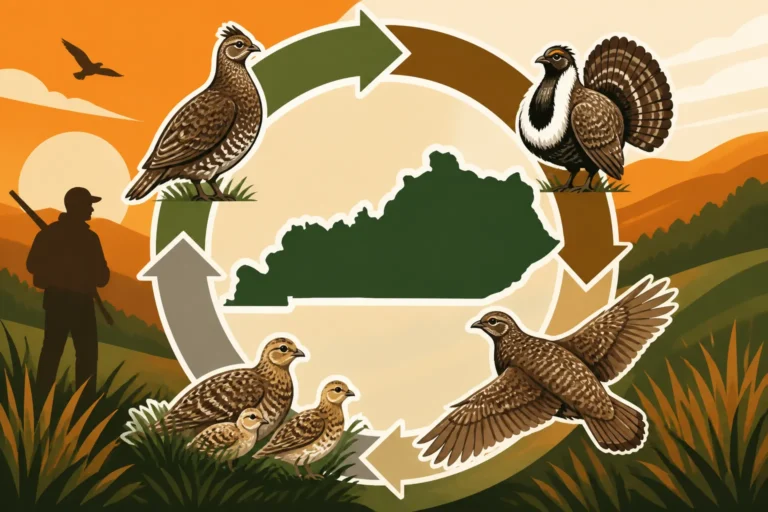
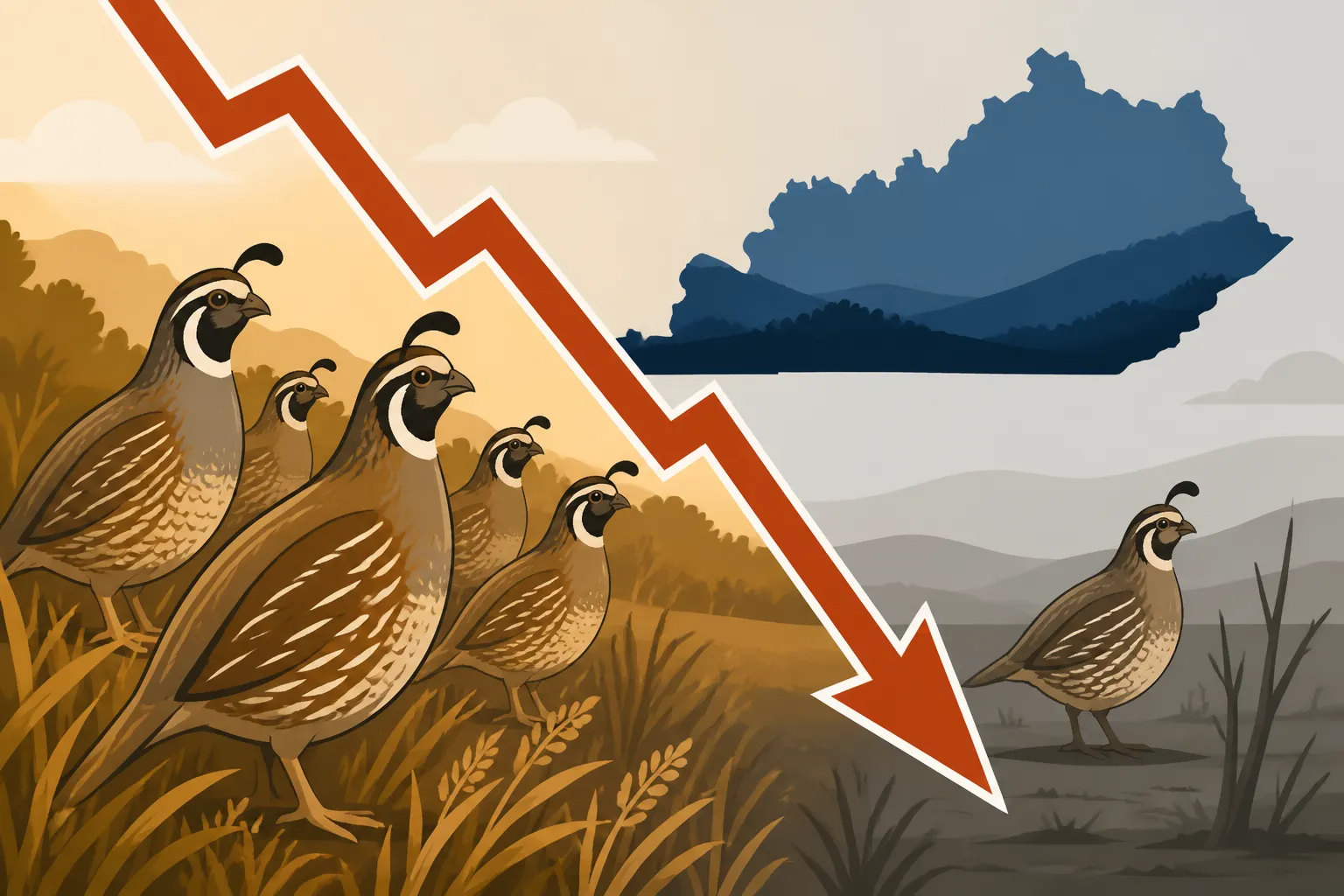
If you've spent any time at all around older hunters in Kentucky, you've almost certainly heard the stories. Tales of fields absolutely teeming with quail, where covey after covey would explode from the fencerows, offering endless shooting opportunities. It sounds like a dream, doesn't it? For many of us who started hunting more recently, that reality is almost unimaginable. Today, finding a single covey of bobwhites can feel like hitting the lottery. This guide is going to dig deep into the heartbreaking truth of why Kentucky's quail numbers have fallen so drastically since the 1960s, what we've lost, and what it might take to bring them back.
The Heyday of Bobwhites: A Landscape Transformed
It’s hard to imagine now, but not all that long ago, Kentucky was truly a bobwhite quail paradise. The landscape itself, through a combination of natural processes and human activity, created the perfect mosaic for these cherished game birds. The memories shared by older generations aren't just nostalgia; they reflect a very different ecological reality.
When Kentucky Was a Quail Haven: The 1960s and Beyond
Picture Kentucky in the mid-20th century. Farming was still a huge part of life, but it looked different. Many farms were smaller, more diversified, and less intensive than they are today. There were plenty of small fields, often bordered by wide, brushy fencerows, hedgerows, and brushy drainages. These weren't just messy patches; they were linear oases, acting as highways and safe zones for quail.
Beyond the cultivated fields, you'd find a patchwork of old fields growing up into native warm-season grasses and brambles, young timber stands that had been recently harvested, and open woodlands with plenty of sunlight reaching the forest floor. All of these habitats provided the crucial elements quail need: nesting cover, brooding cover (for those tiny, insect-hungry chicks), escape cover from predators, and accessible food sources. Hearing a bobwhite whistle from almost any direction was a common sound, a melody of a healthy rural landscape. Hunters would literally walk out their back door and find birds. It was a time when Kentucky Small Game Season Rules were often an afterthought because the birds were so plentiful, not because they were hard to find.
The Great Agricultural Shift: Bigger Fields, Less Cover
The agricultural landscape, however, didn't stay still. As technology advanced and economic pressures mounted, farming in Kentucky, like much of the nation, underwent a profound transformation. Small, diversified farms started to give way to larger, more specialized operations. This meant consolidation of fields, often eliminating those critical brushy fencerows and hedgerows that defined the quail-friendly landscape of old.
Modern farm equipment, designed for efficiency, necessitated larger, unobstructed fields. Imagine a farmer now, with a massive tractor and planter, trying to navigate around a brushy fencerow every hundred yards. It just doesn't make economic sense in today's world. So, those vital linear habitats were cleared, often completely. The "clean farming" mentality, while productive for crops, left quail with nowhere to hide, nest, or find food. Instead of a diverse mosaic, we ended up with vast monocultures of corn, soybeans, or pasture, offering little to no value for bobwhites. The habitat simply vanished, leaving birds exposed and vulnerable.
Changing Forestry Practices and Urbanization's Creep
It wasn't just agriculture that played a role. Forestry practices also shifted. In the past, more frequent, smaller-scale timber harvests, and even wildfires, created a mosaic of early successional habitat – those young, brushy woods and clearings that quail absolutely thrive in. Over time, as forest management focused on growing larger, more mature timber, or as wildfires were aggressively suppressed, the amount of crucial young forest habitat declined. Mature, dense woods, while beautiful, don't offer the sunlight and undergrowth that quail need.
Compounding this, Kentucky, like every other state, experienced significant urban and suburban growth. The ever-expanding footprint of housing developments, commercial zones, and infrastructure like roads and highways ate away at rural lands, fragmenting what little habitat remained. Each new subdivision, each new shopping center, meant another chunk of diverse, quail-friendly ground was paved over or converted, breaking up the connectivity that helps quail populations survive and expand. Even if a small parcel of land was managed perfectly for quail, if it was surrounded by concrete and houses, those birds were essentially trapped, cut off from other populations and unable to disperse.
Biological Pressures: A Multifaceted Assault
While habitat loss is undoubtedly the biggest culprit, it's not the only factor. Kentucky's bobwhites have faced a barrage of biological pressures that, when combined with a shrinking home, have proven devastating. It's a cruel game of whack-a-mole where every challenge seems to pile on top of the last.
The Resurgence of Generalist Predators
One of the most significant changes since the 1960s has been the dramatic increase in populations of generalist predators. Animals like coyotes, raccoons, opossums, skunks, and even feral cats and domestic dogs, have all thrived in the altered landscapes we've created. Coyotes, for example, have expanded their range across the entire state and are a common sight from eastern Kentucky ridges to western Kentucky bottomlands.
Quail, being ground-nesting birds, are incredibly vulnerable to these predators, especially during nesting season. A racoon can wipe out an entire clutch of eggs in minutes. A coyote can decimate a covey trying to roost on the ground. When you couple this increased predation pressure with severely reduced escape cover, the problem becomes exponentially worse. There's simply nowhere left for the quail to go, nowhere to hide their nests effectively, and fewer places to escape from a persistent threat. This is a tough reality, and it's a major reason why Kentucky Coyote Range and Density has a direct impact on our smallest game birds.
The Invisible Threat: Pesticides and Herbicides
Another, perhaps less obvious, but equally insidious threat comes from the widespread use of agricultural chemicals: pesticides and herbicides. While these chemicals are designed to protect crops from pests and weeds, they have significant collateral damage on the ecosystem that quail depend on.
Consider quail chicks. For their first few weeks of life, they are almost entirely insectivorous, meaning they eat insects. These protein-rich bugs are crucial for their rapid growth and survival. When farmers spray vast fields with pesticides to eliminate crop-damaging insects, they inadvertently remove the primary food source for quail chicks. Without enough insects, chick survival plummets. Herbicides, designed to kill weeds, also remove the native broadleaf plants that produce seeds, berries, and structure for cover, further eroding the quail's food supply and hiding spots. The entire food web, from the ground up, is impacted, leaving little for the bobwhites.
Disease, Weather Extremes, and Other Factors
Quail are also susceptible to various diseases and parasites, though these often become more impactful when bird populations are already stressed and concentrated in smaller, less diverse habitats. When birds are forced into tight pockets, diseases can spread more rapidly.
Beyond disease, weather plays a critical role. While weather patterns have always influenced wildlife, there's a growing concern about increasingly severe and unpredictable weather events. For ground-nesting birds like quail, heavy, prolonged spring rains can flood nests, drowning eggs or newly hatched chicks. Conversely, severe droughts can reduce insect populations and vegetative cover, leading to starvation or increased exposure to predators. Even harsh winters, especially those with prolonged periods of deep snow and ice, can take a heavy toll on already struggling coveys, particularly if food sources are scarce and cover is minimal. While Kentucky's weather is usually manageable, extreme swings can be devastating.
The Habitat Crunch: What Quail Really Need
It really all boils down to habitat. Quail are particular birds, and they need a very specific set of conditions to thrive. Unfortunately, modern Kentucky landscapes often fall short of providing that ideal environment. Understanding what makes perfect quail habitat helps us understand just how much has been lost.
The Perfect Bobwhite Habitat Recipe
Imagine the perfect quail landscape: it’s a diverse, patchwork quilt of different cover types. At its core, quail need a mix of short, native bunch grasses for nesting, providing concealment while allowing the birds to move easily at ground level. They also need areas of bare ground for dusting, which is crucial for feather maintenance and parasite control.
Equally important are areas of shrubby, woody cover – think briar patches, plum thickets, and dense saplings. This is their primary escape cover, a place where they can dive to avoid hawks and other predators. Interspersed with these should be open woodlands with a sparse canopy, allowing sunlight to penetrate and stimulate the growth of valuable understory plants that produce seeds and offer more foraging opportunities. The "edge effect," where different habitat types meet, is incredibly important. A field edge blending into a brushy fencerow, which then gives way to an open woodlot, creates ideal conditions because quail can move between these zones for different needs throughout the day. This is why Grouse Hunting Cumberland Mountain Cover and Rabbit Hunting Thick Kentucky Brush often rely on similar multi-layered, diverse habitats.
The Missing Pieces: Food, Cover, and Nesting Sites
Today, many of these crucial habitat components are either entirely missing or severely degraded. Native warm-season grasses, once common in pastures and old fields, have largely been replaced by fescue and other non-native cool-season grasses that are too dense for quail to navigate or nest in. Those wide, brushy fencerows are gone, leaving birds with no secure travel corridors or escape cover. The once-abundant seed-producing forbs and native legumes are eradicated by herbicides.
Consider a quail covey in winter. They need reliable food sources, like lespedeza seeds, ragweed, or waste grain, along with dense thermal cover to protect them from cold winds and snow. Without these, they simply can't survive the colder months. Nesting sites are often limited to narrow strips of roadside ditches, which are ecological traps due to high predation and vehicle mortality. The interconnectedness of these needs is paramount; you can't have one without the others. If a field has great nesting cover but no nearby escape cover, the birds won't make it.
Small Tracts, Big Challenges: Fragmented Habitats
Even where pockets of good habitat exist, they are often isolated. Imagine a tiny island of suitable habitat surrounded by an ocean of cornfields, subdivisions, or dense, mature timber. These fragmented habitats pose huge challenges. Quail populations on these small, isolated tracts struggle with limited genetic diversity, making them more susceptible to disease and less resilient to environmental changes. They also can't disperse effectively to new areas, preventing the natural ebb and flow that helps populations recover.
Hunters often find a few birds on these small, isolated patches, giving a glimmer of hope. But a few coveys on disconnected tracts aren't the same as a robust, thriving statewide population. Finding and getting permission to hunt Small Private Tracts in Kentucky can be rewarding, but it won't solve the broader quail crisis. The sheer lack of contiguous, quality habitat across broad landscapes is the underlying problem, making the task of significant recovery daunting.
A Glimmer of Hope? Conservation Efforts and Hunter Involvement
While the picture can seem bleak, it's not entirely without hope. Dedicated individuals, organizations, and state agencies are working tirelessly to reverse the trend, often with significant hunter support. It's a long, uphill battle, but every bit of effort counts.
Dedicated Conservation Programs and Partnerships
The Kentucky Department of Fish and Wildlife Resources (KDFWR) has recognized the critical importance of quail recovery for decades and has implemented various programs aimed at habitat restoration. Many of these programs focus on managing Kentucky Wildlife Management Areas to create early successional habitat, including prescribed burns, timber thinning, and planting native warm-season grasses. They also work with private landowners through incentive programs, providing technical and financial assistance to help farmers and landowners implement quail-friendly practices on their own property.
Organizations like Quail Forever are incredibly active in Kentucky, often working hand-in-hand with KDFWR and private landowners. They provide boots-on-the-ground habitat projects, offering cost-share programs for planting native grasses, creating brushy cover, and conducting prescribed burns. These efforts, though often localized, are crucial for building habitat hubs that can serve as anchors for broader recovery. Successes in these areas demonstrate what is possible with dedicated effort and resources.
The Hunter's Role in Quail Recovery
As hunters, we have a vital role to play beyond just buying a license. Every hunting license and permit purchased directly contributes to wildlife conservation funding, including funds for small game habitat projects. But we can do more. Supporting organizations like Quail Forever through membership or donations directly fuels their habitat work.
For private landowners, there are tangible steps that can be taken. Consider establishing native warm-season grass fields, creating brushy cover strips, or maintaining wide, undisturbed field borders. Even leaving standing crops through winter can provide crucial food and cover. Using tools like the GoHunt app can help landowners and hunters identify potential habitat features and plan improvements, providing valuable topographical and land-use data. While not specifically designed for quail, its mapping layers can highlight areas that could be good, or where habitat management might be most effective. Understanding Reading Aerial Photos for Eastern Kentucky Deer can apply to identifying potential quail areas too. Discussing habitat work with neighbors can also help create larger, more connected patches of suitable habitat, which is far more beneficial than isolated efforts.
Looking Forward: A Long Road Ahead
Let's be realistic: bringing Kentucky's quail numbers back to their 1960s glory days is an enormous undertaking, a marathon, not a sprint. The landscape has changed fundamentally, and reversing those changes requires sustained, long-term commitment. It means challenging prevailing agricultural norms, prioritizing habitat over short-term economic gains, and fostering a deep understanding of what quail truly need.
However, the efforts being made right now are laying the groundwork. With continued support from hunters, conservationists, and landowners, and with a commitment to science-based habitat management, we can hope to see bobwhite populations stabilize and, perhaps, even slowly expand in certain areas. It requires patience, persistence, and a shared vision of a Kentucky where the iconic "bob-white!" whistle is once again a common sound echoing across our fields and woods. It's a tough task, but one worthy of every effort. We owe it to the future generations of hunters and to the birds themselves.
Disclaimer
This article is for general informational purposes only and does not constitute professional advice. Laws, prices and regulations vary by location and change over time. Consult a qualified professional for guidance on your specific situation.