Best Kentucky Counties for Big Bucks
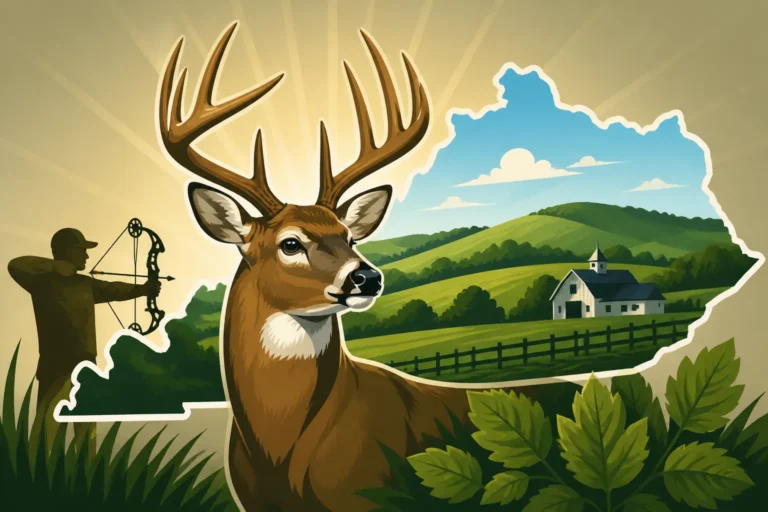
There's nothing quite like the dream of a Kentucky whitetail with heavy antlers, a true monarch of the timber or farmland. Many hunters spend countless hours poring over maps, harvest reports, and forum discussions, trying to pinpoint those elusive "best counties" where a Boone and Crockett contender might be roaming. It's a frustrating quest when every county seems to have its big buck stories, but some areas just consistently produce giants. This guide is here to cut through the noise and help you understand not just which counties have a history of big bucks, but why they do, and how you can apply that knowledge to your own hunting strategy.
Understanding "Big Bucks" in Kentucky
Before we dive into specific locations, let's get real about what we mean when we talk about "big bucks" in Kentucky. It's not just about a single monster harvest that makes headlines; it's about the consistent potential of a region to grow and harbor mature, genetically superior deer with impressive racks. You're chasing the ideal combination of factors that allows a buck to reach its full potential, not just a fluke.
What Defines a "Trophy" Whitetail?
For many, a "trophy" isn't solely about the inches on a tape measure. Sure, the dream of a typical 170-inch 10-pointer or a non-typical over 200 inches is what gets most of us through the offseason. And Kentucky has certainly earned its reputation for those caliber of deer, landing high on national lists for Pope and Young and Boone and Crockett entries. But a trophy also means a mature buck that has beaten the odds, evaded hunters for multiple seasons, and grown into a truly magnificent animal. It could be a gnarly old 8-point with a massive body and dark antlers that just screams "Kentucky woods," or a wider buck that's just a couple of inches shy of a major record. The joy is in the hunt, the challenge, and the respect for a truly wild animal that has reached maturity.
The Core Ingredients: Genetics, Nutrition, and Age
So, what makes a deer grow a huge rack? It boils down to three primary pillars: genetics, nutrition, and age. You can have fantastic genetics in an area, but if the deer are starving or harvested as yearlings, they'll never express that potential. Similarly, a deer with poor genetics, even with unlimited food and protection, won't grow a record book rack.
First, genetics are like the blueprint. Some deer simply have the genetic code to grow larger, denser antlers with more points. While you can't control wild deer genetics directly, certain populations historically tend to produce larger-antlered deer. Second, nutrition is the fuel. Deer need a consistent, high-quality food source to dedicate energy to antler growth. This means abundant protein, minerals (especially calcium and phosphorus), and carbohydrates from natural forage like acorns, browse, and agricultural crops. Areas rich in diverse habitat and fertile soils provide this bounty. Third, and perhaps most critically for hunters, is age. A buck won't grow its largest rack until it reaches full maturity, typically between 4.5 and 6.5 years old. This means the deer population must be managed in a way that allows bucks to survive multiple hunting seasons. Without age, the other two factors can't fully manifest into a true trophy.
Kentucky's Renowned Big Buck Hotbeds
Kentucky consistently ranks among the top states for trophy whitetails, and certain regions and counties stand out. These aren't just places where a big buck might show up; they're areas that have proven their ability to produce them year after year.
Bluegrass Region's Secret Sauce
When hunters talk about Kentucky's big buck potential, the Bluegrass Region often comes up first, and for good reason. Counties like Harrison, Pendleton, Bourbon, and others in this central Kentucky region are legendary. The secret sauce here is a combination of incredibly fertile soils, extensive agriculture (corn, soybeans, alfalfa, winter wheat), and a historical prevalence of private land where quality deer management (QDM) practices have been in place for decades.
Imagine rolling hills crisscrossed with fencerows, small woodlots, and creek bottoms, all surrounded by endless fields of high-protein crops. Deer in these areas literally live in a buffet. The fertile soil translates to nutrient-rich forage, and the agricultural crops provide a year-round food source that fuels exceptional antler growth. Furthermore, many landowners in these counties prioritize letting younger bucks walk, resulting in a healthy buck age structure. This means a higher percentage of the bucks you encounter have had the time to mature and grow impressive headgear. While finding access can be challenging due to the amount of private land, the rewards for those who secure a spot are often phenomenal. For a deeper dive into this phenomenon, you might want to read about Why the Bluegrass Region Grows Big Bucks.
Western Kentucky's Hidden Gems
While the Bluegrass gets a lot of the spotlight, don't overlook Western Kentucky. This region offers a different but equally potent blend of habitat for big bucks, especially in counties that boast expansive river bottoms, large agricultural operations, and significant timber blocks. Counties such as Crittenden, Livingston, Henderson, and Union, particularly those adjacent to the Ohio and Mississippi River systems, can be absolute giants.
The river bottoms provide crucial cover, diverse browse, and travel corridors, while the surrounding farmland offers the same rich nutritional base as the Bluegrass. The key difference here can often be the sheer scale of the habitat. Large blocks of timber, sometimes mixed with reclaimed mine lands, offer places for deer to escape pressure and grow old. These areas might not have the same immediate reputation as some Bluegrass counties, but they consistently produce some incredibly heavy-bodied, wide-racked bucks. Learning to navigate these large tracts and focusing on prime food-to-cover transitions is key. If you're looking to explore access in these areas, understanding strategies for Knocking on Doors in Western Kentucky Farm Country can be invaluable.
Appalachian Foothills: The Sleeper Counties
Now, for those who love a challenge and the rugged beauty of the mountains, don't count out the Appalachian Foothills in Eastern Kentucky. While deer densities might not be as high as in the Bluegrass or Western regions, and the average antler size might be slightly lower, this region produces some truly massive, old mountain bucks that are often overlooked. Counties like Harlan, Leslie, and Bell, with their steep topography and dense timber, are far from easy hunting, but they can surprise you.
These deer tend to be incredibly tough, wily, and often less pressured due to the difficult terrain. A 140-inch buck in these mountains might be 6.5 years old and have the body mass of a small horse, making it just as much of a trophy as a higher-scoring deer from a farm county. The nutrition here primarily comes from mast crops like acorns and natural browse, rather than extensive agriculture. The sheer difficulty of hunting these areas means that bucks often have a better chance to reach maturity. For public land hunters willing to put in the work, scouting deep into these hollows and ridges can yield incredible results. If you're planning a trip to this part of the state, researching Reading Aerial Photos for Eastern Kentucky Deer could give you a serious edge.
Beyond the Map: Key Factors for Growing Giants
Knowing which counties have a reputation is a great starting point, but truly understanding why they do helps you identify similar spots, even within less-heralded counties, or predict future hotbeds. It's about looking at the landscape with a deer's perspective.
Habitat Diversity and Food Abundance
The phrase "food, water, and cover" is a cliché for a reason – it's fundamental. But for truly large bucks, you need abundance and diversity. This isn't just a single cornfield; it's corn, soybeans, alfalfa, a mast-rich hardwood ridge, a secluded creek bottom with lush browse, and a thick cedar thicket for bedding. The more varied the diet and the more secure the bedding areas, the better a buck's chances of reaching its full potential.
In counties known for big bucks, you often see a mosaic of these elements. Agricultural fields provide high-energy carbs and protein during critical growth periods, while diverse timber offers acorns (especially white oaks!), persimmons, and varied browse. Access to clean water is also non-negotiable. Furthermore, thick security cover, whether it's dense brush, CRP fields, or large timber blocks, allows bucks to feel safe, avoid predators, and conserve energy, especially during the strenuous rut. This combination means less stress, more energy for antler growth, and a higher likelihood of older bucks surviving. This rich environment contributes directly to the overall Deer Density by Kentucky Region and the quality of those deer.
Hunting Pressure and Deer Age Structure
This is perhaps the most critical, yet often overlooked, factor. A county can have amazing genetics and nutrition, but if every legal buck is harvested as a 1.5 or 2.5-year-old, you simply won't see many giants. Counties that consistently produce big bucks often have lower overall hunting pressure or, more commonly, a significant proportion of land managed with a focus on allowing bucks to reach maturity.
This doesn't necessarily mean "no hunting," but rather smart hunting. This might involve voluntary antler restrictions (e.g., passing on bucks under a certain antler spread or number of points), or simply a culture among landowners and hunters to prioritize older deer. The result is a healthy Kentucky Buck Age Structure where a higher percentage of 3.5, 4.5, and even 5.5+ year-old bucks are present. These older bucks are the ones with the largest racks. On public land, this often means areas that are harder to access, farther from roads, or involve more rugged terrain, naturally reducing pressure and allowing bucks to age.
Private Land Management and QDM
It's an undeniable truth that many of the biggest bucks harvested in Kentucky come from private land. This isn't just because there's more private land; it's because dedicated landowners can implement intensive Quality Deer Management (QDM) practices. This involves strategies like:
- Habitat Improvement: Planting food plots, hinge-cutting timber for browse, creating bedding sanctuaries.
- Targeted Harvest: Passing young bucks, focusing antlerless harvest to balance herd numbers.
- Year-Round Management: Mineral supplements, timber stand improvement, controlling invasive species.
These practices, especially when implemented consistently over many years and across multiple properties, can dramatically influence the genetics, nutrition, and age structure of a local deer herd. Many larger parcels in Kentucky's top counties are managed this way, creating havens where deer can thrive. While public land hunters can't implement these changes, understanding them helps identify why certain private parcels are so productive, and in turn, how that might influence deer movement onto adjacent public lands or smaller, less intensely managed private tracts.
Finding Your Own Big Buck Heaven
So, you've got the vision of a Kentucky giant, and you understand the ingredients. Now, how do you actually find one? It takes effort, research, and a bit of boots-on-the-ground grit.
Leveraging Data and Scouting Tools
In this day and age, we have an incredible array of tools at our fingertips. Start by researching official harvest data from the Kentucky Department of Fish and Wildlife Resources (KDFWR). While specific county harvest numbers might not tell the whole story (e.g., a high harvest count doesn't mean big bucks if they're all young), looking at averages and trends can point you in the right direction. Tools like GoHunt's mapping features and data layers can be invaluable here. You can identify potential habitat types, analyze public vs. private land breakdowns, and even pinpoint pinch points and travel corridors from your couch.
Start by looking at the general Kentucky Deer Population Estimate and then drill down into specific counties. Compare harvest numbers with Boone and Crockett/Pope and Young entries. Remember, it's about finding that sweet spot of good habitat, lower pressure (or smart management), and a strong buck age structure. Utilizing the KDFWR's online maps and the Kentucky Hunt Fish App can also help you identify WMA boundaries, public access points, and specific habitat features like timber stands or open fields.
Knocking on Doors and Building Relationships
While public land offers opportunities, gaining private land access remains one of the most effective strategies for consistently hunting big bucks. This means putting in the legwork. Don't just show up a week before season; start months in advance. Dress respectfully, be polite, and offer to help with chores like mending fences or clearing brush. Show genuine interest in the landowner's property and concerns.
A crucial aspect is understanding Kentucky Private Land Permission in Kentucky laws. While verbal permission is often sufficient, a written agreement is always better for clarity and peace of mind. Offer to share venison, help control nuisance animals like coyotes, or simply be a good steward of their land. Building a long-term relationship is far more valuable than a one-time hunt. Many successful hunters attribute their biggest bucks to the relationships they've cultivated with local landowners over years.
Public Land Gems: Digging Deeper
Even in heavily hunted states like Kentucky, public land still holds giants. The trick is to avoid the crowds. This often means walking farther than others are willing, tackling more rugged terrain, or hunting overlooked areas that don't scream "deer stand here." This might involve hiking deep into areas of Daniel Boone National Forest, or seeking out smaller, less accessible corners of Wildlife Management Areas (WMAs).
Consider areas that are difficult to access, perhaps requiring a boat, a long hike, or navigating particularly thick cover. Look for overlooked habitat types – perhaps a small swamp or a dense thicket that hunters bypass for more open timber. Focus on Finding Ground Others Walk Past where deer feel secure enough to grow old. Pay attention to topography and natural funnels that can concentrate deer movement away from human activity. The KDFWR website and apps are great for Scouting Kentucky Public Land Before Season. If you're willing to work harder than the next hunter, public land can absolutely deliver a trophy buck.
Here's a quick comparison of general big buck potential across Kentucky's regions:
| Region | Typical Habitat | Primary Food Sources | Hunting Pressure (General) | Big Buck Potential |
|---|---|---|---|---|
| Bluegrass | Rolling hills, agriculture, small woodlots | Corn, soybeans, alfalfa, acorns | Moderate to High (Private) | Very High |
| Western Kentucky | River bottoms, large agriculture, timber blocks | Corn, soybeans, browse, acorns | Moderate to High | High |
| Eastern Kentucky | Steep mountains, dense timber, some clear-cuts | Acorns, browse, limited agriculture | Moderate | Moderate to High |
| Pennyroyal | Mixed agriculture, karst topography, timber | Corn, soybeans, browse, acorns | Moderate | High |
| Purchase | Wetlands, agriculture, large timber | Corn, soybeans, aquatic plants, mast | Moderate | Moderate to High |
This table provides a general overview, but remember, within each region, individual counties and specific properties can vary wildly. The key is to blend this regional knowledge with specific, on-the-ground scouting, research, and a dedication to understanding deer behavior.
Ultimately, the "best" county for big bucks might just be the one you put the most effort into scouting and understanding. Kentucky has the deer, the genetics, and the habitat. It's up to you to combine those with persistence and smart hunting.
Disclaimer
This article is for general informational purposes only and does not constitute professional advice. Laws, prices and regulations vary by location and change over time. Consult a qualified professional for guidance on your specific situation.