How CWD Reached Ballard County Twice
The news about Chronic Wasting Disease (CWD) can be unsettling, even downright scary, for Kentucky hunters who care deeply about our deer herd. It's especially frustrating when you hear about CWD detections, and then another one, in the same area. This guide is here to unravel the complex story of how CWD appeared not just once, but twice, in Ballard County, what that means for our beloved whitetails, and how we, as hunters, are part of the solution.
Understanding Chronic Wasting Disease (CWD)
CWD isn't just another deer disease; it's a neurological condition that's always fatal. It affects deer, elk, moose, and caribou, slowly deteriorating their brains and leading to a tragic end. For us hunters, it represents a profound threat to the health of the herd we cherish and the traditions we hold dear.
What is CWD and How Does it Spread?
At its core, CWD is caused by abnormal proteins called prions. These aren't bacteria or viruses, which means they're incredibly resilient and tough to eradicate from the environment. Once an animal is infected, these prions essentially transform normal proteins in the brain into more abnormal ones, creating spongy holes in the brain tissue. It's similar to "mad cow disease" in cattle, but CWD affects cervids.
The truly insidious part about CWD is its transmission. It can spread directly from animal to animal through contact with infected body fluids like saliva, urine, and feces. But here's the kicker: it can also spread indirectly through the environment. Prions shed by infected animals can persist in the soil for years, even decades. This means that if an infected deer spends time in a particular area, leaving behind its bodily fluids, the soil can become contaminated. Healthy deer then come along, ingest these prions while grazing, and the cycle continues. This environmental persistence makes CWD incredibly challenging to manage, especially in a place like Kentucky with its diverse landscapes and abundant deer.
The Silent Threat to Kentucky's Deer
One of the most concerning aspects of CWD is its long incubation period. A deer can be infected for months, sometimes even years, before it shows any outward signs of illness. During this time, it can look perfectly healthy, yet it's silently shedding prions into the environment, potentially infecting other deer. This "silent phase" is why CWD is such a formidable challenge for wildlife managers. You can't just spot an infected animal and remove it easily. It requires extensive surveillance, often relying on samples from harvested deer to truly understand the disease's presence and spread.
Imagine you're out Hunting the Rut in Early November or enjoying a late-season sit, and you spot a beautiful buck. He might look vibrant and strong, completely unaware he's carrying this invisible killer. This reality is why the Kentucky Department of Fish and Wildlife Resources (KDFWR) has put such emphasis on testing and why hunter participation is so vital. We can't see the prions, but through testing, we can begin to map where they exist and take steps to protect our deer.
Kentucky's Proactive Stance Against CWD
Kentucky has always taken the threat of CWD seriously. Even before a single case was confirmed, the KDFWR was working diligently to prepare and protect our state's valuable deer resource. We've seen other states grapple with widespread CWD, and Kentucky was determined not to fall into the same trap.
Early Surveillance and Testing Protocols
Long before CWD ever showed up on our radar, the KDFWR had already implemented a robust statewide surveillance program. This wasn't a last-minute scramble; it was a carefully planned, long-term strategy. Each year, thousands of deer heads are collected from hunters and taxidermists across the state and tested for CWD. This proactive approach allowed the department to establish baseline data and to quickly detect any potential incursions of the disease.
The goal was simple: catch it early, isolate it, and prevent widespread contamination. This comprehensive testing is a massive undertaking, requiring dedicated staff, laboratory resources, and the cooperation of thousands of hunters. It’s part of the reason Kentucky is so good at managing our deer herd. The information gathered helps inform everything from Kentucky Deer Management Zone Rules to season length and bag limits, all aimed at maintaining a healthy, sustainable population.
The Importance of Hunter Cooperation
It cannot be stressed enough: hunters are the frontline defense in the fight against CWD. Without our willingness to submit samples, comply with regulations, and report suspicious-looking deer, the KDFWR's surveillance efforts would be severely hampered. Think of it like this: every deer head voluntarily submitted for testing is a piece of the puzzle, helping wildlife biologists understand the true picture of CWD prevalence in our state.
This isn't just about following rules; it's about being a responsible conservationist. When you're successful on a hunt, say after Hunting the Kentucky Rut in Early November, and you bring your deer to a check station or CWD sampling location, you're directly contributing to the health of the entire herd. It's a small effort on our part, but it yields immense benefits for future generations of hunters and the deer they'll pursue. Your participation helps collect critical data, providing a snapshot of the health of the Kentucky Deer Population Estimate. Tools like the Scouting With the Kentucky Hunt Fish App can even help you find nearby sampling locations after a successful harvest.
The First Alarm: CWD in a Ballard County Captive Facility
Then came the news no one wanted to hear. After years of proactive surveillance, CWD finally made its debut in Kentucky, and it landed in Ballard County.
The Timeline of Discovery and Initial Response
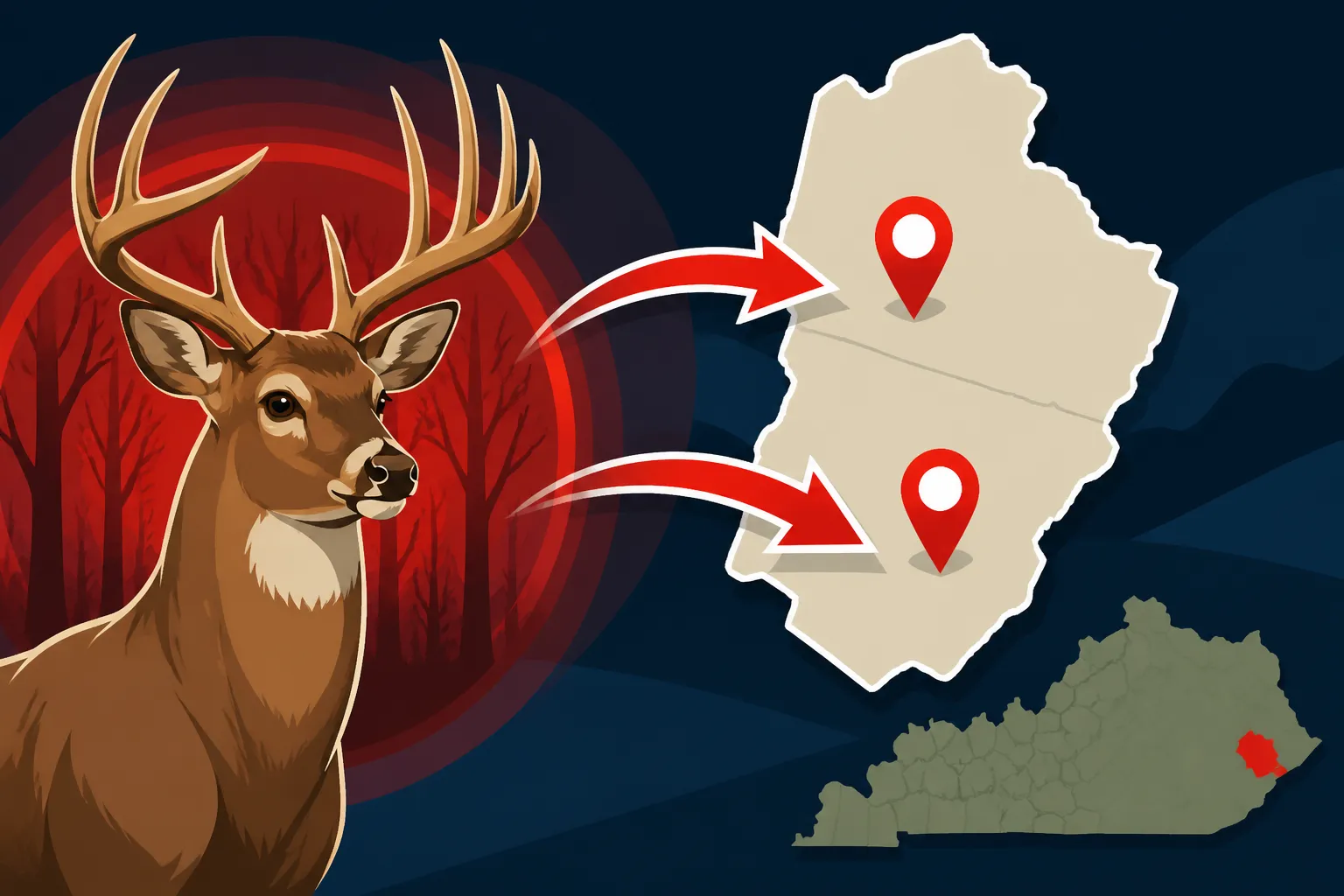
In January 2018, the KDFWR announced the first confirmed case of CWD in Kentucky. It wasn't in a wild deer, but rather in a captive deer facility in Ballard County. This was a critical distinction, but no less alarming. A two-year-old white-tailed deer buck at the facility tested positive. This immediate discovery, thanks to the vigilance of the facility operator and the KDFWR's testing protocols, triggered an urgent and comprehensive response.
The KDFWR acted swiftly. They immediately quarantined the facility, preventing any further movement of animals. Epidemiological investigations began to trace the origins of the infected deer and identify any potential exposures. This initial finding, though contained within a captive setting, was a wake-up call, confirming that CWD had indeed breached Kentucky's borders. It showed that even with the best intentions, captive cervid facilities, like any other managed population, carry inherent risks for disease introduction and spread.
Establishing the CWD Surveillance Zone
Following this initial detection in the captive facility, KDFWR moved quickly to establish the first Kentucky's Chronic Wasting Disease Surveillance Zone. This zone initially encompassed Ballard, Carlisle, and Hickman counties. The purpose of this zone was to intensify surveillance efforts in the surrounding wild deer population, assuming that if CWD was present in a captive facility, there was a risk it could have already spilled over into the wild herd, or that wild deer could be exposed to contaminated grounds.
Within this surveillance zone, new rules for hunters went into effect. These included mandatory CWD testing for all harvested deer, as well as strict Moving a Deer Carcass Out of the Surveillance Zone restrictions. Essentially, if you killed a deer in one of these counties, you couldn't take the whole carcass out of the zone without special processing. This was a significant change for hunters, and while it caused some understandable frustration, it was a necessary measure to prevent the potential spread of CWD to other parts of the state. The goal was to limit the movement of potentially infected materials, acknowledging the persistent nature of prions.
CWD's Leap to Wild Deer in Ballard County
While the first case was a blow, it was within a captive facility. The next development was perhaps even more concerning: CWD was detected in a wild deer in Ballard County.
The Nature of Persistent Prions and Reintroduction Risk
Even after the initial case and the implementation of intense surveillance, the risk of CWD reintroduction or a spillover into the wild remained. This is precisely because of those persistent prions we talked about earlier. If an infected animal had been shedding prions into the environment before the captive facility case was even detected, those prions could still be active in the soil. Furthermore, deer, especially bucks during the rut, travel considerable distances. A wild deer could have easily picked up prions from contaminated soil, or through direct contact with another infected animal, even one that had been exposed previously.
The environment itself acts as a reservoir for CWD prions. This means that even if all infected animals are removed, the disease agent can linger, waiting for a new host. It's a daunting challenge for wildlife managers, as it implies that eradication is incredibly difficult, and long-term management becomes the primary strategy. This constant environmental threat means that even with rigorous rules, a new detection is always a possibility.
The Second Detection and Ongoing Management
Then, in late 2020, KDFWR confirmed CWD in a wild white-tailed deer buck harvested in Ballard County. This was the critical "second time" for Ballard, and it significantly escalated the situation. This wasn't a captive animal; this was a free-ranging deer, a clear indication that the disease was now present in Kentucky's wild herd. This discovery immediately reinforced the need for even more stringent measures and confirmed the fears that the disease could not be entirely contained to a captive setting.
This second detection led to a re-evaluation and intensification of KDFWR's CWD management plan. The surveillance zone, which by now had also grown to include Marshall and Calloway counties, saw even more focused efforts. The focus became not just detection, but also understanding the prevalence and geographical spread within the wild population. It also underscored the fact that CWD isn't a simple problem with a simple solution. It requires ongoing adaptation and the continuous engagement of hunters, landowners, and the general public. While the story focuses on Ballard, it's worth noting that a later case in Pulaski County further expanded Kentucky's Twenty-Two County Surveillance Zone, demonstrating the continued vigilance needed across the state.
Navigating the CWD Surveillance Zone as a Hunter
Hunting in a CWD surveillance zone means a few extra steps, but they are crucial for protecting our deer and our hunting heritage. It's about being informed and responsible.
Mandatory Testing and Carcass Restrictions
If you plan to hunt in Ballard County, or any other county within the CWD Surveillance Zone, you need to be aware of the specific regulations. First and foremost, Mandatory Testing Inside Kentucky's CWD Zone is typically required for all deer harvested during certain periods, especially the modern gun season. This means you'll need to submit the head of your harvested deer at a designated sampling station. The KDFWR website and apps like GoHunt will have up-to-date information on sampling locations and hours. This information is vital for disease monitoring.
Secondly, strict Kentucky Carcass Movement Restrictions are in place. You generally cannot transport the whole deer carcass out of a CWD-positive county. You can, however, transport boned-out meat, cleaned skull plates (antlers), teeth, and hides. This rule is designed to prevent the physical movement of potentially infected prions from one area to another. It can be a hassle, especially if you live outside the zone, but it's a small price to pay for safeguarding the health of our deer statewide. Make sure you understand these rules before you go afield, as violations can carry penalties. After all, ensuring proper handling for Handling Venison From a CWD Surveillance County is paramount.
Practical Advice for Hunters in CWD Zones
Beyond the regulations, there are practical steps you can take to minimize risk and be a responsible hunter in a CWD zone.
- Be Prepared for Field Dressing: If you harvest a deer in a CWD zone, it's often best to field dress it at the kill site. This reduces the amount of material that needs to be transported. Wear gloves, and minimize contact with brain and spinal tissue. Dispose of carcass waste properly, ideally by burying it on site, if allowed, or by taking it to a designated collection point. Even if you're skilled at Field Dressing a Deer in Cold Weather, these extra precautions are important.
- Clean Your Equipment Thoroughly: Prions are tough, so clean and disinfect your knives, saws, and other equipment with a bleach solution (50/50 bleach and water) after field dressing.
- Know Your Meat: While there's no evidence CWD can transmit to humans, health organizations advise against consuming meat from CWD-positive animals. Always wait for test results before consuming venison from a CWD zone.
- Stay Informed: Regulations can change. Before each hunting season, check the latest KDFWR regulations, especially for the specific county you plan to hunt. GoHunt is an excellent resource for staying updated on regulations and CWD information.
Remember, our goal is to enjoy the tradition of hunting while actively participating in the conservation of Kentucky's wildlife.
Collective Action to Safeguard Kentucky's Deer
The fight against CWD is a long-term battle, and it's one that requires constant vigilance and a collective effort from every single person who cares about Kentucky's outdoors. It's not just about what the KDFWR does; it's about what we all do.
KDFWR's Long-Term CWD Management Plan
The KDFWR is committed to a multi-faceted approach to CWD management. Their plan includes:
- Intensified Surveillance: Continued and expanded CWD testing, particularly in and around existing surveillance zones and any new areas of concern. This is a constant effort to monitor the disease's spread and prevalence.
- Public Education and Outreach: Informing hunters, landowners, and the public about CWD, its risks, and the steps everyone can take to help. Education is key to compliance and prevention.
- Research and Collaboration: Working with universities, federal agencies, and other state wildlife departments to better understand CWD, develop more effective testing methods, and explore potential management strategies.
- Targeted Deer Management: In areas where CWD is detected, KDFWR may implement specific deer management strategies, such as increased antlerless harvest, to help control deer densities and potentially slow disease transmission. This can sometimes involve special permits or extended seasons to achieve population goals.
- Carcass Disposal Solutions: Exploring and implementing safe and effective methods for disposing of deer carcasses from CWD-positive areas to prevent environmental contamination.
These efforts are ongoing and evolve as new information becomes available. The department is constantly balancing the needs of the deer herd with the interests of hunters and other stakeholders.
The Role of Every Hunter in Prevention
Ultimately, the future health of Kentucky's deer herd, and our ability to continue enjoying our hunting traditions, rests heavily on the shoulders of every hunter. Your actions in the field and after the harvest have a direct impact.
- Report Sick Deer: If you see a deer exhibiting symptoms consistent with CWD (emaciation, drooling, listlessness, abnormal behavior, lack of fear of humans), report it immediately to the KDFWR. Don't assume someone else will.
- Comply with Regulations: Follow all CWD-related regulations, including mandatory testing and carcass restrictions, even if they're inconvenient. These rules are in place for a reason. GoHunt is a great resource to double-check current regulations before heading out.
- Support KDFWR Efforts: Your hunting license fees and support for wildlife agencies directly fund CWD surveillance and management. Be an advocate for sound wildlife management practices.
- Ethical Carcass Disposal: Never dispose of deer carcasses or parts improperly, especially if you've harvested a deer in a CWD zone. This is critical for preventing environmental contamination.
- Minimize Attraction: Avoid concentrating deer with artificial feed, as this can increase nose-to-nose contact and potential CWD transmission.
- Learn More: Take the time to understand CWD, its science, and its implications. The more informed we are, the better we can protect our resource. This disease is a different kind of threat than EHD Die-Offs in Kentucky Deer, and requires our ongoing attention.
By working together, staying informed, and taking responsible actions, we can all contribute to protecting Kentucky's incredible deer herd for generations to come.
CWD Characteristics & Hunter Guidelines Summary
Here's a quick overview of key CWD information and what hunters in surveillance zones need to know:
| Feature/Guideline | Description | Hunter Action in CWD Zone |
|---|---|---|
| Causative Agent | Misfolded proteins called Prions. | No specific action, but understand prions are tough to destroy. |
| Transmission | Direct (animal-to-animal contact) and Indirect (environmental contamination via bodily fluids, soil). | Avoid congregating deer, dispose of carcass waste responsibly, clean gear thoroughly. |
| Symptoms | Weight loss, drooling, listlessness, abnormal behavior. Long incubation period (months to years) before symptoms appear. | Report sick deer to KDFWR immediately. Assume healthy-looking deer could still be infected. |
| Testing | KDFWR conducts statewide surveillance; mandatory testing in surveillance zones during key seasons. | Mandatory during certain seasons. Submit deer head at designated CWD sampling stations. You can locate these with tools like Scouting With the Kentucky Hunt Fish App. |
| Carcass Movement | Whole carcasses from CWD-positive counties generally cannot leave the surveillance zone. | Only boned-out meat, cleaned skull plates/antlers, teeth, and hides may leave the zone. Learn how to manage Moving a Deer Carcass Out of the Surveillance Zone before your hunt. |
| Meat Consumption | No human cases reported, but health officials advise against consuming CWD-positive deer meat. | Wait for test results before consuming venison from a CWD zone. Consider having a plan for Butchering a Deer at Camp if you need to process it on-site before leaving the zone. |
| Environmental Persistence | Prions can remain infectious in soil and environment for many years. | Proper disposal of carcass parts is crucial to prevent further environmental contamination. When you Telechecking a Kentucky Deer Harvest, remember this is part of a larger monitoring system. |
| Hunter Education | Crucial for understanding risks, regulations, and responsible hunting practices. | Complete Kentucky Hunter Education Requirements and stay informed about CWD updates. |
Disclaimer
The information provided in this guide is for general informational purposes only and is not intended as legal advice. Hunting regulations, including those related to CWD, can change. Always consult the most current Kentucky Department of Fish and Wildlife Resources (KDFWR) regulations and official publications before participating in any hunting activities. Hunters are responsible for knowing and adhering to all applicable laws and regulations.