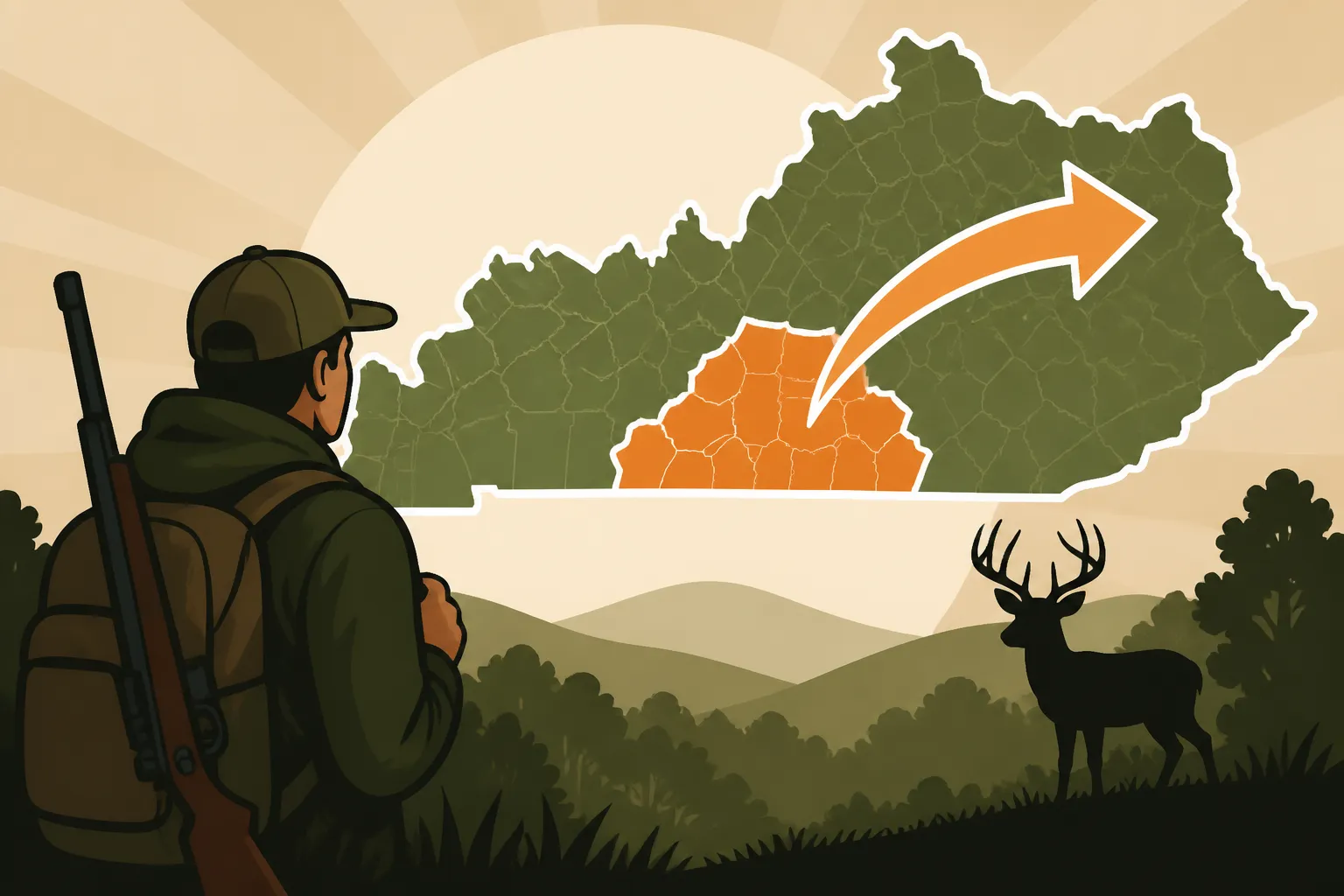
How the Pulaski County Case Expanded the Zone
It can be incredibly frustrating to keep up with Kentucky's hunting regulations, especially when new challenges like Chronic Wasting Disease (CWD) emerge and lead to sudden, significant shifts in established zones. Just when you think you've got a handle on the rules, a new case can pop up, throwing a wrench into your carefully planned season. This comprehensive guide will walk you through the pivotal Pulaski County CWD discovery, detailing exactly how this single case dramatically expanded Kentucky's CWD Surveillance Zone and what those changes mean for you as a hunter.
The Persistent Threat of Chronic Wasting Disease (CWD) in Kentucky
Chronic Wasting Disease (CWD) has cast a long shadow over deer herds across North America for years, and it's a topic no Kentucky hunter can afford to ignore. Understanding what CWD is, how it affects our deer, and how the Kentucky Department of Fish and Wildlife Resources (KDFWR) has been working to manage its potential spread is crucial for everyone who values our state's rich hunting traditions.
What CWD Means for Our Deer and Our Hunting Heritage
Let's talk frankly about CWD. It's a progressive, fatal neurological disease that affects cervids like deer, elk, and moose. It's caused by abnormal proteins called prions, which slowly accumulate in the brain and other tissues, leading to severe neurological damage. Imagine a deer that gradually loses weight, becomes listless, exhibits abnormal behavior, and eventually, well, wastes away. That's essentially CWD. There's no vaccine, no cure, and it's always fatal. The disease is highly contagious and can be transmitted directly through animal-to-animal contact or indirectly through contaminated environments, such as soil where infected carcasses or bodily fluids have been deposited. The scary part is that prions can persist in the environment for a very long time, making eradication incredibly difficult once it takes hold in a wild population.
For hunters, the implications are profound. Beyond the ethical concerns of harvesting a sick animal, there's the long-term health of the deer herd itself. A widespread CWD infection could decimate populations, alter hunting opportunities, and potentially even change public perception of venison. It's not just about tags and seasons; it's about the very future of deer hunting in Kentucky, which is why the KDFWR takes every positive detection so seriously. It's a challenge that demands our attention and cooperation if we want to preserve the legacy of deer hunting for generations to come.
Kentucky's Initial Response: The Ballard County Surveillance Zone
Kentucky hasn't been immune to the threat of CWD. Our state has been proactive in monitoring for the disease, especially given its presence in neighboring states. Prior to the Pulaski County incident, the primary focus of Kentucky's CWD surveillance efforts centered around Ballard County. This area became the first designated CWD Surveillance Zone due to confirmed cases found in captive deer facilities. These detections, while not in wild deer, were enough to raise significant alarms and prompt immediate action from the KDFWR.
The establishment of the Ballard County CWD Surveillance Zone wasn't a decision taken lightly. It brought with it a host of new regulations for hunters, including mandatory testing requirements for deer harvested within that specific zone and strict rules regarding the movement of deer carcasses. Hunters who were used to certain freedoms suddenly found themselves needing to understand complex new guidelines. The entire process was designed to detect any spillover into the wild deer population and contain the disease if possible. You can read more about how this initial situation unfolded and the specific circumstances in Why Ballard County Has Two Confirmed CWD Cases, which provides context for these foundational CWD regulations. For a broader overview, take a look at Kentucky's Chronic Wasting Disease Surveillance Zone. This initial zone served as Kentucky's first line of defense, teaching us valuable lessons about rapid response and the need for hunter vigilance, lessons that would soon become even more critical.
The Game-Changing Discovery in Pulaski County
Just when many hunters were getting accustomed to the CWD surveillance focused primarily on the western end of the state, a new development emerged that shifted the entire landscape of CWD management in Kentucky. The detection of a CWD-positive deer in Pulaski County was a pivotal moment, fundamentally altering the state's strategy and bringing the threat of CWD much closer to home for a vast number of hunters.
A Wild Deer Case Far From the Established Zone
The news hit the hunting community on February 8, 2023, and it was a significant moment for CWD management in Kentucky: a wild white-tailed deer harvested in Pulaski County had tested positive for Chronic Wasting Disease. This wasn't just another case; it was a game-changer because, unlike the previous detections linked to captive facilities, this was a wild deer found miles away from the existing Ballard County Surveillance Zone. Imagine the conversations at deer camps and hunting clubs – suddenly, the threat wasn't just "over there" but had appeared in a completely different part of the state, signaling a potentially broader and more entrenched presence of the disease in our wild herds.
This single discovery immediately raised concerns. Was it an isolated incident? Had the disease been present and undetected for some time? The geographic distance from Ballard County (over 200 miles) strongly suggested that this wasn't a direct spread from the existing western Kentucky zone. Instead, it implied either a separate introduction or a much wider, undetected distribution of the disease than previously thought. This situation underscored the insidious nature of CWD and the challenges of monitoring a disease that can have a long incubation period before symptoms become obvious. For hunters, it meant that the conversation about CWD suddenly became very real and very personal, regardless of where they typically hunted in Kentucky.
How One Case Redrew the CWD Map
The KDFWR responded swiftly and decisively to the Pulaski County CWD detection. Recognizing the serious implications of a wild deer testing positive outside the existing zone, the department immediately moved to expand the CWD Surveillance Zone dramatically. This wasn't just adding Pulaski County; it was a comprehensive re-evaluation of potential risk and spread. The initial Ballard County zone was primarily focused on containing potential spillover from captive facilities, but the Pulaski case suggested CWD was already circulating in wild populations, far removed from that initial focus.
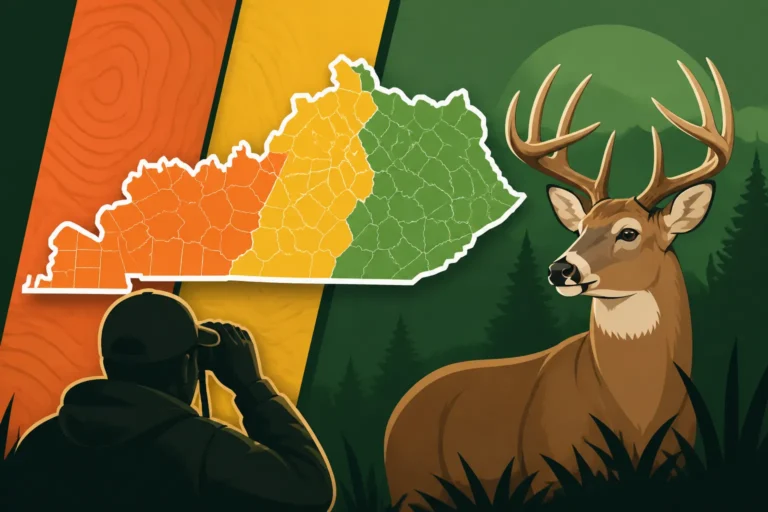
As a result, the CWD Surveillance Zone was expanded from the handful of counties around Ballard to a staggering 22 counties. This expansion included Pulaski County and a large swath of counties surrounding it in the south-central and eastern parts of the state. This move was a necessary, though impactful, step to increase surveillance and gather more data in a much wider area. For hunters, this meant that regulations like mandatory testing and carcass movement restrictions, previously limited to a small corner of Kentucky, now applied to a significant portion of the Commonwealth. It was a dramatic redrawing of the map, and it highlighted the KDFWR's commitment to aggressively monitor and manage CWD. If you want to dive deeper into the specifics of this expansion, you can find more information in Why Pulaski County's Case Expanded the Map. Tools like GoHunt became invaluable during this time, allowing hunters to quickly identify if their favorite hunting spots now fell within the newly expanded zone and understand the updated regulations instantly.
Navigating Hunting Season in Kentucky's Expanded CWD Surveillance Zone
With the dramatic expansion of the CWD Surveillance Zone following the Pulaski County case, Kentucky hunters suddenly found themselves facing a new reality. The rules of engagement for deer hunting changed significantly, and understanding these new regulations is not just about compliance; it's about protecting our shared resource and ensuring the future of our hunting opportunities.
Mandatory Testing: What Hunters Need to Know
One of the most critical changes implemented with the expanded CWD Surveillance Zone is the requirement for mandatory CWD testing. If you harvest a deer within any of the designated CWD surveillance counties, you are now legally required to submit the head for CWD testing. This isn't optional; it's a vital part of KDFWR's strategy to gather data on the prevalence and distribution of the disease. The department needs as much information as possible to understand the scope of the problem and make informed management decisions.
So, what does this mean for you, practically speaking? First, you'll need to locate an official CWD sampling station. These are often at specific drop-off locations, such as designated coolers, participating deer processors, or KDFWR offices, especially during the peak of deer season. You'll typically need to telecheck your deer first, and then attach your confirmation number to the deer's head before dropping it off. Make sure you remove the antlers if you want to keep them, as the head (specifically the brainstem and lymph nodes) is what's needed for testing. It's a small inconvenience, but a crucial one for the health of our herd. For comprehensive details on the process, check out Mandatory Testing Inside Kentucky's CWD Zone. The KDFWR website and apps like the Kentucky Hunt Fish app are your best friends for finding the closest sampling station and understanding the precise steps for compliance.
Strict Rules for Carcass Movement
Beyond mandatory testing, the expanded CWD Surveillance Zone also brought with it stringent regulations regarding carcass movement. The primary goal here is to prevent the inadvertent spread of CWD prions to unaffected areas of the state or even into neighboring states. Transporting an entire deer carcass out of a CWD surveillance county is strictly prohibited, with very few exceptions. This is because CWD prions are found throughout the animal, not just in the brain.
So, how can you still take your deer home if you've harvested it in the zone? You generally have a few options:
- De-bone the meat: This is the most common and practical solution. You can bone out your deer in the field or at a deer processor within the CWD zone. Once the meat is de-boned, packaged, and free of brain or spinal tissue, it can be transported out of the zone.
- Remove high-risk parts: This includes the brain, spinal cord, eyes, spleen, and lymph nodes. These parts must be left within the CWD zone.
- Taxidermy: If you're taking your deer to a taxidermist, the skull plate with antlers attached (cleaned of all brain and spinal tissue), hides, and teeth are generally allowed to leave the zone. However, always confirm specific taxidermy rules with the KDFWR.
These rules can feel like a hassle, especially if you hunt far from home, but they are absolutely essential in preventing further spread. Imagine taking a deer with undetected CWD prions and leaving contaminated bone or tissue in your home county; that's exactly what these regulations aim to prevent. It's about being a responsible steward of the land and the wildlife. For a detailed guide on what you can and cannot move, consult Moving a Deer Carcass Out of the Surveillance Zone. When planning your hunt, remember to factor in the time and resources needed for proper carcass processing within these zones. Many hunters are now making arrangements with local processors within the CWD zone or bringing extra gear for field quartering to ensure compliance. GoHunt can be a great resource for identifying CWD zone boundaries on your maps, helping you plan your harvest and processing logistics well in advance.
The Future of Deer Hunting in the CWD Era
The expansion of Kentucky's CWD Surveillance Zone isn't just a temporary hurdle; it signals a new era for deer hunting in our state. The KDFWR is committed to a long-term strategy of monitoring, research, and adaptive management to deal with this disease. This will likely mean continued, and possibly evolving, regulations for hunters in affected areas, and potentially even new zones if further cases emerge.
For us, the hunters, this means staying informed and staying engaged. Our cooperation with KDFWR's efforts is paramount. This includes adhering to all testing and carcass movement rules, but also being vigilant in the field. If you see a deer exhibiting signs of CWD – extreme emaciation, abnormal behavior, drooling, or loss of coordination – it's crucial to report it to the KDFWR immediately. Your observations can be incredibly valuable in tracking and understanding the disease's spread. While the presence of CWD is concerning, it doesn't mean the end of deer hunting. It simply means we must adapt, educate ourselves, and work together to mitigate its impact and ensure that future generations can continue to enjoy Kentucky's fantastic deer hunting opportunities.
Preparing for Your Hunt in a CWD-Affected Landscape
Hunting in Kentucky has always required preparation, but the expanded CWD Surveillance Zone adds another layer to that planning. It's no longer just about scouting and gear; it's about being acutely aware of the regulatory landscape and making informed decisions to ensure both a successful hunt and responsible game management.
Scouting and Strategy in the Expanded Zone
When you're planning your deer hunt in any of the counties now part of the expanded CWD Surveillance Zone, your scouting and overall strategy might need some adjustments. Beyond finding prime deer habitat and sign, you'll want to be extra mindful of your specific location. Knowing if you're inside or outside the CWD zone, or even near a boundary, will dictate your post-harvest actions. This might mean adjusting where you set up your treestand or ground blind, especially if you plan to quarter a deer in the field. Having a portable game processing kit, including gloves, knives, and game bags, can be a lifesaver for quartering a deer on the spot to comply with carcass movement restrictions.
Also, it's a good idea to scout for CWD sampling stations. Know where the closest drop-off point is before you head out for your hunt. This foresight can save you a lot of headache and extra driving after a successful harvest, especially if you're hunting public land like parts of the Daniel Boone National Forest that might now be within the zone. Use resources like the official KDFWR website or the Kentucky Hunt Fish App to get the most up-to-date map of the CWD zone and sampling locations. Paying attention to details like Scouting With the Kentucky Hunt Fish App will make you a much more efficient and compliant hunter.
Staying Informed with Reliable Resources
In an ever-changing regulatory environment, especially concerning something as serious as CWD, relying on accurate and up-to-date information is non-negotiable. The Kentucky Department of Fish and Wildlife Resources (KDFWR) is your primary and most authoritative source for all CWD-related regulations, zone maps, and sampling station locations. Their website is regularly updated, and their staff are available to answer questions. Don't rely on rumor or outdated information from social media.
Beyond the KDFWR, comprehensive hunting platforms like GoHunt offer mapping tools and regulatory summaries that can be incredibly helpful for visualizing the CWD zone boundaries, cross-referencing them with your hunting areas, and staying abreast of any new announcements. These tools are designed to integrate seamlessly with official state data, giving you confidence that you're always looking at the most current information. Checking KDFWR publications or a trusted resource like GoHunt before each season, and even before each hunt if regulations are particularly dynamic, should become a standard part of your preparation. Don't forget to review Kentucky Deer Harvest Reporting Rules to ensure you're compliant with the general harvest reporting in addition to CWD-specific rules.
Your Role in Protecting Kentucky's Deer Herd
Ultimately, the fight against CWD isn't just KDFWR's responsibility; it's ours, the hunters. We are the boots on the ground, the eyes and ears in the woods, and our actions can make a real difference. Beyond adhering to the mandatory testing and carcass movement rules, responsible hunting involves active participation in monitoring the herd's health. If you observe any deer that appears sick, lethargic, or displays unusual behavior – a deer that looks like it's "wasting away" – it's incredibly important to report it to the KDFWR. This information is critical for their surveillance efforts and can help detect new cases early. Details on how to report such sightings can be found in Reporting a Sick Animal in Kentucky.
Proper field dressing and meat care are also essential. If you hunt within the CWD zone, consider the gutless method of field dressing to minimize the spread of potentially infected material. Always wear gloves, and if possible, use separate knives for processing deer in a CWD zone. Dispose of carcass waste properly within the CWD zone, preferably at a permitted landfill or by burying it deeply where it was harvested. By taking these extra steps, you're not just complying with regulations; you're actively contributing to the health of Kentucky's deer herd and ensuring that our hunting heritage remains vibrant for years to come.
CWD Surveillance Zone Expansion: Before and After Pulaski County
Here's a quick look at how the CWD Surveillance Zone expanded due to the Pulaski County case.
| Aspect | Prior to Pulaski County Case (Early 2023) | Post-Pulaski County Case (February 2023 Onward) |
|---|---|---|
| Primary Trigger for Zone | Captive deer facility cases | Wild deer confirmed positive |
| Core Geographic Focus | Western Kentucky (Ballard County vicinity) | South-Central and Eastern Kentucky |
| Counties in CWD Zone | Ballard (and potentially immediate neighbors after initial detections) | 22 Counties (including Pulaski and surrounding counties) |
| Key Implication for Hunters | Localized mandatory testing/carcass rules | Widespread mandatory testing/carcass rules |
| Significance of Case | Containing captive spillover | Wild herd spread confirmed, greater concern |
Disclaimer
The information provided in this guide is intended for general informational purposes only and may not be the most current or complete. Hunting regulations, including those pertaining to Chronic Wasting Disease (CWD), can change frequently. It is the sole responsibility of the hunter to check and comply with all current Kentucky Department of Fish and Wildlife Resources (KDFWR) regulations before hunting. Always refer to the official KDFWR website or their publications for the most accurate and up-to-date rules.