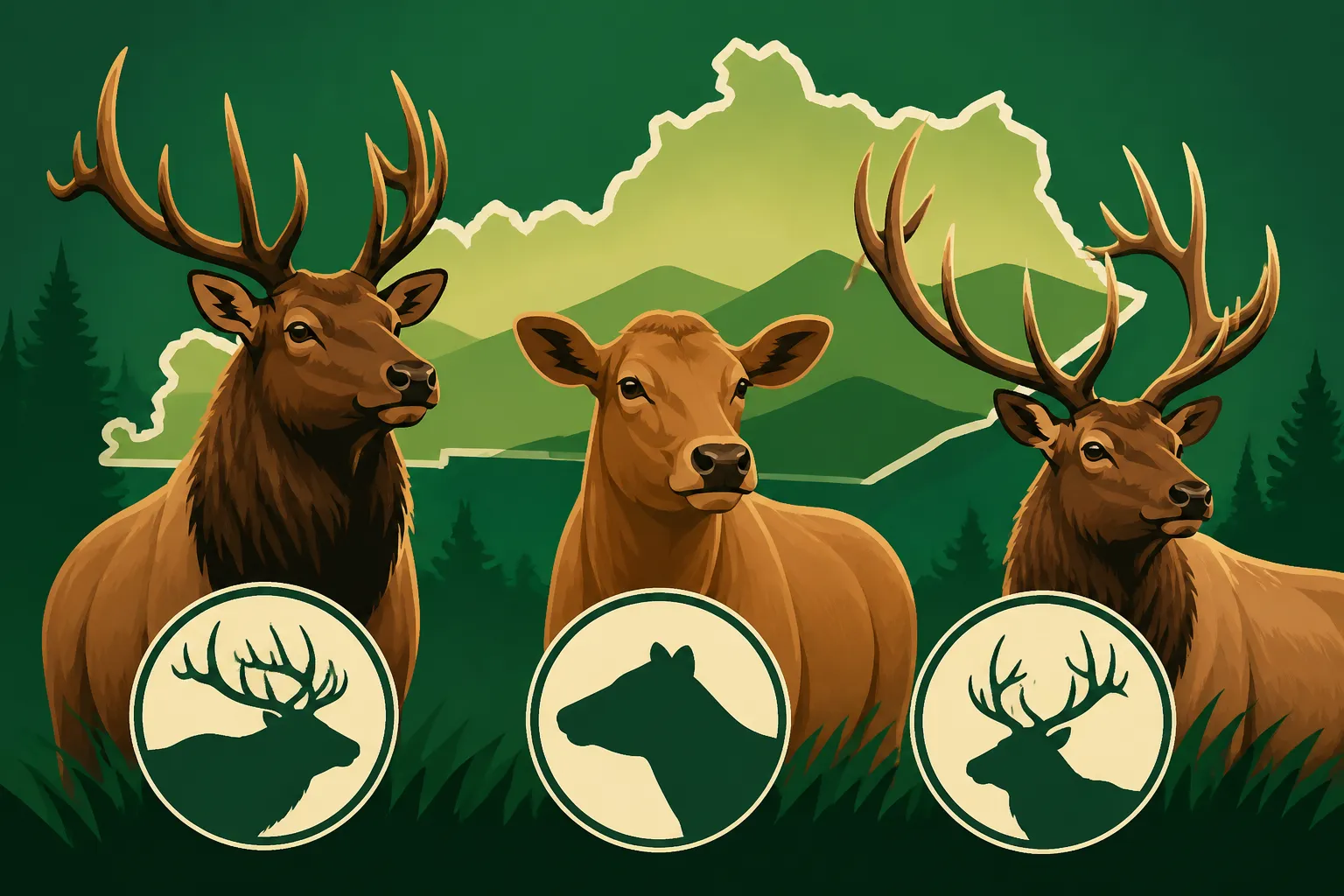
Bull, Cow and Either-Sex Elk Permit Types
Trying to navigate the Kentucky elk permit system can feel like deciphering ancient scrolls, especially when you're dreaming of those majestic animals roaming the eastern coalfields. The different types of permits – bull, cow, and either-sex – each come with their own set of rules, seasons, and expectations, leaving many hunters scratching their heads. This comprehensive guide is here to untangle that complexity, breaking down each permit type so you can approach the draw with confidence and a clear understanding of what you're applying for.
Understanding Kentucky's Elk Permit System
Kentucky's elk herd is a true conservation success story, growing from a reintroduction effort into the largest herd east of the Mississippi River. This remarkable achievement, however, also means managing a highly sought-after hunting opportunity through a carefully designed lottery system. It’s not a free-for-all; it’s a privilege, and understanding how to even get your foot in the door is the first crucial step.
The Annual Draw System and Application Process
Kentucky doesn't operate on a traditional "preference point" system for elk, which can be a relief or a point of confusion for hunters familiar with western states. Instead, it runs on a true lottery. Every year, regardless of whether you've applied before or your success in previous draws, your name goes into the hat with an equal chance as everyone else. This means a first-time applicant has the same odds as someone who's been applying for a decade, which certainly adds a unique thrill (and a bit of a nail-biter) to the process!
The application window is usually pretty specific, often in the spring, so it’s absolutely critical to mark your calendar. Missing the deadline means missing out on the entire season. You'll apply through the Kentucky Department of Fish and Wildlife Resources (KDFWR) online portal. When you apply, you're essentially buying chances in the lottery. Each application typically costs a small fee, and you can apply for different permit types (bull, cow, either-sex) if you wish, though you'll need to pay for each application. Most years, KDFWR issues around 500 elk permits total, making the odds pretty tough, but certainly not impossible. For a deep dive into the specifics, you can always check out the official Kentucky Elk Quota Hunt Rules.
Bonus Chances for Landowners and Volunteers
While Kentucky doesn't have a preference point system in the traditional sense, there are ways to increase your odds by earning bonus chances in the draw. This often comes into play if you're a landowner within the elk restoration zone who allows public hunting access or if you participate in approved landowner-guided hunt programs. For instance, some landowners who work with KDFWR to manage elk on their property and allow public hunting access might receive additional entries into the draw, effectively giving them more tickets in the lottery. Similarly, licensed guides who provide services in the elk zone might also be eligible for bonus entries under specific conditions.
This isn't about getting a guaranteed permit, but rather about enhancing your statistical chances in the random drawing. It's a way KDFWR encourages good land stewardship and hunter access. It’s important to understand these nuances if you live in the elk zone or are considering participating in any programs. Always verify the most current requirements and opportunities directly with KDFWR, as these programs can change. It's a testament to the fact that while the herd is a public resource, private landowners play a vital role in its health and accessibility, underscoring Why Kentucky Has the Largest Herd East of the Mississippi.
The Specifics of a Kentucky Bull Elk Permit
For many hunters, drawing a bull elk permit is the ultimate dream. There's something undeniably captivating about pursuing one of these majestic antlered animals, especially during the bugle. It’s a hunt that tests patience, skill, and often, sheer endurance.
What a Bull Permit Entails
A Kentucky bull elk permit specifically allows you to harvest an antlered bull. This means you’re looking for a male elk with at least one visible antler, typically a mature animal. The allure of a bull hunt often centers around the rut, when bulls are vocal, aggressive, and more mobile, actively seeking out cows. This is when the thrilling bugles echo through the hollers and ridges of eastern Kentucky. The sheer size of a bull elk, often weighing 700-800 pounds or more, makes the recovery a significant undertaking, requiring planning and muscle.
Successfully hunting a bull requires a different mindset and set of tactics compared to hunting a cow. You’re often trying to locate a specific animal, perhaps one with impressive headgear, and then devise a plan to get within range. This can involve extensive scouting, listening for bugles, and mastering various calling techniques. It’s a physically demanding hunt, often taking place in steep, rugged terrain. Hunters typically spend a lot of time on their feet, covering significant ground, or sitting patiently in strategically chosen spots near known travel corridors or feeding areas. For more on this, check out Rifles Built for a Southeastern Elk Hunt to ensure your gear is up to snuff.
Bull Permit Hunting Seasons and Units
Kentucky's bull elk permits are typically allocated to specific hunting units within the elk restoration zone, and they come with designated season dates, usually separated into archery/crossbow and modern gun seasons. For instance, the firearms bull season is a highly anticipated period, often falling in late September or early October, coinciding with peak rut activity. This can lead to incredible opportunities to call in or ambush a bugling bull.
On the other hand, the archery/crossbow bull season often runs for a longer duration, providing more flexibility but requiring a much closer encounter. During the archery season, you might be focused on hearing a distant bugle and then closing the distance silently, or setting up on a well-used trail. Each unit within the broader elk zone, such as those covered under Kentucky's Seven Elk Hunting Units, might have slightly different characteristics—some are steeper and more forested, while others incorporate reclaimed mine lands with more open visibility. Tactics will vary depending on the unit and the specific season. For instance, Hunting a Bull Firearm Elk Season involves understanding bullet trajectory and shot placement, while a successful archery hunt might heavily rely on Calling a Southeastern Kentucky Bull Elk into bow range. You need to study your assigned unit thoroughly, understanding its topography, access points, and typical elk behavior.
Diving into the Cow Elk Permit
While bull elk hunts grab many of the headlines, the cow elk permit is equally vital to Kentucky's elk management strategy and offers an incredibly rewarding hunting experience, often with higher success rates.
The Purpose and Focus of Cow Permits
A cow elk permit allows you to harvest an antlerless female elk. These permits are absolutely critical for effective herd management. When a population grows as successfully as Kentucky's elk herd has, managing the number of cows is essential to prevent overpopulation, ensure healthy habitat, and keep the herd within biological and social carrying capacities. Overpopulation can lead to habitat degradation, increased disease transmission, and more human-elk conflicts, especially with agricultural damage. By harvesting cows, KDFWR helps regulate herd size and maintain a healthy sex ratio, contributing to the long-term sustainability of the entire population.
For hunters, drawing a cow tag is often seen as a fantastic meat hunt. Cow elk provide a substantial amount of lean, delicious venison, making it a highly practical and sustainable hunting opportunity. While the thrill of a bugling bull isn’t part of a cow hunt, the challenge of locating and successfully harvesting a wary cow is its own reward. Success rates for cow permits tend to be higher than for bull permits, primarily because cows are often found in larger groups and can be less singular in their behavior, especially outside the rut. It emphasizes the importance of ethical harvesting, ensuring a clean kill and proper meat care, as these animals are truly a gift of sustenance.
Cow Permit Hunting Seasons and Strategic Approaches
Kentucky's cow elk seasons typically mirror the bull seasons, with designated periods for firearms and archery/crossbow. The firearms cow season usually runs in late fall or early winter, often after the main rut has concluded, which means elk are less vocal and more focused on feeding. This is when you'll find cows and calves grouped up, often in or near agricultural fields, reclaimed mine lands, or areas with abundant mast crops like acorns. Hunters pursuing cows during this time might employ more spot-and-stalk tactics or ambush strategies near known feeding and bedding areas.
For the archery/crossbow cow season, which is also generally longer, patience and stealth are paramount. You might focus on intercepting cows moving between bedding areas and food sources at dawn and dusk. Unlike a bull hunt where calling can be a major component, cow hunts are generally less reliant on vocalizations. Instead, success often hinges on detailed scouting, understanding daily elk movements, and being incredibly still and quiet in the woods. Specific units may have higher cow densities, and KDFWR will often allocate more cow permits to areas where population control is most needed. For more tactical advice on this, consider exploring resources on Hunting a Cow Firearm Elk Season, which often involves careful observation and precise shot placement to maximize efficiency and minimize disturbance to the herd.
The Flexibility of the Either-Sex Elk Permit
If drawing a bull tag is the dream and a cow tag is the strategic harvest, then the either-sex permit is truly the best of both worlds, offering unparalleled flexibility and a unique challenge. These permits are arguably the most coveted of all.
Understanding Either-Sex Permit Privileges
An either-sex elk permit is exactly what it sounds like: it allows the permit holder to harvest either an antlered bull or an antlerless cow. This flexibility is incredibly valuable, as it removes the pressure of being restricted to a single gender. Imagine you're out hunting and stumble upon a beautiful mature cow, but you hold a bull-only tag – that can be frustrating. With an either-sex permit, you can make an ethical and strategic decision in the moment, based on the opportunity presented.
This permit is highly desirable because it maximizes your chances of success while still allowing you to pursue the ultimate prize if a bull presents itself. It's especially beneficial in areas where bull sightings might be less predictable or when you prioritize meat for the freezer but still hope for a trophy. The rarity of these permits means that drawing one is a significant accomplishment and opens up a wide array of hunting possibilities, from chasing bugles to intercepting feeding groups. This type of permit often appeals to experienced hunters who understand the dynamics of elk behavior and can adapt their strategies on the fly.
Seasons, Units, and Ethical Considerations
Either-sex permits are primarily offered during the archery/crossbow season, which tends to have longer windows. This allows hunters to take advantage of various phases of elk behavior, from early season patterns to the rut. During the archery season, you might initially focus on calling in a bull during the peak rut, but if those opportunities don't pan out, you can pivot to targeting cows later in the season if a suitable opportunity arises. These hunts require even more adaptability and a broad understanding of elk behavior across different times of the year.
The units where either-sex permits are available are typically those with healthy, balanced populations where KDFWR aims to manage overall herd numbers rather than focusing solely on reducing cow numbers or increasing bull survival. For hunters holding this golden ticket, the ethical considerations are paramount. It’s crucial to make a quick, responsible decision when an animal presents itself. Are you holding out for a bull, or is the opportunity to fill the freezer with a cow too good to pass up? It’s a personal choice that often depends on your hunting goals for that particular season. Resources like Hunting the Archery-Crossbow Either-Sex Elk Season offer valuable insights into maximizing your odds when you have this kind of flexibility. The key is to be prepared for any scenario and to respect the animal and the privilege of the hunt, whether it's a massive bull or a productive cow.
Maximizing Your Chances in the Kentucky Elk Draw
The Kentucky elk draw is notoriously competitive, with thousands of applicants vying for a limited number of coveted permits each year. It can feel like finding a needle in a haystack, but there are definitely strategies and resources that can help you stack the odds in your favor, even if it's just by a fraction.
Application Strategies and Deadlines
First and foremost, never, ever miss the application deadline. Seriously, mark it on every calendar you own. The Kentucky Elk Application Window Dates are non-negotiable, and once it closes, you're out of luck for the year. The application process itself is straightforward, generally handled online through the KDFWR licensing portal. Take your time filling it out, double-checking all personal information and permit selections. A simple error could cost you.
While Kentucky doesn't have a preference point system that builds year after year, there are bonus opportunities, as we discussed. If you're a landowner in the elk zone or are considering participation in approved habitat management or guide programs, research how those bonus entries work. Even a single extra entry can incrementally improve your odds in a pure lottery system. Consider using resources like GoHunt, which often provides valuable insights into state draw odds, application processes, and unit breakdowns, helping you make informed decisions about which permit types to apply for based on your goals and historical success rates. They might even highlight patterns in permit allocations that could slightly influence your strategy, though in a true lottery, it still comes down to luck!
Post-Draw Preparation and Scouting
Congratulations, you drew a tag! That initial surge of excitement is incredible, but now the real work begins. Your very first step after confirming your draw should be to thoroughly review the specific regulations for your permit type and assigned unit. Understand your season dates, any specific boundary rules, and mandatory harvest reporting procedures. Getting your Kentucky Deer Permit Cost and Kentucky Turkey Permit Cost is one thing, but an elk tag is an entirely different level of investment and responsibility.
Next, it's time to hit the maps and start scouting. Even if you're not physically in Kentucky, you can begin with topographical maps, aerial imagery, and online resources provided by KDFWR. The Kentucky Hunt Fish App is an invaluable tool for understanding public land boundaries, WMA rules, and identifying potential elk habitat. Look for water sources, old logging roads, clear-cuts, and saddles that funnel elk movement. For those lucky enough to live closer or make a trip, boots-on-the-ground scouting is irreplaceable. Get to know your unit's terrain, look for fresh sign like tracks, droppings, and rubs, and identify potential bedding and feeding areas.
If you’re drawn for a bull tag, you might even focus on specific areas known for larger animals or prime bugling activity, keeping in mind resources like Elk Viewing in the Restoration Zone for general herd intelligence. Consider hiring a reputable guide if your budget allows and you're new to elk hunting in Kentucky. Guides often have years of experience and intimate knowledge of the units, which can dramatically increase your chances of success. They can also assist with the logistical challenges of a hunt, which are considerable when dealing with an animal the size of an elk. GoHunt also offers forums and community features where drawn hunters can share experiences and tips, providing another layer of preparation as you get ready for what will undoubtedly be an unforgettable adventure.
Kentucky Elk Permit Type Comparison
To help summarize the key differences and considerations for each elk permit type, here's a handy table:
| Permit Type | Primary Objective | Typical Hunting Style | Success Rate (General) | Physical Demand |
|---|---|---|---|---|
| Bull Permit | Trophy hunting, experiencing the rut, challenging pursuit | Calling, spot-and-stalk, ambush near bugling areas or travel corridors | Lower | High |
| Cow Permit | Herd management, meat acquisition, higher success | Spot-and-stalk, ambush near feeding/bedding areas, less calling | Higher | Moderate-High |
| Either-Sex Permit | Flexibility, high chance of harvest, diverse opportunities | Adaptive; combines bull tactics during rut with cow strategies later | Moderate-High | High |
Disclaimer
The information provided in this guide is for general informational purposes only and is not intended as legal advice. Hunting regulations and laws, including those pertaining to elk permits, seasons, and zones, are subject to change at any time. It is the responsibility of every hunter to consult the most current regulations published by the Kentucky Department of Fish and Wildlife Resources (KDFWR) before planning or engaging in any hunting activities. Always prioritize safety, ethical hunting practices, and compliance with all applicable federal, state, and local laws.