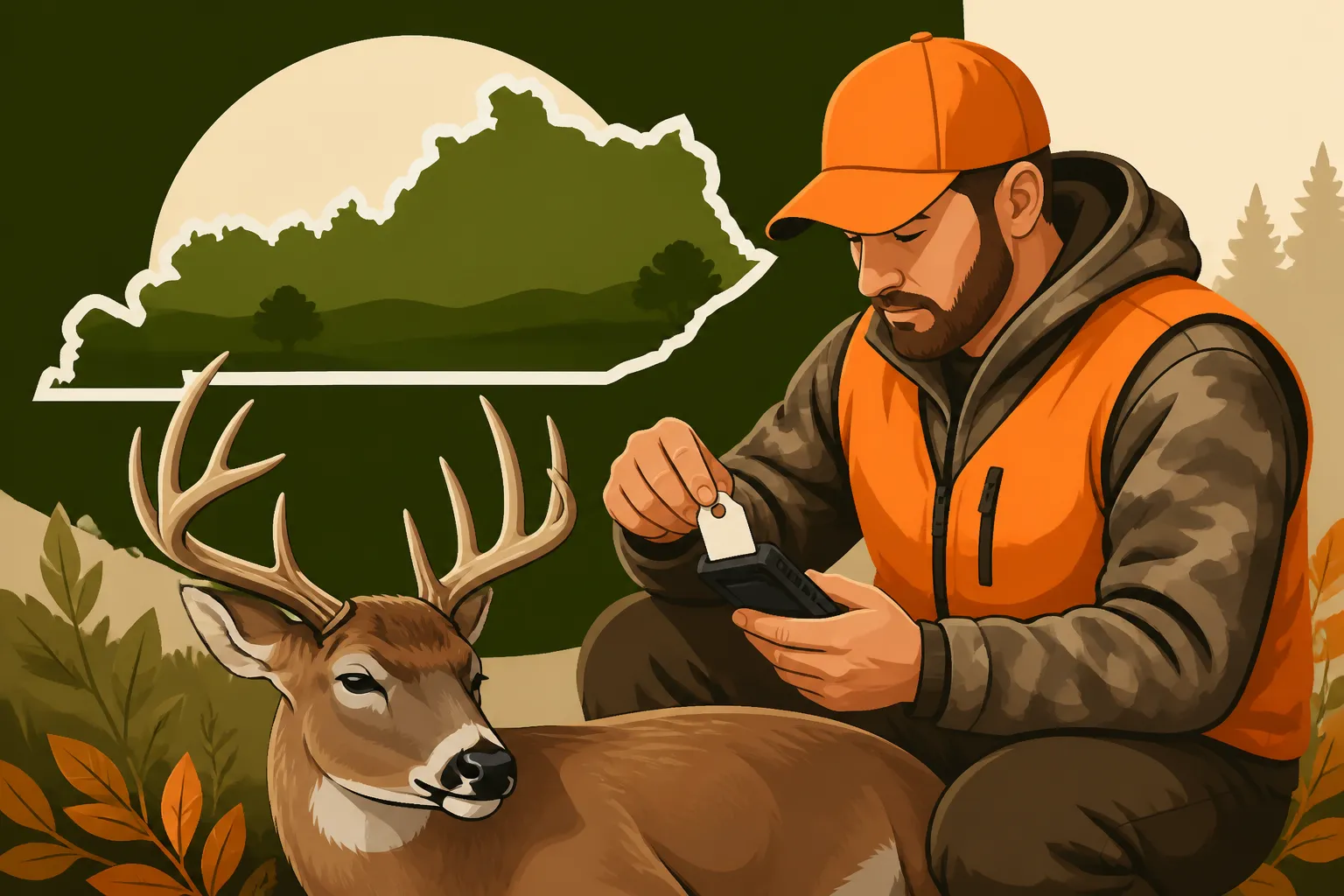
Telechecking a Kentucky Deer Harvest
You’ve just made a successful shot, found your deer, and the adrenaline is starting to subside. You’re likely exhausted, maybe covered in mud, but also incredibly proud. Now comes the important, but often confusing, step of reporting your harvest. This guide will walk you through the entire process of telechecking a Kentucky deer harvest, ensuring you comply with regulations and contribute to vital wildlife management efforts, all while avoiding common pitfalls.
Understanding Kentucky's Harvest Reporting Requirements
After the shot and the field dressing, one of the most critical responsibilities a hunter has is reporting their harvest. It's not just a bureaucratic hoop to jump through; it's a fundamental part of responsible wildlife management. Kentucky, like many states, relies heavily on accurate harvest data to make informed decisions about deer populations, season structures, and overall herd health.
Why Telecheck Matters to Wildlife Management
When you telecheck your deer, you're doing much more than just telling the state you harvested an animal. You're providing crucial data points that, when aggregated with thousands of other hunters' reports, paint a detailed picture of the deer herd. This information includes the date of harvest, the county where the deer was taken, and whether it was an antlered or antlerless animal. All of this helps the Kentucky Department of Fish and Wildlife Resources (KDFWR) understand population trends, localized densities, and the impact of various hunting seasons.
Think about it this way: if KDFWR sees a consistent decline in antlered bucks reported in a specific zone, they might consider adjusting antler restrictions or season lengths to allow more bucks to mature. Conversely, if antlerless deer harvests are low in an area experiencing crop damage complaints, they might increase antlerless opportunities. This data is the backbone of sustainable hunting, ensuring that future generations will have the same, if not better, hunting opportunities. Without accurate reporting, KDFWR would be flying blind, making it much harder to maintain a healthy and balanced deer population across Kentucky.
The Deadline and What Happens If You Miss It
One of the most common questions and sources of anxiety for hunters is the reporting deadline. In Kentucky, you are required to report your deer harvest via Telecheck by midnight on the day the deer is recovered and taken from the field. This isn't a suggestion; it's a hard and fast rule. This means if you recover a deer at dusk, you need to make sure it's reported before the clock strikes twelve, even if you're still miles from cell service or a computer. This strict deadline helps ensure the data is as fresh and accurate as possible, and it prevents confusion over which day a deer was actually harvested.
Failing to telecheck a deer by the deadline is a violation of Kentucky hunting regulations and can result in significant penalties. These penalties might include fines, loss of hunting privileges, or even confiscation of the harvested game. No one wants to deal with a conservation officer after a successful hunt because of an oversight in reporting. It’s always best to prioritize getting that deer checked, even if it means a quick trip to town or finding a Wi-Fi hotspot after a long day in the woods. Always plan for this step as part of your post-harvest routine, especially if you're out Hunting Western Kentucky Bottomland Deer or deep in Daniel Boone National Forest Hunting where connectivity can be spotty.
The Step-by-Step Telecheck Process
The actual process of telechecking a deer in Kentucky is designed to be straightforward, but knowing what to expect and what information you'll need beforehand can save you a lot of hassle. Whether you prefer the convenience of an online portal or the simplicity of a phone call, both options are available to ensure everyone can comply.
Gathering Your Information Before You Call or Go Online
Before you even think about dialing the number or logging onto the KDFWR website, take a few minutes to gather all the necessary information. Having it all ready will make the process much smoother and reduce the chances of making an error. Here's what you'll need:
- Your KDFWR Customer ID Number: This is a unique number assigned to you when you purchase your first license or permit. It's usually printed on your hunting license.
- The County of Harvest: Be specific. If you're hunting near a county line, make sure you know exactly which county the deer was taken in. This is critical for accurate data collection for specific zones like the CWD surveillance zone.
- The Type of Deer: Was it an antlered (buck) or antlerless (doe) deer?
- Date of Harvest: The exact day you recovered the deer.
- Method of Harvest: Was it taken with a bow, crossbow, muzzleloader, or modern firearm? This is particularly important because Kentucky has distinct seasons for each method, such as Muzzleloader Deer Hunting in Kentucky or Bowhunting Kentucky's Long Archery Season.
- Optional (but helpful): Your Confirmation Number from Previous Hunts (if applicable): While not required for this harvest, if you're managing multiple harvests, keeping track helps.
Double-checking these details while you're still at your truck or camp, before you're tired and rushing, is a smart move. Many hunters use mapping apps like GoHunt or the Kentucky Hunt Fish App on their phones to confirm their exact location and ensure they are reporting the correct county.
Using the Online Portal Versus the Phone System
Kentucky offers two primary ways to telecheck your deer: online or by phone. Both systems are available 24/7 during hunting season, making it convenient regardless of when you make your harvest.
The Online Portal:
The KDFWR Telecheck online portal is accessible through their official website. This is often the preferred method for many hunters because it allows for visual confirmation of entries and provides an immediate digital record. You'll log in using your customer ID and then follow the prompts to enter the required information. The system is designed to be user-friendly, with clear fields for each data point. Many hunters appreciate the ability to review their entry before submitting, reducing potential errors. It's a great option if you have reliable internet access, which can sometimes be a challenge if you're hunting deep in Still-Hunting Eastern Kentucky Ridges or other remote areas.
The Phone System:
For those without internet access, or who simply prefer to speak numbers into a phone, the Telecheck phone system is a reliable alternative. You'll call a dedicated toll-free number (1-800-243-9453) and follow the automated prompts. Be prepared to key in your customer ID and the harvest details using your phone's keypad. The system will guide you through each step, asking for the county, deer type, method, and date of harvest. While efficient, it requires careful listening and accurate input, as there's no visual confirmation until the process is complete. This method is a lifesaver when you're in an area with cell service but no data, or when you just want to get it done quickly without navigating a website on a small phone screen.
Receiving and Attaching Your Confirmation Number
Regardless of whether you use the online portal or the phone system, the final step in the Telecheck process is receiving your unique confirmation number. This number is paramount. It serves as your official record that the deer has been legally reported.
If you use the online portal, the confirmation number will be displayed on your screen immediately after successful submission, and often an email confirmation will be sent as well. Take a screenshot or write this number down in a secure place. If you use the phone system, the automated voice will verbally provide the confirmation number at the end of the call. Again, make sure to write it down accurately.
Once you have this number, Kentucky law requires that you immediately attach it to the deer. This can be done by writing it clearly on a piece of paper, a zip tie, or directly on a deer tag if you have one, and securing it to the deer's antler, ear, or leg. This physical tag must remain with the deer until it reaches its final destination for processing or consumption. This step is crucial for law enforcement officers who might check your harvest in the field or during transport, ensuring you have complied with the Kentucky Deer Harvest Reporting Rules. It's your proof of legal harvest and ensures transparency throughout the journey from field to freezer.
Common Issues and Troubleshooting Your Telecheck
Even with a straightforward system, issues can arise. Whether it's a dropped call, a forgotten detail, or a unique hunting situation, knowing how to troubleshoot common problems can prevent a lot of frustration and potential legal trouble.
What to Do If You Lose Cell Service or Internet Access
This is perhaps the most common headache for Kentucky hunters, especially those venturing into the remote reaches of places like the Daniel Boone National Forest or the deep hollers of Eastern Kentucky. You've harvested your deer, and you're ready to report, only to find you have no signal. The midnight deadline looms, and panic might start to set in.
First, don't just sit there hoping for a miracle. Prioritize getting to a location with service. This might mean driving to the nearest small town, gas station, or even just a higher elevation point. Many hunters keep a mental note of known cell service hotspots in their hunting areas for this very reason. If you're with a hunting buddy, ask if they have a different carrier that might have service where yours doesn't. Some hunters even carry satellite communicators, like a Garmin InReach, as a backup, though these typically don't directly support the Telecheck system. However, they could be used to communicate with someone outside your area who could then assist with the online report.
If you absolutely cannot get service or internet access before midnight, the best course of action is to document your efforts. Take photos showing your location, time stamps, and any error messages from your phone or device. As soon as you do get service, complete the Telecheck immediately. While strict, KDFWR officers are often understanding of genuine attempts to comply when verifiable circumstances prevent immediate reporting. However, this is not a loophole, and consistent failure to report on time can lead to penalties. The emphasis is always on diligence and immediate action once service is restored. For future hunts, consider scouting cell service dead zones in advance using tools like GoHunt's coverage maps or by simply checking your phone as you Scouting Kentucky Public Land Before Season.
Correcting Errors After Submission
Mistakes happen. Maybe you accidentally reported an antlered buck as an antlerless deer, or you keyed in the wrong county code. While it's always best to double-check before submitting, if you realize you've made an error after completing the Telecheck, don't despair.
The first step is to contact KDFWR directly as soon as possible. Do not try to re-submit or create a new entry for the same deer, as this can create further confusion and potential issues with duplicate records. KDFWR has a dedicated customer service line (usually listed on their website) where you can explain the error. They will have the ability to access your submitted information and make corrections on their end. Be ready to provide your customer ID, the original confirmation number, and the details of the error. The sooner you report the mistake, the easier it is for them to rectify it. Being proactive and transparent is key to avoiding any problems down the line.
Special Situations: Deer Taken in CWD Surveillance Zones
Kentucky is actively monitoring for Chronic Wasting Disease (CWD), and this impacts harvest reporting for deer taken in specific areas. If you harvest a deer in one of Kentucky's designated Kentucky's Chronic Wasting Disease Surveillance Zone counties, there are additional requirements you must follow.
Firstly, you still need to Telecheck your deer by midnight on the day of recovery, following the standard procedure. However, for deer harvested within the CWD surveillance zone, you are often required to submit the deer for CWD testing. This usually involves taking the deer's head to a designated CWD sampling station within a specific timeframe. You cannot move the carcass out of the surveillance zone until certain conditions are met, such as having the skull cap and antlers removed, and the meat processed.
It is absolutely crucial to be aware of which counties are in the CWD zone and what the current regulations are before you hunt there. These rules are put in place to help prevent the spread of CWD and protect Kentucky's deer herd. Always check the most current KDFWR regulations, especially concerning Mandatory Testing Inside Kentucky's CWD Zone and Moving a Deer Carcass Out of the Surveillance Zone, before hunting in these areas. Failure to comply with CWD-specific regulations can carry severe penalties, as these rules are critical for public and wildlife health.
Beyond the Check: What Happens Next
Reporting your harvest is a significant step, but it’s part of a larger picture of responsible hunting that extends even after you've received your confirmation number. Understanding the regulations for carcass movement and the long-term impact of your reported data is essential for every Kentucky hunter.
Carcass Movement Restrictions
Once your deer is telechecked and has its confirmation number attached, you might think you're free to take it anywhere. However, if you've harvested a deer in a CWD surveillance zone, there are strict Kentucky Carcass Movement Restrictions you need to be aware of. These rules are designed to prevent the accidental spread of CWD to unaffected areas through the movement of deer carcasses, particularly parts like the brain and spinal cord where prions are concentrated.
Generally, whole deer carcasses harvested in a CWD zone cannot be transported out of that zone without specific processing. This means you might need to bone out the meat, leave the skull plate and brain matter behind, or take it to a certified processor within the CWD zone before transporting any part of it. Even if you're not in a CWD zone, it's generally a good practice to process your deer as close to the harvest location as feasible, minimizing unnecessary movement of an entire carcass. Always consult the latest KDFWR regulations regarding carcass movement, especially if you plan to travel across county lines or out of state with your venison.
Importance of Accurate Harvest Data
We've touched on this a bit already, but it bears repeating: the accuracy of your harvest data directly influences the future of hunting in Kentucky. Every piece of information you provide – the county, the date, whether it was an antlered or antlerless animal – contributes to a comprehensive dataset that KDFWR uses to assess herd health, population density, and hunter success rates.
This data allows wildlife biologists to make science-based decisions about season lengths, bag limits, and specific management strategies for different regions. For example, knowing the Kentucky Annual Deer Harvest helps determine if the population is stable, growing too fast, or declining. If hunter reports consistently show an aging buck population in a certain area with few younger bucks, management might shift to protect young bucks, impacting antler point restrictions or other regulations. Your diligent and honest reporting ensures that these decisions are based on the best available information, leading to healthier deer populations and sustainable hunting opportunities for everyone in the long run. It's a small but powerful way you contribute to conservation every time you successfully Telechecking a Kentucky Deer Harvest.
Here's a quick reference table to help you through the Telecheck process:
| Information Needed | Description | Why It's Important |
|---|---|---|
| KDFWR Customer ID | Your unique identification number, found on your license. | Links the harvest to your hunting record. |
| County of Harvest | The specific Kentucky county where the deer was recovered. | Critical for localized population data and CWD zone monitoring. |
| Date of Harvest | The exact date the deer was taken from the field. | Establishes compliance with the midnight deadline and season dates. |
| Deer Type | Antlered (buck) or Antlerless (doe). | Informs buck-to-doe ratios and population structure assessments. |
| Method of Harvest | Bow, Crossbow, Muzzleloader, or Modern Firearm. | Tracks success rates and impacts of different weapon seasons. |
| Confirmation Number | The unique number received after successful Telecheck. | Your legal proof of reporting; must be attached to the deer. |
Disclaimer
Please remember that hunting regulations can change. Always consult the current Kentucky Department of Fish and Wildlife Resources (KDFWR) hunting guide or website for the most up-to-date and specific regulations before heading into the field. This guide is for informational purposes and should not be considered a substitute for official KDFWR publications.