Reading a Bottomland Slough for a Morning Flight
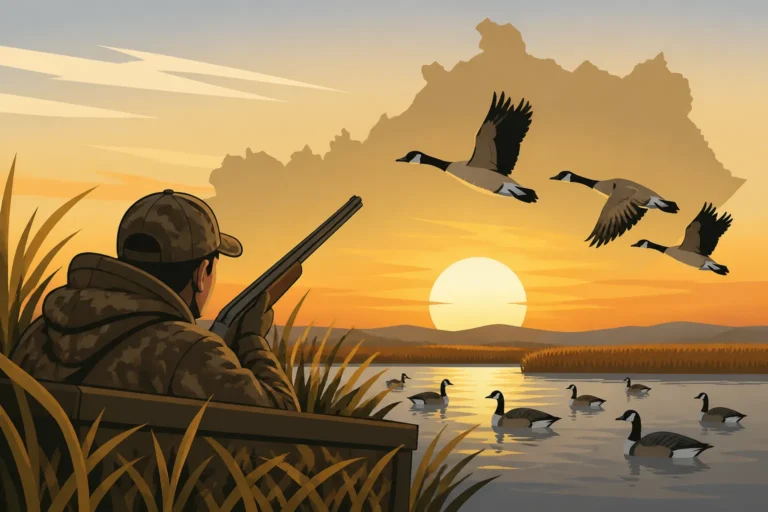
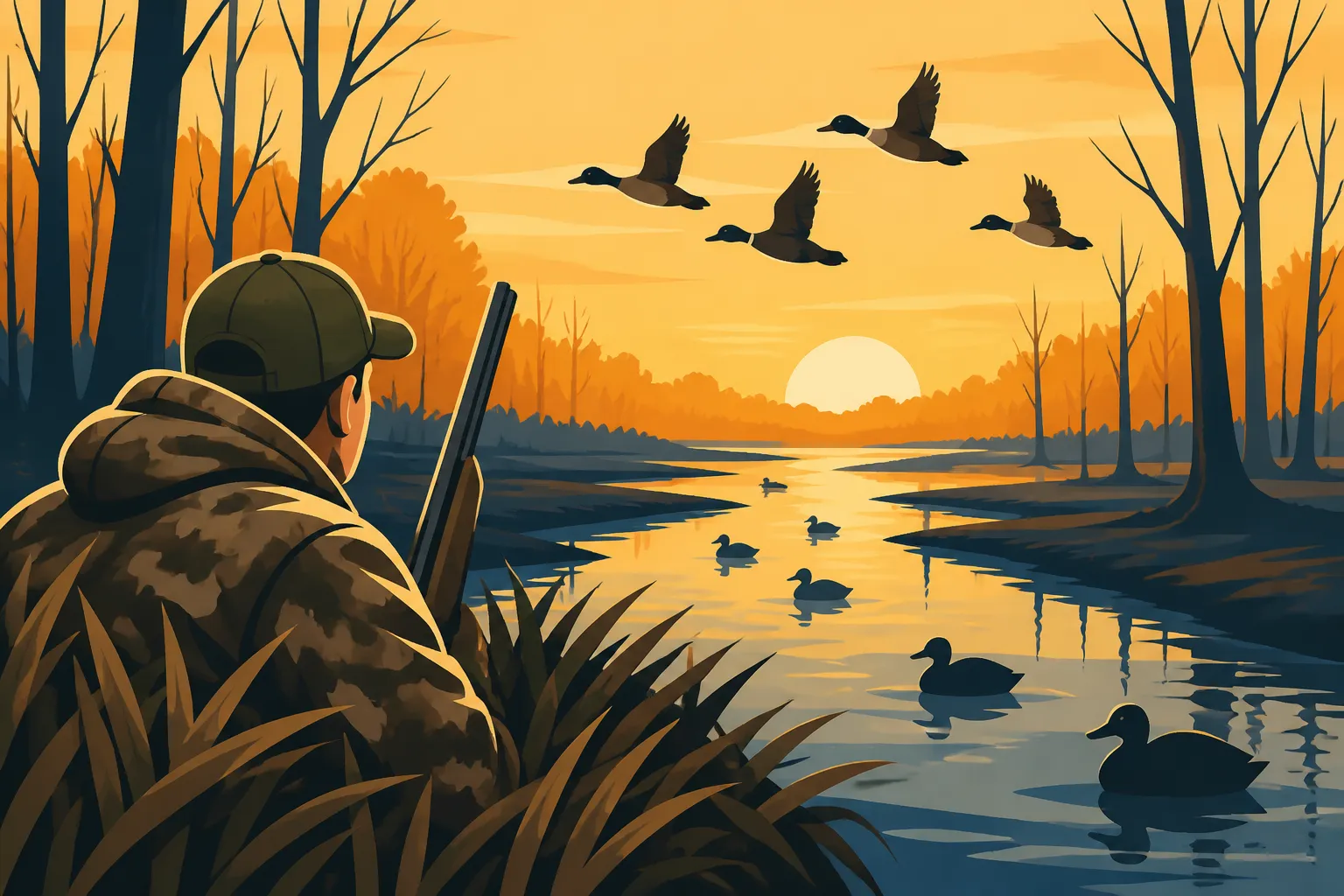
There’s nothing quite like the anticipation of a crisp fall morning in a Kentucky slough, waiting for the whistle of wings. But let’s be honest, we’ve all been there: you haul all your gear into a promising-looking backwater, hunker down in the chilly darkness, and then… nothing. The ducks just aren't there, or they fly right past your spread without a second glance. It's incredibly frustrating, and it leaves you wondering if you're missing something crucial. This guide is all about equipping you with the knowledge to "read" those bottomland sloughs like an open book, helping you anticipate where the birds want to be and giving you a much better shot at a successful morning flight.
Understanding Kentucky's Bottomland Sloughs
Kentucky's landscape, particularly in the western and central parts of the state, is crisscrossed with rivers and creeks that create incredible opportunities for waterfowl hunting. When these larger waterways overflow or simply leave remnants of their presence, they form what we lovingly call "sloughs" – low-lying, often sluggish, backwater areas. These aren't your typical wide-open lakes or rivers; they're unique, intricate ecosystems that, when understood, can be absolute magnets for ducks.
What Makes a Slough Attractive to Ducks?
Ducks are looking for very specific things, and sloughs often provide the perfect combination of food, cover, and safe resting areas that larger, more open water bodies might lack. Think about it: a vast expanse of water like Kentucky Lake offers plenty of space, but it might not have the sheltered nooks and crannies, or the readily available natural foods, that a smaller, more intimate slough provides.
Firstly, food is paramount. Many sloughs are teeming with natural duck foods that most hunters don't even realize are there. We're talking about things like smartweed, wild millet, pondweed, and various sedges. When you’re walking a slough, keep an eye out for these. If you find a spot with a dense patch of smartweed, especially if the seeds are mature, you’ve hit a goldmine. Ducks will actively dabble and dive in these areas. Additionally, in some bottomland areas, acorns from pin oaks, water oaks, and willow oaks can fall directly into the shallow edges of sloughs, providing a rich, high-energy food source. These natural buffet lines are often far more appealing than scattered corn in a cut field, though both can be productive.
Secondly, cover is huge, especially for puddle ducks like mallards, wood ducks, and pintails. Sloughs often feature standing timber, submerged brush, and thick emergent vegetation like cattails or buttonbush. This cover offers protection from predators, hides ducks from human disturbance, and breaks up strong winds, creating calmer water. A slough with a good mix of shallow, vegetated water and slightly deeper pockets near standing timber provides ducks with options for feeding, resting, and escaping. When you’re planning your hunt, think about how the birds would want to use that cover for safety and comfort.
Finally, sloughs offer a sense of seclusion. Many sloughs are harder to access, tucked away behind dense woods or fields, which means less hunting pressure. Ducks learn quickly where they can find sanctuary, and a less-pressured slough can become a consistent haven, especially during peak migration or after a major cold front. This makes them incredibly valuable to a diligent hunter.
Seasonal Changes and Water Levels
The dynamic nature of Kentucky's weather and river systems means that sloughs are constantly changing, and understanding these fluctuations is key to consistent success. A slough that was red-hot in September might be bone dry or completely frozen over by December.
In early season, typically September through early November, many sloughs will have lower, more stable water levels. This is when emergent vegetation like smartweed and millet is most accessible, and acorns might just be starting to drop. This period is often excellent for local wood ducks and early migrating teal. As you plan your early season hunts, consider consulting resources on Kentucky Duck Zone Boundaries to understand the specific opening dates for these species in your area.
As fall progresses into late November and December, things get interesting. This is when Kentucky often receives significant rainfall, or major rivers like the Ohio and Mississippi can rise, pushing water back into tributary creeks and filling sloughs. A fresh influx of water can completely transform a previously dry slough, making new feeding grounds available. This is often when you'll see a surge in mallards, gadwall, and other dabblers move in. The trick is knowing when the water has risen just enough to make those flooded woods or fields accessible but not so high that the ducks have too much open water and spread out. GoHunt's mapping tools can be invaluable here, helping you track precipitation and river gauges to predict when your favorite sloughs might be filling up.
Later in the season, January brings colder temperatures and the real possibility of ice. Sloughs often freeze over before larger bodies of water due to their shallower depths and slower currents. While ice can shut down many spots, it also concentrates ducks on the remaining open water. Sometimes, a partially frozen slough with a small pocket of open water near a seep or spring can be a late-season honey hole. Learning to identify these potential sanctuaries is a skill that takes time, but it pays off when other hunters are packing it in. Always remember that conditions shift, and what worked last week might not work today, so adaptability is your best friend.
Key Factors for Morning Flight Success
Beyond just understanding the physical characteristics of a slough, truly reading it for a successful morning flight means recognizing how external factors like weather, migration, and hunting pressure influence duck behavior. It's a complex puzzle, but each piece gives you a better chance of hitting the X.
Weather Conditions
Weather is arguably the biggest dictator of duck movement, especially in a slough environment. Ducks are always looking for comfort and accessible food, and the weather can change both dramatically.
- Wind: Wind direction and speed are critical. Ducks almost always land into the wind, much like an airplane. This means your blind needs to be positioned downwind of where you expect birds to approach, allowing them to cup their wings and set down right in your face. A strong north or northwest wind often signals a cold front pushing through, which can bring new birds into the area. In a slough, wind also creates ripples on the water, making your decoys look more lifelike and helping to break up your outline. However, too much wind can make small, sheltered sloughs less appealing if the cover isn't strong enough.
- Temperature: Cold temperatures, especially after a prolonged warm spell, can kickstart migration and make ducks much more active. A sudden drop in temperature can push birds south into Kentucky, filling sloughs that might have been quiet days before. Freezing temperatures will also limit open water, concentrating birds into the remaining unfrozen areas. Understanding Kentucky Waterfowl Migration Timing is crucial for predicting these movements.
- Precipitation: Rain can be a mixed bag. A light, steady rain can sometimes keep ducks flying lower and moving around, especially if combined with fog, making for excellent hunting. Heavy rain, however, might cause ducks to hunker down or seek shelter. Snow, especially a fresh blanket, can be fantastic. It covers up old tracks and hides your blind well, and ducks often become more active after a snowfall, feeding heavily.
- Fog: Fog often means low visibility, which can make long-range spotting difficult for both you and the birds. Ducks might fly lower and appear out of nowhere. It's a challenging condition, but if you're set up right in a known feeding area, it can lead to some intense close-range action.
Migration Patterns and Timing
Kentucky sits squarely in the Mississippi Flyway, making it a critical stopover for millions of ducks and geese traveling south. Knowing when different species are likely to pass through your area is fundamental to slough success.
Early season (September-October) in Kentucky often sees strong numbers of blue-winged teal, green-winged teal, and local wood ducks. These are often smaller, faster birds that are very responsive to early season calling and smaller decoy spreads. As you look at these smaller birds, remember to study up on topics like Wood Ducks in Kentucky Bottomland to understand their specific habitat preferences.
Mid-season (late October-November) is when the main push begins. Mallards, gadwall, wigeon, and pintails start showing up in greater numbers, often coinciding with significant cold fronts up north. This is the prime time for many slough hunters, especially if water levels are good. This period often aligns with the Kentucky Elk Quota Hunt Rules application window, showcasing how diverse hunting opportunities are in the state.
Late season (December-January) can still be incredibly productive, especially for mallards and black ducks, but it's heavily dependent on weather. If severe cold locks up water further north, Kentucky's open water, including certain sloughs, can hold a tremendous number of birds. It's also when you might see more divers like ringnecks or scaup, though sloughs are primarily puddle duck territory. Understanding the Duck Migration Timing Through Kentucky through reliable sources can give you a significant advantage in predicting these movements. Don’t forget that GoHunt can also offer valuable insights into historical migration data for various regions.
Hunting Pressure
Hunting pressure is a double-edged sword. On one hand, competition means more hunters, but on the other, heavily pressured ducks are often more wary and less likely to decoy easily. Sloughs, especially those that are harder to access, can offer a refuge from this pressure.
Ducks quickly learn to avoid areas where they're constantly shot at. If a slough is getting pounded day after day, birds will either leave the area entirely or become incredibly skittish, circling high and refusing to commit. This is why scouting and finding those less-pressured spots is so vital. Sometimes, simply walking an extra half-mile into a slough that others overlook can make all the difference. Think about it from a duck's perspective: where would you feel safe resting and feeding if every open piece of water was bombarded by hunters?
Public lands in Kentucky, while offering fantastic access, often see more pressure. Wildlife Management Areas (WMAs) like Sloughs WMA or Ballard WMA are renowned waterfowl destinations, but they also draw crowds. If you're hunting these areas, you might need to adapt your tactics, perhaps by going on weekdays, or finding those hard-to-reach pockets that other hunters skip. Conversely, small, private land sloughs, if you can gain permission, often hold less-pressured birds. Tools like GoHunt can help you visualize land ownership and identify potential access points or less-trafficked public parcels. Always be respectful of other hunters and give them space. A good experience for everyone helps foster a positive hunting community.
Scouting and Setups for Slough Hunting
The success of a morning flight in a slough often hinges long before dawn, with thorough scouting and a well-executed setup. You can’t just show up and expect results; you need to understand the nuances of the location and how to best position yourself.
Pre-Season Scouting and Observation
Scouting isn't just a pre-season activity; it's an ongoing process. Before the season even begins, use aerial maps to identify potential sloughs. Look for areas with dense vegetation, proximity to larger bodies of water, and natural funnels that ducks might use. The Scouting With the Kentucky Hunt Fish App is an invaluable tool for this, providing public land boundaries and topographical features.
Once you’ve identified potential spots, it’s time for boots on the ground (or waders in the water). During the off-season or just before the season, take a walk. Look for "duck sign":
- Feathers: Are there any shed feathers along the edges? This indicates ducks have been using the area.
- Droppings: Look for white or dark droppings on logs, stumps, or along mud flats. Fresh droppings are a clear indicator of recent activity.
- Tracks: Duck tracks in soft mud are a sure sign they're feeding in the shallows. Pay attention to the direction of tracks, which can indicate entry and exit points.
- Open Water Pockets: Even when a slough is mostly dry, look for subtle depressions that would hold water when things get wet. These are your future hotspots.
- Natural Food Sources: Actively search for smartweed, millet, and acorn trees. Identify what’s growing and where.
Using a kayak or canoe during scouting can give you a stealthy way to explore deeper into a slough without disturbing potential roosting areas. Pay attention to how the slough connects to larger water bodies; ducks often use these corridors. Don’t just look for ducks; look for what ducks need and what they use. When you’re back home, you can overlay your findings with satellite imagery from platforms like GoHunt to pinpoint precise locations for your blind.
Setting Up Your Blind and Decoys
The setup in a slough is often less about elaborate spreads and more about stealth and natural presentation. Ducks in sloughs are often looking for quiet, comfortable spots, not a massive party.
- Blind Placement: Your blind needs to blend seamlessly into the environment. Utilize natural cover like standing timber, thick brush, or tall grass. If you’re using a portable blind, ensure it’s brushed in thoroughly with local vegetation. Don’t cut down healthy trees or plants; use deadfall or cut brush from non-sensitive areas. Position your blind so you have a clear shot at incoming birds and, ideally, so the sun is at your back during the morning flight. This blinds the ducks as they approach and puts them in silhouette for you.
- Decoy Spreads: In sloughs, less is often more. A small, natural-looking spread of 6-12 decoys is often sufficient, especially for puddle ducks. Focus on realism. Mix up species like mallards, wood ducks, and a few teal. Place them in a natural feeding pattern, leaving a "landing zone" directly in front of your blind, into the wind. Consider adding a jerk string or a spinning wing decoy (where legal and appropriate) to add motion and attract attention, particularly on calm days. For more specific gear discussions, exploring resources like Decoy Spreads for Kentucky Lake Divers can offer insights, though slough tactics often differ for puddle ducks.
- Accessibility: Think about how you'll get in and out silently. For flooded timber or areas with soft mud, Marsh Boats and Push Poles can be invaluable. You might also consider waders. While topics like Chest Waders Versus Hip Boots for Flooded Timber often focus on specific depths, for sloughs, mobility and staying dry are key. The quietest entry and exit will maintain the slough's appeal to ducks.
Entry and Exit Strategies
This is where many hunters make crucial mistakes that can ruin a morning flight before it even begins. Ducks are incredibly sensitive to disturbance, especially during low-light conditions.
- Silent Approach: Plan your route to the blind in daylight. Identify any obstacles, muddy sections, or noisy brush. When you go in the dark, move slowly and deliberately. Avoid crunching leaves, splashing loudly, or slamming gates. If you must talk, whisper. Sound carries incredibly well over water in the quiet of early morning.
- Avoid Silhouetting: As you approach and set up, be mindful of your silhouette against the skyline, especially as dawn breaks. Ducks have exceptional eyesight. Try to stay low and use existing cover to obscure your profile. This is particularly important if you're setting up on a field edge adjacent to a slough.
- Departure: Just as important as a quiet entry is a quiet exit. Even if the hunting has been slow, leaving quietly ensures that you don't spook any birds that might be moving into the slough later in the day, or that might use it as a safe roost for future mornings. Never blow an air horn or make excessive noise just to let other hunters know you're leaving. Respect the tranquility of the environment and the potential for other hunters to be nearby. This discipline builds better hunting success over time.
Reading the Water and Weather on the Day
Even with the best pre-scouting and setup, success often comes down to making real-time adjustments based on what the ducks are telling you and how the conditions are changing. It's an art, not a science, and it requires keen observation and flexibility.
Interpreting Duck Behavior
Ducks communicate a lot through their actions. Learning to "read" their behavior can tell you if your spread is working, if they're wary, or if you need to change something up.
- Circling and Flaring: When ducks circle your spread multiple times but refuse to commit, or suddenly "flare" (turn sharply away) just before getting into range, it's a huge red flag. This usually means something is off. Are your decoys too uniform? Is your calling too aggressive? Is your blind visible? Is the wind direction making it awkward for them to land? Sometimes, it's as simple as an unnatural reflection off your gun barrel or a flicker of movement from an uncamouflaged face.
- Landing Short or Long: If ducks consistently land short of your spread, it might mean they don't trust your landing zone, or they're seeing something they don't like. If they land long, behind your decoys, it could indicate they're trying to get a better look, or they're more comfortable on the far side of your spread. In either case, consider adjusting your decoys, adding a few "sentinel" decoys further out, or repositioning your hide slightly.
- Ignoring Calls: If you're calling vigorously and ducks are completely ignoring you, either they're not interested in that particular feeding area, or your calling isn't convincing. Sometimes less is more; soft contented quacks are often more effective than aggressive hail calls, especially on pressured birds in smaller sloughs.
- Decoying Well: The ultimate sign of success is when ducks commit hard, cupping their wings, and dropping right into your spread without hesitation. When this happens, pay close attention to why it's working. What's the wind doing? What does your spread look like? How are you calling? Replicate that success throughout the day and in future hunts.
Adapting to Changing Conditions
Slough hunting is rarely static. The weather can change quickly in Kentucky, and ducks will respond immediately. Being flexible is a mark of a good waterfowl hunter.
- Wind Shifts: A sudden wind shift can completely ruin a perfect setup if you're not prepared. If the wind changes, ducks will adjust their approach, and your landing zone might no longer be into the wind. If possible, quickly adjust your decoy spread to re-orient your landing zone, or, if feasible, move your blind slightly to maintain the advantage. This might mean getting wet, but it’s often the difference between shooting and watching.
- Light Changes: As the sun rises higher, ducks become more wary. Your camo needs to be effective in full light, and movement needs to be minimized. The early morning "golden hour" is often the best, but don't give up if it gets brighter; just get tighter in your hide.
- Duck Numbers and Species: If fewer ducks are flying, you might need to increase your calling or add more motion. If a different species than expected is showing up (e.g., more divers than dabblers, though rare in sloughs), adjust your calls to match.
- Relocation: Sometimes, despite your best efforts, a particular spot just isn’t working. The ducks aren't there, or they're simply not committing. Don't be afraid to pull up stakes and move to a different slough or a different part of the same slough. This is where pre-scouting multiple locations truly pays off. Have a Plan B, or even a Plan C. GoHunt's detailed topographic maps can help you quickly identify alternative spots that might be working better with the current conditions.
Calling Strategies for Sloughs
Calling ducks in a slough is often a nuanced affair. You're usually dealing with smaller groups of birds in a more intimate setting, so subtlety can often be more effective than aggressive, high-volume calling.
- Soft, Contented Calls: For mallards and other puddle ducks, soft quacks, clucks, and contented feeding chuckles are often highly effective. These calls mimic ducks that are happily feeding and resting, which is exactly what new birds are looking for. Avoid overly loud or aggressive hail calls unless birds are at a great distance and seem to be passing by.
- Wood Duck Whistle: If you're hunting sloughs known for wood ducks, a wood duck squeal or whistle is an absolute must. These birds respond well to their own calls, especially in flooded timber where their high-pitched calls carry well.
- Vary Your Calling: Don't just make the same call over and over. Mix it up. Use a comeback call to bring circling birds back around, then switch to a greeting call as they get closer, finishing with soft clucks and feeding calls to bring them into the decoys.
- Read the Response: Pay attention to how the ducks respond. If they turn towards your call, keep calling to encourage them. If they seem to be flaring or getting nervous, ease off the calling, or switch to softer, more subtle sounds. Sometimes, no calling at all is the best strategy if birds are already headed your way.
- Less Can Be More: In small, tight sloughs, sometimes an initial soft greeting call is all you need. Overcalling can easily spook wary birds who are already looking for a quiet place to land. Knowing when to put the call down is just as important as knowing when to blow it.
Here's a quick reference table for reading common slough signs:
| Slough Feature/Sign | What It Might Mean | Recommended Action |
|---|---|---|
| Fresh Duck Droppings | Recent duck activity, good feeding/roosting spot. | Prioritize this area for a setup. |
| Abundant Smartweed/Millet | Excellent natural food source. | Focus setup near these patches, especially if shallowly flooded. |
| Acorn-Bearing Oaks | High-energy food in fall; look for acorns in the water. | Set up near flooded oak stands, particularly after a strong wind. |
| Thick Emergent Vegetation | Good cover from predators and wind, potential feeding zones. | Use this as natural blind material; ducks might stage here before entering open water. |
| Shallow Water Edges | Primary feeding areas for puddle ducks. | Position decoys in these zones, creating clear landing strips. |
| Deep Pockets Near Cover | Potential resting/roosting areas, especially in colder weather. | Watch these areas for birds staging before moving to feed. |
| Numerous Duck Tracks | Consistent use, active feeding/loafing area. | Indicates a high-value area; prioritize quiet approach and natural setup. |
| Connecting Channels | Flyways or travel corridors between larger water bodies and the slough. | Set up within visibility of these channels; ducks will follow them. |
| Turbid (Muddy) Water | May indicate recent heavy feeding or a surge of water. | Good sign of active use, especially for dabblers. |
| Clear Water Over Vegetation | Clear sign of accessible food, but also means high visibility for ducks. | Ensure your hide is impeccable, minimize movement. |
| Isolated/Hard-to-Access Spot | Less hunting pressure, potential for consistent bird usage. | Worth the extra effort to reach; often yields higher quality hunts. |
| Ice Formation | Remaining open water will concentrate ducks. | Focus on small open pockets, especially near springs or seeps. |
By observing, learning, and adapting, you'll find that reading a bottomland slough for a morning flight becomes less of a guessing game and more of a predictable, rewarding experience. It's about paying attention to the details, understanding the ecosystem, and letting the birds tell you what they want.
Disclaimer
Hunting is an inherently dangerous activity. Always prioritize safety, follow all local, state, and federal regulations, and obtain appropriate licenses and permits. The information provided in this guide is for informational purposes only and does not constitute professional advice. Ensure you are familiar with Kentucky's specific hunting laws and regulations before engaging in any hunting activities.