When Kentucky’s Archery Season Opens
That first crisp morning of fall, even if it still feels like summer, is something every Kentucky archer lives for. You've spent months dreaming, scouting, and practicing, and then suddenly, it's almost here. Trying to keep up with Kentucky's hunting season dates can sometimes feel like a moving target, especially when you're just looking for that one crucial date to mark on your calendar. This guide is dedicated to demystifying the start of archery season, providing you with everything you need to know to be ready when that long-awaited day finally arrives in the Bluegrass State.
The Anticipation Builds: When Kentucky's Archery Season Officially Kicks Off
There’s a unique kind of excitement that fills the air as August fades into September. For bowhunters across Kentucky, it’s not just about cooler weather on the horizon; it’s about the official start of deer season. We all spend countless hours poring over regulations, hoping that one critical date hasn't changed from the previous year.
Pinpointing the Opening Day
Let's cut right to the chase: Kentucky's statewide archery season for deer typically opens on the first Saturday of September. This date has been remarkably consistent for years, offering a reliable landmark for planning your entire hunting calendar. So, if you're looking at your calendar for 2024, for instance, you'd mark Saturday, September 7th. For 2025, it would be Saturday, September 6th. This consistency is a blessing, allowing us to plan our early-season scouting trips, vacation days, and even family events around that predictable opener. It’s the day when deer activity in Kentucky officially becomes fair game for archers across all deer management zones. Knowing the exact opening day helps you prepare not just your gear, but also your mental game for the season ahead.
Initial Rules and Gear Check
While the opening date is statewide, it’s crucial to remember that general statewide regulations apply immediately. This means your Kentucky hunting license and appropriate deer permits must be in hand. For many, this means grabbing the annual Kentucky Sportsman's License Bundle, which covers most bases, but always double-check your specific needs, especially if you're a nonresident or only hunt certain species. You can find comprehensive details on Kentucky Hunting Licenses and What They Cost. Beyond licenses, make sure your gear is squared away. Is your bow sighted in? Are your broadheads sharp? Have you checked all your tree stand straps and ropes? This early season, especially with potentially warmer weather, necessitates good planning. Your vertical bow or crossbow must meet the legal requirements for draw weight and arrow length, which are standard but always worth a quick review in the Kentucky hunting regulations.
More Than Just a Date: Understanding the Archery Season's Full Scope
While the opening day is undeniably exciting, it's just the beginning of a truly expansive opportunity for Kentucky archers. Unlike the more condensed modern gun or muzzleloader seasons, archery spans a significant portion of the year, offering diverse hunting experiences.
The Extended Archery Opportunity
What makes Kentucky's archery season so appealing, especially for dedicated bowhunters, is its sheer length. It doesn't just open in September and vanish; it continues straight through, often well into the following January. This extended timeframe allows hunters to experience the early season warmth, the peak of the rut, and the challenging but rewarding late-season cold fronts. This long period means you can refine your tactics, adapt to changing deer behavior, and hunt a variety of conditions. For instance, understanding How Kentucky's Archery Season Runs Into January can completely change your late-season hunting plans, opening up opportunities when many other methods are closed. This extensive window provides ample chances to fill your tags, whether you’re targeting a specific buck or simply enjoying the challenge of bowhunting.
Crossbows and Other Overlapping Seasons
One common question that arises with archery season is the legality of crossbows. Good news for many: crossbows are generally legal to use during the entire Kentucky archery season, right from that first Saturday in September. This offers flexibility for hunters who prefer crossbows due to physical limitations, increased accuracy, or simply personal preference. You don't need a special permit for a crossbow; if you have your archery deer permit, you're good to go. For more specifics, check out the detailed rules on Kentucky Crossbow Rules During Archery Season.
Beyond crossbows, the archery season often runs concurrently with other hunting methods for deer. For example, Kentucky's early muzzleloader season typically comes in mid-October for a weekend or so, and it falls squarely within the established archery dates. Later in the year, the modern gun season will also overlap with archery, giving hunters the choice of weapon or the ability to hunt with different methods on different days. This overlap means that while you might be bowhunting, other hunters could be afield with different legal equipment, which can influence deer patterns and pressure. It's vital to stay aware of what's allowed and where, especially if you're hunting public land.
Essential License and Permit Information
Before you even step foot into the woods, having the correct licenses and permits is non-negotiable. Every hunter in Kentucky, resident or nonresident, needs a basic hunting license. On top of that, if you're hunting deer, you'll need a Kentucky Deer Permit. This permit allows you to harvest up to four deer, with specific rules regarding antlered and antlerless deer based on the deer management zone you're hunting in. The cost of a Kentucky Deer Permit Cost is quite reasonable, and it's essential for legal hunting. Remember, you can purchase these licenses and permits online through the Kentucky Fish and Wildlife Resources website, often well in advance of the season opener. It's always a good idea to secure these early to avoid any last-minute scramble or technical issues that could delay your hunt. Understanding the Kentucky Deer Management Zone Rules for your specific county is also crucial, as these zones dictate antlerless bag limits and sometimes even affect when and where you can hunt.
Early Season Archery: Navigating the September Woods in Kentucky
The opening of archery season in September presents a unique set of challenges and opportunities that are distinct from later in the fall. The weather is often still quite warm, and deer behavior hasn't yet shifted into the pre-rut or rut phases we eagerly anticipate.
Decoding Early Season Deer Patterns
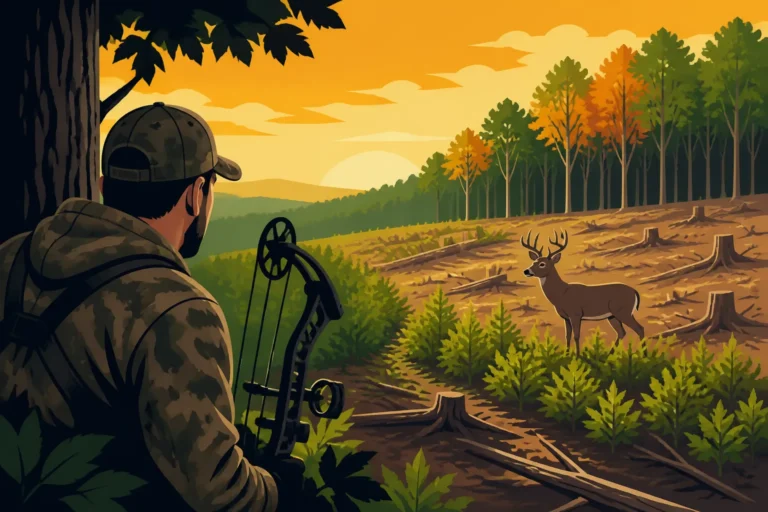
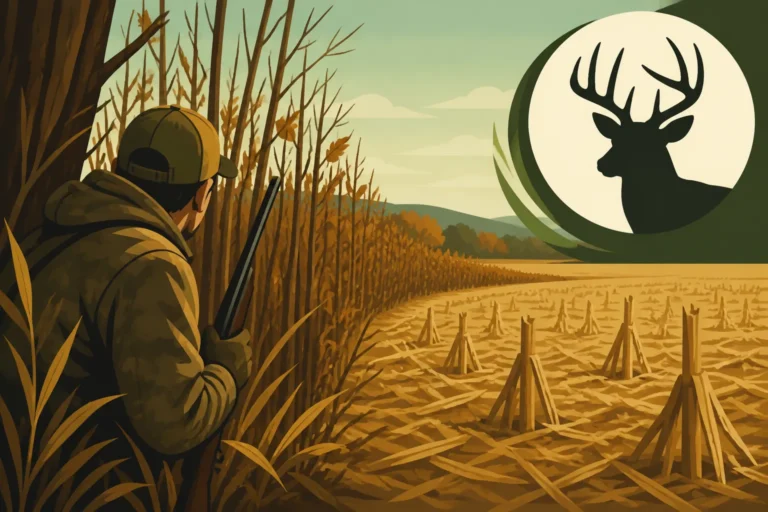
When the season first opens in early September, Kentucky deer are still very much in their late-summer patterns. Bucks are typically still in their bachelor groups, often moving from bedding areas to reliable food sources like early acorns, lush green fields, or agricultural crops. Many bucks will still be in velvet, or just shedding it, making them less focused on breeding and more on food and security. You might find them hitting white oak acorns as soon as they drop, or still working standing crops like soybeans and corn in farm country. Their movements are often predictable, occurring primarily during the cooler hours of dawn and dusk. This is a time when understanding their core needs – food, water, and security – is paramount. Deer will often bed close to water sources during warm days, moving only short distances to feed. Observing these patterns requires patience and diligent scouting.
Scouting and Stand Strategies for September
Effective scouting is the backbone of early season archery success. Because deer are so patterned to food, finding those crucial early season forage areas is key. I've found that aerial photos, especially those offered by tools like GoHunt, can be incredibly valuable for identifying potential feeding locations, pinch points, and bedding areas before you ever step foot on the property. Look for stands of oak trees, especially white oaks, which drop their acorns earlier and are highly preferred by deer. Pay attention to field edges adjacent to thick cover, and don't overlook natural funnels created by topography.
When it comes to stand placement, subtlety is your best friend in September. With leaves still on the trees and often warm, calm winds, deer can bust you easily. Consider natural ground blinds, or carefully placed hang-on stands that allow for easy, quiet entry and exit, especially if you're targeting a specific buck on a pattern. Treestands need to be set up well in advance to allow deer to get used to their presence. Think about your scent control meticulously, as even a slight breeze can carry your odor in warm air. Sometimes, walking the extra distance to a less-pressured area can make all the difference, especially if you’re trying to avoid the crowds you might find on Opening Weekend Crowds on Kentucky Public Land.
Weathering the Warmth: Comfort and Meat Care
Early September in Kentucky can still feel like summer, with temperatures often climbing into the 70s and 80s, especially mid-day. This isn't just a comfort issue for you; it's a critical consideration for meat care. If you're lucky enough to harvest a deer in these warmer conditions, getting it field-dressed quickly and cooled down is paramount. Consider hunting closer to vehicle access if possible, or planning your hunt for mornings or evenings when temperatures are cooler. Bring plenty of water to stay hydrated yourself. When you do harvest an animal, have a plan for processing or taking it to a locker plant immediately. Game bags are a smart investment for protecting the meat and allowing it to breathe. While this might be far from Field Dressing a Deer in Cold Weather, the principles of cleanliness and speed are even more important in warmth.
Beyond the Opener: What to Expect as the Season Progresses
While the September opener is what we're focused on, it's beneficial to briefly consider how the archery season evolves. This long season offers distinct phases, each with its own strategies.
The Extended Archery Opportunity
As mentioned, Kentucky's archery season is incredibly long, continuing after the September opener all the way through the end of the calendar year and often into January. This means archers get to experience multiple phases of deer behavior. From the early season patterns, through the exciting pre-rut and rut phases in October and November, and into the challenging but rewarding late season. This continuous opportunity allows for different hunting tactics to be employed at various times. For instance, rattling and grunting become highly effective during the rut, whereas still-hunting might be more productive in the late season. Staying adaptable is key.
Crossbows and Other Overlapping Seasons
During the extended archery season, the legality of crossbows remains consistent – they are generally permitted statewide alongside vertical bows. This means you can choose your preferred archery weapon throughout the entire long season. As we move into October, the Kentucky Early Muzzleloader Tactics become relevant as that season provides another overlap for a short period. Then, in November, Kentucky’s statewide modern gun season opens, creating a busy period where multiple weapon types are legal. This often leads to increased deer movement and sometimes increased hunter pressure, so understanding these overlaps is crucial for planning your hunts effectively and safely.
Essential License and Permit Information
Your basic hunting license and deer permits, purchased before the season opener, will carry you through the entire archery season in Kentucky. However, it’s worth noting that if you’re considering other game like fall turkey or small game, you’ll need the appropriate permits for those as well. Always ensure your permits are valid for the species and weapon you intend to use. Using resources like the official Kentucky Department of Fish and Wildlife Resources (KDFWR) website or the Using the Kentucky Hunt Fish Map Tool on your phone can help you confirm regulations on specific WMAs or public lands, which might have different rules for certain seasons or weapon types. Regularly checking for updates is a good habit, as regulations can sometimes change between years.
Key Considerations for a Successful Kentucky Archery Season
Starting strong in September sets the tone for your entire archery season. It requires a blend of preparation, strategic thinking, and a deep understanding of deer behavior in the early fall.
Scouting Smarter, Not Harder
In the early season, deer are still relatively predictable, which plays right into the hands of a diligent scout. Focus on finding those primary food sources they're hitting hard. This might mean watching field edges from a distance during the evenings, or meticulously searching for fresh droppings and tracks around specific oak trees. Mapping apps like GoHunt are indispensable for marking these locations, planning quiet entry and exit routes, and identifying overlooked pockets of cover, especially on public land. Remember, deer are creatures of habit this time of year, and figuring out their specific habits in your hunting area is your biggest advantage. It's not just about knowing When Kentucky's Archery Season Opens, but knowing where to be when it does.
Prioritizing Scent Control
With warmer temperatures and less wind often prevalent in September, scent control becomes even more critical for archers. Deer senses are incredibly acute, and a slight shift in wind can betray your position instantly. Take every precaution: shower with scent-eliminating soap, wear clean hunting clothes, and store them in airtight bags. Use scent-eliminating sprays on your outer layers and gear. Pay attention to your approach and exit routes to and from your stand, avoiding disturbing the area unnecessarily. In these early, often dense woods, a single whiff of human scent can send a deer into high alert and ruin your carefully planned setup.
Embrace the Long Game
Early season hunting can sometimes be frustrating. The deer might not be moving as much during daylight, or the weather might be uncomfortably warm. Don't let this deter you. Kentucky's archery season is a marathon, not a sprint. The early efforts you put in – scouting, preparing, and staying patient – will pay dividends as the season progresses. The opportunities will increase as the rut approaches, and again in the late season when food sources change. Your early season hunts are as much about learning and adapting as they are about harvesting. Enjoy the process, the quiet mornings in the woods, and the unique challenges that early season archery presents.
| Key Archery Season Details | Description |
|---|---|
| Opening Day | First Saturday of September (Statewide) |
| Season Length | Typically runs from September through January |
| Legal Weapons | Vertical bows and crossbows (generally statewide) |
| Permits Required | Kentucky Hunting License + Kentucky Deer Permit |
| Early Season Focus | Food sources (acorns, green fields, crops), water, security |
| Common Challenges | Warm weather, potential for less daytime deer movement, scent control |
| Key Advantage | Predictable deer patterns, long season to adapt |
Disclaimer
Please remember that hunting regulations can change. While this guide provides general information based on current typical Kentucky hunting seasons, it is your responsibility to always consult the most recent Kentucky Department of Fish and Wildlife Resources (KDFWR) regulations and official season dates before heading afield. Stay safe and hunt ethically.