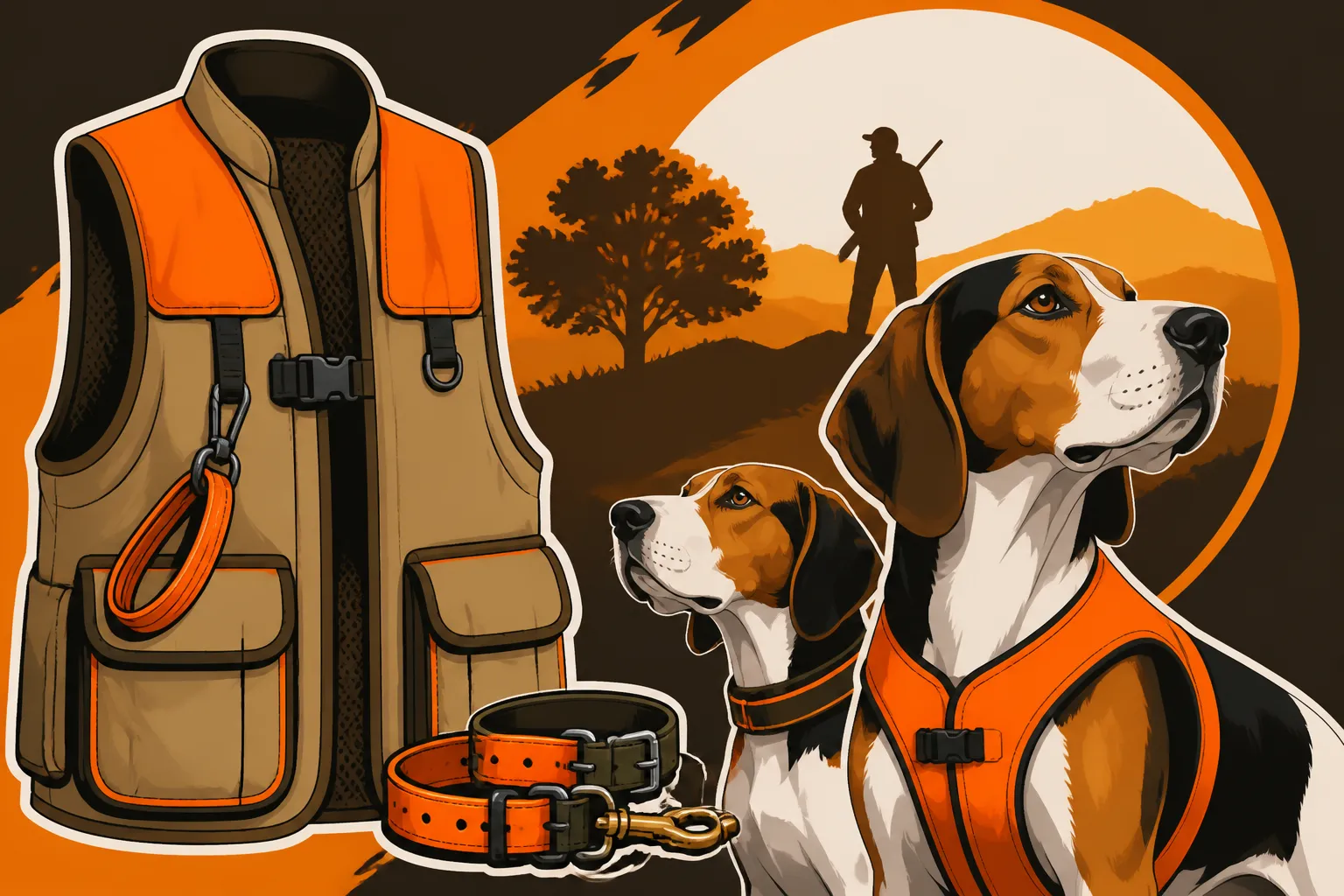
Cut Vests and Gear for Hound Dogs
Anyone who runs hounds in Kentucky knows the incredible dedication and athleticism of these dogs. They chase game through some of the roughest, most unforgiving terrain imaginable, often out of sight and earshot, pushing through briars, timber, and over rocky ridges. But this tireless pursuit also puts them at significant risk. This guide will walk you through the critical importance of cut vests and other essential gear designed to protect your valuable hound dogs, ensuring their safety and your peace of mind while they're on the trail.
The Kentucky Landscape: A Dog's Obstacle Course
Kentucky's diverse topography, from the rugged mountains and dense forests of the east to the rolling hills and river bottoms of the west, presents a unique set of challenges for hound dogs. It's a land of thick undergrowth, fallen timber, sharp rocks, and hidden hazards, all of which can turn a thrilling chase into a painful emergency for an unprotected dog. Understanding these environmental realities is the first step in appreciating why specialized protection is not just a luxury, but a necessity.
Imagine your hound, nose to the ground, tearing through a dense thicket after a hot trail. What you might see as a wall of green, your dog sees as a path, albeit one riddled with thorns and abrasive surfaces. They’re built for speed and endurance, but not necessarily for resisting every sharp object in their path. The adrenaline of the hunt can make a dog push through pain they might otherwise avoid, leading to cuts, punctures, and scrapes that go unnoticed until they’re back at the truck, shivering and bleeding. This isn't just about superficial wounds; deep lacerations can sever tendons, damage internal organs, or lead to serious infections, especially in rural areas where immediate veterinary care might be hours away.
Furthermore, the ground itself presents unseen dangers. Sharp shale, broken glass from old logging camps, or even jagged pieces of discarded metal can lurk just beneath a thin layer of leaves. A dog running at full tilt might step on such an object, resulting in a deep paw pad injury or a gash to the leg that could put them out of commission for weeks or even permanently. This intimate knowledge of the Kentucky wild, gained over countless hours afield, informs every decision about how best to equip our canine partners. It's why many hunters, especially those chasing big game like bears in the rugged eastern counties, consider protective gear just as essential as their own boots and rifle.
Specific Threats: Briars, Barbed Wire, and Boars
When your hound is baying on a hot trail, they aren't thinking about safety; they're driven by instinct. This single-minded focus can lead them directly into dangers that are all too common in Kentucky's hunting grounds. The threats are varied, and each poses a distinct risk to your dog's well-being, demanding a proactive approach to protection.
Briars and multiflora rose are ubiquitous throughout Kentucky, forming impenetrable tangles in clear-cuts, along fencerows, and at the edges of timber. These thorny thickets can shred a dog's flanks, chest, and legs, leaving behind numerous small, painful punctures that can become infected. While not always life-threatening, these sustained injuries can wear a dog down, make them hesitant to push through cover, and require extensive, often costly, care to heal properly. It's frustrating to watch a dog come back from a successful hunt covered in blood from a hundred small scrapes, knowing that prevention was possible.
Beyond the natural hazards, man-made dangers are a significant concern. Abandoned barbed wire fences, often hidden by decades of overgrown vegetation, are a silent menace. A dog running blindly can become entangled, suffering deep, tearing lacerations that are incredibly difficult to treat in the field. Rusty wire introduces the risk of tetanus and other serious infections. Similarly, old farm equipment, discarded metal siding, or even broken glass from long-gone structures can inflict severe wounds. On the flip side, the growing presence of wild hogs in some parts of Kentucky introduces another, more aggressive threat. While less common in the primary hound hunting zones for bear, an encounter with a cornered boar can result in devastating cuts and punctures from their razor-sharp tusks, often requiring immediate and intensive veterinary intervention. Knowing these dangers exist is crucial when considering the robust protection a quality cut vest provides.
The Cost of Injury: More Than Just Vet Bills
The thought of a hound dog getting injured in the field is a nightmare for any hunter. Beyond the immediate pain and suffering for the animal, the financial and emotional toll on the owner can be substantial. It's easy to focus on the upfront cost of a good cut vest, but when you consider the potential expenses and heartbreak associated with an injury, that investment quickly begins to look like a bargain.
Veterinary bills for a serious cut or puncture wound can quickly spiral into hundreds, if not thousands, of dollars. Surgery to repair deep lacerations, treatment for infections, antibiotics, pain medication, and follow-up visits all add up. A torn muscle or ligament might require extensive rehabilitation, further increasing costs and extending the dog's recovery time. Then there's the lost hunting time. A prime hunting season, whether it's Kentucky Bear Dog Season Windows or a specific bear quota hunt, can be severely impacted if your best dog is sidelined due to an avoidable injury. For many, hound hunting is a passion, a tradition passed down through generations, and losing a season or seeing a valuable dog unable to perform is a significant emotional blow. This is where an ounce of prevention truly becomes worth pounds of cure.
Beyond the monetary and seasonal costs, there's the immeasurable emotional cost of seeing your loyal companion in pain. These dogs aren't just tools; they're family, dedicated partners in the pursuit of game. The guilt of knowing you could have done more to protect them can weigh heavily. Investing in a quality cut vest and other protective gear isn't just about safeguarding your hunting investment; it's about honoring the bond you share with your dog and ensuring they can continue to do what they love safely. When considering the options, resources like GoHunt often feature articles and forums where experienced hound hunters discuss the best ways to protect their dogs, sharing insights on specific gear that has saved their animals from severe harm.
Types of Cut Vests and Their Features
Not all cut vests are created equal, and understanding the differences in materials, design, and coverage is key to selecting the best protection for your hound. The ideal vest offers a balance of durability, flexibility, and comfort, ensuring your dog can move freely while remaining shielded from hazards. The evolution of materials technology has led to increasingly effective designs, moving far beyond simple canvas and offering advanced protection against a variety of field dangers.
When you start looking at vests, you'll notice a range of options, from basic entry-level models to high-tech, reinforced designs. The "best" choice really depends on the specific threats your dogs face, the type of game you're pursuing, and the terrain you're hunting. For example, a hound running through thick briar patches in Eastern Kentucky for Running Hounds for Pine Mountain Bears might need different protection than one traversing relatively open forest floors. It's a matter of tailoring the gear to the specific challenges, acknowledging that a one-size-fits-all approach often falls short.
Traditional Cordura and Nylon Vests
For many years, vests made from heavy-duty Cordura or ballistic nylon were the standard for protecting hunting dogs. These materials offer a good balance of abrasion resistance and flexibility, making them a popular choice, especially for hunters new to using protective gear or those on a tighter budget.
Cordura, a synthetic fabric known for its strength and durability, provides excellent resistance against scrapes, tears, and general wear and tear from brush and rough terrain. Nylon, particularly ballistic nylon, offers similar benefits, being tough enough to withstand significant abuse. These vests typically feature multiple layers of material, sometimes with an additional inner lining for comfort. They are effective at preventing superficial cuts from briars, scratches from sharp sticks, and general chafing. Their relative lightweight nature ensures that they don't unduly restrict a dog's movement, which is crucial for hounds that need to maintain speed and agility during a chase. While they might not stop a direct puncture from a hog tusk or a deeply embedded piece of glass, they drastically reduce the likelihood of minor to moderate injuries that can still put a dog out of action.
One of the main advantages of Cordura and nylon vests is their cost-effectiveness and ease of maintenance. They are generally less expensive than their more advanced counterparts, making them accessible to a wider range of hunters. Cleaning is usually straightforward – a simple hose-down and air dry. However, it's important to remember their limitations. For aggressive encounters or extremely sharp hazards, these materials might not provide sufficient penetration resistance. Hunters in areas with higher risks, such as those pursuing wild hogs or where encountering particularly jagged rocks is common, might consider upgrading to a vest with more specialized protective layers, even if Cordura or nylon forms the outer shell.
Kevlar and Ballistic Fabric Options
When the stakes are higher, and the threats include serious punctures or deep lacerations, hunters often turn to vests incorporating advanced materials like Kevlar or other ballistic fabrics. These materials represent the pinnacle of dog protection, offering significantly enhanced resistance to sharp objects.
Kevlar, famously used in bulletproof vests, is a synthetic fiber with incredible tensile strength. When woven into a fabric, it creates a formidable barrier against punctures and slashes. In a hound vest, multiple layers of Kevlar can provide robust protection against anything from a razor-sharp briar to a direct strike from a boar's tusk. These vests are specifically designed for high-risk situations, offering peace of mind to hunters whose dogs operate in areas known for aggressive game or extremely rugged, sharp terrain. The inclusion of these ballistic fabrics dramatically reduces the risk of life-threatening injuries, allowing dogs to push through dense cover with a much higher degree of safety.
While vests featuring Kevlar and other ballistic fabrics are often more expensive, their superior protective qualities can be invaluable. They typically feature thoughtful designs that wrap around the dog's vital organs, chest, and sometimes even the throat, offering comprehensive coverage. Many also include reinforced stitching and heavy-duty buckles to ensure the vest stays put, even during intense activity. Hunters using platforms like GoHunt often discuss the various brands and designs of these high-end vests, sharing real-world experiences about how they’ve performed in the field. When your dog is pursuing bear in Bear Hunting Southeastern Kentucky, the added confidence that Kevlar provides can make all the difference, allowing you to focus on the hunt rather than worrying constantly about your dog's safety.
Advanced Designs for Specialized Protection
Beyond the core materials, modern cut vests incorporate a variety of advanced design features tailored for specific hunting conditions and dog needs. These innovations go beyond mere fabric, focusing on ergonomics, visibility, and additional protective elements that enhance overall safety and performance.
Many advanced vests now feature modular designs, allowing for interchangeable plates or additional layers in high-impact areas. For instance, some vests offer extra chest protection for dogs that routinely bust through thick undergrowth head-on, or reinforced neck guards to prevent throat injuries. The cut of the vest itself is also critical. Designers have worked to create vests that fit snugly without impeding movement, minimizing chafing and ensuring full range of motion in the shoulders and legs. This often involves anatomical shaping and adjustable straps to customize the fit for different dog breeds and body types. A poorly fitting vest can be just as problematic as no vest at all, causing discomfort or shifting out of place during a run.
Visibility is another key aspect of specialized designs. Many vests come in bright, fluorescent colors like blaze orange or even blaze pink, often with reflective strips. This is not just for hunting safety, allowing other hunters to easily spot your dog, but also for tracking your dog in low light or dense cover. Imagine trying to locate a downed hound in the deep shadows of the Daniel Boone National Forest; those reflective strips can be a lifesaver. Some vests even integrate small pockets designed to hold GPS Collars for Pine Mountain Bear Hounds or small bells, creating a streamlined system. Furthermore, the strategic placement of vents and breathable panels helps regulate a dog's body temperature, especially during strenuous activity in warmer weather. Considering these advanced features ensures that you're not just buying a piece of protective fabric, but a thoughtfully engineered piece of gear that supports your hound's performance and safety in the field.
| Vest Material | Primary Protection | Key Advantages | Considerations |
|---|---|---|---|
| Heavy-Duty Nylon | Abrasion, light scrapes | Lightweight, flexible, affordable, easy to clean | Limited puncture resistance for sharp objects |
| Cordura | Abrasion, tears, moderate scrapes | Durable, good all-around protection for brush | Can be stiff initially, moderate puncture resistance |
| Kevlar/Ballistic | Punctures, deep lacerations | Superior protection against sharp objects/tusks | Higher cost, can be heavier/less flexible than nylon |
| Hybrid Designs | Varied (layers of above) | Combines benefits, often targeted protection zones | Price varies, may require more careful sizing |
Essential Gear Beyond the Vest
While a cut vest is paramount for protecting your hound's body, a truly comprehensive safety strategy involves much more than just physical armor. The challenges of hunting with hounds, especially in the sprawling public lands and rugged private tracts of Kentucky, necessitate additional tools that help you track, locate, and care for your dogs. These pieces of gear are not mere accessories; they are vital components of a safe and successful hunt, connecting you to your dog even when they are miles away, deep in the thickest cover.
Thinking about the long hours and vast distances a hound can cover, it becomes clear that relying solely on your ears or sight is simply not enough. A dog can disappear over a ridge or into a hollow in seconds, and without proper tracking and location devices, they could be lost for hours, or even days. Furthermore, even with the best protective vest, accidents can happen, making immediate first aid readiness critical. Equipping yourself with these additional tools ensures that you are prepared for almost any scenario your hounds might encounter in the wild Kentucky landscape.
GPS Trackers: Knowing Where Your Dog Is
In the vast and often unforgiving terrain of Kentucky, where a hound can cover miles in a matter of minutes, a reliable GPS tracking system is arguably the most indispensable piece of gear for any hound hunter. The days of relying solely on the sound of a distant bay or a worn-out bell are long gone for serious dog handlers.
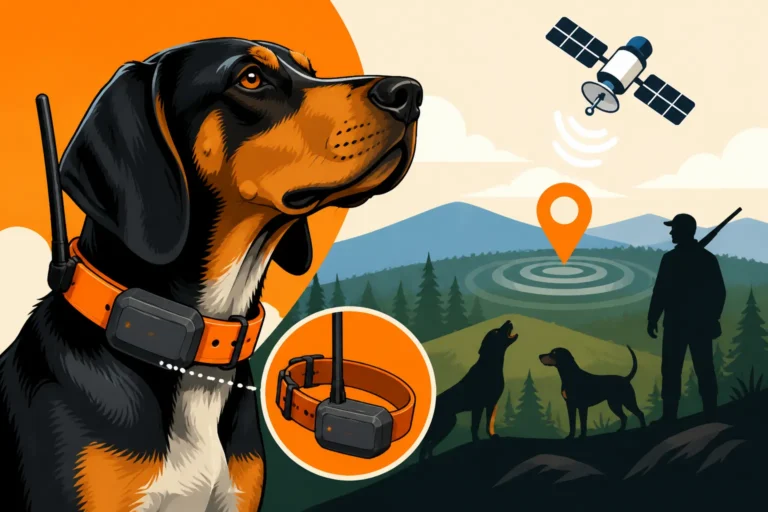
GPS collars provide real-time location data, allowing you to pinpoint your dog's exact position on a handheld device or even your smartphone. This capability is absolutely game-changing. Imagine your dog chasing a bear deep into a remote section of Hunting Eastern Kentucky Coalfield Country, where dense canopy and steep hollows make visual tracking impossible. Without GPS, you'd be left guessing their direction, potentially wasting hours trying to catch up. With GPS, you can see if they're still moving, if they've treed, or if they've perhaps stopped due to injury. This immediate feedback helps you make informed decisions about how to intercept them, how to approach the tree, or when to call them back. Some advanced systems even allow you to monitor multiple dogs simultaneously, track their speed, and record their paths, which can be invaluable for analyzing a hunt and improving future strategies. GoHunt provides excellent resources for comparing different GPS systems, often featuring user reviews that highlight the pros and cons of popular models in real-world hunting scenarios.
Beyond simply locating a dog, GPS trackers offer a critical safety net. If a dog becomes lost, injured, or simply runs out of range, the GPS signal becomes your lifeline. It can guide you directly to them, saving precious time, especially if they are in distress. In areas like the rugged Daniel Boone National Forest, where cell service can be spotty and the landscape disorienting, a dedicated GPS unit is far more reliable than a phone app alone. While some may view the cost of these systems as high, the ability to consistently locate and retrieve your valuable hounds, ensuring their safety and your peace of mind, makes them an investment that pays for itself many times over. Just as important as the vest, a good GPS system ensures you can always bring your dog home.
Bells and Lights for Visibility and Sound
While GPS trackers handle long-range location, sometimes you need to know exactly where your dog is in thick cover, even when they're close. This is where traditional tools like bells and modern innovations like lights come into play, offering both audible and visual cues that complement your electronic tracking.
Bells have been a staple of hound hunting for generations, and for good reason. A well-placed bell on a dog's collar provides an immediate auditory signal of their presence and movement. When your dog is working through a dense briar patch just out of sight, the jingle of the bell tells you they're still moving, still on the trail, and gives you a general idea of their direction. This is particularly useful when multiple dogs are working, allowing you to distinguish their locations and efforts. The type of bell matters too; some hunters prefer a clear, loud cowbell for long-distance sound, while others opt for a softer, more rhythmic jingle that is less disruptive to the overall hunt, yet still audible enough to track close-range movements. The sound can be especially helpful in thick timber, where visual contact is fleeting at best.
In addition to bells, modern hunters often equip their hounds with LED lights, especially for hunting in low-light conditions or after dark, which can be common during long chases. These small, durable lights attach to the collar or vest and can be set to constant illumination or various flashing patterns. A bright, flashing light can make a dog visible from a surprising distance, allowing you to keep tabs on them as they cross open fields or navigate through shadowy woods. This is especially crucial if you find yourself recovering a treed bear after dusk, or if a dog ranges further than expected and nightfall sets in. The combination of an audible bell and a visible light gives you multiple ways to stay connected with your dog, enhancing both their safety and your ability to manage the hunt effectively.
Emergency First Aid and Survival
Even with the best cut vests and tracking gear, accidents can happen in the backcountry. A responsible hound hunter always carries a comprehensive first aid kit specifically geared towards canine emergencies, and understands basic dog survival techniques. Being prepared for the worst can mean the difference between life and death for your valued hunting companion. For instance, First Aid Kits for Remote Daniel Boone Forest Ground can serve as an excellent baseline, with additions specific to dog injuries.
Your dog's first aid kit should include items to address common field injuries: antiseptic wipes or spray for cleaning wounds, sterile gauze pads and vet wrap for bandaging cuts, and blunt-nosed scissors for safely trimming fur around injuries. A small bottle of saline solution can be useful for flushing debris from eyes or cleaning deeper wounds. Pain medication specifically approved for dogs, along with any prescribed medications your dog might need, should also be on hand. Importantly, learn how to improvise a muzzle if your dog is in pain, as even the gentlest dog can snap when hurt. Knowing how to apply pressure to a bleeding wound or stabilize a suspected fracture can be life-saving skills when you're hours away from the nearest veterinary clinic.
Beyond treating injuries, consider basic survival elements for your dog. In Kentucky, water is paramount. Carry extra water, especially on warm days, and know how to encourage your dog to drink. A collapsible water bowl is a simple, lightweight addition to your pack. If a dog becomes lost for an extended period, they'll need access to food and shelter. While you can't carry a dog kennel, knowing how to create a rudimentary shelter or where to leave a scent trail can aid in their recovery. It's also wise to carry a high-pitched whistle for recall, even if your dog primarily responds to voice commands, as it carries further and cuts through ambient noise. Finally, always have an emergency contact list for local vets or trusted fellow hunters who can assist in a recovery effort. Protecting your dog isn't just about preventing injury; it's about being ready to respond effectively when one occurs.
Choosing and Fitting the Right Gear
Selecting the perfect cut vest and accompanying gear for your hound isn't a one-size-fits-all endeavor. It involves careful consideration of your dog's size, breed, the specific types of hunting you do, and the terrain you typically traverse. A well-fitted, appropriate vest will provide maximum protection without hindering your dog's natural athleticism, while poorly chosen gear can cause discomfort, chafing, or even fail to protect when it's needed most.
It's a process of trial and error for some, but starting with proper measurements and understanding material properties can save a lot of headaches. Just like choosing Boots for Kentucky Hollows and Creek Bottoms for yourself, you want comfort, durability, and functionality. Remember that your dog will be wearing this gear for extended periods, running, jumping, and crashing through cover, so comfort and unrestricted movement are just as crucial as the protective qualities. Don't rush this decision; your dog's safety and performance depend on it.
Measuring for a Proper Fit
The effectiveness of any cut vest hinges on its fit. A vest that's too loose can shift, exposing vital areas, while one that's too tight can restrict movement, cause chafing, and even lead to overheating. Taking accurate measurements of your hound is the critical first step in finding the right size.
Typically, you'll need three main measurements: the dog's chest girth, neck circumference, and back length. The chest girth is the most important, taken around the widest part of their rib cage, just behind the front legs. This measurement often dictates the primary size of the vest. The neck circumference, taken around the base of the neck, ensures a snug but not restrictive fit around the collar area, which is vital for protecting the throat. Finally, the back length, measured from the base of the neck to the base of the tail, helps determine how much of the dog's back and flanks will be covered. Always use a flexible tape measure and ensure your dog is standing naturally, not slouched or stretched. When you have these numbers, compare them to the manufacturer's sizing chart. Don't assume a "large" from one brand will fit the same as a "large" from another. If your dog falls between sizes, it's often better to go with the larger size, as vests typically offer adjustable straps for cinching down. Remember, the goal is a snug fit that allows for full range of motion without any pressure points.
Break-in and Acclimation for Comfort
Even a perfectly sized vest won't feel natural to your dog right away. Like a new pair of hiking boots, cut vests require a break-in period and your dog needs time to acclimate to wearing them. Rushing this process can lead to discomfort, resistance, or even hot spots and chafing in the field.
Start by having your dog wear the vest for short periods around the house or yard. Supervise them closely, observing how they move and react. Does it seem to restrict their gait? Are they trying to chew at it? Gradually increase the duration of wear. Introduce the vest during short walks or training sessions in familiar, low-stress environments. This helps your dog associate the vest with positive experiences and the activity they love. Pay close attention to any signs of rubbing or irritation, particularly around the armpits, chest, and neck. If you notice redness or discomfort, adjust the straps or consider if a different vest design might be a better fit. A common mistake is to put a brand new vest on a dog for the first time on opening day of Kentucky Bear Dog Season Windows. The excitement and exertion of a hunt combined with an unfamiliar, potentially uncomfortable vest is a recipe for disaster. Slowly integrating the vest into their routine allows the materials to soften and conform to your dog's body, ensuring maximum comfort and protection when they truly need it.
Maintenance and Longevity of Your Investment
A quality cut vest is an investment in your dog's safety and well-being, and like any good piece of gear, it requires proper maintenance to ensure its longevity and effectiveness. Neglecting care can lead to premature wear, reduced protection, and necessitate costly replacements more often than necessary.
After each hunt, especially those through wet or muddy conditions, it's crucial to clean the vest. Most modern vests can be easily rinsed off with a hose to remove dirt, mud, and debris. Pay special attention to any areas where burrs or thorns might be embedded, as these can continue to cause irritation if left in place. For deeper cleaning, follow the manufacturer's instructions; many are machine washable on a gentle cycle, but air drying is almost always recommended to prevent damage to the materials and adhesives. Avoid harsh chemicals or excessive scrubbing, as this can degrade the protective fibers. Regularly inspect the vest for signs of wear and tear, such as frayed stitching, small tears, or damaged buckles. Small repairs, if caught early, can often prevent larger issues. If a tear compromises the integrity of a protective layer like Kevlar, it's time to consider replacement, as its ability to stop punctures may be severely diminished. Properly storing the vest in a clean, dry place between hunts will also prevent mildew and prolong its life. By taking a few extra minutes for proper care, you ensure that your hound's protective gear is always ready for the next adventure in the Kentucky wilds.
Disclaimer
This article is for general informational purposes only and does not constitute professional advice. Laws, prices and regulations vary by location and change over time. Consult a qualified professional for guidance on your specific situation.