Layout Blinds and Marsh Boats
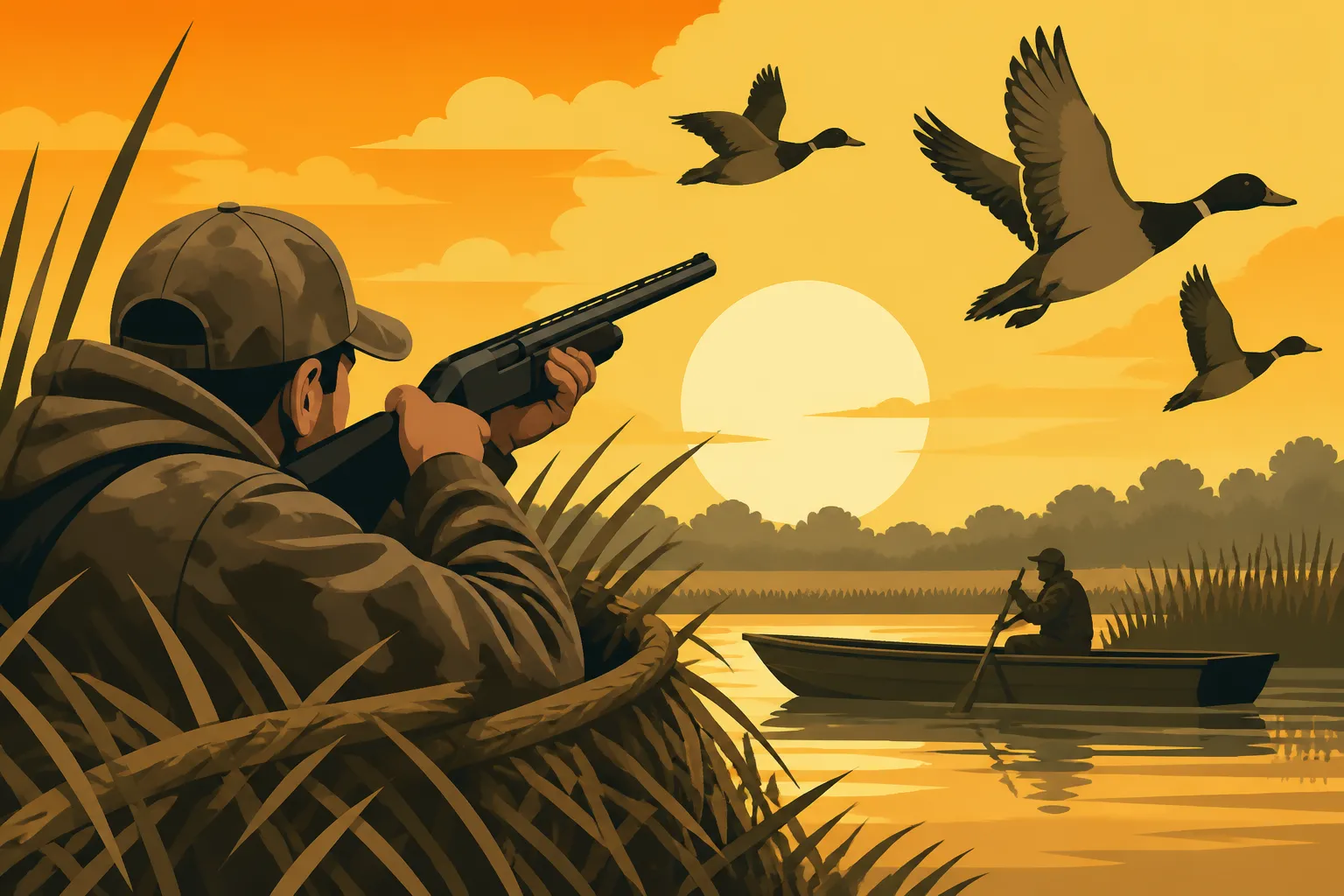
There's nothing quite like the sound of whistling wings overhead on a crisp Kentucky morning, but that magic can quickly turn to frustration if you're caught standing out like a sore thumb. Waterfowl, whether it's ducks or geese, have incredibly keen eyesight, and a poorly concealed hunter is often a hunter going home empty-handed. This guide is all about mastering the art of invisibility in the duck blind and the marsh, focusing on how layout blinds and marsh boats can be your secret weapons for successful Kentucky waterfowl hunting.
Understanding Waterfowl Concealment in Kentucky
Waterfowl hunting in Kentucky is a diverse pursuit, taking place from expansive agricultural fields to vast river systems and flooded timber. Each unique environment presents its own set of challenges when it comes to effective concealment. Simply throwing on some camo and hunkering down behind a bush often isn't enough to fool the wary eyes of ducks and geese that have seen it all before.
The Keen Eyesight of Kentucky Waterfowl
Ducks and geese aren't just flying targets; they are masters of survival, and their eyesight is a critical tool in avoiding predators. Unlike deer or turkeys, which might tolerate some movement if you're well-hidden, waterfowl see in a spectrum that includes UV light, giving them a superior ability to detect unnatural shapes, colors, and movements. They can spot a hunter silhouetted against the sky from an incredible distance, or pick out a shine from an exposed face even in dim light. This is why a well-thought-out concealment strategy isn't just a suggestion; it's a fundamental requirement for consistent success. If you're hunting ducks on Kentucky Lake, for instance, they're constantly scanning the open water and shorelines for anything out of place. Similarly, geese feeding in a cut cornfield will spot an exposed hunter from hundreds of yards away.
Common Concealment Challenges in the Bluegrass State
Kentucky's varied landscapes offer fantastic waterfowl hunting opportunities, but they also demand adaptable concealment techniques. In western Kentucky, especially around agricultural powerhouses, you're often hunting vast, open fields where cover is minimal after harvest. A single standing tree or fencerow won't cut it when birds are circling high overhead. In the river bottoms and flooded timber of the Ohio and Mississippi River confluence, the challenge shifts to blending into a dense, often reflective, environment. The water itself can act like a mirror, highlighting anything that doesn't belong. Hunting Land Between the Lakes Waterfowl often means dealing with open water, diverse shorelines, and sometimes very little natural cover. Public lands, especially popular spots like Sloughs WMA or Ballard WMA, also see significant hunting pressure, which only makes birds warier and harder to fool.
Legalities and Ethics of Concealment
When planning your concealment, it's crucial to be aware of Kentucky's hunting regulations. While camo patterns and blind materials are generally unregulated, specific rules might apply to permanent structures on public land. Always check the regulations for the specific Wildlife Management Area (WMA) or public hunting ground you plan to visit. For example, some WMAs might prohibit leaving blinds or materials overnight, or restrict the use of certain types of fasteners that could damage trees. Ethically, good concealment also means being respectful of other hunters. Setting up too close to another party's blind, or disrupting their decoy spread, diminishes the experience for everyone. Always scout ahead, use mapping tools, and understand the flow of hunting pressure in an area. GoHunt can be a valuable resource for identifying land boundaries and potential access points, helping you choose a spot that offers both good hunting and ethical separation from others.
The Versatility of Layout Blinds
Layout blinds are the unsung heroes for many field hunters, offering a level of concealment that's hard to beat in wide-open spaces. These low-profile shelters allow you to lie down, disappearing into the stubble, and spring up when the birds are locked in and committed to your decoy spread.
Types of Layout Blinds for Kentucky Fields
The market for layout blinds has expanded greatly, offering options for every budget and hunting style. The most common type is the traditional coffin-style blind, which is essentially a low-profile cot with a fabric shell and a spring-loaded lid. These are great for comfort and concealment in cut corn, soybean, or winter wheat fields. Then you have doorless or minimalist blinds, which are even lower to the ground, sometimes just a frame with fabric, designed for ultimate stealth and portability. These are often preferred by hunters who want to be as undetectable as possible and don't mind sacrificing a little comfort. Some blinds are designed with stubble straps or loops all over them, allowing you to quickly weave in natural vegetation from your immediate surroundings. This is absolutely critical for breaking up the outline and making the blind truly disappear. In areas with low-lying brush or fence lines, you might even find larger, panel-style blinds that offer more sitting room but sacrifice a bit on the "disappearing act" in a totally flat field. When you're Hunting Western Kentucky Bottomland Deer for instance, you might encounter similar considerations for ground blinds, but waterfowl often demand an even lower profile.
Advantages and Disadvantages of Layout Blinds
Layout blinds shine in their ability to provide near-perfect concealment in otherwise barren landscapes.
Advantages:
- Superior Concealment: Their low profile makes them virtually invisible when properly brushed in.
- Comfort: Most models offer a padded headrest and back support, making long waits more bearable.
- Portability: While some can be bulky, many fold down for transport, fitting into truck beds or on small trailers.
- Versatility: They can be used in diverse field conditions, from dry stubble to muddy fields.
- Reduced Movement Detection: Since you're lying down, you're less likely to be seen shifting position than if you were sitting upright.
Disadvantages:
- Learning Curve for Brushing In: It takes practice to effectively blend a layout blind into the environment.
- Limited Visibility: You often need to peek through small mesh windows or lift your head to scan, which can spook wary birds.
- Can Be Uncomfortable in Wet Conditions: Lying directly on wet or muddy ground can be a soggy experience without proper layering and waterproofing.
- Initial Setup Time: Getting brushed in properly can take time away from scouting or setting decoys.
- Can Be Hot: On warmer early season hunts, lying in a low blind can get quite warm.
Key Features to Look for in a Layout Blind
When you're shelling out your hard-earned cash for a layout blind, consider these features to ensure you're getting a reliable and effective tool for your Kentucky waterfowl hunts:
- Durable Materials: Look for heavy-duty, waterproof fabric (like 600D or 900D polyester) that can withstand mud, briars, and repeated use. A robust frame, often aluminum, is also essential for longevity.
- Good Stubble Straps/Loops: This is non-negotiable. The more points you have to attach natural vegetation, the better you can break up the blind's outline. Some blinds even come with camo netting that can be pulled over the top to help hold stubble.
- Comfort Features: A padded headrest, ample shoulder room, and an adjustable backrest can make a huge difference during those all-day sits. Consider if the blind offers enough room for extra layers of Clothing for a Kentucky Late Season.
- Ease of Entry/Exit: Quick, quiet access is vital. Look for lids that open easily and smoothly, ideally with a foot-release mechanism, allowing you to sit up quickly for a shot without fumbling.
- Drainage: If you're hunting in wet conditions, a blind with drain holes can prevent water from pooling inside, making for a much more comfortable experience.
- Transportability: Does it fold down compactly? Does it have backpack straps or handles for easy carrying, especially if you have a bit of a hike into your spot?
Marsh Boats: Your Ticket to Untouched Waters
For waterfowlers in Kentucky who chase ducks and geese in river systems, backwaters, and flooded timber, a marsh boat isn't just a convenience; it's a necessity. These specialized watercraft allow access to prime hunting grounds that are unreachable by foot or larger boats, truly opening up new possibilities.
Varieties of Marsh Boats and Their Niche
Marsh boats come in various designs, each tailored for specific water conditions and hunting styles.
- Layout Boats: These are essentially floating layout blinds, often very low profile, designed for open water hunting where you want to blend in with the water's surface. They are incredibly stable and camouflaged to disappear against the water, excellent for diver ducks or open-water goose hunting on large bodies like Kentucky Lake.
- Skiffs/Jon Boats: Modified with grassing kits or custom camo paint jobs, these flatter-bottomed boats offer more cargo capacity for decoys, dogs, and extra gear. They excel in shallow rivers, creeks, and smaller flooded areas. Their open design means you'll need to add some form of natural concealment or a pop-up blind to truly disappear.
- Canoes/Kayaks (Modified): For the truly minimalist hunter or those navigating extremely tight, snag-filled waterways, a sturdy canoe or kayak with a grassing blind can be effective. They are highly maneuverable and lightweight but offer less stability and cargo space. They're great for jump-shooting creeks or accessing small, isolated potholes.
- Sneak Boats: A hybrid, often resembling a wider, more stable layout boat but with a bit more freeboard and internal space. They are designed for one or two hunters and can be rowed or poled into very shallow areas, then brushed in for concealment. These are fantastic for Hunting the Ohio River Backwaters where you need to navigate both open and somewhat hidden sections.
When a Marsh Boat Becomes Indispensable
There are countless scenarios in Kentucky where trying to hunt waterfowl without a marsh boat is either impossible or drastically limits your success.
- Flooded Timber Access: Many prime flooded timber spots, especially those on public lands near the major rivers, require a boat to reach. These areas are too deep to wade, and the dense trees prevent larger, faster boats from entering. A shallow-draft marsh boat allows silent entry and exit, minimizing disturbance to the roosting or feeding birds. This is key for Hunting Land Between the Lakes Flooded Timber.
- Crossing Water to Reach Fields: Sometimes, the best field edges for hunting might be across a creek, a slough, or a shallow lake arm. A marsh boat provides the means to transport yourself, your layout blinds, and your massive decoy spread to these otherwise inaccessible spots.
- Hunting Open Water: For diver ducks on large lakes or geese resting on open water, a layout boat is unparalleled. It allows you to set up directly in their flight path or resting areas, blending seamlessly with the water itself. Trying to hide on the bank when birds are landing 300 yards offshore is a losing battle.
- Deploying Large Decoy Spreads: If you're running a serious spread of 100+ decoys for geese or diver ducks, doing so from shore is a monumental task. A marsh boat makes deploying and retrieving these decoys far more efficient and less exhausting.
- Retrieving Cripples: Even with the best shooting, cripples happen. A marsh boat ensures you can quickly pursue and recover any downed bird in open water, preventing wasted game.
Essential Features for a Kentucky Marsh Boat
A good marsh boat isn't just any boat; it's specifically designed for the unique rigors of waterfowl hunting. When considering a purchase, look for these critical features:
- Shallow Draft: This is paramount. You'll often be pushing through mere inches of water, mud, and submerged vegetation. A flat bottom or a modified V-hull that minimizes draft is crucial.
- Durability: Marsh boats take a beating. They'll scrape against stumps, rocks, and mud. Look for heavy-gauge aluminum or rotationally molded polyethylene construction that can handle impacts without puncturing or cracking.
- Stability: When you're standing up to shoot, retrieving decoys, or handling a dog, stability is key. A wider beam generally means more stability.
- Camouflage Capability: Whether it's a factory camo finish, a grassing kit attachment system, or plenty of space to add natural vegetation, the boat needs to be able to disappear. Some boats come with built-in blind systems that fold up or down.
- Propulsion Options: Can it be rowed or poled silently into position? Can it accommodate a small mud motor or an electric trolling motor for traversing longer distances in shallow water? For many Kentucky waters, a mud motor is indispensable.
- Cargo Space and Capacity: You need room for decoys, guns, blind bags, a hunting dog, and other gear. Make sure the boat's weight capacity is sufficient for your typical hunting party and equipment.
- Comfort/Ergonomics: While it's a utility vessel, some comfortable seating or a well-designed interior can make long hunts more enjoyable.
Choosing the Right Concealment for Your Hunt
Deciding between a layout blind, a marsh boat, or a combination of both largely depends on the specific hunting scenario you're facing on any given day in Kentucky. There's no one-size-fits-all answer, and being adaptable is the mark of a seasoned waterfowler.
Field Hunting Scenarios and Blind Selection
When the birds are feeding heavily in harvested crop fields – think cut corn, bean stubble, or winter wheat – layout blinds are almost always your go-to.
- Wide Open Fields: This is the classic layout blind scenario. You position your blind in the middle of your decoy spread or along a key flight path. The trick is to match the blind's stubble to the surrounding field exactly. If it's a cut cornfield, load up on corn stalks. If it's a bean field, use bean stubble. Layout Blind Hunting Western Kentucky Fields is a prime example of where these blinds excel.
- Field Edges or Hedgerows: Sometimes, birds prefer to work the edges of fields. Here, you might be able to combine a layout blind with a natural fencerow or brush line. The layout blind helps you disappear into the ground cover, while the natural backdrop breaks up your silhouette even further.
- Scattered Cover: In fields with scattered clumps of weeds or tall grasses, a layout blind is perfect for tucking into one of these natural depressions or cover patches. The key is always to ensure your blind's profile is broken up and doesn't create a discernible lump on the horizon. Using a mapping tool like GoHunt can help identify these subtle elevation changes or patches of cover when scouting.
Water Hunting Conditions and Boat/Blind Match
Water hunting presents its own unique set of challenges and demands a different approach to concealment.
- Shallow Flooded Timber/Brush: In areas like flooded hardwoods, a camouflaged Jon boat or a specialized sneak boat equipped with a natural vegetation blind is usually best. You can pole or slowly motor into position, then brush in the boat using local branches, leaves, and marsh grass. The goal is to make the boat look like another clump of natural debris.
- Open Lakes and Rivers: For hunting vast open water, especially for diving ducks like ringnecks and bluebills on Kentucky Lake, a layout boat is often the superior choice. You'll set a large spread of decoys, and your layout boat becomes just another piece of your floating spread. Decoy Spreads for Kentucky Lake Divers often involve dozens of decoys, and a layout boat lets you be right in the middle of the action without standing out.
- Marshy Backwaters/Sloughs: These often feature a mix of shallow water, dense reeds, and some open pockets. A low-profile marsh boat or even a heavily camouflaged kayak can be effective. The key is to hide within the natural vegetation, ensuring your silhouette isn't visible above the cattails or willow bushes. A good pair of Waders for Flooded Timber Hunting is still essential for setting out decoys or retrieving birds, even with a boat.
Budget and Portability Considerations
Let's be realistic: not everyone has an unlimited budget or a dedicated waterfowl rig with a huge trailer.
- Budget: Layout blinds typically range from moderately priced to fairly expensive, but they are generally less of an investment than a dedicated marsh boat. If you're just starting out or primarily hunt fields, a good layout blind is an excellent first step. Marsh boats, especially purpose-built ones, can be a significant investment, encompassing the boat itself, motor, trailer, and accessories.
- Portability: If you're often hunting alone, or if your access points require a long walk or crossing difficult terrain, then a lighter, more portable layout blind or a smaller, lighter marsh boat (like a kayak or canoe) will be a better fit. Some layout blinds even come with backpack straps for easier carrying. Conversely, if you have vehicle access right to your hunting spot, or you hunt with a crew, then larger, heavier equipment becomes more feasible. Always consider how far you'll have to carry or push your gear from vehicle to final setup.
| Concealment Type | Primary Use Case | Advantages | Disadvantages |
|---|---|---|---|
| Layout Blind | Open fields, stubble, field edges | Excellent low-profile concealment, portable | Limited visibility, can be wet/muddy, needs brushing |
| Layout Boat | Open water, diver ducks, large lakes | Seamless water concealment, stable | Specialized, less versatile for fields, often requires trailer |
| Marsh Skiff/Jon | Shallow rivers, flooded timber, creeks | Versatile cargo, stable, motor adaptable | Requires active brushing, more visible than layout blind |
| Canoe/Kayak | Tight creeks, jump-shooting, isolated potholes | Highly maneuverable, very portable, quiet | Limited cargo/stability, less comfort, very exposed without blind kit |
Setting Up and Hiding Your Spread Effectively
Having the right gear is only half the battle. Knowing how to effectively deploy your layout blind or marsh boat, and integrating it seamlessly into your decoy spread, is what truly seals the deal. This is where art meets science, and where practice makes perfect.
Blending Your Blind into the Landscape
The goal of a layout blind is to completely vanish. This isn't just about throwing a few handfuls of grass on it.
- Match the Habitat: If you're in a cut cornfield, your blind needs to look like a pile of cut corn. If you're in a soybean field, it needs to look like soybean stubble. Collect ample amounts of natural vegetation from the immediate vicinity before you even open your blind. Don't bring cornstalks to a bean field!
- Break Up the Outline: The hard lines and unnatural shape of a blind are dead giveaways. Use stubble straps and netting to create a natural, lumpy appearance. Push vegetation into and over the blind, not just on top. Pay special attention to the edges where the blind meets the ground.
- Utilize Natural Depressions: If possible, set your blind in a slight swale, a tractor rut, or any natural depression in the field. This automatically reduces its profile and makes brushing in much easier.
- Mud It Up: In muddy conditions, don't be afraid to lightly smear mud on the blind fabric. This dulls any unnatural sheen and helps it blend with the ground.
- Scout from a Distance: After you've set up, walk 50-100 yards away in different directions and observe your blind. Does it stick out? Can you see unnatural shadows or lines? Adjust as needed until it truly disappears.
Decoy Placement Around Your Concealment
Your decoys aren't just for attracting birds; they're also part of your overall concealment strategy, especially when it comes to "hiding" your blind.
- The Landing Zone: Traditionally, your layout blinds are placed at the "kill hole" or landing zone of your decoy spread. Birds will be focused on landing among the decoys, not on the slightly raised lumps that are your blinds.
- Flank with Large Decoys: Consider placing larger decoys, like full-body goose decoys or even large floater duck decoys, slightly upwind or around the immediate vicinity of your layout blind. These larger shapes can help obscure your blind from certain angles and draw the birds' attention.
- Position for the Wind: Always set your spread and your blind with the wind in mind. Waterfowl almost always land into the wind. Your blind should be positioned downwind of your main decoy spread, allowing the birds to approach over the decoys and commit to the landing zone, putting them right in front of you. When you're Reading a Bottomland Slough for a Morning Flight, understanding wind direction is critical for both decoy and blind placement.
- Mind Your Horizon: Try to avoid placing your blind directly on a skyline or ridge where it will be silhouetted against the brighter sky. Use the natural topography to your advantage.
Safety First: Entry and Exit Strategies
Safety is paramount in any hunting situation, and waterfowl hunting with layout blinds and marsh boats presents specific considerations.
- Clear Shot Zones: Before the hunt starts, confirm your shooting lanes. Ensure no part of your blind or surrounding decoys will interfere with your swing.
- Safe Entry/Exit from Blind: Always know where your gun is when opening your blind and sitting up. Keep the muzzle pointed in a safe direction. For marsh boats, ensure the boat is stable before standing or moving around.
- Buddy System: When hunting from layout blinds, especially in fields, make sure you know exactly where your hunting partners are. A quick shout or visual confirmation before shooting helps prevent accidents.
- Wear a PFD in Boats: Kentucky law requires personal flotation devices (PFDs) to be accessible in all boats, and wearing one in a marsh boat, especially in cold water or if you're alone, is simply smart practice. Even if you're a strong swimmer, heavy hunting clothes and cold water can quickly incapacitate you.
- Know Your Water: If using a marsh boat, understand the water you're navigating. Are there submerged stumps, shallow mudflats, or strong currents? Use a reliable mapping app that shows water depths, if available, or GoHunt for identifying potential hazards.
Maintenance and Transport
Your layout blinds and marsh boats are significant investments in your waterfowl hunting success. Proper care and transport will extend their lifespan and ensure they're ready for action season after season. Neglecting these steps can lead to premature wear and tear, or worse, gear failure when you need it most.
Cleaning and Storing Your Gear
After a successful (or even unsuccessful) hunt, the last thing most folks want to do is clean up. But taking a few extra minutes for proper maintenance makes a huge difference.
- Hose Down Layout Blinds: As soon as you can, hose off your layout blind. Mud, particularly the sticky Kentucky variety, can be corrosive and will quickly degrade fabric if left to dry. Pay attention to zippers, buckles, and any moving parts. Allow it to air dry completely, ideally in the shade, to prevent mildew. Mold and mildew not only smell terrible but also weaken fabric and ruin camouflage patterns. Once dry, fold it cleanly and store it in a cool, dry place, away from rodents who love to chew on fabric for nesting material.
- Wash Down Marsh Boats: Similarly, after each use, wash down your marsh boat, especially if it's been in muddy or silty water. Check the hull for any new dings or scrapes that might need repair. If you use a motor, flush it according to the manufacturer's instructions. Again, dry thoroughly to prevent rust on metal components and mildew in any fabric blind kits. Store your boat under cover, either garaged or with a good boat cover, to protect it from UV damage and weather.
- Check for Damage: During cleaning, take the opportunity to inspect your gear for any rips, tears, broken buckles, or frame damage. Small repairs now can prevent big problems later. Keep a small repair kit handy with needle, thread, and patches.
Transporting Layout Blinds and Marsh Boats
Getting your gear to and from the hunting grounds safely and efficiently is crucial, particularly if you're dealing with long drives or rough terrain.
- Securing Layout Blinds: Most layout blinds fold down into a relatively compact package. Use bungee cords or straps to secure them in your truck bed or on a trailer. You don't want them bouncing around and getting damaged or, worse, flying out on the highway. If carrying them through the woods, use the built-in backpack straps or a dedicated carrying bag.
- Trailering Marsh Boats: If you have a marsh boat, it likely travels on a dedicated trailer. Ensure your trailer is in good working order: check tire pressure, lights, and wheel bearings regularly. Secure the boat firmly with straps, both at the bow and stern, to prevent shifting. Always double-check your hitch and safety chains before heading out.
- Car Topping Small Boats: For smaller marsh boats like canoes or kayaks, car-topping is a common method. Invest in a quality roof rack system and sturdy tie-downs. Distribute the weight evenly and secure the bow and stern to your vehicle's bumper to prevent lift and sway, especially at highway speeds. Nothing ruins a hunt faster than arriving to find your boat has decided to go its own way!
Disclaimer
This article is for general informational purposes only and does not constitute professional advice. Laws, prices and regulations vary by location and change over time. Consult a qualified professional for guidance on your specific situation.