How Kentucky’s Archery Season Runs Into January
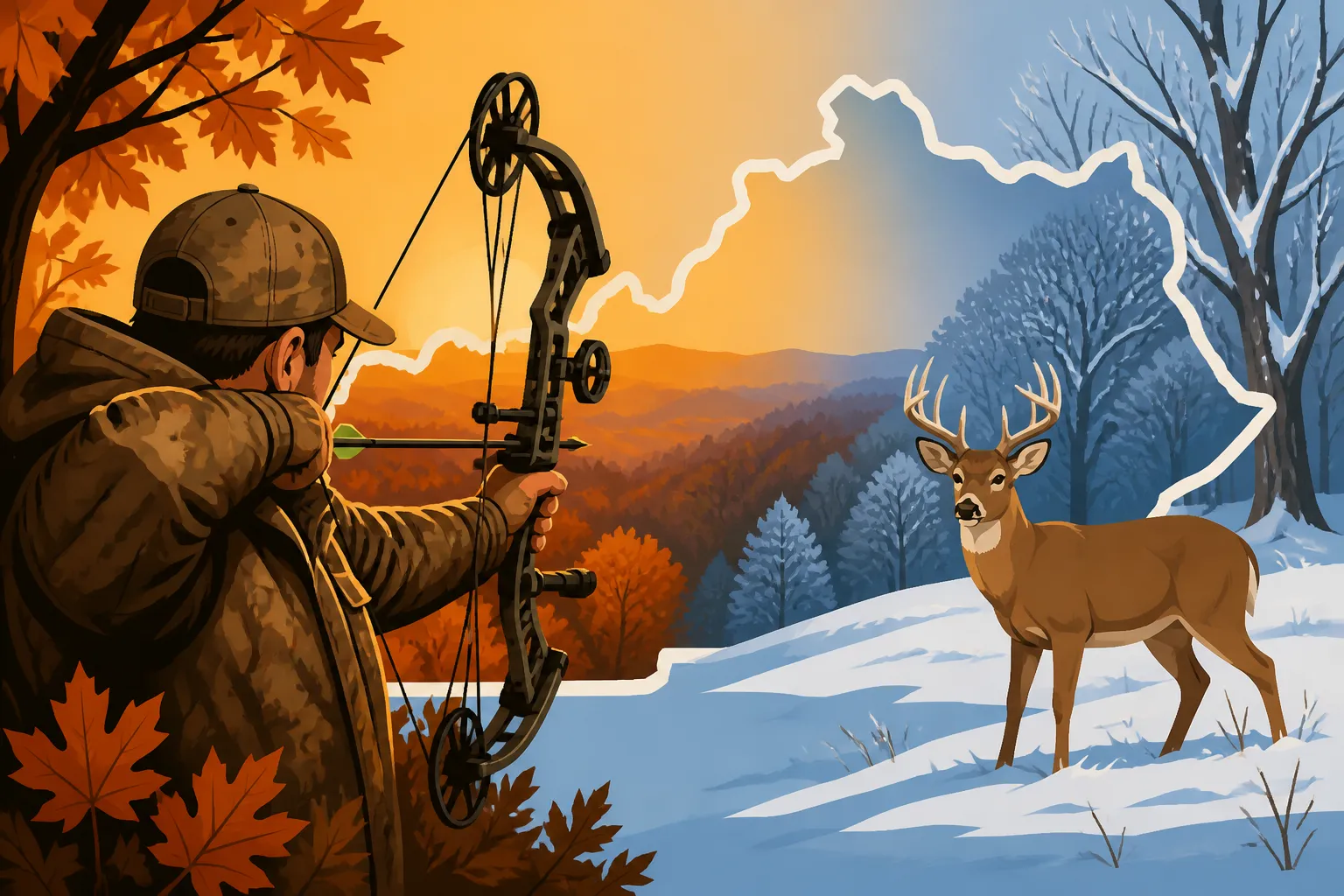
It is the second week of January, the gun hunters have hung up their orange, and you are still carrying a bow into a frozen Kentucky ridge wondering if any of this makes sense anymore. Late-season archery can feel like hunting ghosts. This guide explains how Kentucky’s archery season runs into January, what changes along the way, and how to turn those cold final weeks into real opportunities.
How the Kentucky Archery Calendar Is Built
Kentucky has one of the longest archery deer seasons in the country. It opens in early September, when the woods are still green and the ticks are still biting, and it runs all the way to mid-January, usually closing on the third Monday of the month. That gives bowhunters roughly four and a half months of opportunity, which is more time than many states give for all deer seasons combined.
That long window is a gift, but it also creates confusion. Hunters ask me every year whether the archery season pauses during gun season, whether crossbows follow the same dates, and what happens with blaze orange in late December. Let me walk through it.
The Big Picture From September to January
Think of the archery season as a long backbone that runs underneath every other deer season in Kentucky. The early muzzleloader weekends, the youth firearms weekend, the modern gun season and the late muzzleloader week all happen on top of it. Archery does not stop for any of them. You can legally carry a bow into the woods on any day of the archery season, including during modern gun season, as long as you follow the extra rules that apply when firearms seasons are open.
For the exact opening and closing dates in a given year, see Kentucky Archery Season Dates. The pattern is consistent from year to year, but the specific calendar dates shift a little because they are tied to days of the week.
| Season | General Timing | What It Means for Archers |
|---|---|---|
| Archery opener | Early September | Bow season begins statewide |
| Crossbow season | Opens later in September | Crossbows join the season and also run into January |
| Early muzzleloader | Two-day windows in October | Archers must follow blaze orange rules on those days |
| Youth firearms weekend | October | Orange rules apply, woods may be busier |
| Modern gun season | Opens the second Saturday in November | Heaviest pressure of the year, orange required |
| Late muzzleloader | A week or so in December | Orange required during that window |
| Free youth weekend | Late December | Short window when youth hunters can be afield with firearms |
| Archery closer | Third Monday in January | Final day to hunt deer with a bow |
Why Kentucky Runs the Season So Long
The long archery season reflects a few realities. Kentucky has a healthy deer herd, and bowhunting is an efficient way to give hunters more opportunity without dramatically increasing the harvest, because archery success rates are lower than firearms success rates. A long season also spreads hunters across the calendar, reducing crowding and giving people with busy work schedules a chance to get out.
For many Kentucky hunters, the late season is also when they fill their freezer. Antlerless bag limits vary by zone, and in many areas there is plenty of room to take additional does after the rut. For more on how zones shape bag limits, see How Kentucky Deer Zones Set Antlerless Bag Limits.
Crossbows and the January Window
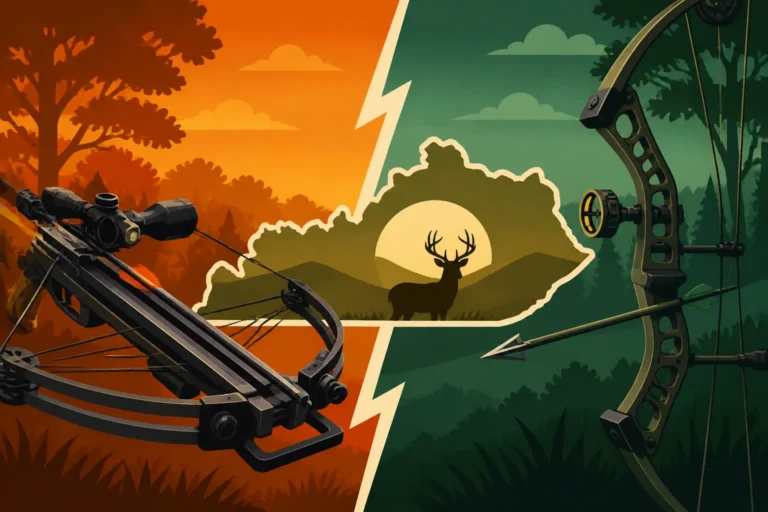
Crossbows are legal for deer in Kentucky, but crossbow season does not start on the same day as the vertical bow season. The crossbow season opens a little later in September and then runs alongside archery season through the January closer. That means the late-season window is open to both vertical bows and crossbows.
For many older hunters, youth hunters and those with shoulder injuries, crossbows are the reason they can still hunt in January’s bitter cold. Cranking a crossbow in freezing temperatures is a lot easier than drawing a 60-pound compound with stiff muscles. For the rules on crossbow use, see Kentucky Crossbow Rules During Archery Season.
What Changes as the Season Rolls On
The deer you hunt in September are not the same deer you hunt in January. Their behavior, food sources and movement patterns change dramatically over the season, and your tactics need to change too.
September and Early October
Early season bowhunting in Kentucky is all about food and water. Deer are on predictable summer patterns, feeding on soybeans, clover, early acorns and browse. They move early and late in the day, and many hunters find their best chance of the season in the first week or two, before pressure builds.
Heat is the main challenge. September days can be hot and humid, and getting a deer cooled quickly is a real concern. Hunt evenings close to food, keep your sits short and have a plan for getting a deer out and on ice fast.
The October Lull
Somewhere between the first frost and the first real rut activity, many Kentucky bowhunters hit a wall. Deer that were easy to pattern in September seem to vanish. Acorns are falling everywhere, so deer no longer need to visit the same field edges, and bucks shift toward their fall ranges. Leaves are still on the trees, which limits visibility, and the warm afternoons keep daytime movement low.
This is the time to scout rather than burn out your best stands. Walk the oak ridges to see which trees are dropping the most acorns, look for the first rubs and scrapes and hang a few fresh stands for later. A few smart sits on the best acorn flats can still produce, especially on cool mornings, but many hunters find that saving their energy for the rut and the late season pays off more.
The Pre-Rut and Rut
From late October into November, bucks start cruising, rubbing and scraping, and the rut usually peaks in early to mid-November. This is the time most bowhunters circle on their calendars. Mature bucks that were invisible in September suddenly show up during daylight. For more on the timing, see When the Kentucky Rut Peaks.
The challenge is that the modern gun season opens during this same period. Bowhunters who want to hunt the rut need to be comfortable sharing the woods with gun hunters, wearing blaze orange and accepting that deer movement may change once the shooting starts.
Post-Rut and Late December
After the rut, bucks are tired and hungry. Many have lost a significant portion of their body weight, and they need to rebuild before winter. Does that were not bred during the first estrus may come back into heat roughly a month later, producing a smaller second rut in December. That second rut can create some exciting hunts, especially in areas with lots of does.
By late December, pressure from gun and muzzleloader seasons has pushed deer into thick cover and nocturnal patterns. Food becomes the driving factor again.
January: The Final Stretch
January deer are in survival mode. They are focused on food and conserving energy. On cold days, they often move during the warmest part of the afternoon, especially after a cold front. If you can find the best remaining food sources, standing crops, winter wheat, cut corn fields or late-dropping acorns on south-facing slopes, you can often find deer.
The woods are also quieter. Many hunters have filled their tags or given up, which means less pressure. For hunters who stick it out, January can produce some of the most rewarding hunts of the year. For more on tactics in this stretch, see Hunting the Late-Season January Lull.
Rules That Apply When Seasons Overlap
Because the archery season runs underneath every other deer season, bowhunters need to know the rules that change during firearms windows.
Blaze Orange for Bowhunters
During any season when firearms deer hunting is open, including modern gun, muzzleloader and youth firearms seasons, Kentucky generally requires deer hunters to wear hunter orange, including bowhunters. That typically means a hat or cap and an outer garment visible from all sides. Once the firearms windows close, bowhunters can return to camouflage.
This rule can feel frustrating for bowhunters who rely on camouflage. But deer are not as sensitive to orange as people think, because they do not see the color the way we do. Wearing orange during gun season is a small sacrifice for a big gain in safety. For the specifics, see Kentucky Blaze Orange Requirements.
Bag Limits and Tags
Kentucky’s deer permits and bag limits apply across all seasons. In general, a hunter can take only one antlered deer per license year statewide, regardless of method, while antlerless limits depend on the deer management zone. Taking a buck with a bow in October fills the antlered portion of your bag for the year, even if you also hunt gun season.
That means bowhunters who plan to hunt into January need to think strategically. If you are holding out for a mature buck, you might pass on smaller bucks early in the season to keep your antlered tag open. If you are hunting primarily for meat, antlerless deer in January can be a great way to fill the freezer.
Telecheck and Reporting
Every deer taken in Kentucky must be reported through the state’s telecheck system, and the deadline is generally midnight on the day the deer is harvested. That rule applies whether you kill a deer in September or January. If you hunt late in the day and recover a deer after dark, make sure you report it before midnight. For details on the process, see Reporting a Deer Through Kentucky Telecheck.
Shooting Hours in the Short Days
Legal shooting hours for deer in Kentucky generally run from a half hour before sunrise to a half hour after sunset. In September, that gives you long evenings. In January, the days are short, and legal light ends early in the evening. If you are hunting after work, you may have only an hour or two of usable daylight.
Check sunrise and sunset times for your location before each hunt, and keep in mind that heavy cloud cover in thick timber can make the last few minutes of legal light too dark for an ethical shot with a bow. Plan to be settled in early so you are not still climbing when the best movement begins.
CWD Considerations
Chronic wasting disease has been detected in Kentucky, and the state has a surveillance zone in parts of the state. If you hunt in or near the surveillance zone during the late season, there may be additional testing requirements and carcass movement restrictions. Check the current rules before the season, especially if you plan to transport a deer to another county or state. For more, see Kentucky’s Chronic Wasting Disease Surveillance Zone.
Late-Season Archery Tactics That Work
Hunting into January requires a different mindset from hunting the rut. Here are the tactics I lean on.
Focus on Food
In January, food is everything. Look for standing crops, cut corn and soybean fields, winter wheat and food plots with brassicas or cereal grains. In the timber, look for white oak and red oak acorns that are still on the ground, especially on south-facing slopes where snow melts faster. Honeysuckle thickets and greenbriar are also important food sources in many Kentucky woods.
Set up between bedding areas and food sources, but closer to the food than you would early in the season. Deer often move late in the afternoon, and you want to be in position when they step out. For more, see Late-Season Food Sources for Kentucky Whitetails.
Hunt the Weather
Cold fronts are your friend. When a front moves through and temperatures drop sharply, deer often feed heavily before and after the front. The first clear, cold afternoon after a front can be the best hunt of the late season. For a deeper look, see Hunting Deer After a January Cold Front.
Snow can help too. Fresh snow reveals tracks, travel routes and bedding areas. It also forces deer to feed more to stay warm. Use snow days to scout and to hunt the food sources deer are hitting.
Stay Warm and Stay Still
Sitting still in January requires the right clothing. Layer up with a moisture-wicking base layer, an insulating middle layer and a windproof outer layer. Bring a warm hat, a neck gaiter, insulated boots and a hand muff with hand warmers. Many hunters walk to their stand with outer layers in a pack to avoid sweating, then put them on once they are settled. A thermos of something hot and a seat cushion that does not freeze to the platform make longer sits far more bearable.
Practice shooting in your cold weather clothing. Bulky layers can interfere with your draw and your anchor point. Make sure your release, bow string and arrows are clear of extra fabric.
Shot Placement and Tracking in Cold Weather
Cold weather changes the shooting equation in small but important ways. Thick winter coats can make deer look bigger than they are, and heavy clothing can change your anchor point. Take only shots you have practiced, and favor broadside or slightly quartering-away angles that give your arrow the best path to the vitals.
Tracking can actually be easier in snow, since blood shows up clearly against white ground. Without snow, frozen leaves crunch loudly and blood can be harder to see on dark, wet ground. Mark the spot where the deer was standing, note the direction it ran, and give it time before you take up the trail. A lung-shot deer usually goes down quickly, but a marginal hit in cold weather often calls for a long wait before you follow up.
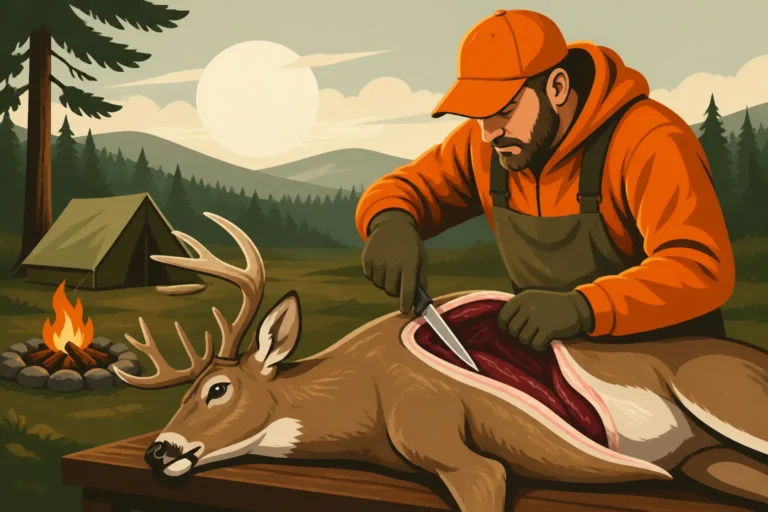
Cold also works in your favor once the deer is down. Low temperatures slow spoilage, which means a deer recovered the next morning is often still in good condition. Even so, field dress and cool it as soon as you can.
Keeping Your Gear Working in Freezing Weather
Bows, crossbows and accessories all behave a little differently in the cold. Strings and cables can tighten or loosen with temperature swings, lubricants can thicken and moving parts like sight pins and arrow rests can freeze if moisture gets into them. Check your equipment before each late-season hunt, and shoot a few practice arrows on a cold day to confirm your setup is still on target.
Bring your bow inside carefully after a cold hunt. Sudden warming can cause condensation, which may freeze again the next time you head out. Let it warm up gradually in a case, then dry it off. Keep your arrows and broadheads dry too, since rust on broadhead blades is common in wet winter weather.
Batteries are another weak point. Lighted nocks, rangefinders, sight lights and headlamps all drain faster in the cold. Carry spare batteries in an inside pocket where they stay warm.
Ground Blinds and Low-Pressure Setups
Late-season deer are wary. They have been hunted for months and know where hunters usually sit. Ground blinds can help you stay hidden, stay warmer and move without being seen. Set them up well in advance so deer get used to them, and brush them in with natural cover.
If you hunt from a treestand, consider moving to a new spot that has not been hunted. Fresh stands often produce better than stands that have been hunted repeatedly during the season.
| Late-Season Tactic | Why It Works | Best Timing |
|---|---|---|
| Hunting food sources | Deer must feed heavily to survive cold | Afternoons, especially after cold fronts |
| Fresh stand locations | Deer avoid areas pressured earlier in the season | Any late-season hunt |
| Ground blinds | Conceal movement and block wind | Field edges and food plots |
| Hunting after cold fronts | Deer feed heavily as temperatures drop | First clear afternoon after a front |
| Using snow to scout | Reveals tracks and travel routes | Days after fresh snow |
Planning Your Season From Start to Finish
The best late-season bowhunters plan their entire season with January in mind.
Mapping Out the Long Season
- Mark the key dates: archery opener, crossbow opener, early muzzleloader weekends, youth weekend, modern gun opener, late muzzleloader week and the archery closer.
- Decide which periods you will prioritize, such as opening week, the rut or the late season.
- Plan your tag strategy, including whether to hold your antlered tag for a mature buck.
- Scout food sources early and keep notes on how they change through the season.
- Prepare your cold-weather clothing and gear before December.
- Keep fresh stand locations in reserve for late-season hunts.
- Check the CWD and carcass rules for your hunting area.
Balancing the Bow With Other Seasons
Many Kentucky hunters carry a bow in the early season, switch to a rifle for opening weekend of modern gun season and then pick the bow back up in December and January. That approach works well, but it requires careful tag management. Remember that your antlered deer limit applies across all seasons, so a buck taken with a rifle in November ends your antlered season with a bow too.
If you are primarily a bowhunter, consider spending opening weekend of gun season in a stand on a property where pressure pushes deer toward you. Some of the best archery opportunities of the year happen when nervous deer are moving through thick cover to escape gun hunters on neighboring land. Just wear your orange.
A Sample Week in Early January
Picture a week in early January with a cold front arriving midweek. Monday and Tuesday are mild and gray, and deer movement is slow. Those are good days to check trail cameras from a distance, glass food sources from the truck at last light and decide where to sit when the weather turns.
Wednesday brings rain and wind ahead of the front. Many hunters stay home, but the hours right before the front arrives can be surprisingly good if you can stay dry. Thursday dawns clear and cold, with temperatures far below where they were earlier in the week. That afternoon, you slip into a fresh stand on the downwind edge of a picked cornfield next to a cedar thicket, and the first deer step out well before sunset. Friday and Saturday stay cold, and the pattern holds.
That kind of week is why so many dedicated bowhunters refuse to quit until the final Monday in January.
Using Tools to Plan
Many hunters use digital maps and scouting tools to plan their seasons. Satellite imagery, topographic maps and property boundaries can help you find food sources, bedding areas and travel routes. GoHunt is best known for its western hunt research and draw tools, but some eastern hunters also use its mapping features to scout terrain and plan stand locations. Other mapping apps offer similar tools. Whatever you use, check the provider’s own page for current features and pricing.
If you are a nonresident considering a Kentucky bowhunt, research the regulations, licenses and public land options before you go. Kentucky’s long archery season offers plenty of opportunity for out-of-state hunters, especially during the late season when pressure is lower. Planning resources like GoHunt can help you compare Kentucky with other states you might be considering.
Public Land in the Late Season
Kentucky has a good amount of public land, including wildlife management areas, national forest land and other public tracts. Late-season public land hunting can be surprisingly productive, because many hunters have given up by January. However, some public areas have special regulations, such as quota hunts or restricted seasons, so check the rules for each area before you go. For a starting point, see Scouting Kentucky Public Land Before Season.
Making the Most of the Final Days
The last few days of the archery season can feel bittersweet. You might be tired, cold and ready for the off-season. But those final days can produce. Deer are hungry, pressure is low and the woods are quiet. If you have an antlerless tag left and a good food source, it can be the perfect time to fill the freezer.
When the season closes, take time to reflect. What worked? What did not? Where did you see deer in January? Those notes will help you plan next year’s season, and they will make you a better late-season hunter.
Kentucky’s archery season is a marathon, not a sprint. From the hot days of September to the frozen afternoons of January, it offers bowhunters more opportunity than almost anywhere else. If you plan well, adapt to changing deer behavior and follow the rules for overlapping seasons, you can enjoy success all the way to the final day. For a broader look at the whole season, Bowhunting Kentucky’s Long Archery Season is the natural next read, and many hunters who use GoHunt for their out-of-state research find it useful to review their Kentucky plans alongside it.
Disclaimer
This article is for general informational purposes only and does not constitute professional advice. Laws, prices and regulations vary by location and change over time. Consult a qualified professional for guidance on your specific situation.