Muzzleloader Deer Hunting in Kentucky
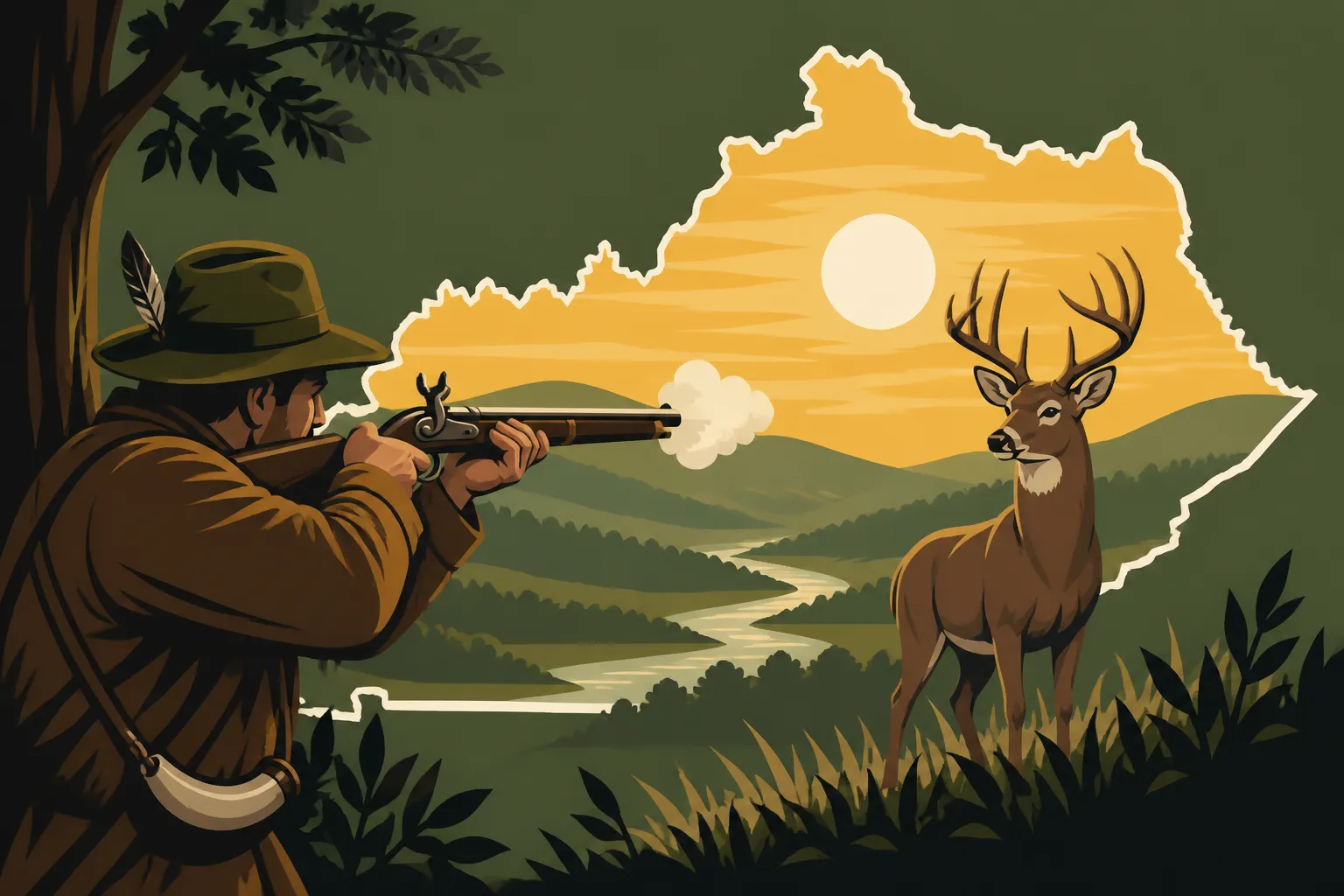
There's a unique satisfaction that comes with hunting deer with a muzzleloader in Kentucky. It's a method that harkens back to earlier times, yet modern advancements make it incredibly effective. If you've ever felt the frustration of a short, crowded modern gun season or wished for a few more days in the woods when the rut is winding down, this guide is for you. We're diving deep into everything you need to know to succeed with a muzzleloader, from season dates to specific tactics and gear choices, helping you make the most of these special opportunities.
Understanding Kentucky's Muzzleloader Seasons
Kentucky offers specific windows for muzzleloader hunting that are distinct from the general modern gun seasons. These periods can be golden opportunities, often falling when deer patterns are predictable or when hunting pressure is lower. Knowing these seasons inside and out is the first step to planning a successful hunt.
Early Muzzleloader Weekend: A Prime Opportunity
The early muzzleloader season is a coveted, short window that typically falls in mid-October. This timing is fantastic for several reasons. First, it usually precedes the general modern gun season, meaning you're often getting into the woods before the deer have been significantly pressured by a wave of hunters. This can lead to more natural deer movement and a better chance at catching a mature buck still in his pre-rut patterns, or at least actively seeking does.
Secondly, the weather in mid-October in Kentucky can be absolutely beautiful – crisp mornings, comfortable afternoons, and often the leaves are still vibrant, making for picturesque hunting conditions. While it's not peak rut, bucks are starting to scrape, rub, and assert their dominance, making them more visible. You might even catch some early chasing activity, especially if you're targeting areas with good doe populations. This short, focused season provides a perfect chance to utilize your muzzleloader when deer are still relatively undisturbed and transitioning from summer feeding to fall breeding behaviors. It’s a strategic time to be in the woods, requiring you to be sharp and ready to capitalize on a brief window. If you're looking for an advantage over the crowds, the early muzzleloader weekend is often it.
Late Muzzleloader Season: Chasing December Whitetails
After the hustle and bustle of the modern gun season and often into the initial lull of the post-rut, Kentucky offers a late muzzleloader season, typically in early to mid-December. This season presents a completely different set of challenges and opportunities compared to its early counterpart. By December, deer, especially mature bucks, have been pressured significantly. They're often seeking refuge in dense cover during daylight hours and moving primarily to secure food sources. The weather can be a real factor, with cold temperatures, sometimes snow or sleet, making long sits a test of endurance.
However, this late season can be incredibly rewarding. Deer are primarily focused on replenishing energy reserves lost during the rut. This means food sources become king. Identifying key late-season forage like standing corn, winter wheat, brassicas, or even remaining acorns can be crucial. Deer will often travel considerable distances to hit these consistent food plots, particularly during periods of bitter cold. Additionally, does that weren't bred during the primary rut might experience a secondary estrus cycle, which can pull bucks back into active searching. This late season often sees fewer hunters in the woods, especially on public land, which can be a huge advantage. It requires patience, careful scouting for winter food sources, and a willingness to brave the elements, but the rewards can be substantial, often yielding some of the biggest-bodied deer of the year. For more on navigating this time, check out our guide on Hunting the Late Muzzleloader Week in December.
Pioneer Weapons Only WMAs: A Unique Challenge
Kentucky takes the traditional aspect of hunting a step further with designated Pioneer Weapons Only Wildlife Management Areas (WMAs). These special areas enforce stricter regulations on the types of firearms and equipment allowed, offering a truly unique and challenging hunting experience. On these WMAs, you're typically restricted to muzzleloaders that are traditional in design – often meaning no scopes, no synthetic stocks, and sometimes even specific ignition types like flintlock or percussion cap. Modern in-line muzzleloaders, which are perfectly legal in general muzzleloader seasons, are usually prohibited here.
Hunting on a Pioneer Weapons WMA isn't just about the equipment; it's about embracing a more primitive style of hunting. The reduced range and slower reloading time of traditional muzzleloaders, combined with open sights, demand a higher level of skill in tracking, stalking, and shot placement. You'll need to get much closer to your target, which means being extra mindful of wind, cover, and deer movement. These areas often see less pressure than surrounding public lands due to the specialized equipment requirements, which can be a definite perk. Before heading out, it's absolutely critical to consult the specific WMA regulations for the area you plan to hunt, as rules can vary and are strictly enforced. Hunting a Muzzleloader-Only Primitive Weapons Tract offers a profound connection to hunting heritage and a truly memorable experience.
Choosing the Right Muzzleloader and Ammunition
Selecting the appropriate muzzleloader and ammunition is critical for success and compliance with Kentucky's hunting regulations. There's a wide array of options available, from traditional to modern, each with its own advantages and considerations.
Legal Muzzleloaders in Kentucky: In-line vs. Traditional
Kentucky's hunting regulations are quite clear regarding what constitutes a legal muzzleloader for deer hunting during specific seasons. For the general early and late muzzleloader seasons, most modern muzzleloaders are permitted. This typically includes in-line muzzleloaders, which are incredibly popular due to their design that aligns the primer, powder, and projectile for improved reliability and accuracy. They often feature modern rifle-style stocks, fiber optic sights, and are typically drilled and tapped for scope mounts, making them very user-friendly. Brands like CVA and Traditions offer a wide range of in-line models that are well-suited for Kentucky deer hunting.
However, if you're venturing onto a Pioneer Weapons Only WMA, the rules change dramatically. These areas usually restrict hunters to traditional muzzleloaders. This typically means percussion cap or flintlock rifles, often with external hammers, wooden stocks, and strictly open sights. Scopes are generally not allowed. This distinction is crucial; using an in-line muzzleloader on a Pioneer Weapons WMA could result in a citation. Understanding the specific WMA rules for the area you're hunting is paramount. For general muzzleloader seasons, the choice between an in-line or a more traditional percussion cap rifle often comes down to personal preference for modern convenience versus a more classic hunting experience. Both can be highly effective, but the in-line typically offers greater accuracy and ease of use, especially for longer shots.
Caliber and Projectile Selection for Whitetails
When it comes to caliber, the vast majority of Kentucky muzzleloader hunters opt for either a .50 caliber or a .45 caliber rifle. Both are more than capable of cleanly taking a whitetail deer. The .50 caliber has long been the standard, offering excellent knock-down power and a wide selection of projectiles. The .45 caliber, especially with modern sabot technology, delivers impressive ballistics, often a flatter trajectory, and can be very accurate.
The choice of projectile is where things get interesting. Saboted bullets are extremely popular with in-line muzzleloaders. These consist of a smaller caliber bullet (e.g., .40 or .45 caliber) encased in a plastic sleeve (sabot) that allows it to be fired through a larger bore (e.g., .50 caliber). Once it leaves the barrel, the sabot falls away, and the bullet continues to its target. Sabots greatly improve accuracy and allow hunters to use aerodynamically superior bullets, mimicking modern rifle performance. Popular sabot bullet types include Hornady SST-ML, Barnes Spit-Fire TMZ, and various lead-core options.
Alternatively, full-bore conical bullets (like PowerBelt AeroLites or Thor Bullets) are also effective, especially in .50 caliber. These are essentially oversized lead bullets that are loaded directly down the barrel without a sabot. They offer tremendous energy transfer upon impact but often have a more rainbow-like trajectory than saboted bullets. For hunters using traditional muzzleloaders or those who prefer a simpler loading process, patched round balls are also an option, though their effective range is significantly limited compared to modern projectiles. Regardless of your choice, ensure your projectile is designed for deer-sized game, expands reliably, and is legal for the season and WMA you plan to hunt. A critical aspect is to test different combinations with your specific rifle to find what shoots most accurately.
Optic and Sighting Options: Maximizing Precision
The sighting system on your muzzleloader can profoundly impact your effective range and accuracy in the field. For most general Kentucky muzzleloader seasons, hunters have a couple of primary options: scopes or open sights.
Scopes are undoubtedly the most popular choice for modern in-line muzzleloaders. They offer significant advantages in low-light conditions, allow for precise aim at longer distances, and make target acquisition much faster and more accurate. A low-power variable scope (e.g., 2-7x, 3-9x) is typically ideal for muzzleloader hunting, providing enough magnification for longer shots across a field or down a logging road, while still offering a wide field of view for closer timber encounters. Look for scopes designed to withstand the recoil of muzzleloaders and offer good light-gathering capabilities. Kentucky's terrain, with its mix of open fields and dense timber, often benefits from the versatility a scope provides. For navigating low-light hollows, a quality scope can make all the difference.
Open sights, on the other hand, are the traditional choice and often a requirement for Pioneer Weapons Only WMAs. These typically include a front post or bead sight and a rear notch or adjustable buckhorn sight. While they demand more practice and limit your effective range compared to a scope, open sights can be incredibly fast for close-range shots. Many modern in-line muzzleloaders come equipped with fiber optic open sights, which gather ambient light to create bright, easy-to-see aiming points, significantly improving visibility in dim conditions compared to traditional iron sights. The key with open sights is consistent practice to understand your rifle's point of impact at various distances and to develop a steady hold. Remember, accurate shot placement is always more important than raw power, and whether you choose a scope or open sights, it needs to be a system you can trust under pressure.
Mastering Your Muzzleloader: Preparation and Practice
Hunting with a muzzleloader isn't just about pointing and shooting; it's a methodical process that requires careful preparation, diligent practice, and a keen understanding of your firearm. The unique loading and firing sequence means you need to be intimately familiar with every step to ensure reliability and accuracy when it matters most.
Powder and Primer Selection: Consistency is Key
The foundation of muzzleloader accuracy and performance lies in your powder and primer selection. You generally have two main categories of propellants: traditional black powder and modern black powder substitutes. Black powder, while historically authentic, is corrosive and requires meticulous cleaning. For most modern hunters, black powder substitutes like Hodgdon Triple Seven (777), Pyrodex, or Alliant Black MZ are far more convenient. These substitutes burn cleaner, are less corrosive, and often produce higher velocities. They come in both granular (FFg or FFFg, depending on the load) and pelletized forms. Pellets offer ease and consistency of loading, while granular powder allows for fine-tuning charge weights.
When it comes to primers, most modern in-line muzzleloaders use 209 shotshell primers. These deliver reliable ignition, even in damp conditions. Ensure your primers are specifically rated for muzzleloaders, as some standard shotshell primers may not have the necessary brisance (fire intensity) for consistent ignition. For traditional percussion cap muzzleloaders, you'll need #10 or #11 percussion caps, ensuring a snug fit on the nipple.
Consistency is absolutely paramount. Once you find a powder and primer combination that your rifle likes and that provides the desired accuracy and velocity, stick with it. Any change in powder type, charge weight, or even primer brand can significantly alter your point of impact. Always store your powder and primers in a cool, dry place, away from any ignition sources. Improper storage can degrade the powder, leading to misfires or inconsistent performance, which is the last thing you want when that Kentucky whitetail steps out.
Loading Procedures and Field Considerations
Loading a muzzleloader is a multi-step process that needs to be practiced until it's second nature, especially if you anticipate needing a follow-up shot in the field. The basic steps involve seating the primer, pouring or dropping the powder charge, and then ramming the projectile down the barrel.
Before you even think about loading, make sure your rifle is pointed in a safe direction. For powder, whether using granular or pellets, ensure the correct charge weight is used – never exceed the manufacturer's maximum recommended load. If using granular powder, a volumetric measure or a consistent method for pouring is vital. For pellets, simply drop the correct number of pellets down the barrel. Next comes the projectile. If using a sabot, ensure it's oriented correctly. Using a good quality loading jag and a stout ramrod, seat the projectile firmly against the powder charge. You'll feel a definite "thunk" when it's fully seated. Do not compress the powder too much, but ensure there's no air gap between the powder and projectile, as this can be dangerous. Finally, place the primer in the breach plug.
In the field, speed loaders are invaluable. These pre-assembled tubes hold a measured powder charge and a projectile, allowing for rapid reloading. Keeping your powder and primers dry is crucial in Kentucky's often damp late-season conditions. Consider waterproof containers for your powder and spare primers. Many hunters carry a small, waterproof pouch or tin for this purpose. A misfire is always a possibility. Knowing how to safely clear a misfire, typically by trying to re-prime or tapping the barrel to ensure the projectile is seated, is essential. Never cycle another round behind a misfire without ensuring the barrel is clear. Practicing these procedures will make you confident and efficient, turning a potential moment of panic into a routine action.
Range Time and Maintenance: Building Confidence
You wouldn't head into deer season with an unfamiliar bow or un-zeroed rifle, and the same absolutely applies to your muzzleloader. Consistent range time is non-negotiable. Begin by zeroing your muzzleloader at a practical hunting distance, usually 50 or 100 yards, depending on your setup and expected shot distances. Don't stop there; practice shooting from various positions – offhand, kneeling, from a shooting stick, and simulating real-world hunting scenarios. Understanding your bullet's trajectory at different ranges is critical, especially since muzzleloader projectiles drop much more quickly than modern rifle rounds. Use a ballistic calculator or simply shoot at 25, 50, 75, and 100 yards to see your actual point of impact.
Cleaning your muzzleloader after every range session and especially after every hunt is paramount. Black powder and its substitutes are notoriously corrosive, and leaving residue in the barrel can quickly lead to pitting and rust, destroying accuracy and potentially damaging your firearm. A thorough cleaning typically involves removing the breech plug, scrubbing the barrel with a specialized muzzleloader cleaner, patching it dry, and then applying a rust preventative oil. Don't forget to clean the breech plug itself, ensuring the flash hole is clear.
Regular maintenance extends beyond cleaning. Check all screws for tightness, especially scope mounts. Inspect your ramrod for any damage. Replace any worn nipples or breech plugs as needed. Building confidence in your muzzleloader comes from knowing it will perform flawlessly when called upon. This means understanding its quirks, trusting its accuracy, and maintaining it diligently. After all, a clean, well-maintained muzzleloader is a reliable muzzleloader, and reliability means the difference between a successful hunt and a missed opportunity.
Effective Muzzleloader Hunting Tactics in Kentucky
Muzzleloader hunting in Kentucky demands a nuanced approach, particularly given the varying conditions of the early and late seasons. Understanding deer behavior, identifying prime habitat, and employing strategic stand placement are key to filling your tag.
Post-Rut and Late-Season Deer Behavior
By the early muzzleloader season in October, deer are typically transitioning out of summer patterns. Bucks are starting to become more active, rubbing and scraping, but the full intensity of the rut is still a few weeks away. They might be found near preferred browse and staging areas, still somewhat predictable. During this time, targeting travel corridors between bedding and early food sources can be highly effective.
Fast forward to the late muzzleloader season in December, and deer behavior has shifted dramatically. The primary rut has passed, and bucks are often exhausted and focused on recovery. Their priorities are simple: find secure bedding and reliable food sources. Does and fawns will congregate in areas with abundant forage, making these spots magnets for any lingering, unbred does and the bucks still seeking them. This is when Hunting the Late-Season January Lull really comes into play, even though it's technically December for muzzleloader season. Deer become much more nocturnal, seeking dense cover during the day. However, severe cold weather can force them to move more during daylight hours to feed, making these extreme weather days prime hunting opportunities. Understanding these shifts in behavior – from pre-rut anticipation to post-rut recovery – is vital for successful muzzleloader hunting during Kentucky's varied seasons.
Locating Key Food Sources and Funnels
Identifying and targeting reliable food sources is arguably the most critical tactic for late-season muzzleloader hunting in Kentucky. While acorns can be a primary draw in the early season, by December, their availability may be depleted, especially after a Hunting After a Poor Acorn Year. This is when planted food plots and agricultural fields become deer magnets. Think standing corn, winter wheat, brassicas, and clover. Deer will often pattern themselves around these reliable buffet lines. Scouting these areas thoroughly, looking for fresh tracks, droppings, and feeding sign, will tell you where deer are concentrating their efforts. Don't overlook less obvious natural food sources either, like honeysuckle, greenbriar, or browse in sheltered areas.
Beyond just food, understanding funnels and bottlenecks in the landscape is crucial for intercepting deer movement. A funnel is any geographical feature that naturally concentrates deer travel. This could be a narrow strip of timber connecting two larger woodlots, a saddle between two ridges, a creek bottom, or the edge of a thick bedding area adjacent to an open field. These are high-traffic areas where deer feel secure moving between bedding, feeding, and watering sites. Using aerial maps, like those available on platforms like GoHunt, can help you identify these topographical features. On public land, these funnels often lead to the deepest, most secure cover. Setting up a stand or ground blind on the downwind side of a well-used funnel, particularly one leading to a late-season food source, can put you in a prime position for a shot. For a deeper dive, read our guide on Hunting a Funnel Between Two Hollows.
Stand Placement and Still-Hunting Strategies
Once you've identified promising food sources and funnels, your next step is strategic stand placement or choosing an effective still-hunting path. For stand hunting, wind direction is paramount. Always approach and set up your stand downwind of where you expect deer to travel or feed. Consider sun angle in the morning and evening to avoid being silhouetted. Optimal stand height is usually 15-20 feet, offering a good vantage point while staying concealed. If hunting near an ag field, a ground blind brushed into a fencerow or field edge can be incredibly effective, especially if you're trying to stay warm in the late season. Ensure your shooting lanes are clear for your muzzleloader's effective range.
Alternatively, still-hunting is a highly effective tactic, particularly in Kentucky's thick timber and rolling hills. This involves slowly and quietly moving through the woods, taking a few steps, pausing for several minutes to observe, and then repeating the process. It's about hunting with your eyes and ears as much as with your feet. Focus on prime bedding areas or transition zones between bedding and feeding. Move into the wind or with a crosswind, always paying attention to thermals, which can be tricky in hilly terrain. For example, in the mornings, thermals often rise, carrying your scent upwards; in the evenings, they fall, carrying scent downwards. On ridges, wind and thermals can shift dramatically. Still-hunting requires immense patience, sharp observation skills, and a deep understanding of deer sign. For more detailed insights into navigating challenging terrain, check out our guide on Still-Hunting Eastern Kentucky Ridges. The goal is to spot the deer before it spots you, allowing you to get into a shooting position without alerting it.
Navigating Kentucky's Public Lands and Regulations
Kentucky offers a wealth of public hunting opportunities, but successfully navigating these lands with a muzzleloader requires pre-planning, detailed knowledge of regulations, and smart strategies to avoid pressure.
Finding Quality Public Ground for Muzzleloader Season
Kentucky is blessed with diverse public lands, from expansive national forests to numerous Wildlife Management Areas (WMAs), offering excellent opportunities for muzzleloader deer hunting. The Daniel Boone National Forest, stretching across eastern Kentucky, provides hundreds of thousands of acres of rugged, forested terrain. This can be fantastic for hunters willing to walk far from roads, where big timber often holds less pressured deer. Similarly, state forests like Pine Mountain State Forest or Robinson Forest, while often managed differently, can offer additional access.
Wildlife Management Areas (WMAs) are often prime hunting grounds, as they are specifically managed for wildlife habitat. However, they can also concentrate hunters, especially during popular seasons. To find quality public ground, start by researching the Kentucky Department of Fish and Wildlife Resources (KDFWR) website. Their online map tool, often integrated with tools like GoHunt, is invaluable for identifying public parcels, boundaries, and even habitat features. Look for WMAs that have varied topography, good cover, and diverse food sources. Don't be afraid to study aerial photos for hidden pockets of timber, steep hollows, or areas that are difficult to access, as these often hold deer that have learned to avoid human contact. For a comprehensive guide on identifying promising locations, refer to our advice on Scouting Kentucky Public Land Before Season. The key is to put in the legwork beforehand, digitally and physically, to understand the lay of the land and where deer might be holding.
Understanding Specific WMA Rules and Quota Hunts
While general state regulations apply across Kentucky, Wildlife Management Areas (WMAs) often have their own specific rules and regulations that hunters must follow. These can include restrictions on hunting dates, bag limits, allowable equipment, and even access methods. For muzzleloader hunters, it's particularly important to check for "Pioneer Weapons Only" or "Primitive Weapons Only" designations, as these restrict you to traditional muzzleloaders without scopes or modern features. Some WMAs might also require a quota hunt application and permit, particularly for managing deer populations or offering special opportunities. These hunts are highly sought after and require applying well in advance of the season.
Before planning your hunt on any WMA, always consult the most current KDFWR hunting guide or visit the specific WMA's page on the KDFWR website. Pay close attention to rules regarding:
- Sign-in requirements: Many WMAs require hunters to sign in and out, often at kiosks or online.
- Vehicle restrictions: Some areas may prohibit vehicles on certain roads or trails.
- Treestand/Ground Blind regulations: Rules on leaving stands overnight, types of stands allowed, or brushing in ground blinds.
- Blaze orange requirements: Always confirm visibility requirements, as these can vary.
- Bag limits: While statewide limits apply, some WMAs may have more restrictive antlerless or antlered deer limits.
Failure to follow WMA-specific rules can result in citations or loss of hunting privileges. Understanding these nuances is not just about compliance, but also about safety and ensuring a positive experience for all users of public land. For example, some WMAs might even have different Kentucky Late Muzzleloader Tactics specific to their terrain or deer density.
Minimizing Pressure and Maximizing Success
Hunting public land, especially during popular seasons like muzzleloader, often means dealing with hunting pressure. However, there are proven strategies to minimize encountering other hunters and maximize your chances of success. The most effective approach is often to simply walk further. Most hunters don't venture more than a half-mile from a road or parking area. If you're willing to go a mile or two back into the timber, you'll often find less disturbed deer and significantly reduced pressure. Using mapping tools to identify remote access points or areas that require crossing difficult terrain can pay off immensely.
Another tactic is to hunt mid-week. Weekends see the highest volume of hunters. If your schedule allows, a Tuesday or Wednesday hunt can feel like a private land experience, as many people are back at work. Consider hunting during inclement weather, within safe limits. A steady drizzle or a cold, windy day might deter fair-weather hunters, leaving the woods quieter for those willing to brave the elements. Focus on hunting obscure spots: thickets, steep hollows, or isolated ridges that others overlook. Deer use these areas as sanctuaries when pressured. Learning to Find Ground Others Walk Past is a skill developed through extensive scouting and observation. Finally, paying attention to wind direction and entry/exit routes will help you avoid bumping deer into other hunters and keep your presence undetected. By employing these strategies, you can turn seemingly crowded public lands into productive muzzleloader hunting grounds.
After the Shot: Field Care and Legal Compliance
Successfully harvesting a deer with a muzzleloader is incredibly rewarding, but the work isn't over when the shot breaks. Proper field care and adhering to Kentucky's reporting requirements are crucial steps for every responsible hunter.
Tracking and Recovering Deer in Late Season
A well-placed shot with a muzzleloader often results in a quick, clean harvest, but not always. Regardless of how confident you feel about your shot, it's vital to give the deer ample time before initiating a track, especially if it's late in the day or if the deer appears to be only marginally hit. In Kentucky's late muzzleloader season, temperatures can be quite cold, which works in your favor for meat preservation if you need to wait a few hours.
When you do start tracking, look for blood, broken branches, disturbed leaves, or anything that indicates the deer's path. Be patient and methodical. Mark your last known blood trail with flagging tape or a unique marker every few yards. Sometimes, blood trails can be sparse, especially with a pass-through shot, or if the deer is bleeding internally. If the trail runs out, expand your search in a grid pattern in the direction the deer was last seen heading. Think about the path of least resistance – deer often follow ravines, creek beds, or established game trails. If night falls before you find the deer, it’s often best to back out and return at first light, as continued pushing in the dark can make recovery harder. For deeper insights on navigating difficult conditions, our guide on Blood Trailing After Dark in Kentucky offers valuable tips. Having a good headlamp and potentially a tracking partner can be immensely helpful.
Field Dressing and Meat Care in Variable Temperatures
Once you've recovered your muzzleloader deer, proper field dressing and meat care are immediate priorities, even in cold Kentucky weather. While cold temperatures help preserve meat, it's still crucial to get the internal organs out quickly to allow the carcass to cool down and prevent bacterial growth. The standard field dressing method involves opening the body cavity from the sternum to the pelvis and carefully removing all internal organs. Be mindful of the bladder and intestines to avoid contamination.
After field dressing, focus on cooling the carcass as rapidly as possible. If you're in rugged terrain or need to quarter the animal for easier transport, refer to methods like the "gutless method" which avoids opening the body cavity but requires separating meat from bone. In cold weather, you might not need ice right away, but if temperatures are above freezing or expected to rise, consider packing the cavity with ice bags once you get it back to camp or your vehicle. Keep the carcass clean. Avoid dragging it through dirt or water if possible. If you have a long drag ahead, a deer sled or game cart can protect the meat. For more detailed instructions on preparing your harvest in cooler conditions, check out our guide on Field Dressing a Deer in Cold Weather. Getting the deer to a processor or preparing it for butchering yourself within a reasonable timeframe (typically 24-48 hours, depending on temperature) is key to ensuring high-quality venison.
Telechecking and CWD Zone Compliance
Kentucky requires all deer harvests, including those taken with a muzzleloader, to be telechecked within a specified timeframe. This is a critical legal step that provides the KDFWR with vital data for managing the state's deer population. Telechecking can typically be done online via the KDFWR website or over the phone. You'll need your license number, the date and county of harvest, and information about the deer (e.g., antlered or antlerless, sex). Make sure to have this information handy. The deadline is usually by midnight on the day the deer was harvested, so don't delay!
Beyond telechecking, hunters must also be aware of Kentucky's Chronic Wasting Disease (CWD) Surveillance Zone. As CWD has been detected in a few Kentucky counties, the KDFWR has established a surveillance zone with specific rules designed to monitor and prevent the spread of the disease. These rules can include mandatory CWD testing for deer harvested within the zone and restrictions on carcass movement out of the zone. For example, in counties within the CWD zone, you might be required to take your deer to a designated sampling station. If you harvest a deer in a CWD-positive or surveillance county, you cannot transport the whole carcass out of that county or zone, except to a licensed processor or taxidermist within the zone, or only specific parts (like deboned meat, antlers, clean skull plates, hides) may be moved. Always check the latest KDFWR regulations for the specific county you are hunting in to ensure compliance. Ignorance of these rules is not an excuse, and violating them carries serious penalties. For detailed information on testing requirements, consult our resource on Mandatory Testing Inside Kentucky's CWD Zone.
Enhancing Your Muzzleloader Hunting Experience
Muzzleloader hunting in Kentucky can be both challenging and immensely rewarding. Beyond the basics, there are several ways to enhance your experience, from staying warm to leveraging modern tools for better success.
Cold Weather Gear and Endurance Strategies
Hunting Kentucky's late muzzleloader season in December often means facing some serious cold, possibly even snow or freezing rain. Having the right cold weather gear isn't just about comfort; it's about safety and maintaining your focus. Layering is king. Start with moisture-wicking base layers, add insulating mid-layers (fleece or down), and top it with a waterproof, windproof outer shell. Wool is an excellent choice for insulation as it retains warmth even when wet. Don't forget extremities: an insulated hat, warm gloves or mittens (often with convertible fingers for shooting), and most importantly, insulated, waterproof boots are essential. Many Kentucky hunters swear by rubber boots for warmth and to keep their scent down when walking through wet terrain.
Beyond the gear, endurance strategies are vital for long, cold sits. Bring plenty of high-energy snacks and a thermos of hot coffee, tea, or soup. Chemical hand warmers and foot warmers can make a significant difference. Movement, even subtle movements like wiggling your toes or stretching your fingers, can help maintain circulation. A comfortable, insulated seat cushion can also provide much-needed warmth and minimize fatigue. Mentally preparing for the cold is just as important as the physical preparation. Remember, deer often move more during the coldest parts of the day when fewer hunters are out. Embracing the challenge and being prepared for it will not only make you a tougher hunter but also greatly increase your chances of success during the frigid late season. For more tips on staying comfortable, explore our guide on Cold-Weather Sitting Strategy in Kentucky.
Group Hunting and Deer Drive Considerations
While muzzleloader hunting often conjures images of solo stalks, group hunting and even strategic deer drives can be incredibly effective, especially on larger tracts of public land during the late season. When a group of hunters works together, you can cover more ground and potentially push deer out of dense bedding areas that would be impossible for a single hunter to penetrate effectively.
The key to successful and safe deer drives is meticulous planning and clear communication. Designate drivers and standers. Drivers slowly and quietly push through a predetermined section of cover, moving towards the standers who are positioned to intercept deer attempting to escape. Safety is the absolute top priority. All participants must know exactly where everyone else is positioned. Establish clear shooting lanes and zones of fire for standers, ensuring no shots will be taken in the direction of other hunters. Blaze orange requirements are non-negotiable for all participants. Radios or cell phones can facilitate communication, but always have a backup plan in case of poor signal. Deer drives work best in areas with distinct blocks of cover, like a thick bottomland along a creek or a dense bedding thicket on a ridge. For a detailed guide on organizing such an effort, refer to our article on Deer Drives With Three or Four Hunters. When executed safely and thoughtfully, group hunting can be an exciting and highly productive way to fill multiple tags during the muzzleloader season.
Utilizing Technology and Mapping for Success
In today's hunting world, technology can be a powerful ally, even for those embracing the traditional method of muzzleloading. Modern mapping applications are invaluable tools for scouting, navigation, and strategy. Apps like GoHunt, or other popular hunting GPS apps, offer detailed satellite imagery, topographic maps, and property boundary lines, often highlighting public land access points and ownership. Before you even step foot in the woods, you can use these apps to identify potential bedding areas, travel corridors, food sources, and especially crucial funnels that might lead to a muzzleloader shot opportunity.
Beyond just finding land, these apps allow you to:
- Mark waypoints: Pin drop your stand locations, rub lines, scrapes, tracks, and blood trails.
- Track your movement: See your path in real-time, helping you navigate through dense timber or recover a deer.
- Analyze terrain: Understand elevation changes, creek drainages, and how they might affect deer movement and wind thermals.
- Layer data: Overlay different map types (e.g., satellite with topo) to get a comprehensive view of the landscape.
Using a GPS unit or a mapping app on your phone can save you countless hours of scouting and prevent you from getting lost in unfamiliar territory. It allows you to develop precise entry and exit routes that minimize disturbance and keep your scent away from key areas. Learning to Read Aerial Photos for Eastern Kentucky Deer can give you a significant edge, helping you identify subtle terrain features that influence deer movement. While muzzleloading is about tradition, there's no harm in using modern tools to enhance your success and efficiency in the field.
Disclaimer
The information provided in this guide is for informational purposes only and is not a substitute for official Kentucky Department of Fish and Wildlife Resources (KDFWR) regulations. Hunting regulations can change frequently. Always consult the most current KDFWR hunting guide or website before engaging in any hunting activities. Adherence to all local, state, and federal laws is the responsibility of the hunter.