Owsley County Elk Zone Ground
Kentucky's Elk Zone holds a special allure for hunters, but often, the sheer size and diverse terrain can feel overwhelming, especially when trying to pinpoint specific areas. Owsley County, a key part of this restoration effort, presents its own unique set of challenges and opportunities for those seeking a majestic bull or a cow elk. This guide aims to demystify hunting Owsley County's elk grounds, helping you understand its terrain, access points, and how to approach a hunt in this rugged, beautiful corner of the Bluegrass State.
Understanding Owsley County's Place in the Kentucky Elk Zone
Owsley County lies deep within the southeastern Kentucky mountains, an area synonymous with the state's incredible elk restoration story. For decades, these mountains were silent of elk, but thanks to dedicated conservation efforts, they now echo with bugles. Understanding Owsley's role in this broader picture is crucial for any hunter hoping to draw a tag here.
The Geographic Context and Elk Restoration
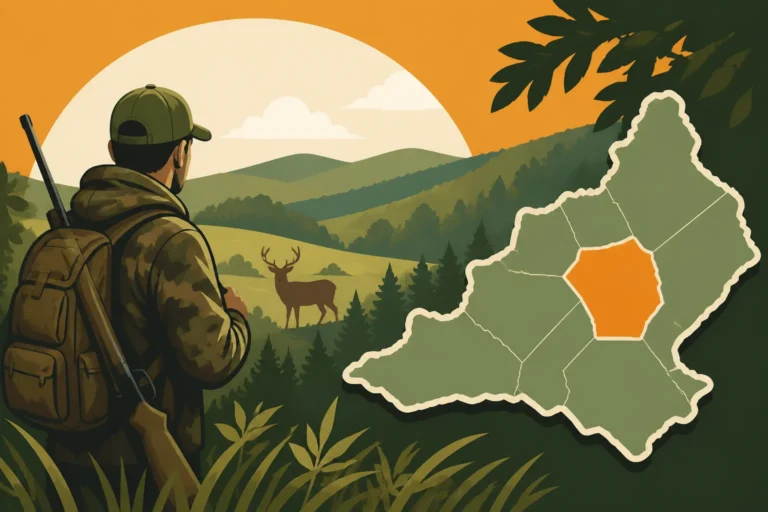
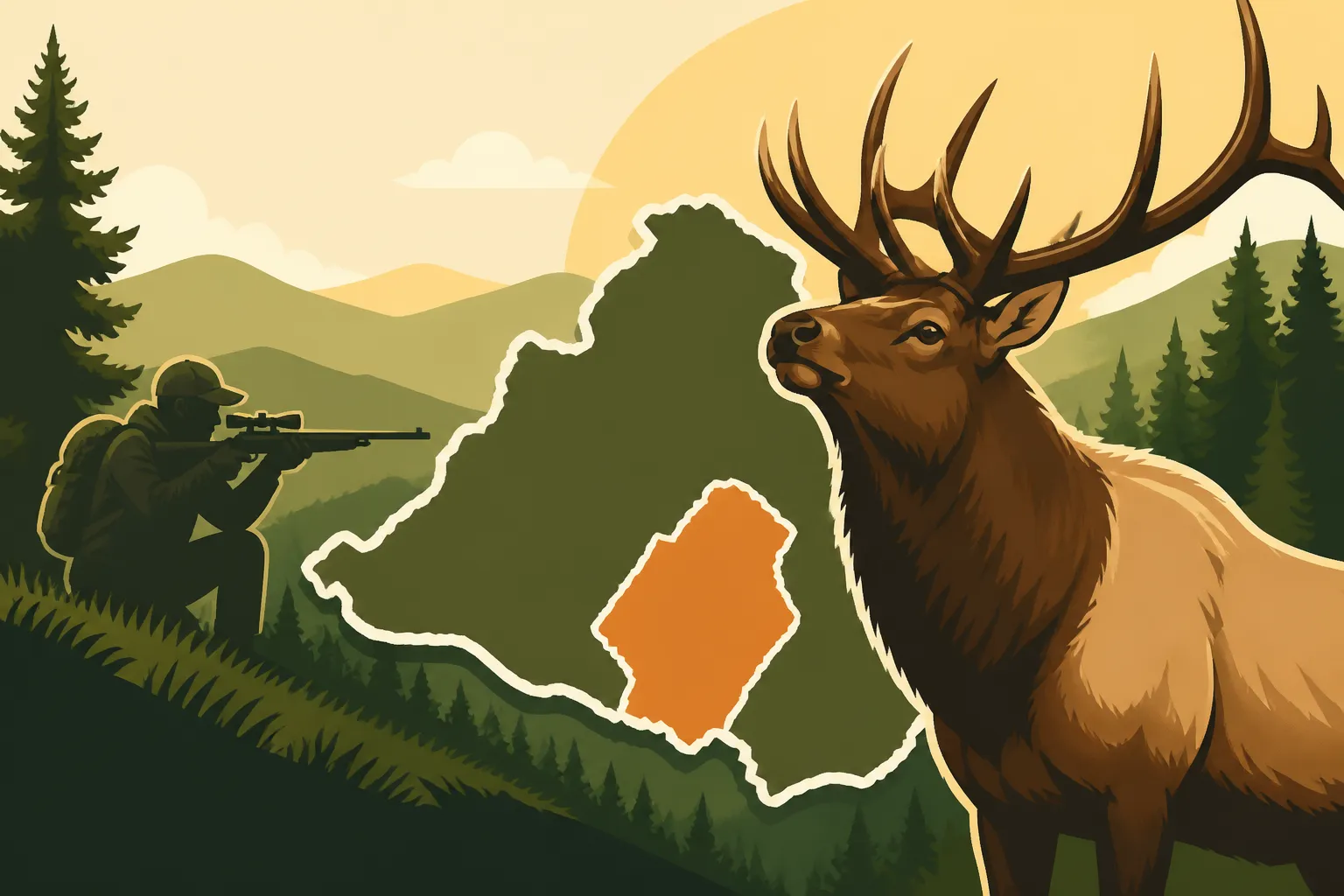
Owsley County is nestled squarely within what's known as the Kentucky Elk Restoration Zone. This massive zone encompasses several counties in the Appalachian foothills and mountains, an ambitious project that has seen the elk population rebound from non-existent to the largest east of the Rocky Mountains. When you talk about Kentucky's Record Elk Herd, you're talking about areas exactly like Owsley County. The terrain here—steep ridges, deep hollows, dense timber, and scattered reclaimed mine lands—provides ideal habitat for elk, offering both abundant forage and critical cover. This isn't flat farmland hunting; this is true mountain elk country, demanding a different kind of preparation and mindset. The success of the restoration means that if you're lucky enough to draw one of the coveted Kentucky Elk Quota Hunt Rules permits, you'll be hunting a thriving, wild population.
Unique Characteristics of Owsley County Habitat
While part of the larger Elk Zone, Owsley County possesses its own distinct habitat features that influence elk behavior and hunting strategies. Much of the county remains heavily timbered, dominated by oak and hickory forests that provide excellent hard mast crops for elk, especially in the fall. You'll find a mix of mature hardwoods, regenerating clear-cuts, and sometimes, old logging roads that spiderweb through the hills. Unlike some of the more open, reclaimed mine lands found elsewhere in the Elk Zone, Owsley can be incredibly thick in places, making glassing challenging and emphasizing close-quarters hunting. Water sources, often in the form of small creeks and seep springs, are generally plentiful, carving their way down into the hollows. Understanding these nuances—the prevalence of mature timber, the steepness of the terrain, and the availability of water—will help you predict elk movement and set up more effectively.
Navigating Public Access and Terrain Challenges
Hunting in Owsley County, particularly for elk, often means embracing rugged terrain and carefully navigating public land access. It's not a place for the faint of heart or those unprepared for a physical challenge.
Identifying Public Hunting Opportunities
While a significant portion of Owsley County is private land, hunters can find public access through designated areas within the Daniel Boone National Forest. The Forest service manages large tracts of land here, offering invaluable hunting opportunities. However, these aren't manicured parks. You'll need to study maps and understand boundaries meticulously. Tools like onX Hunt become absolutely invaluable here, allowing you to clearly see public land boundaries, private land parcels, and potential access points, even when cell service is spotty. This helps prevent accidental trespassing and ensures you're maximizing your time on legal hunting ground. Beyond the National Forest, always check the Kentucky Department of Fish and Wildlife Resources (KDFWR) regulations for any specific Wildlife Management Areas (WMAs) or other public lands that might offer elk hunting within Owsley or adjacent counties. Getting to know the terrain on these public lands is a crucial step in Scouting Kentucky Public Land Before Season.
The Rugged Realities of Owsley County Topography
Owsley County's landscape is defined by its steep, broken terrain. Picture endless ridges and deep, winding hollows that challenge even the most seasoned hunters. Elevations can change dramatically over short distances, meaning what looks like a quick walk on a map can turn into a grueling climb or descent through dense cover. This isn't just about physical fitness; it's about strategizing your movements to minimize noise, manage your energy, and ensure safety. Expect to encounter rocky outcrops, slippery leaf litter, and thick rhododendron thickets that make silent movement difficult. When considering Hunting Eastern Kentucky Coalfield Country for any game, the physical demands are always a primary factor. Understanding wind and thermals becomes incredibly important in this broken country, as air currents will often follow the contours of the land, rising and falling with the sun and terrain features.
Essential Scouting and Hunting Strategies for Owsley County Elk
Success in Owsley County, as with most wild elk hunting, hinges on diligent scouting and adaptable hunting strategies that respect the terrain and the animals' behavior. You can't just show up and expect to find elk without putting in the work.
Utilizing Mapping Tools for Success
Before you even set foot in Owsley County, mapping tools are your best friend. Detailed topographic maps, satellite imagery, and dedicated hunting apps like onX Hunt or features within services like GoHunt are essential for identifying potential elk habitat. Look for patterns in the terrain: saddles between ridges, benches, water sources, and areas with diverse vegetation that could offer both food and cover. Pay close attention to areas where mature timber transitions into younger growth, as these edges are often prime feeding spots. Identifying old logging roads or creek bottoms can reveal potential travel corridors for elk. Reading Aerial Photos for Eastern Kentucky Deer offers great insights that are just as applicable to elk in this type of landscape. Pinpoint potential bedding areas on steep, north-facing slopes that offer thermal cover, and consider how you might approach these areas without spooking animals.
Adapting Hunting Tactics to Local Conditions
Hunting Owsley County requires a blend of tactics. Given the dense cover, long-range glassing might be limited in many areas, making still-hunting and calling more effective.
Still-Hunting: Moving slowly and deliberately through the timber, pausing frequently to listen and scan, is a classic mountain hunting technique. Focus on drainage bottoms where elk might be moving between feeding and bedding areas, or along benches where they often travel.
Calling: Elk are vocal animals, and calling can be highly effective, especially during the rut. A good bugle tube and a quality cow call are essential. Practice realistic sounds and understand how to use them to locate animals, challenge a bull, or draw in a curious cow. However, be mindful of hunting pressure; over-calling can sometimes spook wary elk. Learning to effectively use Elk Calls and Cow Decoys is a skill honed over time.
Ambush Points: Identifying natural funnels or pinch points where elk are likely to travel is key. These could be narrow saddles between steep ridges, creek crossings, or breaks in dense vegetation. Setting up along these routes, especially at dawn and dusk, can increase your odds.
Understanding Pressure: Like any accessible public land, Owsley County can experience hunting pressure, especially during the peak of the season. Elk will quickly adapt, moving into thicker, more remote areas. Being willing to hike further and into more challenging terrain often pays dividends in finding less pressured animals.
| Tactic | Best Conditions | Considerations |
|---|---|---|
| Still-Hunting | Dense timber, steep terrain, tracking conditions | Slow, quiet movement; constant listening; wind awareness is critical. |
| Calling | Rut season, locating distant elk, challenging bulls | Practice realism; avoid over-calling; use cover for approach. |
| Ambush Hunting | Funnels, saddles, food/water sources, travel corridors | Requires prior scouting; patience is key; focus on dawn/dusk movements. |
| Spot-and-Stalk | Limited due to thick cover, but possible on open edges | Requires elevated vantage points and careful approach; best in reclaimed areas. |
Gear Considerations for the Owsley County Elk Hunter
The rugged nature of Owsley County demands gear that is durable, functional, and reliable. Skimping on essentials here can turn a challenging hunt into a miserable, or even dangerous, experience.
Footwear, Layering, and Survival Essentials
Your feet are your most important tool in Owsley County. Invest in high-quality, broken-in hunting boots that offer excellent ankle support, traction, and waterproofing. You'll be traversing steep, uneven ground, often through wet leaves or across rocky creek beds. Blisters or a twisted ankle can end a hunt quickly. For clothing, layering is non-negotiable. Kentucky weather in the fall and early winter can be unpredictable, swinging from warm afternoons to cold, damp mornings. Start with a moisture-wicking base layer, add insulating mid-layers (fleece or wool are great), and top it with a waterproof and windproof outer shell. Clothing for a Kentucky Late Season insights are very relevant for elk, as the weather can be just as formidable.
Beyond clothing, pack a robust survival kit. This should include:
- Navigation: A reliable GPS unit (or a fully charged phone with a hunting app like onX Hunt and downloaded offline maps), a compass, and a paper map. Never rely solely on electronics.
- First Aid: A comprehensive first-aid kit for cuts, scrapes, blisters, and more serious injuries.
- Hydration: Plenty of water and a water filter or purification tablets. Water sources exist but aren't always potable.
- Nutrition: High-energy snacks that are easy to eat on the go.
- Lighting: A headlamp with extra batteries. You'll likely be hiking in or out in the dark.
- Fire Starting: Multiple methods (lighter, waterproof matches, fire starter).
- Signaling: A whistle or signal mirror.
- Shelter: A lightweight emergency blanket or tarp.
Always tell someone exactly where you're going and when you expect to return. The Daniel Boone National Forest is vast, and it's easy to get disoriented in the deep hollows.
Optics and Calling for Mountain Elk
While dense timber limits long-range glassing, quality optics are still crucial for elk hunting in Owsley County.
Binoculars: A good pair of 10×42 or 12×50 binoculars are essential for picking apart distant ridges, spotting subtle movements, and identifying legal animals in low light. Look for clarity and good light-gathering capabilities. Optics for Eastern Kentucky Ridges provides excellent advice on selecting appropriate binoculars for challenging terrain.
Rangefinder: Critical for confirming distances, especially in the broken terrain where judging yardage can be deceiving. Even if shots are likely to be closer, knowing the exact distance is paramount for ethical and accurate shooting.
Rifle and Ammunition: If you're hunting with a rifle, choose a caliber suitable for elk that you can shoot accurately. The rugged terrain means you might be taking shots at varying distances, and a powerful, flat-shooting cartridge is advantageous. Rifles Built for a Southeastern Elk Hunt delves into suitable firearm choices. Remember, ethical hunting means knowing your effective range and sticking to it.
Calling Gear: As mentioned, a bugle tube and a variety of cow calls (mouth reeds, diaphragms, or external calls) are vital. Practice regularly to become proficient and confident in their use. Elk are masters of pinpointing sound, so make sure your calls are realistic and used strategically.
Hunting Owsley County's elk grounds is an unforgettable experience, combining the thrill of the hunt with the raw beauty and challenge of Kentucky's Appalachian mountains. Proper preparation, a respect for the terrain, and an understanding of elk behavior will significantly increase your chances of success in this wild and rewarding landscape.
Disclaimer
This article is for general informational purposes only and does not constitute professional advice. Laws, prices and regulations vary by location and change over time. Consult a qualified professional for guidance on your specific situation.