Kentucky Timber Rattlesnake Range
As Kentucky hunters, we all share a deep love for the outdoors, but let's be honest, there's always that little voice in the back of our heads, especially when we're deep in the timber, wondering about venomous snakes. The timber rattlesnake, with its distinctive rattle and formidable reputation, often sparks the most concern. Knowing where these fascinating, yet potentially dangerous, reptiles typically call home can make a huge difference in your peace of mind and safety when you're out chasing deer, elk, or turkeys. This guide aims to demystify the timber rattlesnake's presence in Kentucky, detailing their preferred range and habitats, and offering practical advice to help you enjoy your time in the woods without unnecessary worry.
Understanding the Timber Rattlesnake's Primary Range in Kentucky
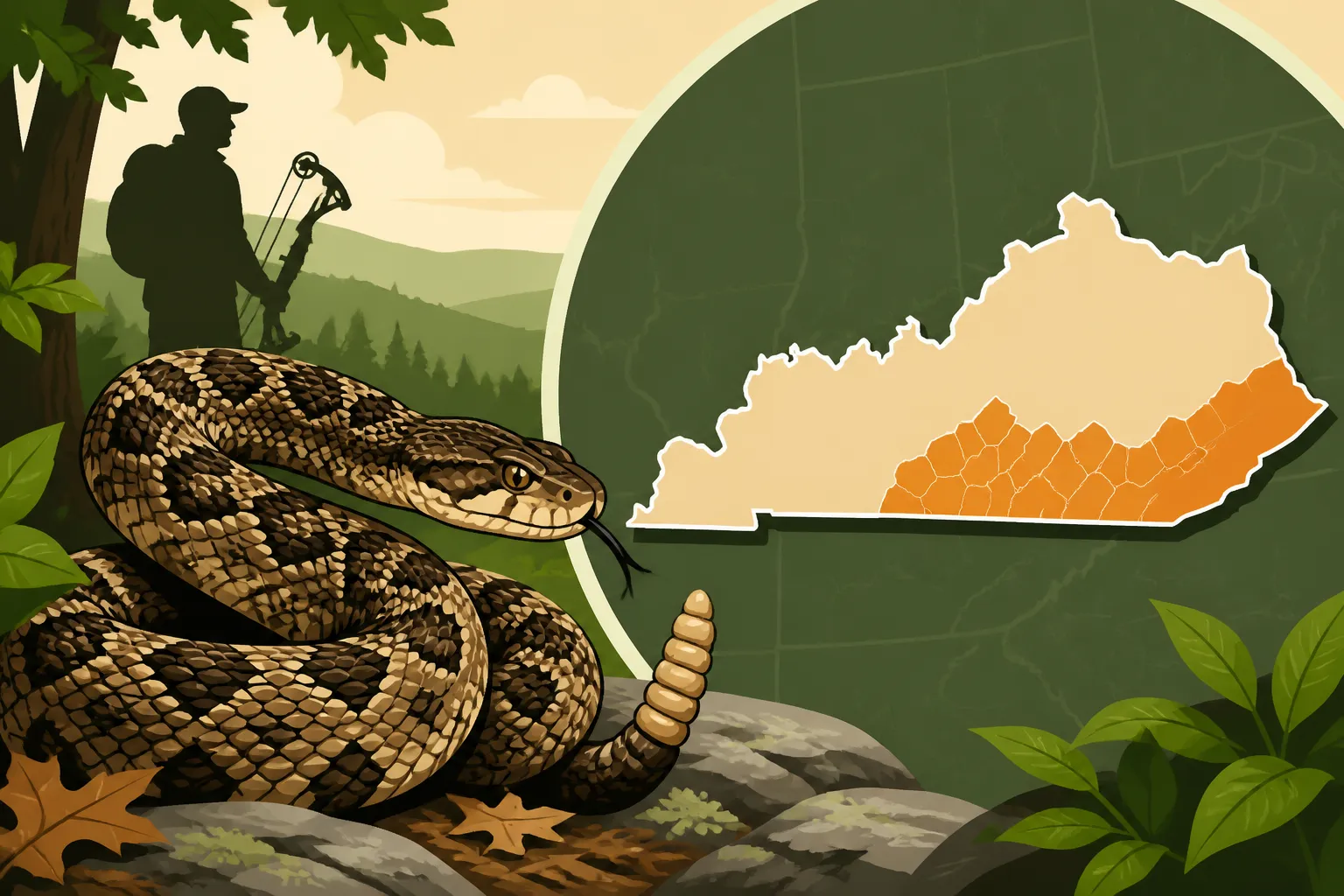
When we talk about timber rattlesnakes in Kentucky, it’s crucial to understand that their populations are not evenly distributed across the entire state. While you could theoretically encounter one almost anywhere, their stronghold and where you’re most likely to find them is undeniably in the rugged, forested terrain of Eastern Kentucky. This isn't to say other regions are completely devoid, but the eastern half of the Commonwealth provides the specific habitat requirements these shy snakes need to thrive.
Historically, timber rattlesnakes were likely more widespread, but habitat loss, human persecution, and changes in land use have pushed them into more isolated, undisturbed pockets. Today, their primary range includes the Cumberland Plateau and Appalachian foothills, stretching across counties like Harlan, Letcher, Pike, Bell, Knox, and McCreary. These areas are characterized by steep, heavily timbered hillsides, rocky outcrops, and extensive mature forests that offer both concealment and denning sites. Think about the terrain you navigate when you're Still-Hunting Eastern Kentucky Ridges or looking for sign; that's prime rattlesnake country. These snakes prefer areas with minimal human disturbance, so the deeper you go into remote public lands or large private tracts with suitable habitat, the higher the likelihood of their presence.
It’s less common, though not impossible, to find them in central Kentucky or the western part of the state. These regions generally lack the specific rock formations and contiguous forest cover that timber rattlesnakes prefer for overwintering dens. If they are found outside the eastern mountains, it's typically in isolated, rugged river breaks or heavily wooded tracts that mimic their preferred eastern habitats. Always exercise caution, no matter where you are in the state, but prioritize your awareness in the eastern mountains.
Preferred Habitats and Ecological Niches
Timber rattlesnakes aren't just found "in the woods"; they have very specific preferences that guide where they establish their homes and forage for food. Understanding these ecological niches can help you better predict potential encounter zones, especially when you're scouting or actively hunting.
Rocky Denning Sites and Sunning Areas
One of the most critical elements of a timber rattlesnake's habitat is the presence of suitable denning sites. These are typically rocky crevices, fissures, or caves, often on south-facing slopes, that provide stable temperatures for overwintering. During the colder months, multiple snakes, sometimes even mixed with other species, will congregate in these communal dens to escape freezing temperatures. As the weather warms in spring, they emerge and can often be found basking on flat rocks near these den sites, soaking up the sun's energy to warm their bodies. This is a prime time for potential encounters if you’re out on a late spring turkey hunt or Scouting Kentucky Public Land Before Season. When using mapping tools like those from GoHunt, you can often identify areas with significant rock formations, steep contours, and south-facing aspects – these are spots where you should be particularly vigilant. Remember, even in cooler weather, a warm, sunny day might draw them out.
Beyond the immediate den area, these snakes will also use sunny rock ledges, fallen logs, or exposed root wads for basking throughout the active season. This thermoregulation is vital for their metabolism and digestion. So, when you're still-hunting slowly along a ridge or working your way down a steep hollow, pay close attention to any sun-drenched spots, especially if there are rocks present. These snakes are masters of camouflage, and can blend seamlessly into the leaf litter and shadows, making them incredibly hard to spot until you're right on top of them.
Forested Slopes and Food-Rich Environments
Once temperatures are consistently warm, timber rattlesnakes disperse from their den sites into the surrounding forested areas to hunt. They prefer mature deciduous forests, particularly those with a good mix of hardwoods and dense undergrowth that offers cover. Steep, forested slopes and creek bottoms are common hunting grounds for them. Their diet primarily consists of small mammals like mice, voles, squirrels, and rabbits, as well as some birds. These prey species are abundant in healthy forest ecosystems, meaning the same areas that hold a lot of deer, turkey, or small game, will also naturally attract their predators, including rattlesnakes. When you're Reading a Ridge for Cumberland Deer, considering the presence of these small mammals means you're also looking at potential rattlesnake habitat.
They are ambush predators, often lying coiled and motionless, waiting for an unsuspecting meal to pass by. They won't chase you, but they will defend themselves if they feel threatened or surprised. Their coloration, a pattern of dark bands on a lighter tan or gray background, helps them disappear among the shadows and fallen leaves. This is why vigilance is so important: don't just look at the woods, look into the woods, scanning the ground ahead of you with every step, especially when navigating dense cover or climbing over logs.
Minimizing Encounters While Hunting and Outdoors
No one wants a close encounter with a venomous snake, and thankfully, with a few common-sense precautions, you can significantly reduce your risk. It's all about awareness and respect for their space.
Practical Advice for Navigating Snake Country
The most fundamental rule for traveling in timber rattlesnake habitat is to always watch where you place your hands and feet. This sounds obvious, but when you're focused on a deer trail, navigating challenging terrain, or carrying gear, it's easy to get distracted.
- Footwear is Key: Always wear sturdy, high-top boots, ideally made of thick leather or snake-proof material, when hunting or hiking in snake country. Boots for Kentucky Hollows and Creek Bottoms should offer ankle support and protection. Snake gaiters or chaps can add an extra layer of confidence, especially if you're going off-trail into dense brush.
- Use a Stick: A hiking stick or even your bow can be used to probe brush, push aside leaf litter, or tap logs before stepping over them. This can alert a coiled snake to your presence and give it a chance to move away.
- Avoid Blind Reaches: Never reach into rock crevices, hollow logs, dense brush piles, or under ledges without visually inspecting them first. These are perfect hiding spots for snakes. If you drop something, use your stick to retrieve it or carefully look before you grab.
- Watch the Weather: Timber rattlesnakes are most active when temperatures are between 70-90 degrees Fahrenheit. Spring, summer, and early fall are peak activity times. They are less active on very hot days, often seeking shade, and will den up as temperatures consistently drop. Be extra cautious during warm, sunny periods, especially in the mornings and late afternoons.
What to Do if You Encounter One
Despite your best efforts, encountering a timber rattlesnake is always a possibility. The key is to remain calm and give the snake space.
- Keep Your Distance: If you see a rattlesnake, stop immediately. Do not approach it. A rattlesnake typically wants to avoid confrontation and will usually try to escape if given the opportunity.
- Observe and Detour: Assess the snake's position and the surrounding terrain. If it's coiled and rattling, it's a clear warning. Give it a wide berth, detouring around it if possible. Most bites occur when people try to kill, capture, or move a snake.
- Back Away Slowly: If the snake is between you and your intended path, or if you feel too close, slowly and calmly back away. Avoid sudden movements that might startle it further. Once you're a safe distance, you can find another route.
- Never Harass or Kill: It's illegal in Kentucky to kill a timber rattlesnake without justification (like an immediate threat to life). These snakes are an important part of the ecosystem, and they are generally shy. Respect their space, and they will almost always respect yours.
Remember, preparedness is crucial. Always carry a First Aid Kits for Remote Daniel Boone Forest Ground when you're hunting in remote areas. While snakebite kits are often debated for their effectiveness, having basic first aid for any type of injury is non-negotiable. Should a bite occur, seek immediate medical attention.
The Importance of Timber Rattlesnakes in Kentucky's Ecosystem
It's easy to view venomous snakes with fear, but understanding their ecological role can help foster a healthy respect rather than outright dread. Timber rattlesnakes, like all native wildlife, play an important part in maintaining a balanced ecosystem in Kentucky.
Nature's Pest Control
Timber rattlesnakes are apex predators in their micro-habitat. They primarily feed on rodents like mice, voles, and chipmunks, as well as squirrels and rabbits. By preying on these small mammals, they help control populations that can sometimes carry diseases like Lyme disease or cause agricultural damage. Think of them as natural pest control, diligently working in the background of your hunting grounds. Without predators like the timber rattlesnake, some prey populations could explode, leading to overgrazing and habitat degradation. They are a sign of a healthy, functioning forest.
The presence of timber rattlesnakes in areas like the Hunting Eastern Kentucky Coalfield Country or the rugged parts of Hunting Pine Mountain Ridgelines indicates a robust and relatively undisturbed natural environment. They are sensitive to habitat fragmentation and human disturbance, so their continued presence is a good indicator of wilderness quality.
Conservation Status and Respectful Coexistence
Despite their fearsome reputation, timber rattlesnakes are a species of conservation concern in many parts of their range, including Kentucky. While not federally listed, they face pressures from habitat loss, road mortality, and illegal persecution. The Kentucky Department of Fish and Wildlife Resources actively monitors these populations, understanding their value to the state's biodiversity.
As hunters and outdoor enthusiasts, we have a responsibility to be good stewards of the land and its wildlife, even those species that might make us a little uneasy. This means understanding their habits, respecting their space, and knowing what to do in an encounter rather than reacting with fear or aggression. They are not aggressive towards humans unless provoked or startled. Most bites happen when people step on them accidentally or try to handle them. Our goal should be to coexist peacefully, allowing them to fulfill their role in the wild while we pursue our outdoor passions safely. Using modern mapping tools from services like GoHunt can even help you plan routes that skirt known rocky areas or dense thickets where snakes might be more concentrated, offering a proactive approach to avoidance.
Ultimately, being aware of the Kentucky timber rattlesnake's range and habitat preferences isn't about fostering fear; it's about being informed and prepared. It allows you to move through the woods with greater confidence, appreciating all the wild things Kentucky has to offer, even those with a rattle.
| Feature | Description |
|---|---|
| Primary Range | Eastern Kentucky mountains (Cumberland Plateau, Appalachian foothills). Isolated populations elsewhere. |
| Preferred Habitat | Steep, rugged, forested hillsides; rocky outcrops; mature deciduous forests; south-facing slopes. |
| Denning Sites | Rocky crevices, fissures, caves (often communal, especially in cooler months). |
| Activity Season | Spring, Summer, Early Fall (April to October), peaking in 70-90°F temperatures. |
| Diet | Small mammals (mice, voles, squirrels, rabbits), some birds. |
| Temperament | Shy, reclusive, non-aggressive unless provoked, startled, or threatened. |
| Key Indicator | Distinctive rattle on tail. Blends well with leaf litter and shadows. |
Disclaimer
This article is for general informational purposes only and does not constitute professional advice. Laws, prices and regulations vary by location and change over time. Consult a qualified professional for guidance on your specific situation.