How Many Ducks Winter on Kentucky Lake
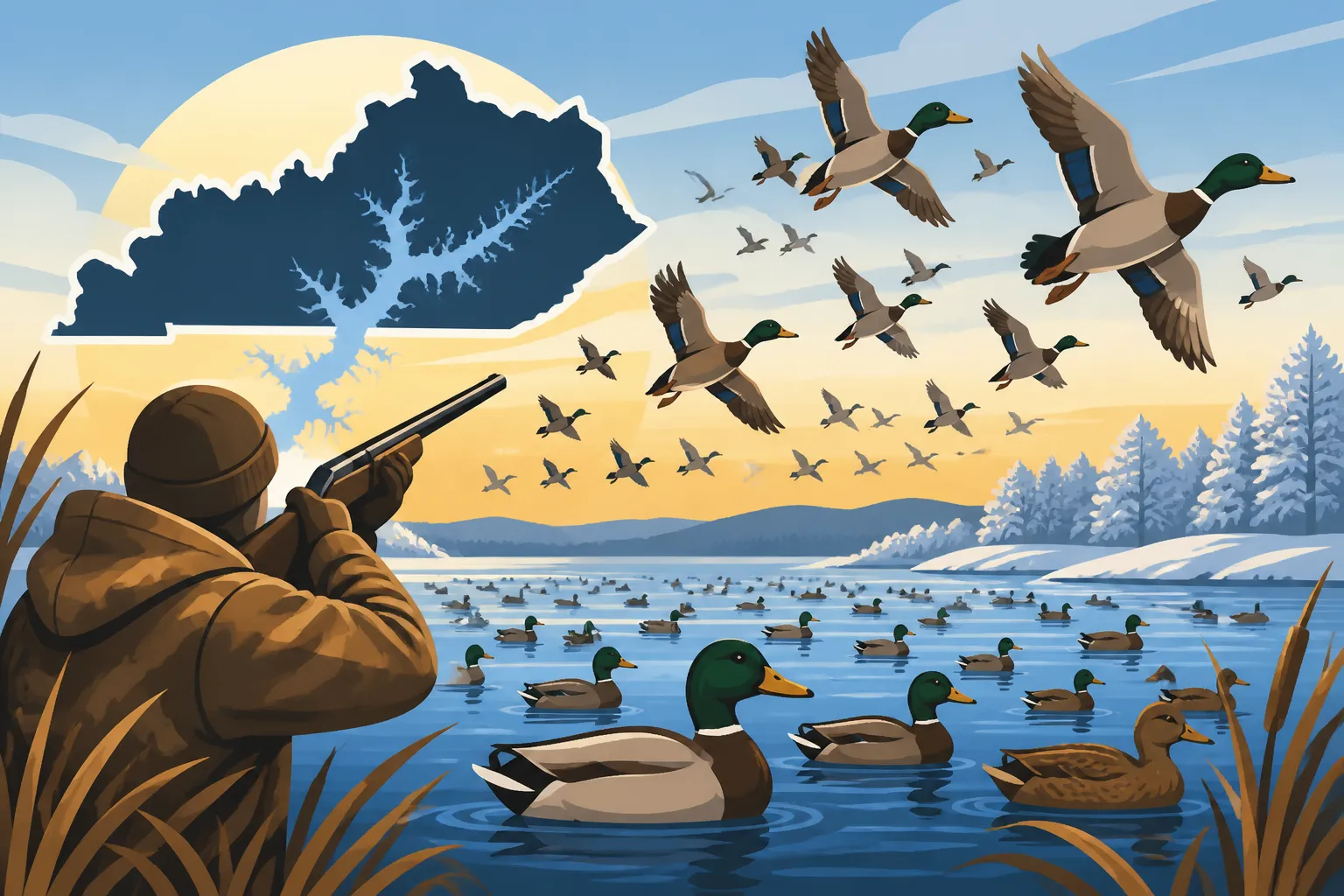
If you've ever stood on the banks of Kentucky Lake in the biting cold of winter, listening to the roar of thousands of duck wings lifting off the water, it feels like an endless sea of birds. You might wonder, just how many ducks actually make this massive reservoir their winter home? It’s a question every serious waterfowler asks, and the answer isn't a simple fixed number, but rather a fascinating story of migration, habitat, and ever-changing conditions. This guide will take a deep dive into how biologists try to count these elusive migrants, what makes Kentucky Lake such a magnet for them, and the common species you're likely to encounter.
The Enigma of Waterfowl Counts on Kentucky Lake
Counting waterfowl, especially across a vast body of water like Kentucky Lake, which spans over 160,000 acres, is a monumental task. It's not like counting deer in a field; these birds are constantly moving, often in huge flocks, and can be easily influenced by weather, food availability, and hunting pressure. Yet, wildlife agencies dedicate considerable resources to these estimates because they are critical for setting hunting seasons, managing habitats, and understanding the overall health of the flyway.
Aerial Surveys and Their Challenges
The primary method for estimating wintering duck populations on Kentucky Lake, and across the Mississippi Flyway, involves aerial surveys. Biologists and trained observers fly specific routes, often in small planes, meticulously counting ducks and geese they see on the water and in adjacent fields. These surveys are typically conducted at regular intervals throughout the fall and winter, providing snapshots of the population at different times. It sounds straightforward, but imagine trying to accurately count thousands of speck-sized birds from the air, often in less-than-ideal weather conditions.
The challenges are numerous. Poor visibility due to fog, rain, or even just glare off the water can make counting incredibly difficult. Ducks often group together in massive rafts, making individual counts nearly impossible, requiring expert estimation. Furthermore, birds might be hidden in timber or tucked away in small coves and backwaters, completely missed by aerial routes. What's more, ducks aren't static; a cold front can push new birds in overnight, or a sudden warm spell can prompt some to move further north or west. These surveys give us an estimate, a powerful tool for understanding trends, but rarely a perfect tally. When looking at long-term data, it becomes clear that these numbers fluctuate wildly year to year, which is why it's so important to interpret them as trends rather than absolute, fixed figures.
Interpreting Population Estimates
When you hear figures about "how many ducks winter on Kentucky Lake," these are almost always derived from these aerial surveys, often reported by the Kentucky Department of Fish and Wildlife Resources (KDFWR) or the U.S. Fish and Wildlife Service. These numbers represent peak counts for certain survey periods, and it's essential to remember they are not cumulative totals for the entire season. A common mistake is to think that if 100,000 ducks were counted in December and another 50,000 in January, there were 150,000 unique ducks. In reality, many of the same ducks from December might still be present in January, possibly joined by new arrivals.
The real value of these estimates lies in tracking trends over time. Are numbers generally up or down compared to the five-year average? Are certain species declining or increasing? This helps biologists identify conservation needs, adjust hunting regulations, and assess the impact of habitat changes. For hunters, knowing these trends can inform scouting efforts and expectations. If the overall population in the flyway is down, you might expect fewer birds on Kentucky Lake, or perhaps they'll be more concentrated in prime habitat. Conversely, a robust population might mean ducks are spread out, utilizing a wider range of habitat. Understanding these broader patterns, perhaps even using a mapping platform like GoHunt to cross-reference historical waterfowl concentration areas with current conditions, can give you a significant advantage.
What Draws Ducks to Kentucky Lake Each Winter?
Kentucky Lake isn't just another big body of water; it's a strategically vital stopover and wintering ground along the Mississippi Flyway. Its geographic location, coupled with its vast size and varied habitat, creates an irresistible draw for millions of ducks and geese making their annual southward migration. Understanding these factors is key to understanding why the numbers fluctuate and where you might find birds during your hunt.
Prime Location on the Mississippi Flyway
The Mississippi Flyway is like an avian superhighway, guiding waterfowl from their breeding grounds in the northern U.S. and Canada down to warmer wintering areas in the South. Kentucky Lake sits squarely in the middle of this major migration corridor. As ducks push south, they need reliable places to rest, refuel, and shelter from harsh weather. Kentucky Lake, with its immense size, becomes a crucial pit stop and often, a final destination.
Its sheer length, stretching from Kentucky into Tennessee, provides an incredible diversity of habitat. From open water for diver ducks to flooded timber and extensive agricultural fields for dabblers, the lake and its surrounding areas offer everything a migrating duck could want. When northern states freeze solid, Kentucky Lake often remains partially or completely open, providing essential unfrozen water. This acts as a 'last resort' for many birds, especially during severe cold snaps, concentrating them in larger numbers than usual. Hunters often watch weather patterns far to the north, knowing that significant cold fronts in places like North Dakota or Manitoba can literally push birds down to Kentucky Lake in waves, offering some of the best hunting opportunities. Duck Migration Timing Through Kentucky is something many of us watch closely.
Abundant Food and Refuge
Beyond just open water, Kentucky Lake offers a smorgasbord of food sources. The shallow, fertile waters of its embayments and the vast agricultural fields in the surrounding counties provide crucial sustenance. Ducks gorge on waste grain like corn and soybeans in harvested fields, which offer high-energy fuel to survive the winter. They also dabble for submerged aquatic vegetation, seeds, and invertebrates in the lake's shallower zones.
Refuge is another critical component. Large portions of the lake, particularly within the Land Between the Lakes National Recreation Area, are designated as waterfowl refuges. These areas are closed to hunting, offering ducks undisturbed rest and feeding grounds. This might sound counterintuitive for hunters, but these refuges are vital. They keep birds in the general vicinity. If ducks feel too pressured, they'll simply leave. These safe havens allow them to conserve energy, leading to larger, healthier populations that eventually spill over into huntable areas. Hunters who understand the relationship between refuges and open hunting zones can strategize their hunts more effectively, knowing where birds are likely to stage before moving into feeding or hunting areas. This is particularly true for Hunting Land Between the Lakes Waterfowl where refuge dynamics are critical.
Impact of Weather and Habitat Changes
The number of ducks wintering on Kentucky Lake can swing wildly year to year, and even week to week, largely due to weather patterns and habitat conditions. A mild winter across the Midwest might mean fewer ducks push all the way down to Kentucky, preferring to stay further north where food and open water are still available. Conversely, an early, brutal freeze in the northern states can send an absolute flood of birds southward, creating spectacular concentrations on Kentucky Lake.
Water levels on the lake, managed by the Tennessee Valley Authority (TVA), also play a significant role. High water can flood new timber, creating excellent habitat, but it can also make fields inaccessible or cover up important aquatic food sources. Low water can expose mudflats, beneficial for some species, but might also limit access to flooded timber. Local habitat management, like planting specific crops or manipulating water levels on Wildlife Management Areas (WMAs) along the lake, directly influences where ducks will concentrate. Keeping track of these conditions, perhaps even utilizing scouting tools or apps like GoHunt which often have weather overlays and current conditions, can give you an edge in predicting where the birds will be. This dynamic interplay means every winter is a new puzzle for duck hunters.
Key Duck Species You'll Find Wintering on Kentucky Lake
While Kentucky Lake hosts a diverse array of waterfowl, some species are far more common than others during the winter months. Knowing which ducks you're likely to encounter, and understanding their preferences, can significantly improve your hunting strategy and overall appreciation of this incredible resource.
Dabbling Ducks: The Field and Flooded Timber Enthusiasts
Dabbling ducks are the bread and butter for many Kentucky duck hunters. These birds, characterized by their habit of "tipping up" to feed in shallow water rather than diving, are often found in flooded fields, shallow backwaters, and areas of flooded timber around Kentucky Lake.
The mallard is undoubtedly the king of dabblers on Kentucky Lake. You’ll find them in tremendous numbers, often rafting up in large groups on open water during the day, then flying out to feed in flooded agricultural fields or shallow, timbered areas at dawn and dusk. Their distinctive green heads (on drakes) and loud quacks are a familiar sound. These are the ducks many hunters dream of. Following a big front, you'll often see new flights of greenheads settling onto the lake.
Other common dabblers include gadwall, which are often found in mixed flocks with mallards and wigeon, preferring marshy areas with plenty of submerged vegetation. American wigeon are another popular sight, known for their white bellies and the whistling sound made by the drakes. They are often seen grazing on aquatic plants or even grass in fields near water. Northern shovelers, with their oversized bills, feed by straining small invertebrates from the water and can be abundant in nutrient-rich shallow areas. While less numerous than mallards, pintails are a prize for many hunters, admired for their elegant long necks and swift flight; they prefer shallow, open water and wet fields. Though often more associated with small streams and ponds, you'll also find wood ducks in the timbered areas and sloughs off the main lake, particularly earlier in the season. Mallards on Kentucky Lake are the most sought-after, but targeting other dabblers can make for a great hunt.
Diving Ducks: The Open Water Specialists
Diving ducks, as their name suggests, prefer deeper, more open water where they can dive for food, primarily aquatic vegetation, mollusks, and fish. Kentucky Lake, with its vast expanses of open water, particularly on the main body of the lake, is a significant wintering ground for these species.
Lesser scaup (often just called "bluebills") are typically the most numerous diver on Kentucky Lake. They form immense rafts on the main lake, especially in calm conditions. You'll see them constantly diving, resurfacing, and moving across the open water. When the wind howls, they can be found seeking shelter in larger embayments. Ring-necked ducks are another common diver, often found in smaller flocks than scaup, preferring areas with slightly more cover, like brushy shorelines or flooded timber edges, where they dive for seeds and tubers.
While not as numerous as scaup, you'll also find smaller numbers of canvasbacks and redheads on Kentucky Lake, especially during peak migration. These are highly prized birds for diver hunters. Canvasbacks, with their sloped profile and striking white bodies (on drakes), are strong flyers and prefer large, open bodies of water. Redheads, with their rounder heads and rusty coloration, are also open-water ducks but might venture into shallower areas than canvasbacks. Finally, the swift-flying buffleheads and goldeneyes are also regular winter residents, typically found in smaller groups closer to shorelines and in deeper pockets of water where they chase small fish and crustaceans. Hunting these species often involves different tactics than dabblers, typically requiring layout blinds or boats on the open water. If you're looking to target these species, check out Hunting Kentucky Lake Diver Ducks.
Here's a quick overview of some common wintering duck species on Kentucky Lake:
| Species | Primary Habitat Preference | Feeding Style | Common Behavior |
|---|---|---|---|
| Mallard | Flooded fields, shallow backwaters, flooded timber | Dabbling for seeds, grains, invertebrates | Large flocks, often flying to fields at dawn/dusk |
| Gadwall | Marshes, shallow ponds, backwaters with vegetation | Dabbling for aquatic plants | Often in mixed flocks, quiet feeders |
| American Wigeon | Shallow lakes, marshes, wet fields | Grazing on plants, dabbling | Whistling call, often "stealing" food from divers |
| Northern Shoveler | Nutrient-rich shallow ponds, sewage lagoons | Filter-feeding small invertebrates | Often in small groups, distinct bill |
| Northern Pintail | Shallow open water, wet fields | Dabbling for seeds, grains | Elegant, long-necked, swift flyers |
| Wood Duck | Flooded timber, wooded swamps, small creeks | Dabbling for acorns, seeds, invertebrates | Often flighted at dawn/dusk in timber |
| Lesser Scaup | Large open water bodies, deep embayments | Diving for mollusks, aquatic insects | Forms huge rafts, constant diving |
| Ring-necked Duck | Deeper marshes, edges of open water, wooded lakes | Diving for seeds, tubers, invertebrates | Smaller flocks than scaup, often closer to shore |
| Canvasback | Very large open water bodies | Diving for tubers, especially wild celery | Strong, fast flyers, highly prized |
| Redhead | Large open water bodies, shallow bays | Diving for aquatic plants, mollusks | Often in large flocks, distinct rounded head |
| Bufflehead | Small open water, protected bays, rivers | Diving for small fish, crustaceans | Small, active divers, often close to shore |
| Common Goldeneye | Large open water, rivers, rocky shorelines | Diving for crustaceans, fish, mollusks | Often in small groups, drakes have distinctive white spot |
Geese and Other Waterfowl
While ducks get most of the attention, Kentucky Lake is also a very important wintering ground for Canada geese. Both resident geese and migrants from further north utilize the lake and surrounding agricultural lands. You'll often see vast flocks of them grazing in corn and soybean fields, or resting on open water. Occasionally, you might also spot snow geese or white-fronted geese, particularly during colder winters or strong migration pushes.
Beyond ducks and geese, various other waterfowl species make Kentucky Lake their temporary home. Tundra swans can sometimes be observed, though they are much less common than ducks or geese. Different species of grebes and loons also frequent the deeper waters of the lake, particularly during migration. These non-game species contribute to the rich biodiversity of Kentucky Lake and add to the magic of being out on the water in winter.
Hunting Implications and Conservation Efforts
The variable numbers of ducks wintering on Kentucky Lake directly impact hunting opportunities and, just as importantly, guide the conservation efforts that ensure these magnificent birds continue their migrations for generations to come. Every duck hunter on the lake is part of this larger ecosystem, and understanding the role they play is crucial.
Adapting Hunting Strategies to Fluctuating Numbers
When survey numbers suggest lower duck populations on Kentucky Lake, it often means birds are more spread out or, conversely, highly concentrated in very specific, prime areas. This demands greater scouting effort from hunters. Instead of relying on traditional spots, you might need to cover more ground, utilize mapping tools, and pay closer attention to fresh sign. If there are fewer birds, they may also be warier, having been pressured more heavily in other areas of their migration. This calls for meticulous blind concealment, perfect decoy spreads, and precise calling. You can learn a lot by observing their flight patterns, especially if you're Scouting Kentucky Public Land Before Season.
On the other hand, a winter with high duck numbers can be a fantastic experience, but it also comes with its own challenges. More birds might mean more competition from other hunters, especially on popular public lands. It also means ducks might be less inclined to decoy if there are thousands of real birds to join up with. Adapting to the crowd, finding less-pressured areas, or targeting species that others overlook can make a big difference. Understanding the specific Kentucky Waterfowl Zones and Seasons is always the first step, as different zones can have varying dates and rules that influence bird distribution and hunting pressure.
The Role of Hunter Contributions in Conservation
Every time a hunter buys a hunting license, a state duck stamp, or a federal duck stamp, a significant portion of that money goes directly into waterfowl conservation. These funds are used to acquire and restore wetlands, conduct population surveys, manage habitats, and enforce regulations across the country. This system, often called the "user pays" model, is incredibly effective and has led to the recovery of many waterfowl populations.
Organizations like Ducks Unlimited, Delta Waterfowl, and countless smaller local groups also play a massive role. They work tirelessly to conserve, restore, and manage wetlands and associated habitats for North America's waterfowl. Much of this work directly benefits major wintering grounds like Kentucky Lake, ensuring there's food and refuge when the birds arrive. As hunters, supporting these efforts, whether through direct donations, volunteering, or simply advocating for smart conservation policies, is a responsibility as much as it is a privilege. It's about ensuring that future generations can experience the same thrill of Waterfowl Hunting Kentucky Lakes and Rivers.
Balancing Harvest and Population Health
Wildlife agencies, primarily the Kentucky Department of Fish and Wildlife Resources (KDFWR) in partnership with the U.S. Fish and Wildlife Service, carefully manage duck hunting seasons and bag limits. These decisions are based on a complex adaptive harvest management strategy that considers breeding ground surveys, mid-winter counts (like those on Kentucky Lake), and population models. The goal is always to provide hunting opportunities while ensuring the long-term health and sustainability of duck populations.
For example, if breeding ground surveys indicate a poor production year for mallards, bag limits might be reduced or seasons shortened in subsequent years to allow the population to rebound. Conversely, a strong breeding year might allow for more liberal limits. These regulations are not arbitrary; they are the result of decades of scientific research and are designed to be responsive to the dynamic nature of waterfowl populations. Hunters have a critical role to play by adhering to these regulations, reporting harvests accurately, and being ethical stewards of the resource. Without good data on Kentucky Duck Harvest Numbers, it's harder for biologists to make informed management decisions.
Ultimately, the number of ducks that winter on Kentucky Lake is a living, breathing metric, influenced by everything from the spring rains in Alberta to the first bitter cold front in December. It’s a testament to the incredible journey these birds undertake and the vital role this magnificent Kentucky waterway plays in their survival.
Disclaimer
This article is for general informational purposes only and does not constitute professional advice. Laws, prices and regulations vary by location and change over time. Consult a qualified professional for guidance on your specific situation.