Heaviest Bears Killed in Kentucky
The call of the wild for a truly substantial bear is something many Kentucky hunters dream of. It's not just about taking an animal, it's about the deep satisfaction of pitting your skills against a formidable creature that has thrived in Kentucky’s diverse landscape for years, growing to an impressive size. This guide is all about understanding what makes a bear grow to its largest potential in the Bluegrass State, where you might find such a magnificent animal, and what goes into the pursuit and ethical harvest of these exceptionally heavy bears.
Understanding Kentucky's Black Bear Population
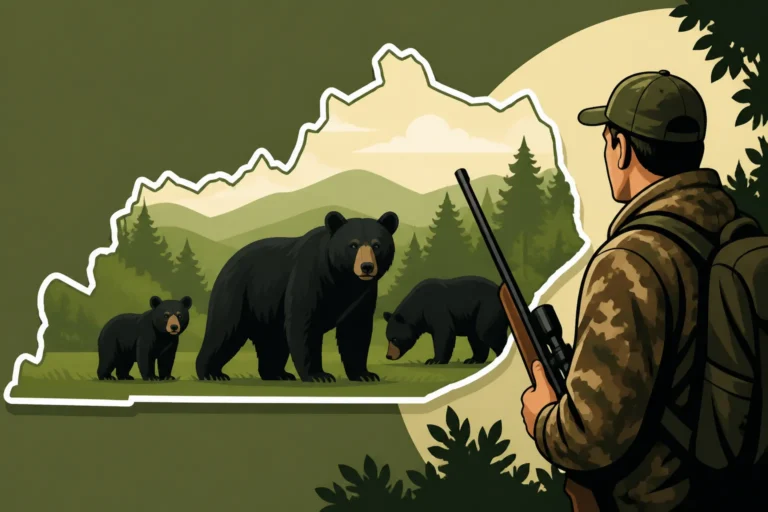
Kentucky’s black bear population is a genuine conservation success story, and it’s a big reason why hunters are seeing more opportunities to pursue these incredible animals, including some truly impressive, large specimens. Bears have not only rebounded in their traditional strongholds but are expanding their range, which means more chances for those seeking a trophy-class animal.
A Thriving Comeback Story
It wasn't that long ago that seeing a bear in Kentucky was a rare event, almost unheard of for most folks outside the deepest hollers. But thanks to dedicated conservation efforts and natural expansion from neighboring states, the black bear population has flourished. What started as a small, recovering group primarily in the southeastern counties has grown into a robust population, with bears now being spotted – and even taking up residence – in areas far beyond their historical range. This resurgence means that individual bears have more opportunities to live longer, find abundant food, and reach truly remarkable sizes, becoming the "heaviest bears" that hunters talk about with awe. This expansion means hunters who are used to focusing on deer might now find themselves thinking about Bear Hunting Southeastern Kentucky or even further afield.
The excitement of a thriving population also brings new challenges and responsibilities. As bears move into new territories, it requires hunters and non-hunters alike to learn how to coexist, understand bear behavior, and appreciate the integral role these animals play in Kentucky’s ecosystem. The health of the population is paramount, and the opportunity to pursue large bears is a direct result of effective wildlife management.
Where the Giants Roam
When we talk about the heaviest bears in Kentucky, our minds naturally drift to the rugged, remote terrain of the southeastern part of the state. This region, encompassing areas like the Daniel Boone National Forest, the Cumberland Plateau, and the Pine Mountain range, offers everything a bear needs to grow big and old. Think vast tracts of unbroken forest, steep, secluded hollows, and abundant natural food sources.
These areas provide critical habitat, including dense cover for security and denning, as well as a consistent supply of mast crops like acorns and hickory nuts, which are crucial for bears to pack on the pounds before winter. The relative lack of human disturbance in some of the more remote sections allows bears to mature without excessive pressure. While bears are expanding into other regions, the truly massive, older boars (male bears) often come from these traditional strongholds where they've had years to establish territories and capitalize on prime resources. If you're looking for that truly exceptional animal, focusing your efforts on these zones where Kentucky's Black Bear Population has been established for generations is a smart move.
Factors Contributing to Bear Size
Several key factors contribute to a bear reaching an impressive weight in Kentucky. It's not just luck; it's a combination of genetics, environment, and sheer longevity that allows some bears to become significantly heavier than others.
First and foremost is age. Older bears have simply had more time to grow, put on weight, and develop robust musculature. A young bear, while agile and active, simply hasn't had the seasons to pack on the kind of mass that an old boar possesses. These mature animals are often survivors, wise to human activity and excellent at finding and exploiting food sources.
Secondly, food availability is paramount. Kentucky's diverse forests, particularly in good mast years, provide an incredible bounty. Acorns, hickory nuts, walnuts, berries, and even wild cherries are high-calorie, nutritious foods that bears gorge on to build up fat reserves for hibernation. A bear that consistently has access to plentiful, high-quality food sources throughout its life will inevitably grow larger than one in a less productive habitat. Some hunters really study the local mast crop, knowing that hunting bears Over Natural Mast in the Mountains can be key to finding an active, heavy bear.
Finally, genetics play a role, though it's harder to quantify in wild populations. Some bears are simply predisposed to grow larger, much like some deer grow bigger antlers. A combination of good genes and an optimal environment sets the stage for a truly heavy Kentucky bear. Understanding these factors helps a hunter appreciate the journey of such an animal and informs scouting strategies, looking for areas where these conditions align.
The Quest for a Trophy-Class Bear in Kentucky
The pursuit of a trophy-class bear in Kentucky is a challenging but incredibly rewarding endeavor. It requires patience, careful scouting, and a deep understanding of bear behavior. Unlike deer, where antler size is often the primary metric, a "heavy" bear speaks to the animal's overall mass and maturity, a true testament to its survival skills.
Defining "Heaviest" – Beyond the Scale
When hunters talk about the "heaviest bears killed in Kentucky," it’s often less about a specific number on a scale and more about the impression of a truly large, dominant animal. While exact weights are recorded by the state wildlife agency for management purposes, they aren't widely publicized in the same way deer antler scores might be. For the hunter, "heaviest" translates to a bear that looks like a tank – a wide body, thick neck, and a commanding presence that signals age and robustness. It's about a bear that carries significant fat reserves, especially as it prepares for the winter den.
These characteristics often become apparent when you're fortunate enough to see a mature bear in the field or encounter fresh sign. The sheer size of its tracks, the height of its rubs on trees, or the volume of its scat all hint at an animal that has lived many seasons and grown to an impressive scale. This quest is less about chasing a number and more about recognizing and appreciating the majesty of a truly mature, substantial black bear.
Scouting for Big Bears
Finding an exceptionally heavy bear isn't a matter of stumbling upon it; it's the culmination of diligent, intelligent scouting. These mature animals are often elusive and stick to areas with abundant food and security.
Your scouting should begin by identifying areas known for good bear populations, especially within Kentucky's Bear Zone One and Two Rules or the newly expanded Zone Three. Look for remote, rugged terrain with dense cover, particularly areas with mature hardwood forests that reliably produce mast. Satellite imagery and topographic maps, like those offered by tools such as GoHunt, can be invaluable for identifying potential travel corridors, bedding areas, and overlooked pockets of mast-producing trees. You can mark potential stand locations and entry routes right on the map.
Once on the ground, search for definitive bear sign. Large, fresh tracks, especially those indicating a wide stride, are excellent indicators of a big bear. Look for rub trees where bears have scratched and bitten, often to mark territory – larger rubs at higher heights suggest a larger bear. Scat can also give clues about diet and the size of the animal. Focus on areas where food sources are concentrated: oak ridges, hickory bottoms, and berry patches. As the season progresses, mature bears will focus intently on these calorie-rich food sources, and understanding their movement patterns around these areas is key to success.
Hunting Strategies for Mature Bears
Hunting a mature, heavy bear requires different tactics than simply hoping to intercept any bear. These animals are often solitary, cunning, and highly sensitive to human presence.
One effective strategy is still-hunting slowly and methodically through prime bear habitat, especially along ridge lines or in drainages where bears might be moving between bedding and feeding areas. This requires extreme stealth, paying close attention to wind direction, and moving at a snail's pace, stopping frequently to glass and listen. When you are doing some Spot-and-Stalk Tactics for Pine Mountain Bears every little detail matters.
Another common approach is stand hunting over natural food sources. Once you've identified a consistent food patch or a well-used travel corridor, setting up a treestand or ground blind downwind can be effective. Patience is crucial here; big bears often move slowly and cautiously, especially in daylight. Choose a stand location that offers good visibility but also allows for a quiet approach and exit. Remember that big bears will often wait until late evening or early morning to feed, so long sits are often required.
For those pursuing bears with hounds where legal, it’s a different kind of challenge, but still aimed at finding and pursuing a mature animal. The dogs track the bear, leading to a thrilling chase that culminates in the bear being treed or bayed. Regardless of the method, ethical hunting practices and understanding the Kentucky Bear Checking Requirements are paramount. This is where a deep understanding of bear behavior and local topography, aided by tools like GoHunt, can help you find those remote, unpressured spots where a giant might reside.
Handling Your Harvest: What to Do With a Heavy Bear
Successfully harvesting a heavy bear in Kentucky is a momentous achievement, but the work is far from over once the shot is fired. The sheer size and weight of a mature bear present unique challenges for recovery, field dressing, and meat care. Being prepared for these steps is just as important as the hunt itself.
Field Dressing and Recovery Challenges
One of the biggest realities of harvesting a heavy bear is the immense physical effort required for field dressing and recovery. These animals can weigh hundreds of pounds, and unlike deer, their dense bodies and thick hide make them incredibly difficult to move, especially in rugged, steep terrain typical of Kentucky's bear country. You might find yourself on a remote slope in the Daniel Boone National Forest, far from any easy access.
Your first priority should be to safely reach the downed animal. Once there, immediate field dressing is crucial, particularly in warmer weather, to begin the cooling process and prevent spoilage. This involves carefully opening the body cavity and removing the organs. Be prepared for a significant amount of blood and a physically demanding task. If you're hunting alone, it's wise to carry a sturdy game drag or a game bag system that allows you to quarter the animal in the field for easier transport. Many hunters will recruit friends or family to assist with the recovery, as dragging a several-hundred-pound bear out of a hollow by yourself is a Herculean task. Always prioritize safety and take your time; rushing can lead to injury or damage to the meat. This is particularly true when you are navigating challenging terrain and needing to perform Handling a Bear After the Shot.
Telechecking and Reporting Requirements
After the incredible effort of recovering and field dressing your bear, the next critical step is to legally report your harvest. Kentucky has specific regulations regarding how and when you must telecheck your bear. This isn't just a bureaucratic formality; it's a vital component of wildlife management. The data collected from each harvested bear, including weight, sex, and location, provides the Kentucky Department of Fish and Wildlife Resources with crucial information about the health and demographics of the bear population.
Always ensure you understand the current reporting deadlines and methods. Typically, you'll need to report your harvest within a specific timeframe after the kill. Make sure you have all the necessary information, such as your license and permit numbers, readily available when you make the report. This ensures your harvest is legally documented and contributes to the ongoing success of Kentucky's bear management program, helping to ensure future opportunities for generations of hunters.
Meat Care and Preservation for a Large Animal
Harvesting a heavy bear means you'll have a substantial amount of meat, and proper care is essential to ensure it's delicious and safe to eat. Bear meat can be excellent when handled correctly, but it requires diligent attention, especially immediately after the harvest.
Once the bear is field dressed, the primary goal is to cool the carcass as quickly as possible. If ambient temperatures are cool, hanging the bear in a shaded, well-ventilated area can work, but for a truly heavy animal, getting the hide off quickly is usually the best approach. Skinning helps the meat cool more efficiently. You'll need a large, clean space and sharp knives. The fat layer on bears can be quite thick and should generally be removed during butchering, as it can impart a strong flavor to the meat.
Transporting the meat from a heavy bear can be challenging. Large coolers packed with ice are a must, especially if you have a long journey ahead. Once home, break the bear down into manageable cuts, trim excess fat, and prepare it for freezing or processing. Bear meat should always be cooked to an internal temperature of at least 160°F (71°C) to ensure any potential parasites are killed. With proper care, that heavy Kentucky bear will provide you with a freezer full of lean, flavorful meat, a fitting culmination to an unforgettable hunt.
| Characteristic | Younger/Smaller Bear | Mature/Heavier Bear |
|---|---|---|
| Body Shape | More athletic, leaner | Blockier, thicker, often saggy belly |
| Head Size | Appears larger in proportion to body | Appears smaller in proportion to large body |
| Ears | Often appear larger and more prominent | Appear smaller, set wider apart |
| Track Size | Smaller, narrower paw prints | Larger, wider, more defined prints |
| Scat Volume | Smaller, less dense piles | Larger, more substantial piles |
| Rub/Scratch Marks | Lower on trees, less intense | Higher on trees, deeper gouges |
| Behavior | More active, less wary | More cautious, often nocturnal, prefers deep cover |
Successfully pursuing a truly heavy bear in Kentucky is a testament to your patience, skill, and dedication to the hunt. It's a deeply rewarding experience, connecting you to the wild landscapes and the incredible comeback story of these magnificent creatures in our state. From scouting the secluded hollers of Daniel Boone National Forest to the physical demands of recovery, every step of the journey is challenging, yet incredibly fulfilling. Remember to always hunt ethically, respect the animal, and adhere to all Kentucky's regulations, ensuring that these opportunities remain for generations to come.
Disclaimer
This article is for general informational purposes only and does not constitute professional advice. Laws, prices and regulations vary by location and change over time. Consult a qualified professional for guidance on your specific situation.