How the Kentucky Elk Herd Was Rebuilt
Many hunters and wildlife enthusiasts outside Kentucky are often completely unaware that the Bluegrass State is home to the largest free-ranging elk herd east of the Rocky Mountains. It's truly incredible to think these magnificent animals, once entirely wiped out from the state, have made such a stunning comeback over the last few decades. This guide will take you on the fascinating journey of how the Kentucky elk herd was rebuilt, detailing the historical challenges, the monumental reintroduction efforts, and the strategic management that secured this remarkable conservation achievement.
A Lost Legacy: The Extirpation of Kentucky's Native Elk
It’s hard to imagine Kentucky without elk today, especially for those who’ve had the privilege of seeing a bull bugle in the fall. Yet, for well over a century, these majestic animals were entirely absent from our landscape. Their disappearance is a stark reminder of historical wildlife management failures and unchecked exploitation, a common story across much of North America. Understanding why they vanished is crucial to appreciating the immense effort it took to bring them back.
Abundance to Absence: The Historical Context
Before European settlement, Kentucky was a prime habitat for elk. The vast expanses of cane breaks, open woodlands, and salt licks provided everything these large herbivores needed to thrive. Early explorers and settlers, including Daniel Boone himself, frequently documented massive herds, often describing them as almost countless. These animals were a vital resource for Native Americans and early pioneers, providing meat, hides, and other materials. Imagine what it must have been like to see hundreds, if not thousands, of elk moving across what is now the rolling farmland of the Bluegrass region or the rugged mountains of Eastern Kentucky. It was a landscape teeming with life, where apex predators like wolves and bears also roamed, creating a rich and complex ecosystem. The sheer abundance of game was one of the defining features of "Kain-tuck-ee," as the Shawnee called it.
However, this abundance was finite, and the rapid pace of settlement quickly began to take its toll. As more people moved into the region, the pressure on wildlife intensified. The seemingly endless supply of elk began to dwindle, first slowly, then at an alarming rate. It wasn't just hunters; it was an entire societal shift that dramatically altered the environment these animals relied upon. The landscape changed, and with it, the chances of survival for Kentucky's native elk.
The Drivers of Disappearance: Habitat and Unregulated Hunting
The primary culprits behind the extirpation of Kentucky's native elk were habitat destruction and relentless, unregulated market hunting. As settlers cleared forests for agriculture, built towns, and expanded their livestock operations, the vast contiguous habitats that elk needed were fragmented or completely eliminated. Elk require extensive range, and as their movements were constricted, their ability to find food, escape predators, and reproduce successfully diminished. The land was being reshaped for human needs, with little thought given to the needs of the wildlife it once supported. Forests were cut, prairies plowed, and cane breaks grazed by cattle, leaving little suitable refuge.
Compounding this habitat loss was market hunting. In the 18th and 19th centuries, there were no bag limits, no seasons, and virtually no enforcement. Elk were hunted year-round for their meat, hides, and even their canine teeth (known as "ivories"), which were prized for jewelry. Hunters would kill dozens, sometimes hundreds, of animals at a time, often leaving much of the carcass to rot after taking only the most valuable parts. This commercial exploitation, driven by demand and facilitated by new transportation networks like railroads, proved unsustainable. By the mid-1800s, elk populations were severely depressed across the state, and by 1890, the last native elk in Kentucky was believed to have been killed. A magnificent species, a symbol of the wild frontier, was gone, a silence descending upon the mountains and prairies where their bugles once echoed.
The Dawn of Restoration: How Kentucky's Elk Came Home
The idea of bringing elk back to Kentucky, after more than a century of absence, was once a distant dream, almost unthinkable for many. It took vision, perseverance, and a collaborative spirit to turn that dream into a tangible, thriving reality. The process was meticulously planned and executed, drawing on lessons learned from other successful wildlife restoration projects across the country.
The Visionaries and the Initial Commitment
The seeds of Kentucky's elk restoration were planted in the late 1990s, when the Kentucky Department of Fish and Wildlife Resources (KDFWR), in partnership with organizations like the Rocky Mountain Elk Foundation (RMEF), began to seriously consider a reintroduction program. This wasn't a casual decision; it was a bold, ambitious undertaking that required extensive biological research, public support, and significant financial commitment. The RMEF, a national leader in elk conservation, played a pivotal role, not only contributing substantial funds but also providing expertise and advocating for the project. They understood the long-term benefits of restoring elk to their native range, both ecologically and culturally.
The first crucial step was identifying suitable habitat. Southeastern Kentucky, particularly the vast, rugged, and historically coal-mined lands, emerged as the ideal location. These areas, though heavily impacted by mining in the past, offered large tracts of recovering forest, open grasslands created by reclamation, and minimal human population density compared to other parts of the state. It was a region where a large, free-ranging herd could thrive with relatively low human-wildlife conflict. This commitment to Eastern Kentucky also offered a unique opportunity for economic revitalization in communities that had faced significant challenges with the decline of the coal industry. The vision wasn't just about elk; it was about revitalizing an ecosystem and an economy. To delve deeper into the geographical considerations for these animals, you might find information on Hunting Eastern Kentucky Coalfield Country helpful.
Sourcing, Relocation, and Release Operations
Once the commitment was made and the target area identified, the monumental task of acquiring and relocating elk began. Between December 1997 and March 2002, KDFWR embarked on an unprecedented multi-state effort, bringing in elk from seven different western states and one Canadian province. These animals were carefully selected, disease-tested, and transported thousands of miles to their new home in Kentucky.
Here’s a breakdown of where Kentucky’s initial elk population came from:
| Source Location | Number of Elk Released | Release Period |
|---|---|---|
| Kansas | 29 | December 1997 |
| Arizona | 13 | December 1997 |
| New Mexico | 26 | December 1997 |
| North Dakota | 16 | December 1998 |
| Utah | 58 | January 1999 |
| Oregon | 26 | February 2000 |
| Alberta, Canada | 90 | February-March 2000, 2001 |
| Various Western States | ~250 | 2001-2002 |
| Total Reintroduced | ~508 | 1997-2002 |
Note: These numbers are approximate and represent the primary reintroduction efforts.
Each relocation operation was a complex logistical challenge. Elk were captured, quarantined, vaccinated, and fitted with radio collars before being loaded into specialized trailers for the long journey. Upon arrival in Kentucky, they were released into designated sites within the designated 16-county restoration zone. The initial releases were small groups, allowing biologists to monitor their adaptation and dispersal. There were always risks involved, from capture stress to disease transmission, but rigorous protocols were in place to minimize these. The goal was not just to release elk, but to release healthy animals capable of establishing a self-sustaining population. This ambitious program, detailed further in resources like How the Kentucky Elk Herd Was Rebuilt, laid the foundation for what is now a thriving population.
Building a Future: Sustaining Kentucky's Elk Population
Reintroducing elk was just the first, albeit massive, step. The real challenge, and the true mark of success, has been the ongoing management required to sustain and grow the population. This has involved a delicate balance of habitat improvement, regulated hunting, and constant monitoring to address new challenges.
Strategic Habitat Management and Herd Growth
Once the elk were on the ground, KDFWR and its partners focused intensely on habitat enhancement. The reclaimed strip mines of Eastern Kentucky, while providing open areas, often needed further work to optimize them for elk. This included planting specific forage crops, establishing mineral licks, and managing forest succession to create a mosaic of open grasslands, dense cover, and abundant food sources. The goal was to ensure the elk had everything they needed to thrive and reproduce, reducing their need to wander into less suitable, more populated areas.
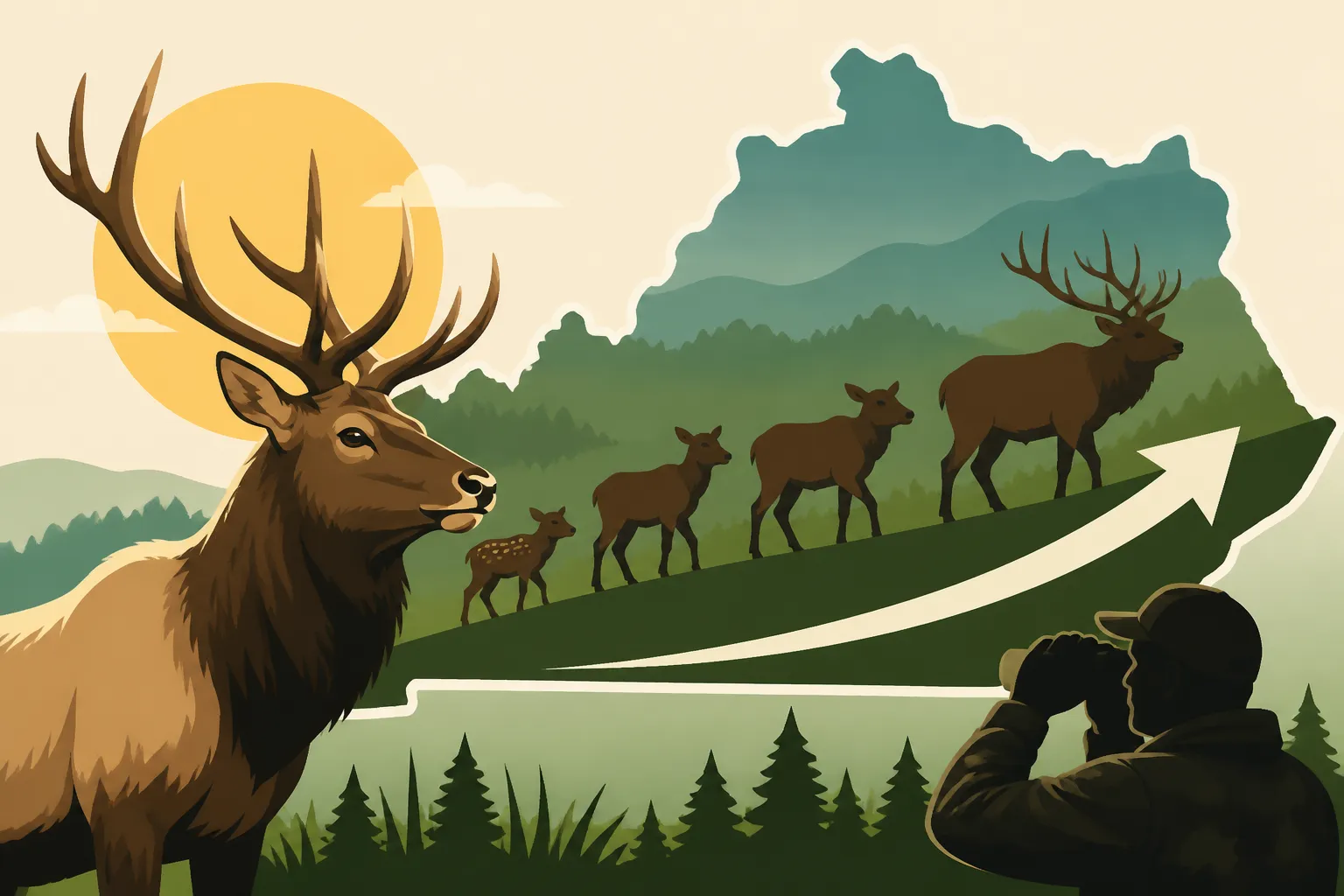
The results have been nothing short of spectacular. From just over 500 reintroduced animals, the herd grew exponentially. Within a decade, the population had exploded, far exceeding initial projections. This rapid growth demonstrated the quality of the habitat and the inherent resilience of the elk once given a chance. Today, Kentucky boasts Kentucky's Record Elk Herd, estimated to be over 10,000 animals, making it the largest herd east of the Mississippi River. This phenomenal growth is a testament to dedicated conservation efforts and the elk's ability to adapt to Kentucky’s unique landscape, particularly in the coalfields where they’ve found such fertile ground. This remarkable growth story is also highlighted in topics like How Many Elk Live in Kentucky Today, showing the incredible success.
The Vital Role of Regulated Hunting and Management Zones
With a rapidly growing herd, the need for management became paramount. While some might question hunting in a restoration effort, controlled hunting is a critical tool for maintaining healthy wildlife populations. It helps manage herd size, reduces disease transmission, mitigates human-elk conflicts (such as crop damage or vehicle collisions), and provides valuable funding for continued conservation efforts. Kentucky implemented a highly regulated quota hunt system, a far cry from the unregulated hunting that led to their initial disappearance.
Hunters eagerly anticipate the Kentucky Elk Application Window Dates each year, hoping to draw one of the highly coveted permits. The state issues a limited number of tags, divided into various categories like bull firearm, cow firearm, and either-sex archery/crossbow, across Kentucky's Seven Elk Hunting Units. These permits are awarded through a lottery system, often involving Kentucky Elk Preference Point System to give long-time applicants a better chance. For those looking to participate, understanding the rules, especially the Kentucky Elk Quota Hunt Rules, is essential. When planning your application strategy or researching hunt units, tools like those offered by GoHunt can be incredibly valuable for analyzing draw odds and identifying promising areas. The revenue generated from these permits, along with contributions from conservation groups, directly funds elk research, habitat improvements, and law enforcement, completing a cycle of conservation. For hunters planning to pursue these magnificent animals, detailed information on Hunting Kentucky's Record Elk Herd is available.
Navigating Challenges for Long-Term Success
Despite the overwhelming success, managing a large, free-ranging elk herd in an increasingly developed state isn't without its challenges. One of the most significant concerns is Chronic Wasting Disease (CWD). While Kentucky's elk herd has remained CWD-free, the presence of the disease in deer populations in neighboring states and in some Kentucky counties is a constant threat. KDFWR maintains rigorous surveillance programs, and hunters play a vital role in reporting unusual animal behavior or submitting samples for testing. Preventing CWD from establishing itself in the elk herd is a top priority.
Another ongoing challenge is managing human-elk conflict, particularly as the herd expands beyond its core restoration zone. Elk can cause significant damage to agricultural crops and fences, and vehicle collisions with such large animals can be dangerous. KDFWR works with landowners to implement mitigation strategies and, where necessary, provides permits to address problematic animals. Balancing the desire for a thriving elk population with the needs of rural communities is a delicate act, requiring constant communication and adaptive management strategies. Scouting tools on platforms like GoHunt can sometimes help hunters identify areas where elk movement patterns might lead to these conflicts, guiding their own hunting efforts while providing insight into herd distribution.
The Broader Impact: A Triumph of Conservation
The restoration of the Kentucky elk herd stands as one of North America's most successful wildlife conservation stories. It's a testament to what can be achieved when science, public will, and dedicated partnerships come together for a common goal. The benefits extend far beyond just having elk back on the landscape.
Economic Boost and Ecological Harmony
The economic impact of the elk herd has been substantial, particularly in the historically economically depressed regions of Eastern Kentucky. Elk hunting draws thousands of hunters each year, both resident and nonresident, who spend money on licenses, permits, lodging, food, fuel, and gear. This influx of tourism dollars supports local businesses, creates jobs, and provides a much-needed boost to local economies. Beyond hunting, Elk Viewing in the Restoration Zone has become a popular activity, attracting wildlife enthusiasts who simply want to witness these majestic animals in their natural habitat. Scenic drives through the elk zone, particularly in the fall during the bugle, are a growing tourist attraction, further diversifying the regional economy.
Ecologically, the return of elk has helped restore a missing piece of Kentucky's natural heritage. As a large herbivore, elk play a role in shaping vegetation communities, aiding in nutrient cycling, and providing a food source for other predators, if they were to return in greater numbers. Their presence signals a healthier, more complete ecosystem. While the state's natural predator base is limited, the elk's grazing and browsing habits contribute to forest health and biodiversity, creating diverse habitats that benefit a wide array of other wildlife species. It's a rebalancing of the natural order that was disrupted so long ago.
Lessons Learned and a Continuing Legacy
The Kentucky elk restoration project offers invaluable lessons for future conservation efforts globally. It demonstrates that with sufficient commitment, sound science, and robust partnerships, even seemingly impossible wildlife recoveries can be achieved. It highlights the importance of:
- Long-term Vision: This wasn't a quick fix; it was a multi-decade commitment.
- Collaborative Partnerships: The synergy between KDFWR, RMEF, local communities, and private landowners was crucial.
- Adaptive Management: The willingness to adjust strategies based on biological data and emerging challenges.
- Public Engagement: Gaining public support and educating stakeholders was vital for acceptance and long-term success.
The legacy of the Kentucky elk herd is one of hope and resilience. It shows that mistakes of the past can be corrected, and that wilderness, once lost, can be reclaimed and revitalized. For those who witness a herd grazing on a reclaimed mine land or hear a bull's haunting bugle echo through the mountains, it's a powerful reminder of nature's enduring capacity for renewal, and a source of immense pride for Kentuckians. This success story continues to inspire new initiatives and underscores the potential for future conservation triumphs.
Disclaimer
This article is for general informational purposes only and does not constitute professional advice. Laws, prices and regulations vary by location and change over time. Consult a qualified professional for guidance on your specific situation.