Blaze Pink Options Under Kentucky Law
One common frustration for hunters, especially those new to the sport or those bringing along family members, is navigating the often-confusing rules around hunter orange and, more recently, blaze pink. It's not just about safety; it's about compliance and comfort in the field. This comprehensive guide will meticulously break down Kentucky's regulations regarding blaze pink, explaining its legal standing, practical considerations, and how it empowers more hunters to stay safe and legal while enjoying the outdoors.
Understanding Kentucky's Hunter Visibility Requirements
For years, "hunter orange" has been the universally recognized standard for visibility in the woods, and for good reason. Its bright, unmistakable color stands out dramatically against the natural greens, browns, and grays of the Kentucky landscape, especially during deer or elk season. These regulations aren't arbitrary; they are deeply rooted in safety, designed to reduce accidental shootings by making hunters highly visible to one another. It’s about preventing tragedies and ensuring everyone comes home safely.
Kentucky has very specific rules about when and how much blaze orange (or now, blaze pink) you need to wear. These rules often depend on the specific hunting season and the type of game you're pursuing. For instance, during the Kentucky's Statewide Modern Gun Season, the requirements for visible outer clothing are typically at their most stringent, ensuring maximum safety when high-powered firearms are in use. However, during archery-only seasons, the rules can be different, often allowing for more subdued clothing choices as the risk profile changes. It's crucial for every hunter to understand these nuances to avoid hefty fines or, worse, dangerous situations in the field.
The Core Purpose of High-Visibility Clothing
The primary goal of wearing blaze orange or blaze pink is simple: to make you easily identifiable as a human hunter, not as game. Deer, for example, are colorblind to red and orange wavelengths, perceiving them as shades of gray or yellow. This means while the vibrant color is glaringly obvious to other humans, it blends into the background for the animals you're pursuing. This ingenious aspect of hunter safety gear means you can remain concealed from your quarry while being highly visible to your fellow hunters. It’s a win-win, really.
Think about walking through a thick patch of timber or slowly still-hunting an Eastern Kentucky ridge. The light can be dim, and shadows can play tricks on your eyes. Without that stark, unnatural color, it’s far too easy for another hunter to mistake movement, a flash of brown, or even just the shape of a person for a deer. This is especially true if you're engaging in activities like Deer Drives With Three or Four Hunters, where multiple individuals are moving through dense cover. The vivid contrast provided by blaze orange or pink acts as an immediate flag, signaling "human" to anyone else within eyesight, significantly reducing the chance of an accidental shooting. This safety measure is a cornerstone of responsible hunting and a testament to the community's commitment to preventing accidents.
When and Where High-Visibility Clothing is Mandated
Kentucky law generally mandates hunter orange or blaze pink during any firearms deer or elk season. This includes the major gun seasons, youth firearms weekends like the Hunting the Kentucky Youth Firearms Season, and even muzzleloader seasons. It's important to remember that these rules apply not just to those actively hunting with a firearm but to anyone accompanying them, regardless of whether they are carrying a weapon or not. So, if you're taking a kid out for the free youth weekend in December, both you and the young hunter need to be properly visible.
The specific quantity of visible clothing is also regulated. Typically, it requires a minimum of 500 square inches of solid fluorescent orange or fluorescent pink material on the outer clothing, visible from all sides. This often translates to wearing an orange or pink vest and a hat. This substantial coverage ensures that no matter what angle another hunter views you from, a significant portion of your body is brightly colored and unmistakable. Whether you're navigating the thick undergrowth of Daniel Boone National Forest Hunting or traversing an open field, adhering to these requirements is paramount for your safety and the safety of those around you. Always check the latest Kentucky Department of Fish and Wildlife Resources (KDFWR) regulations before heading afield, as specifics can change year to year. The Kentucky Hunter Education Requirements courses also delve deeply into these crucial safety rules.
Blaze Pink: A Modern Option for Kentucky Hunters
For many years, the only option for hunters requiring high visibility was blaze orange. While effective, some hunters, particularly women, expressed a desire for more options. This wasn't just about aesthetics; it was about comfort, personal preference, and feeling more connected to their gear. Recognizing this, many states, including Kentucky, began to explore alternatives. The result? The introduction of blaze pink as a legally accepted high-visibility color.
Kentucky officially adopted blaze pink as a legal alternative to blaze orange in 2017. This change was a significant step, acknowledging that offering more choices could encourage broader participation in hunting, especially among women and younger hunters. It's the same principle as blaze orange: a color that pops vividly to the human eye against natural surroundings, yet remains discreet to deer and other game animals. This means hunters can choose the color they prefer without compromising safety or legality.
The Science Behind Blaze Pink's Effectiveness
Just like blaze orange, blaze pink is specifically engineered to be highly visible to humans. The "fluorescent" aspect of both colors is key. Fluorescent dyes absorb light from the non-visible (ultraviolet) spectrum and re-emit it as visible light, making the color appear brighter and more vivid than traditional dyes. This is why blaze orange and pink seem to almost glow, especially in low-light conditions or against a drab background. This enhanced luminosity is what makes them so effective at creating an immediate visual cue for other hunters.
From a biological standpoint, the choice of pink or orange has no impact on deer or other common game animals. Deer are dichromats, meaning their eyes only have two types of cone cells for color perception, primarily sensitive to blue and yellow-green light. They lack the red-green cone cells that humans have, which means they cannot distinguish between red, orange, or pink. To a deer, all these colors appear as shades of gray or yellow, blending harmlessly into the environment. So, whether you're wearing blaze orange or blaze pink, you're equally invisible to the deer, but equally visible to other hunters – exactly what you want for safety.
Legal Parameters for Blaze Pink in Kentucky
When Kentucky adopted blaze pink, it did so with the same specific requirements as blaze orange. This means that if you choose to wear blaze pink, it must be solid fluorescent pink and cover a minimum of 500 square inches of your outer clothing, visible from all sides. This usually means a vest and a hat are still the most practical and common ways to meet the requirement.
It’s not just about the color, but the coverage. You can't just throw on a pink scarf and call it good. The intent is clear: to ensure a substantial portion of your torso and head are unmistakable. This applies to all seasons where How Much Blaze Orange Kentucky Requires is a factor, including all modern gun, youth firearms, and muzzleloader deer and elk seasons. For specific scenarios, such as Orange Requirements for Archery Hunters, you might find the rules differ, so always double-check the KDFWR hunting guide for the current year. Many online hunting resources, like the GoHunt platform, also provide up-to-date summaries of regulations, making it easier to confirm compliance on the go.
Here's a quick comparison of the two options:
| Feature | Blaze Orange | Blaze Pink |
|---|---|---|
| Color | Solid fluorescent orange | Solid fluorescent pink |
| Visibility to Humans | High; stands out against natural colors | High; stands out against natural colors |
| Visibility to Deer | Low; perceived as gray/yellow | Low; perceived as gray/yellow |
| Legal in Kentucky | Yes, primary requirement | Yes, legal alternative since 2017 |
| Minimum Coverage | 500 square inches, visible from all sides (typically vest + hat) | 500 square inches, visible from all sides (typically vest + hat) |
| Primary Purpose | Hunter safety, preventing accidental shootings | Hunter safety, preventing accidental shootings |
Practical Considerations for Choosing and Using Blaze Pink Gear
While blaze pink offers a fantastic new option, there are still practical considerations when selecting and using this gear. It's not just about compliance; it's about comfort, durability, and ensuring your gear truly serves its purpose in the rugged Kentucky wilderness. Finding high-quality, durable blaze pink items that hold up to the elements is just as important as the color itself.
Sourcing Quality Blaze Pink Apparel
When blaze pink first became legal, finding gear could be a bit of a treasure hunt. Now, with its growing popularity, most major hunting apparel retailers, both online and in brick-and-mortar stores, offer a range of blaze pink options. Brands like DSG Outerwear, SHE Outdoor, and even mainstream brands that previously only offered orange have expanded their lines to include pink. This means you can find everything from lightweight vests for early season archery to insulated jackets suitable for Clothing for a Kentucky Late Season.
When shopping, look for items that are clearly labeled "fluorescent pink" or "blaze pink" to ensure they meet the legal requirements. Avoid anything that looks more like a pastel or faded pink, as it might not provide the necessary visibility. Consider the materials as well. For serious hunting, you'll want something durable, quiet, and weather-resistant, depending on the season. If you're going to be out Hunting the Late-Season January Lull, you'll need gear that can handle the cold and damp, and integrating blaze pink into your Layering for a Kentucky Deer Stand system is crucial. Checking reviews and even consulting online forums or resources like the GoHunt gear guides can help you find reputable products.
Integrating Blaze Pink into Your Hunting System
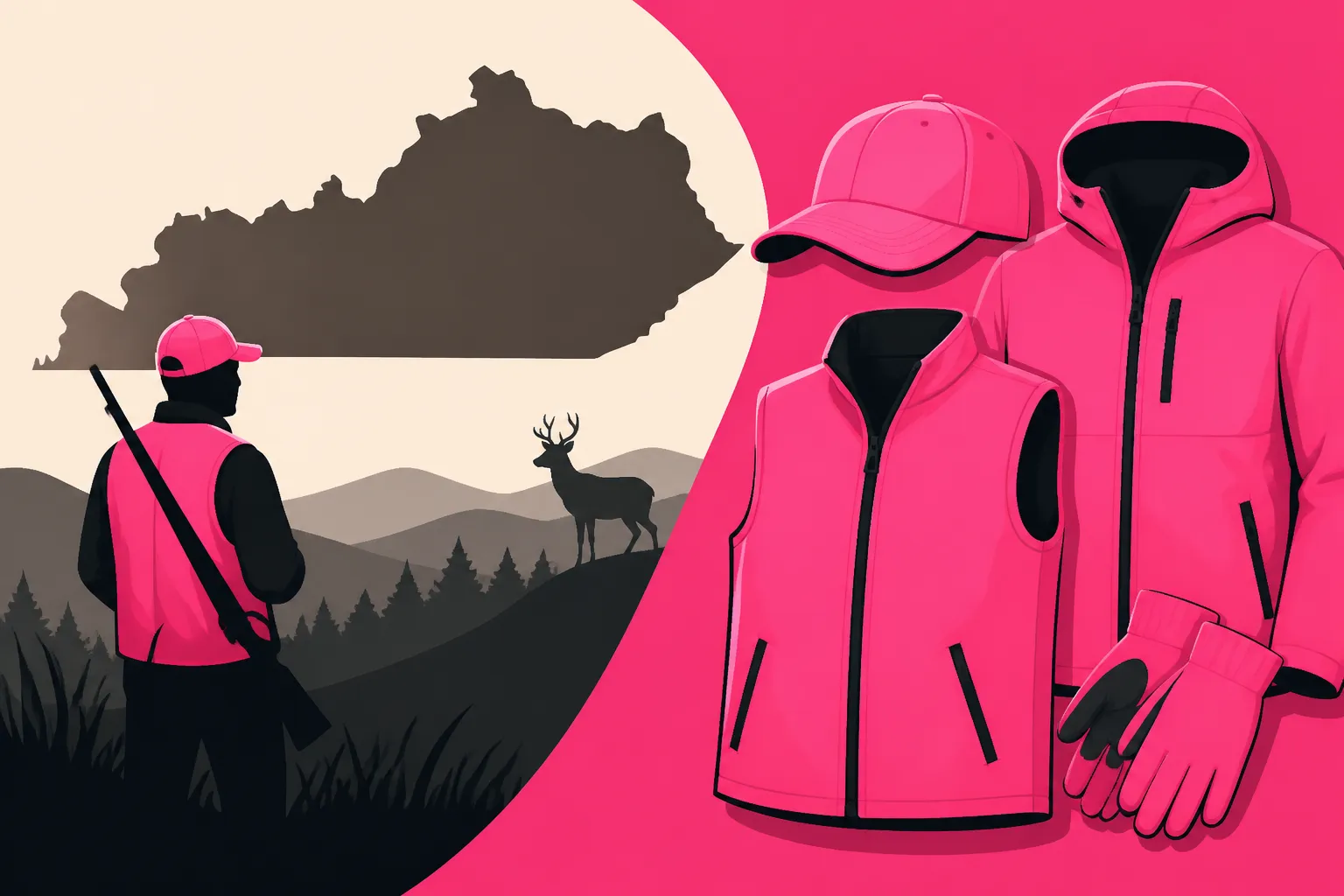
Just like with blaze orange, blaze pink is meant to be worn as an outer layer, visible from all angles. This often means wearing a vest over your jacket or a specific blaze pink jacket. Don't forget the hat! A blaze pink cap or beanie is an easy way to meet the headwear requirement and add to your overall visible footprint.
Consider the practicalities of your hunt. If you're doing a lot of hiking or Still-Hunting Eastern Kentucky Ridges, you might prefer a lightweight vest that allows for good ventilation. For stationary hunting in a treestand, a warmer, insulated jacket might be more appropriate. Remember that the goal is not just to have the color, but to maintain the 500 square inches of visible surface area throughout your hunt, even if you shed layers or change positions. This is particularly important when considering things like Blaze Orange Jackets Versus Vests; while jackets offer more coverage and warmth, vests are often easier to throw over existing layers. Make sure your chosen gear doesn't become obscured by a backpack, treestand harness straps, or by carrying a harvested animal.
Common Misconceptions and Best Practices
One common misconception is that blaze pink is somehow "less safe" than blaze orange. This is simply untrue. From a biological and legal standpoint in Kentucky, both colors are equally effective and accepted for human visibility in the field. The choice between them is purely personal preference. Another thought is that only women can or should wear blaze pink. This is also false! Anyone, regardless of gender, who wishes to wear blaze pink and meets the legal requirements, is welcome to do so. The goal of the regulation change was to expand options for all hunters.
A best practice, regardless of whether you choose orange or pink, is to ensure your gear is clean and bright. Faded, dirty, or mud-splattered high-visibility clothing loses some of its effectiveness. Regularly wash your gear according to manufacturer instructions to keep it vibrant and highly visible. Also, always hunt with a partner if possible, and communicate your location frequently. Even with the brightest blaze pink, clear communication and safe hunting practices are your most important tools in the field. Using mapping apps like those often integrated into platforms such as GoHunt can also help you track your location and communicate with hunting partners, adding another layer of safety alongside your visible clothing.
Disclaimer
The information provided in this guide is for informational purposes only and is not intended as legal advice. Hunting regulations, including those concerning blaze pink and hunter orange, can change. Always consult the official Kentucky Department of Fish and Wildlife Resources (KDFWR) hunting regulations for the current year before engaging in any hunting activities to ensure full compliance with state law.