What Happened at the Breckinridge Captive Facility
It’s a frustrating reality when something meant to be controlled within a facility spills over and impacts the wild, especially when it comes to the health of our deer herds. The discovery of Chronic Wasting Disease (CWD) at a captive deer facility in Breckinridge County sent ripples of concern through Kentucky’s hunting community, forever changing how many of us approach deer season. This guide will walk you through exactly what happened, the significant implications for hunters across the state, and how we can all adapt to protect our cherished wildlife.
What is Chronic Wasting Disease and Why It's a Threat to Kentucky's Deer
Chronic Wasting Disease (CWD) is one of those topics that can make any deer hunter’s stomach knot up. It’s a terrifying prospect because it’s relentless, devastating, and unfortunately, once it takes hold, it’s incredibly difficult to eradicate. For years, Kentucky had managed to keep CWD at bay, but the incident in Breckinridge County served as a stark reminder of its persistent threat.
The Silent Killer: Understanding CWD's Nature
CWD is a neurological disease that affects cervids – that’s deer, elk, moose, and reindeer – and it’s always fatal. It's caused by abnormal proteins called prions, not a virus or bacteria. These rogue prions essentially corrupt normal proteins in the brain and nervous system, leading to a slow, progressive degeneration. Imagine a deer slowly losing its motor skills, balance, and awareness, becoming emaciated and acting strangely. That's CWD in action. It can take months, or even years, for an infected animal to show symptoms, making early detection in the wild incredibly challenging.
This long incubation period is precisely what makes CWD such a silent killer. An apparently healthy deer could be carrying the disease, shedding prions through its saliva, urine, and feces, contaminating the environment long before any hunter or wildlife biologist spots a problem. These prions are incredibly hardy, too. They can persist in soil and plants for years, even decades, becoming a source of infection for other animals. This environmental persistence is why containing an outbreak is so notoriously difficult, and why the Kentucky Department of Fish and Wildlife Resources (KDFWR) takes any new CWD case so seriously.
Kentucky's Proactive Stance: Efforts Before the Breckinridge Incident
For a long time, Kentucky proudly stood as one of the few states in the eastern U.S. that had not detected CWD in its wild deer herd. This wasn't by accident; it was due to years of diligent, proactive monitoring by the KDFWR. They knew the threat was real, especially with CWD being detected in neighboring states, and they implemented a robust surveillance program. This included testing thousands of hunter-harvested deer annually, and actively looking for "sick" deer reports from the public.
The agency's primary goal was always prevention – to keep CWD from ever crossing our borders. Part of that strategy involved strict regulations regarding the importation of captive cervids and carcass movement from CWD-positive states. There was a constant underlying fear, however, about captive deer facilities within the state itself. These facilities, while regulated, often house deer moved from various locations, and a single breach could introduce the disease directly into Kentucky. The KDFWR’s proactive stance was commendable, but the incident at the Breckinridge facility would unfortunately prove that even the best intentions can sometimes face insurmountable challenges.
The Breckinridge Captive Deer Facility Incident: A Critical Timeline
The news hit the Kentucky hunting community like a gut punch. After years of successful efforts to keep CWD out of our wild deer, a captive cervid facility in Breckinridge County tested positive. This wasn't just another CWD case; it was a watershed moment that dramatically shifted Kentucky’s CWD strategy and deeply concerned hunters.
The Initial Detection and Swift Response
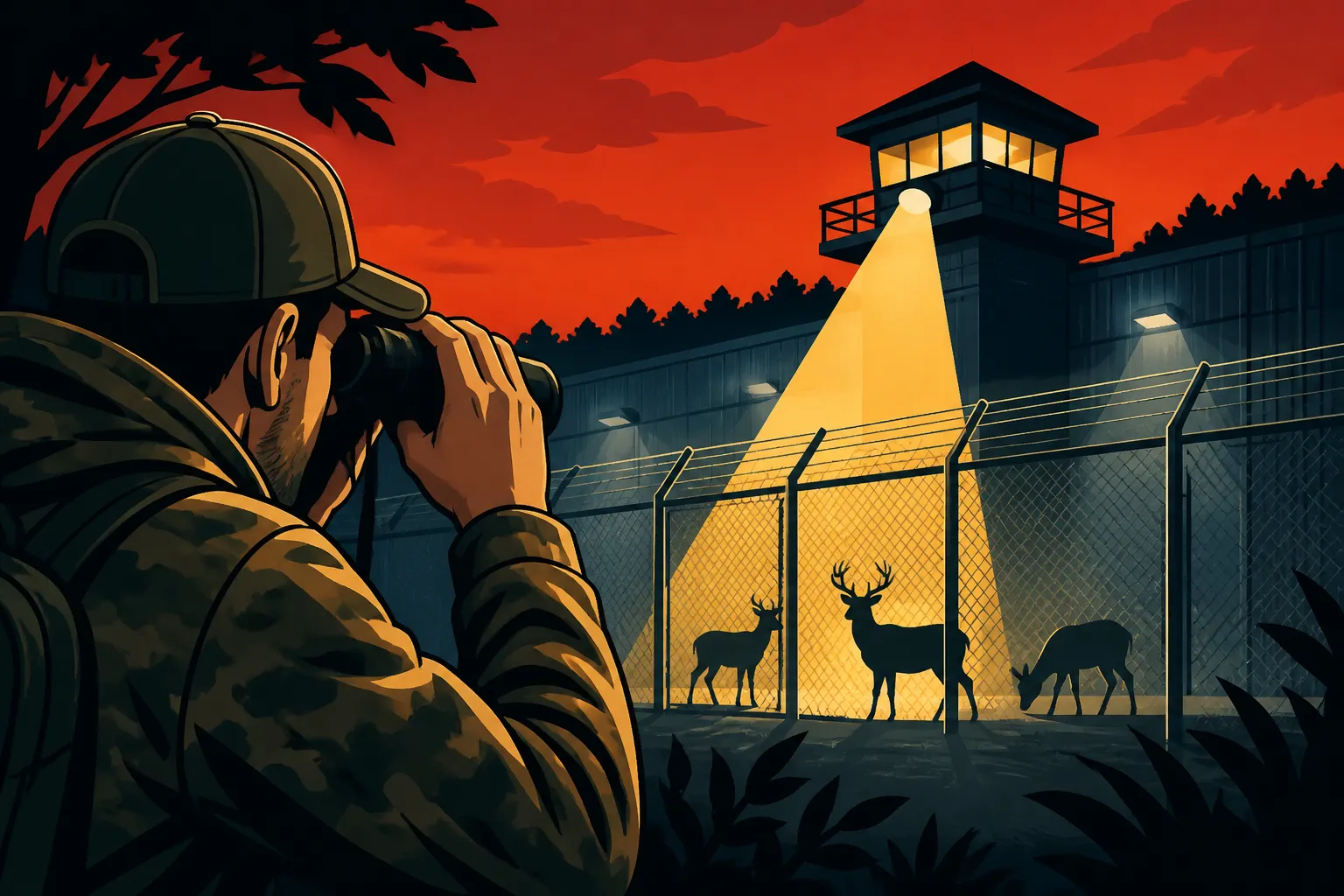
The alarm bells first rang in December 2021. A captive white-tailed deer at a licensed facility in Breckinridge County, showing signs of illness, was euthanized and sampled. The sample was sent to a national veterinary lab, and the results came back positive for CWD. This was Kentucky's first ever confirmed case of CWD within its borders. The KDFWR acted immediately, recognizing the gravity of the situation. Their swift response was crucial to mitigate potential spread.
Upon confirmation, the facility was immediately quarantined, meaning no animals could enter or leave. The Kentucky Department of Agriculture (KDA), which oversees captive cervid facilities, worked in tandem with KDFWR. Their focus was on determining the extent of the infection within the facility and preventing any potential escapees from entering the wild. This initial detection triggered a cascade of urgent decisions, not just for the facility owners, but for every hunter and wildlife manager in the Commonwealth. The very real possibility of CWD establishing itself in Kentucky's wild population had just become a much more imminent threat.
Unraveling the Spread: Investigations and Findings
Following the initial positive test, a comprehensive investigation was launched to understand how CWD entered the Breckinridge facility and how widespread it might be. This involved extensive testing of other animals within the herd. The challenging reality of CWD is that identifying infected animals can take time, as the disease progresses slowly. The KDA, in consultation with KDFWR and federal agencies, initiated the depopulation of the entire captive herd at the facility. This drastic but necessary step involved testing every animal to determine the true prevalence of the disease.
The findings from this extensive testing were sobering. Multiple additional deer within the facility also tested positive for CWD. This indicated that the disease had likely been present and spreading within that captive herd for some time before the first symptomatic animal was detected. The investigation also looked into the origins of the deer at the facility, tracing their movements and potential exposure points. This process revealed the intricate and sometimes opaque nature of captive cervid movements, which can inadvertently serve as vectors for disease transmission. The incident highlighted a major vulnerability: even with strict regulations, a contained outbreak in a captive setting could represent a significant risk to the adjacent wild population, bypassing the natural geographical barriers that had previously protected Kentucky.
The Wider Implications of a Captive Facility Outbreak
While any CWD detection is bad, an outbreak in a captive facility carries particularly wider implications compared to a single positive in a wild deer. For starters, captive herds often have much higher densities than wild populations, which can accelerate disease transmission. Think about it – animals are confined in close quarters, sharing feed, water, and direct contact, creating a perfect storm for CWD prions to spread rapidly. Once CWD is present in such an environment, the sheer concentration of prions shed into the soil, fencing, and feed areas creates a highly contaminated site.
Moreover, captive facilities, by their very nature, represent a human-created pathway for disease. Deer can be bought, sold, and moved from different states, sometimes unknowingly carrying CWD from an endemic area into a CWD-free state like Kentucky. This direct human intervention can circumvent the natural filtering mechanisms that might slow or prevent CWD from spreading across state lines in wild populations. The Breckinridge facility incident underscored this risk, proving that the threat wasn't just coming from bordering states through wild deer movement, but also from within, via the captive cervid industry. It raised significant questions about biosecurity protocols and monitoring, not just for hunters, but for regulatory bodies across the state. This event solidified the need for even more stringent measures to protect Kentucky's robust deer herd, considered by many to be one of the best in the Southeast, a point often emphasized by resources like GoHunt when discussing game populations.
Far-Reaching Consequences: How the Incident Impacted Kentucky Hunters
The discovery of CWD in Breckinridge County quickly moved from a contained incident to a statewide concern, directly impacting hunting regulations and practices for thousands of Kentuckians. The consequences were immediate and significant, reshaping the landscape of deer hunting.
Expanding the CWD Surveillance Zone: New Rules and Boundaries
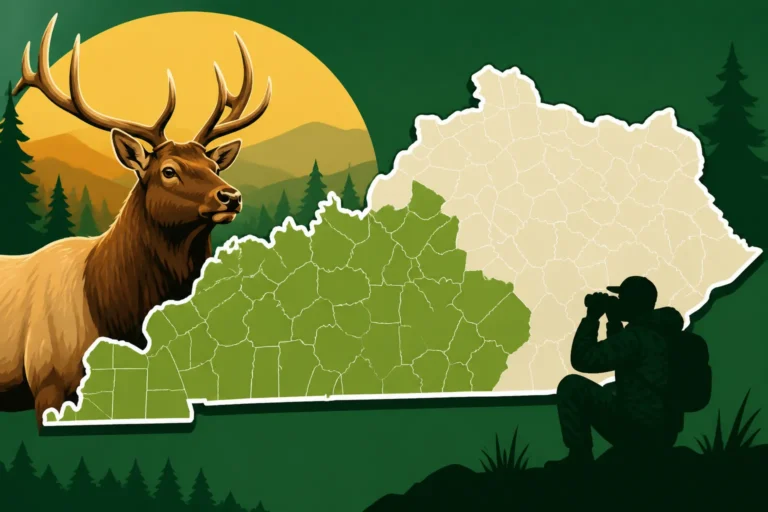
One of the most immediate and profound impacts of the Breckinridge facility case was the establishment, and subsequent expansion, of Kentucky's CWD Surveillance Zone. The initial detection immediately put Breckinridge County, along with portions of Meade, Hardin, and Grayson counties, under new, stricter rules. This wasn’t just a formality; it meant a whole new set of responsibilities for hunters in these areas.
Before this, Kentucky had been fortunate enough to avoid having any CWD zones. Now, hunters in these designated counties faced mandatory CWD testing for deer harvested during certain periods and stricter rules about how they could transport their deer. This expansion wasn't arbitrary; it was based on scientific models predicting potential CWD spread from the facility into the wild population. It was a stark reminder that what happens in one corner of the state can quickly affect hunters much further afield. When you're planning your hunt, consulting resources like GoHunt's mapping tools can be invaluable for quickly identifying if your hunting grounds fall within the current CWD Surveillance Zone. For those unfamiliar, it became critical to understand Kentucky Deer Management Zone Rules in this new context.
Mandatory Testing and Carcass Movement Restrictions: The Hunter's Burden
With the establishment of the CWD Surveillance Zone came specific mandates for hunters within those boundaries. During peak hunting seasons, particularly the modern gun season, hunters harvesting a deer in a CWD-positive county were often required to submit their deer for CWD testing at designated sampling stations. This wasn't optional; it was a mandatory step designed to gather crucial data on disease prevalence in the wild herd and prevent its spread.
Beyond testing, the incident also led to stringent carcass movement restrictions. Hunters were now prohibited from moving whole deer carcasses, or certain high-risk parts, out of the CWD Surveillance Zone. This meant that if you harvested a deer in, say, Breckinridge County, and wanted to take it home to a county outside the zone, you'd have to debone it, remove the skull plate, or take other measures to leave behind parts that could harbor prions. This requirement, while critical for disease containment, added a layer of logistical complexity and frustration for many hunters. Processing a deer in the field, especially a large buck, can be labor-intensive, and many preferred to take their deer to a local processor outside the zone, which was now restricted. Understanding Kentucky Carcass Movement Restrictions became paramount for legal compliance.
Here's a simplified overview of typical CWD carcass restrictions:
| Carcass Part | Allowed Movement Out of CWD Zone? | Notes |
|---|---|---|
| Whole Carcass | No | Must be processed within the CWD zone. |
| Deboned Meat | Yes | Meat removed from bone, no brain or spinal tissue. |
| Clean Skull Plate | Yes | Skull cap (antlers attached) cleaned of all brain/tissue. |
| Finished Taxidermy | Yes | Fully prepared trophy. |
| Hides/Skins | Yes | Free of all tissue. |
| Intact Head | No | Brain, spinal column, and lymph nodes are high-risk. |
| Spinal Column | No | Contains high concentrations of prions. |
Note: Always consult the latest KDFWR regulations for the most current and specific rules, as these can change.
Trust, Uncertainty, and the Future of Deer Management
The CWD detection at the Breckinridge facility and the subsequent regulatory changes naturally sparked a lot of discussion and concern among Kentucky hunters. There was, and continues to be, a degree of uncertainty and apprehension. Hunters questioned the long-term impact on deer populations, the potential for reduced hunting opportunities, and the overall health of the herd that we all work so hard to manage and enjoy. The incident put a spotlight on the efficacy of past regulations and sparked debates about how best to move forward.
Many hunters felt a sense of dismay that, after so many years of keeping CWD out, it had finally arrived, not through the wild, but through a human-managed operation. This led to questions about trust in management protocols and the balance between different interests in wildlife. However, the KDFWR has consistently communicated its commitment to transparency and robust CWD management. They understand these concerns and are actively working to adapt their strategies, conducting extensive testing, and collaborating with landowners and hunters to gather more data and prevent further spread. Understanding this nuanced situation requires looking at How Many Kentucky Counties Have Found CWD and recognizing that the situation is evolving.
Navigating CWD: Essential Guidance for Kentucky Hunters
The CWD incident at the Breckinridge facility changed the game for Kentucky hunters. It means we all have a vital role to play in protecting our deer herd and ensuring the future of hunting in the Commonwealth. Staying informed and practicing responsible hunting habits are more important now than ever before.
Staying Informed: Understanding the Latest Regulations and Zone Maps
The CWD situation is dynamic, and regulations can change as new information emerges or as the disease is detected in new areas. Therefore, one of the most crucial things you can do as a Kentucky hunter is to stay relentlessly informed. Don't rely on old maps or word-of-mouth from last season. Make it a habit to check the KDFWR website before every season, and even during the season, especially if you're planning to hunt in or near a known CWD Surveillance Zone.
The KDFWR website offers detailed maps of the current CWD Surveillance Zone, lists of affected counties, and explanations of the specific regulations for those areas. Many hunters also find that apps like the Kentucky Hunt Fish App, or premium mapping services like GoHunt, offer valuable, up-to-date layers that can show CWD zones, helping you to plan your hunt effectively. Knowing exactly where the zones are, what testing is required, and what carcass restrictions apply to your hunting spot is paramount for legal and ethical hunting. If you’re unsure, it’s always better to over-inform yourself than to accidentally violate a regulation. It's also critical to know Finding a Kentucky CWD Sampling Location if you plan to hunt within a zone.
Responsible Hunting Practices in a CWD Landscape
Beyond simply knowing the rules, adopting responsible hunting practices is key to minimizing the risk of CWD spread. If you hunt in a CWD Surveillance Zone, or even near one, these practices should become second nature. One of the most impactful things you can do is to participate in mandatory testing programs. By submitting your deer for testing, you provide invaluable data that helps wildlife managers track the disease and make informed decisions.
Consider using the gutless method for field dressing deer, especially in CWD areas. This technique leaves the internal organs (which can harbor prions) at the kill site, reducing the chance of spreading contaminated material during transport. If you do traditional gutting, make sure to dispose of gut piles properly, ideally back into the woods where the deer was harvested, away from trails or water sources. Adhering strictly to Kentucky Carcass Movement Restrictions is also non-negotiable. This means deboning your deer before leaving the CWD zone or taking it to an approved processor within the zone. When you return home, ensure all equipment – knives, saws, clothes, boots, even your vehicle – is thoroughly cleaned of any deer tissue or fluids, using a bleach solution if possible. You can also explore options for Handling Venison From a CWD Surveillance County to ensure safety.
The Hunter's Role in CWD Mitigation
The future of Kentucky's deer herd, and indeed, our hunting heritage, depends heavily on the collective action of hunters. We are the frontline observers and the first line of defense against CWD. By participating in mandatory testing, reporting sick deer, and following all regulations, you are actively contributing to the KDFWR's mitigation efforts. Your cooperation helps gather the data needed to understand the disease's prevalence and distribution, which is essential for developing effective management strategies.
Don't hesitate to report any deer you observe that appears sick, emaciated, or exhibits unusual behavior. The KDFWR relies on these public reports to identify potential new CWD cases. While the Breckinridge facility incident was a setback, it also galvanized the hunting community and wildlife agencies to redouble their efforts. This isn't a problem that will go away quickly, and it's certainly not one that wildlife managers can solve alone. It requires a long-term commitment and partnership with every single hunter who loves the outdoors and wants to protect Kentucky's incredible deer resource for generations to come. Every deer you Telechecking a Kentucky Deer Harvest is another data point the KDFWR uses to monitor herd health.
Disclaimer
The information provided in this guide is for general informational purposes only and does not constitute legal advice. Hunting regulations, including those pertaining to CWD, can change frequently. Hunters are solely responsible for verifying and complying with all current Kentucky Department of Fish and Wildlife Resources (KDFWR) regulations, local laws, and federal guidelines before engaging in any hunting activities. Always refer to the official KDFWR website or contact the agency directly for the most up-to-date and accurate information.