The Free December Youth Hunting Weekend
The excitement of hunting, the crisp air of a December morning, the unforgettable moments shared in the outdoors – it’s something every hunter hopes to pass down. But let's be real, the sheer cost and complexity of licenses and permits can often feel like a massive hurdle for parents trying to introduce their kids to hunting. That's where Kentucky steps in with an incredible opportunity, and this guide is here to walk you through everything you need to know about the Free December Youth Hunting Weekend, ensuring you make the most of this fantastic program.
Understanding Kentucky's Free December Youth Hunting Weekend
For many of us who grew up hunting, those early experiences are etched in our memories forever. The thrill of the chase, the quiet contemplation of nature, and the bond formed with a parent or mentor are invaluable. Kentucky's Free December Youth Hunting Weekend is designed to cultivate exactly these kinds of memories, removing some of the typical barriers, especially financial ones, that might otherwise deter new, young hunters from getting involved. It's a special opportunity that truly embodies the spirit of passing on our outdoor heritage.
Who is Eligible and What Game is Included
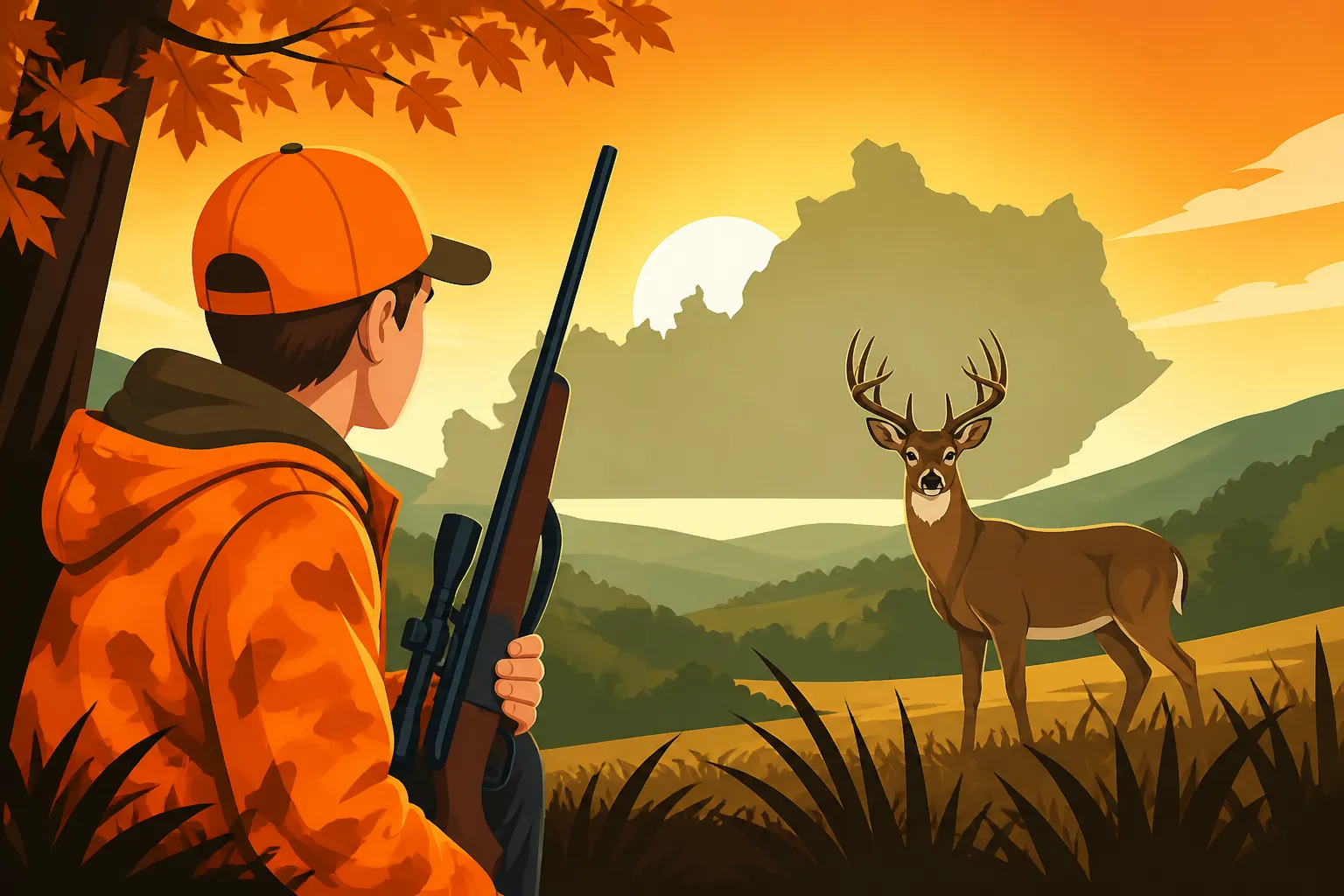
This special weekend, typically held in mid-December, is specifically for young hunters who haven't yet reached their 16th birthday. The best part? During this window, eligible youth don't need to purchase a hunting license or any additional permits, like a deer permit or turkey permit, to participate. This exemption is a huge relief for families, as the usual Kentucky Resident Hunting License Cost can add up, especially if you're just testing the waters. It's truly a free pass to get out there and hunt.
So, what can these eager young hunters pursue? The primary focus, and arguably the biggest draw, is white-tailed deer. This means youth can legally harvest deer during this period, adhering to county-specific bag limits and antler restrictions, which are determined by Kentucky Deer Management Zone Rules. But it's not just deer! This free weekend also extends to small game like rabbits and squirrels, and even provides an opportunity for hunting coyotes. It’s a diverse offering that allows mentors to tailor the experience to their young hunter's interests and skill level. Imagine the pure joy of a kid bagging their first squirrel or sitting patiently for a deer, all without the worry of license fees.
Why This Weekend is Such a Big Deal for Young Hunters
The Free December Youth Hunting Weekend isn't just a regulatory footnote; it's a cornerstone of youth hunter recruitment and retention in Kentucky. Think about it: many parents hesitate to invest in a full hunting license and multiple permits for a child who might only go out once or twice, or who is still learning if hunting is "their thing." This weekend eliminates that financial gamble, making it incredibly accessible. It transforms hunting from a potentially costly venture into an approachable, trial experience.
Beyond the cost savings, it creates a focused, special event just for youth. This sense of occasion can be incredibly motivating for young people. It's not just another day in the woods; it's their weekend. It allows mentors to dedicate time solely to their young protégé, focusing on teaching responsible hunting practices, firearm safety, and wildlife identification. It fosters a love for the outdoors and conservation from an early age, establishing a foundation that could lead to a lifetime of ethical hunting and appreciation for Kentucky's natural resources. It’s a chance to step away from screens and connect with the wild, learning patience and observation in a practical setting.
Key Rules and Regulations You Need to Know
While the "free" aspect is fantastic, it's crucial to remember that hunting isn't a free-for-all. Even during this special youth weekend, there are very specific rules and regulations that every mentor and young hunter must adhere to. Ignoring these rules not only puts you at risk of fines but, more importantly, can jeopardize safety and the future of youth hunting programs. It's about being informed and responsible, setting a good example for the next generation.
License and Permit Exemptions for Youth Hunters
As mentioned, the core benefit of this weekend is the exemption from needing various licenses and permits. Specifically, youth hunters under 16 years of age are not required to possess a statewide hunting license or deer permit. This applies to both resident and non-resident youth, making it inclusive for families visiting Kentucky. However, it's vital to check the current year's Kentucky Youth Firearms Weekend Dates, as these can sometimes shift slightly due to calendar alignments. Always consult the latest Kentucky Department of Fish and Wildlife Resources (KDFWR) hunting guide to confirm dates and any other specific rules for the upcoming season.
It’s also important to note that while the general hunting license and deer permit are waived, any other specialized permits that might be required for specific wildlife management areas (WMAs) or federal lands are still in effect. For instance, if you plan to hunt on certain federally managed properties like Land Between the Lakes, they may have their own permit requirements that are separate from state regulations. Always do your homework for the specific area you intend to hunt. This detail is often overlooked, so a quick check on the specific WMA or public land rules through resources like the Kentucky Hunt Fish App can save you a headache.
Mentor Requirements and Safety Guidelines
This isn't a "drop your kid off in the woods" situation. During the Free December Youth Hunting Weekend, all participating youth must be accompanied by an adult mentor. This adult must be 18 years of age or older, must be licensed to hunt in Kentucky, and must remain in a position to take immediate control of the hunting device. This means the mentor needs to be within audible and visual contact, close enough to intervene if necessary. The mentor, by carrying their own valid license and permits, effectively "covers" the youth hunter.
Safety is paramount, especially when introducing firearms or archery equipment to young people. Mentors should emphasize proper firearm handling, muzzle control, target identification, and understanding shooting zones. Kentucky Hunter Education Requirements are typically a prerequisite for purchasing a hunting license for those 12 and older, but for this specific free youth weekend, it's not strictly mandatory for the youth themselves to have completed it, as long as they are directly supervised. However, having completed a hunter education course is always highly recommended for foundational knowledge and safety.
Additionally, blaze orange requirements remain in effect. All hunters, including youth and their mentors, must wear hunter orange visible from all sides during any firearm deer season. How Much Blaze Orange Kentucky Requires typically means wearing solid visible orange (not camouflage orange) on the outer clothing above the waist. This is a non-negotiable safety measure to ensure visibility in the woods, especially when other hunters might be out.
Weapon Restrictions and Hunter Education Details
While the weekend offers a wide range of game, there are still rules about the types of weapons that can be used. For deer hunting during this firearms season, Kentucky's legal firearms for deer hunting generally include modern firearms, shotguns, muzzleloaders, and archery equipment. Straight-wall cartridge firearms are also a popular choice. Young hunters are permitted to use these legal weapons under the direct supervision of their licensed mentor.
It's crucial for mentors to ensure that the chosen weapon is appropriate for the youth's size and strength. A .30-06 might be too much for a smaller child, potentially leading to recoil aversion. Starting with a smaller caliber, like a .243, is often a better choice to build confidence and proficiency. This weekend is more about the experience and learning than it is about bringing down the biggest buck with the heaviest caliber.
As for hunter education, while not mandatory for the youth during this specific free weekend, it's important to understand the broader implications. To hunt independently in Kentucky, or to purchase a hunting license in future years once they turn 12, youth will need to complete a KDFWR-approved hunter education course. This free weekend can serve as an excellent "pre-education" experience, sparking their interest and making the formal course more meaningful later on.
| Aspect | Youth (Under 16) | Mentor (18+) |
|---|---|---|
| Hunting License | NOT Required | Required (Valid KY Hunting License) |
| Deer Permit | NOT Required | Required (Valid KY Deer Permit) |
| Turkey Permit | NOT Required (if applicable) | Required (if applicable for other seasons) |
| Hunter Education | Not required for this weekend | Recommended (required for mentor's own license) |
| Blaze Orange | Required | Required |
| Supervision | Mandatory, direct & immediate control | Must provide direct & immediate control |
| Weapon Restrictions | Must use legal weapons for species | Must ensure youth uses appropriate, legal weapon |
| Eligible Game | Deer, small game, coyote | N/A (mentor's license covers their own hunting) |
Planning for a Successful Youth Hunt in December
A successful youth hunt isn't solely defined by whether a deer is harvested. It's about the entire experience: the planning, the learning, the time spent together, and fostering a love for the outdoors. December in Kentucky can be challenging, with variable weather, so careful planning is essential to ensure comfort, safety, and enjoyment for everyone, especially the young hunter.
Pre-Season Scouting and Identifying Productive Areas
Even though it's a "free" weekend, putting in the groundwork beforehand can vastly improve the chances of seeing game and keeping a young hunter engaged. This means going out for some Scouting Kentucky Public Land Before Season, or even private land if you have permission, to look for deer sign. Focus on identifying late-season food sources for Kentucky whitetails, like remaining acorns, standing cornfields, or green plots planted specifically for deer. Deer in December are heavily focused on food and cover, as the rut has mostly subsided, and they're trying to put on weight for winter.
Look for bedding areas on south-facing slopes where deer can catch sunlight, or in thick cover that provides protection from cold winds. Funnels between bedding and feeding areas are always prime spots. You might use mapping tools like GoHunt to analyze aerial photos, identify natural travel corridors, and mark potential stand locations. Understanding how deer move in the colder months is key. You're not looking for rutting bucks; you're looking for survival-focused deer. This pre-season activity can be a fantastic way to involve your young hunter, teaching them about deer behavior and woodsmanship before the actual hunt even begins.
Essential Gear and Cold-Weather Comfort
December weather in Kentucky can be notoriously unpredictable. You might start the day with a frosty chill that melts into a mild afternoon, or you could be battling biting winds and sleet. Dressing for success is non-negotiable for a youth hunt. Layers are your best friend. Start with a moisture-wicking base layer, add an insulating mid-layer (fleece or down), and top it with a waterproof and windproof outer layer. Think about options like those from trusted brands like Sitka or First Lite, or even more budget-friendly brands that offer good warmth.
Beyond clothing, think about the small comforts that make a big difference. Hand warmers and foot warmers are absolute essentials. A comfortable, insulated seat cushion can make hours in a treestand or ground blind much more tolerable. Pack plenty of snacks and a thermos of hot chocolate or soup – these can be real morale boosters for a young hunter facing the cold. For Cold-Weather Sitting Strategy in Kentucky, remember that kids get cold faster than adults, so plan for shorter sits or incorporate movement to stay warm. Having good, insulated, waterproof boots is also critical for keeping feet dry and warm in potentially damp or cold conditions.
Making the Experience Fun and Educational, Not Just About the Kill
It’s easy to get caught up in the harvest, but for a youth hunt, the primary goal should always be education and enjoyment. If the young hunter is having fun and learning, they'll want to come back. If it's a miserable, cold, and unsuccessful grind, they might decide hunting isn't for them. Prioritize moments of teaching over moments of silence. Talk about tree identification, track recognition, bird calls, and the importance of conservation.
Bring a small pair of binoculars to help them glass distant areas or watch other wildlife. Point out interesting features in the landscape. Pack a good book about wildlife or a nature journal for quiet moments. If you’re not seeing deer, pivot to small game or even just a nature walk to explore. Remember, they are learning about the entire ecosystem, not just the target species. This foundational knowledge will make them better, more ethical hunters in the long run, and ensure they cherish these memories, regardless of whether they punch a tag.
Maximizing the Experience: Tips for Mentors and Young Hunters
The Free December Youth Hunting Weekend is a precious opportunity. As mentors, we have the chance to shape future conservationists and ethical hunters. Going beyond the basics and employing a few strategic approaches can transform a good outing into a truly exceptional, memorable experience for everyone involved.
Leveraging Technology for Scouting and Planning
In today's world, technology can be a powerful ally in the hunting woods. Before you even set foot in the field, use tools like GoHunt. This app can provide detailed topographic maps, aerial imagery, and property boundaries, helping you identify prime hunting locations, potential entry and exit routes, and even areas with less hunting pressure. You can mark waypoints for food sources, bedding areas, and natural funnels, creating a solid game plan.
During your hunt, GoHunt can help you navigate confidently, ensuring you stay on public land or within your permitted private property. It's an excellent way to teach young hunters about map reading and navigation, valuable skills that extend far beyond hunting. Showing them how to use such tools can also bridge the gap between their tech-savvy generation and traditional hunting practices, making the sport feel more modern and accessible. You can even use it to review the Kentucky Deer Herd Size data and historical harvest trends in your chosen county, giving your young hunter a sense of the potential they're hunting.
Understanding Deer Behavior in Late Season December
Deer behavior in December is markedly different from the frenzy of the rut. Bucks are typically recuperating, and all deer are focused on survival. They're trying to conserve energy and find reliable food sources. This means they often move during the warmest parts of the day, particularly if cold fronts roll through. Understanding this can influence your hunting strategy. Instead of long, cold morning sits, you might focus on midday movements, or even consider a gentle Deer Drives With Three or Four Hunters on a smaller, secluded woodlot to encourage deer movement if the conditions are right and it's safe to do so.
Look for areas of thick cover adjacent to food. Deer will bed in dense pines, cedar thickets, or deep draws where they are sheltered from wind and can catch a few rays of sun. Consider Hunting the Late-Season January Lull tactics that focus on these survival patterns, as December isn't far off from the even harder conditions of January. This is a perfect opportunity to teach your young hunter about the subtle nuances of deer patterns and how different environmental factors influence wildlife.
Beyond the Harvest: Learning and Conservation
While a successful harvest is exciting, the educational journey doesn't end there. If a deer is harvested, involve your young hunter in every step of the process. Teach them how to properly Field Dressing a Deer in Cold Weather, explaining why it's important for meat quality. Discuss the significance of ethical shots and quick, humane kills. Take them through the Telecheck process, explaining how reporting their harvest contributes to wildlife management and helps the KDFWR monitor deer populations.
Reinforce the idea that hunting is a privilege, not a right, and that conservation is at its heart. Talk about habitat, wildlife diseases, and how hunters' license fees and permits directly fund conservation efforts in Kentucky. This instills a sense of responsibility and stewardship. The Free December Youth Hunting Weekend is just one small piece of a much larger, ongoing commitment to ensuring healthy wildlife populations for generations to come. It’s an investment in their future as outdoors enthusiasts, creating a deeper appreciation for Kentucky's rich natural heritage.
Disclaimer
The information provided in this guide is for general informational purposes only and is not intended as legal advice. Hunting regulations, seasons, and licensing requirements can change frequently. Always consult the most current Kentucky Department of Fish and Wildlife Resources (KDFWR) official hunting guides, laws, and regulations before engaging in any hunting activities. It is the responsibility of each hunter to know and abide by all applicable laws.