Kentucky Youth Firearms Season Rules
Hunting with young people is one of the most rewarding experiences a mentor can have, but trying to decipher all the specific rules and regulations for Kentucky's youth firearms seasons can feel like navigating a dense thicket without a map. Parents and guardians often worry about age restrictions, supervision requirements, and exactly what kind of gear is legal, which can cast a shadow over what should be an exciting time for new hunters. This comprehensive guide aims to cut through that confusion, meticulously detailing Kentucky's Youth Firearms Season rules so that both aspiring young hunters and their adult companions are perfectly prepared for a safe, legal, and truly memorable time in the woods.
Understanding Youth Hunter Eligibility and Supervision
Bringing a young person into the hunting tradition is a privilege and a responsibility. Kentucky’s regulations are designed to ensure safety and provide a structured learning environment. It’s not just about what permits you need, but who qualifies to hunt and who needs to be right there with them in the field.
Age Requirements for Young Hunters
The Kentucky Department of Fish and Wildlife Resources (KDFWR) has specific age guidelines for youth participating in firearms deer seasons. Generally, any resident or nonresident hunter under the age of 16 can participate. This isn’t a blanket free-for-all, however; the rules shift slightly depending on the season and whether they've completed hunter education. For instance, a youth hunter needs to be at least 10 years old to hunt deer with a firearm, even during the dedicated youth firearms season. This age threshold is important because it aligns with a level of maturity and physical capability often necessary to safely handle a firearm and understand hunting ethics. It ensures that younger children aren't put into situations they aren't ready for, balancing opportunity with crucial safety considerations.
It's understandable if you're thinking, "What about my nine-year-old who's been practicing at the range all summer?" While their enthusiasm is fantastic, the KDFWR guidelines are firm on minimum ages for specific game and weapon types. This is where organizations like GoHunt become invaluable resources, often providing quick summaries of these regulations. For small game, the age restrictions are often less rigid, allowing younger kids to get introduced to hunting in a less high-stakes environment, but for big game like deer, the 10-year-old minimum for firearms is a hard rule.
Mandatory Adult Supervision Rules
This is perhaps one of the most critical aspects of youth hunting. For any hunter under the age of 12, direct supervision by an adult is always required, regardless of whether they’ve completed hunter education. This means the adult must be in a position to take immediate control of the firearm. When it comes to youth firearms deer season specifically, all hunters under 16 years of age must be accompanied by an adult 18 years of age or older. This accompanying adult doesn't have to be licensed to hunt themselves if they are not actively hunting, but they must be capable of exercising immediate control of the firearm. This rule isn't just a suggestion; it's a legal requirement designed to prevent accidents and ensure proper guidance during the hunt.
Imagine a scenario where a young hunter, say a 12-year-old, is set up in a ground blind during a crisp autumn morning. The supervising adult might be sitting right beside them, offering quiet instruction and ensuring safe firearm handling. The beauty of this regulation is that it fosters true mentorship in the field. It’s not just about being present; it’s about actively guiding the young hunter, teaching them everything from reading deer sign to proper shot placement and ethical decision-making. These moments are where the hunting tradition truly gets passed down.
The Role of an Apprentice Hunter License
Kentucky offers a fantastic pathway for those new to hunting, regardless of age, through the Kentucky Apprentice Hunter License Rules. This license is particularly beneficial for youth who haven't yet completed their hunter education course. It allows an individual to hunt for one license year without having passed a hunter education course, provided they are accompanied by an adult who is at least 18 years old and meets all hunter education requirements. This adult must stay within arm's reach of the apprentice hunter, reinforcing the direct supervision aspect.
While it's not strictly necessary for youth hunting during the dedicated youth firearms season if other criteria are met (like an adult mentor being present), the apprentice license can be a stepping stone. It removes a potential barrier to entry, allowing a young person to try hunting with their mentor before committing to the full hunter education course. This can be particularly helpful for families considering if hunting is the right fit for their child without the upfront time investment of a full course. It's a taste of the outdoors, under safe, guided conditions, before diving headfirst into all the requirements.
Key Dates and Species for Youth Firearms Season
Kentucky's hunting calendar can be a bit of a maze, but dedicated youth seasons are designed to give young hunters a unique, often less crowded, opportunity to pursue game. Knowing these specific windows and which species are fair game is crucial for planning your hunt.
Statewide Deer Season Dates for Youth
The Kentucky Youth Firearms Deer Season is typically a weekend-long event, usually falling in mid-October. This timing is strategic, often preceding the statewide modern gun season, giving young hunters a chance at deer before the woods fill with adult hunters. This year, for instance, it's set for October 12-13, 2024. During this special weekend, youth hunters can take one deer, either antlered or antlerless, provided they have the appropriate deer permit. This is a statewide season, meaning the rules generally apply across all deer management zones. However, it's still vital to check specific county regulations, as antler restrictions or bonus antlerless opportunities can sometimes vary slightly, though less common during the youth season itself.
This dedicated weekend is a fantastic initiative from KDFWR, and it’s a time I always look forward to. It’s often characterized by cooler weather, vibrant fall foliage, and less pressure on public lands compared to the general gun season. For a young hunter, having that dedicated time, knowing many other kids are out there learning alongside them, can be a really confidence-building experience. It truly emphasizes the importance of providing opportunities for the next generation of hunters, and many families use this weekend as their prime opportunity to get their kids into the woods. If you're looking for exact dates for planning, resources like the KDFWR website or platforms like GoHunt are typically the first place I check for the official Kentucky Youth Firearms Weekend Dates.
Turkey Hunting Opportunities for Youth
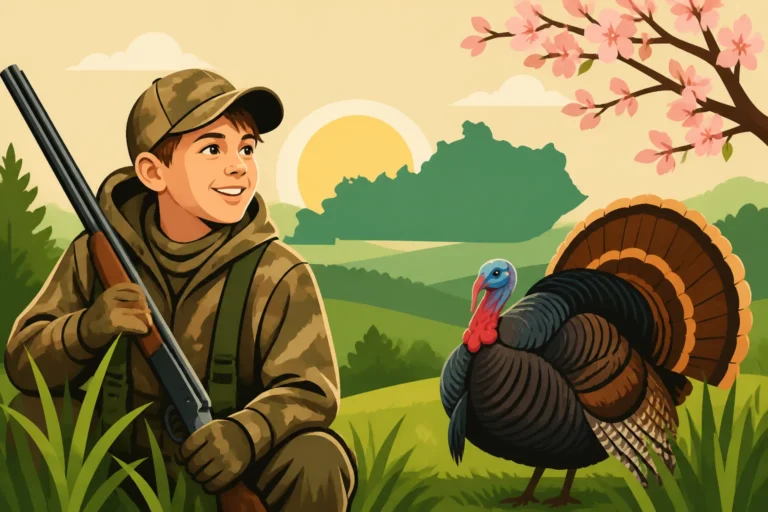
While the primary focus of the youth firearms season is often deer, it's worth noting that Kentucky also offers a dedicated Kentucky Youth Spring Turkey Weekend in the spring. This specific season, usually in April, allows hunters under 16 to pursue turkeys with a shotgun, often a week before the general statewide season opens. This gives them first crack at gobblers, often when they are still relatively unpressured and vocal. While it’s not part of the fall youth firearms deer season, it highlights Kentucky's commitment to youth hunting across different species and seasons.
For parents with kids interested in more than just deer, knowing about the spring youth turkey weekend is a game-changer. It means you can plan for two separate, dedicated youth hunting experiences throughout the year. The tactics for spring turkeys are completely different from deer – it’s all about calling, setting up decoys, and patience. This variety not only keeps young hunters engaged but also expands their knowledge of different hunting methods and game behaviors.
Small Game Options During Youth Firearms Season
While deer are the main attraction, it's important to remember that general small game seasons are often open concurrently with the youth firearms deer season. This means that if a young hunter isn't seeing deer, or if they simply want to broaden their experience, they can also pursue species like squirrels or rabbits, provided those seasons are open and they have the proper licenses. Of course, all applicable small game regulations regarding bag limits and weapon types must still be followed. This offers flexibility and ensures that even if the deer aren't cooperating, there's still an opportunity for success and engagement in the field.
I often encourage mentors to take advantage of these overlapping seasons. Imagine a situation where the deer aren't moving on opening morning of the youth deer season. Instead of getting discouraged, a young hunter could switch gears and spend an hour squirrel hunting. It keeps them active, teaches them different tracking and stalking skills, and often leads to success, which is incredibly important for building confidence in new hunters. It’s also a great way to introduce them to the broader world of hunting beyond just trophy animals, emphasizing the harvest for the table. It truly reflects the diverse opportunities outlined in a guide like Grouse and Small Game Hunting in Kentucky.
Legal Firearms, Ammunition, and Blaze Orange Requirements
Understanding what gear is permissible and what safety precautions are mandatory is non-negotiable for a safe and legal hunt. Kentucky has clear rules on firearms, ammunition, and visibility requirements for youth hunters.
Approved Firearms and Ammunition for Youth Deer Hunting
During Kentucky's youth firearms deer season, young hunters must adhere to the same legal firearms restrictions as adults during the Kentucky's Statewide Modern Gun Season or any general deer season. This means they can use centerfire rifles, shotguns (with slugs or sabots), muzzleloaders, and handguns that meet minimum caliber requirements. For rifles, commonly used calibers like .243, 6.5 Creedmoor, and .308 are popular choices, offering manageable recoil while still being highly effective for deer. Straight-wall cartridge firearms are also legal, which can be an excellent option for newer hunters due to their often lighter recoil and suitability for shorter-range timber hunting.
It's absolutely paramount that the chosen firearm is appropriate for the young hunter's size and strength. A rifle that's too heavy or has excessive recoil can lead to flinching, poor accuracy, and a negative experience. Many mentors wisely opt for lighter calibers or youth models with shorter stocks to ensure a comfortable and safe fit. Furthermore, the ammunition must be specifically designed for hunting deer and used in conjunction with the legal firearm. These details are often concisely presented on the KDFWR website and in handy apps like the one offered by GoHunt, which can help verify Kentucky Legal Firearms for Deer Hunting quickly in the field.
Blaze Orange and Blaze Pink Mandates
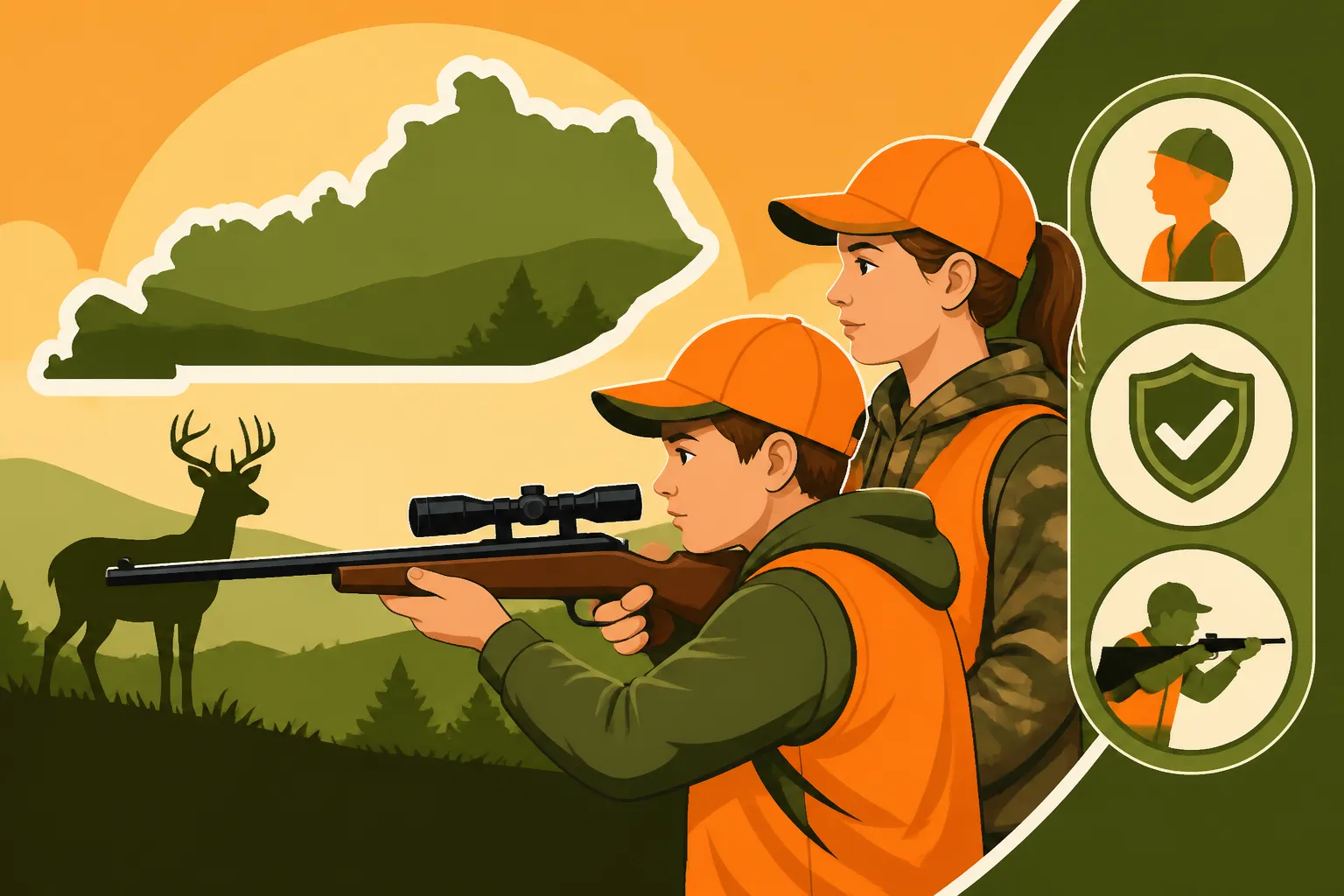
Safety is paramount, and in Kentucky, that means wearing blaze orange (or blaze pink) when hunting with a firearm. During the youth firearms deer season, all hunters, including youth and their supervising adults, are required to wear solid, unbroken blaze orange or blaze pink. This isn't just a suggestion; it’s a law designed to significantly increase visibility and reduce the risk of mistaken identity accidents. The regulations typically specify a minimum amount, often requiring an outer garment (like a vest or jacket) to be blaze orange/pink, visible from all sides.
It's not enough for just the young hunter to wear it; the accompanying adult must also be properly attired. This creates a highly visible hunting party, which is crucial, especially during any firearms season when other hunters may be in the vicinity. Many companies now make comfortable and quiet blaze orange/pink options that are suitable for hunting, so there's no excuse to skimp on this vital safety gear. Always double-check the specific requirements for How Much Blaze Orange Kentucky Requires before heading afield, because compliance is a simple yet effective way to protect everyone in the woods.
Understanding Firearm Safety Rules in the Field
Beyond the legal requirements of blaze orange and proper firearms, instilling a deep understanding of firearm safety is the mentor's most important task. The four cardinal rules of firearm safety – treat every firearm as if it's loaded, always point the muzzle in a safe direction, keep your finger off the trigger until ready to shoot, and be sure of your target and what's beyond it – must be recited and practiced constantly. For a young hunter, these aren't just rules; they are lifelines.
This means constant reinforcement: watching how they handle the gun when walking, ensuring they maintain proper muzzle control when sitting in a stand, and discussing shot angles and backstops before an animal is even in sight. Mentorship here goes beyond just "knowing" the rules; it's about internalizing them until safe firearm handling becomes second nature. A responsible adult ensures that the youth is not just told these rules, but shown how to apply them in every real-world scenario they encounter during the hunt. This foundational training, often reinforced through a Kentucky Hunter Education Requirements course, builds lifelong safe hunting habits.
Navigating Licenses, Permits, and Harvest Reporting
The administrative side of hunting can be daunting, even for seasoned hunters, and it’s no different for youth. Understanding what permits are needed and how to properly report a harvest is a critical part of the overall experience.
Essential Licenses and Deer Permits for Youth
Even during a dedicated youth season, young hunters need to be properly licensed and permitted. Generally, a Kentucky hunting license is required for anyone 16 years of age or older. For youth under 16, they may not need a general hunting license if they are accompanied by an adult, but they will need a statewide deer permit to harvest a deer. Many families opt for the Kentucky Sportsman's License Bundle, which often includes a general hunting license, big game permits, and even a fishing license, providing a comprehensive package for a full year of outdoor pursuits. This bundle can be an economical and convenient way to cover all the bases for the whole family.
It’s crucial to purchase these well in advance of the season. There’s nothing worse than waking up on opening morning only to realize you forgot a critical permit. The KDFWR website and authorized vendors make purchasing licenses straightforward. Remember, the deer permit allows the youth to take one deer during the youth firearms season (and other applicable deer seasons they qualify for based on weapon type and zone), so verifying its validity and proper purchase is a must. Organizations like GoHunt often streamline the process of finding out exactly Kentucky Hunting Licenses and What They Cost.
The Free Youth Hunting Weekend Explained
Beyond the dedicated youth firearms deer season in the fall, Kentucky also offers a special "Free Youth Hunting Weekend" in December, typically during the first or second full weekend of the month. This incredible opportunity allows hunters under the age of 16 to hunt deer, small game, and furbearers without needing a hunting license or any permits (though deer hunters still need to comply with species-specific tag rules, as outlined by KDFWR). This weekend is designed to truly eliminate financial barriers and encourage participation, especially for families who might be new to hunting.
For youth hunters, this can be an amazing opportunity to experience hunting without the initial investment in licenses. It's often during colder weather, meaning different tactics for deer, but the spirit of the season remains the same – introducing kids to the outdoors. The adult supervision rules still apply, with the adult needing to be 18 or older and accompanying the youth. This The Free December Youth Hunting Weekend is a fantastic way to cap off the year and introduce new participants to ethical hunting practices in Kentucky.
Telecheck and Harvest Reporting for Youth Kills
After a successful hunt, the excitement is often through the roof, but the work isn't quite done. Every deer harvested in Kentucky, including those taken by youth hunters, must be reported through the Telecheck system. This is a mandatory step that helps KDFWR manage deer populations and ensure compliance with regulations. The process is straightforward: hunters call a toll-free number or go online to the KDFWR website and provide information about their harvest, such as the date, county, and type of deer (antlered or antlerless). A confirmation number is then provided, which must be retained.
This reporting is not just a formality; it provides crucial data for wildlife biologists to monitor herd health and make informed management decisions for future hunting seasons. Teaching a young hunter to properly Reporting a Deer Through Kentucky Telecheck is an integral part of becoming a responsible hunter. It reinforces the idea that hunting is regulated and that each hunter contributes to wildlife conservation. Make sure to do this promptly, typically by midnight on the day the animal is recovered, to remain in compliance.
Encouraging Safe Practices and Ethical Hunting
Hunting is about so much more than pulling a trigger. It’s a holistic experience that demands respect for wildlife, adherence to safety, and a deep understanding of the environment. For young hunters, instilling these values from the outset is paramount.
Emphasizing Hunter Education and Preparation
While an apprentice license or free weekend might offer an initial taste of hunting, completing a certified hunter education course is the gold standard for long-term safety and knowledge. These courses cover everything from firearm safety and basic first aid to wildlife identification, conservation principles, and ethical considerations. For youth, it's not just a legal requirement for unsupervised hunting; it’s a foundational experience that builds confidence and competence. Many of these courses are offered by the KDFWR or accredited organizations and are often available in both in-person and online formats.
Preparing for the hunt also extends to scouting. Utilizing tools like GoHunt's mapping features or simply walking the woods beforehand helps young hunters understand habitat, identify potential deer movement patterns, and learn about the land they’ll be hunting. This preparation builds anticipation and gives them a sense of ownership over the hunt, making the experience more engaging and rewarding, whether it's setting up Treestand Setups in Daniel Boone National Forest or still-hunting Western Kentucky bottomlands.
Mentoring Beyond the Shot: Field Dressing and Meat Care
The moment a young hunter successfully harvests an animal is incredibly impactful. However, true mentorship doesn't end with the shot; it extends to the responsible care of the animal afterward. Teaching proper field dressing techniques, understanding how to handle venison in various temperatures, and emphasizing the importance of utilizing all parts of the animal are crucial lessons. This reinforces the ethical principle that hunting is about sustenance and respect, not just the thrill of the chase.
This can be a messy but invaluable part of the learning process. Showing a young hunter how to Field Dressing a Deer in Cold Weather, how to drag or transport the animal respectfully, and explaining why these steps are necessary instills a deeper appreciation for the animal and the food it provides. It transforms the harvest from merely "killing" an animal into "providing" for oneself and one's family, connecting them directly to the food chain in a meaningful way.
Fostering Respect for Wildlife and Regulations
Ultimately, the goal of introducing youth to hunting is to cultivate responsible stewards of our natural resources. This means fostering a deep respect for wildlife, their habitats, and the regulations that govern hunting. It’s about understanding the concept of Kentucky Deer Season Structure Explained and why bag limits exist, why certain seasons are timed as they are, and how their actions contribute to conservation. Discussions about fair chase, avoiding unnecessary suffering, and being a good ambassador for hunting are vital.
Encouraging youth to observe wildlife throughout the year, not just during hunting season, helps them develop a broader understanding and appreciation for animals. Teaching them about animal behavior, ecology, and the role hunters play in population management through organizations like KDFWR and the efforts of platforms like GoHunt helps paint a complete picture. This holistic approach ensures that young hunters develop into ethical, knowledgeable, and responsible participants in the proud tradition of hunting.
Here's a quick overview of some key aspects:
| Aspect | Description |
|---|---|
| Hunter Age | Generally, hunters under 16 can participate. At least 10 years old for firearms deer season. |
| Supervision | All youth under 16 require an accompanying adult (18+) capable of immediate firearm control. Adults do not need a hunting license if not actively hunting. |
| Licenses/Permits | Youth typically need a statewide deer permit to harvest deer. A general hunting license may not be required for youth under 16 if accompanied. The Sportsman's License Bundle is a popular option. |
| Youth Firearms Deer Season Dates | Typically a specific weekend in mid-October (e.g., October 12-13, 2024), statewide. Allows one deer (antlered or antlerless). |
| Free Youth Hunting Weekend | Special weekend in December (usually the first or second full weekend) where youth under 16 can hunt deer, small game, and furbearers without a hunting license or permits (deer tag rules still apply). |
| Legal Firearms | Same as adult modern gun season: centerfire rifles, shotguns (slugs/sabots), muzzleloaders, handguns meeting minimum caliber. Must be appropriate for youth's size and strength. |
| Blaze Orange/Pink | Mandatory for both youth and supervising adult during firearms seasons. Solid, unbroken outer garment visible from all sides. |
| Harvest Reporting | All harvested deer must be reported via Kentucky Telecheck by midnight on the day of recovery. Essential for wildlife management data. |
| Hunter Education | Strongly encouraged; required for unsupervised hunting (usually 12 and older). Apprentice Hunter Licenses allow supervised hunting before course completion. |
Disclaimer
Please remember that hunting regulations can change. While this guide provides comprehensive information based on current knowledge, always consult the official Kentucky Department of Fish and Wildlife Resources (KDFWR) regulations and guides for the most up-to-date and legally binding information before heading afield. Your safety and legal compliance are your responsibility.