Kentucky Late Muzzleloader Dates
Hunting in Kentucky during the late muzzleloader season can be a truly unique and rewarding experience, but navigating the specific dates and regulations can feel a bit like trying to read deer sign in fresh snow – tricky if you don't know what you're looking for. It’s easy to get lost in the nuances of statewide versus zone-specific rules, especially after the hustle and bustle of modern gun season has quieted down. This guide will meticulously break down the exact Kentucky late muzzleloader dates, explore the strategic advantages of hunting during this window, and equip you with the knowledge to make your late-season hunt a success.
Understanding Kentucky's Deer Season Structure
Kentucky's deer hunting seasons are thoughtfully structured to offer a variety of opportunities, from early archery to the often-chilly late muzzleloader period. It's not just a free-for-all; each season, including the specialized muzzleloader windows, plays a specific role in managing the state's robust white-tailed deer population. Knowing how these pieces fit together is crucial for any serious hunter looking to extend their time in the woods.
The Overall Framework of Deer Seasons
Our state offers a long, generous deer season, designed to provide ample opportunity for hunters with various preferences and equipment choices. It kicks off with When Kentucky's Archery Season Opens, typically in early September, and runs through mid-January. Within this expansive period, you'll find dedicated windows for archery and crossbow, a statewide modern gun season, youth firearms weekends, and, of course, two distinct muzzleloader opportunities. The early muzzleloader season is a short, concentrated window, often in October, that targets deer before the peak of the rut. The late muzzleloader season, however, is a different beast entirely, occurring after the main firearms push, and it's what we're diving into today. Understanding this broader context helps you see why the late muzzleloader period is positioned where it is and what makes it unique. It’s not just an afterthought; it’s a strategic opportunity to fill your freezer or chase that elusive late-season buck.
Deer Zones and Their Impact on Opportunity
Kentucky isn't a one-size-fits-all state when it comes to deer management. We have several Kentucky Deer Management Zone Rules that dictate everything from antlerless deer bag limits to season length in certain circumstances. While the statewide modern gun season and, generally, the late muzzleloader dates are consistent across most of the state, these zones can still influence your overall hunting strategy. For example, if you're hunting in a Zone 1 county, your ability to harvest antlerless deer might be significantly higher, which can be a real boon during the late muzzleloader season when deer often congregate in larger groups around prime food sources. Always check the specific regulations for the county you plan to hunt, as these details can change and directly impact your harvest potential. Tools like the Kentucky Department of Fish and Wildlife Resources (KDFWR) website or even a reliable mapping app like GoHunt can help you quickly verify these zone boundaries and their associated rules, ensuring you're always in compliance.
When the Late Muzzleloader Season Actually Happens
The late muzzleloader season in Kentucky is a specific, often chilly, window that many seasoned hunters look forward to. It’s a chance to get back into the woods after the flurry of modern gun season, offering a more primitive, yet incredibly effective, hunting experience. Pinpointing these exact dates is your first step to planning a successful late-season hunt.
Specific Dates and Duration
Typically, the late muzzleloader season in Kentucky opens in early to mid-December and runs for approximately seven consecutive days. It's designed to coincide with a period when deer have settled back into their patterns after the pressure of the general gun season, and before the real deep freeze of January sets in. For the 2023-2024 season, for instance, the Kentucky Late Muzzleloader Dates ran from December 9-15, which is a fairly standard timeframe. These dates are consistent statewide, meaning you don't have to worry about differing county regulations regarding the when of the season, only the what you can harvest (which we covered with the zone rules). This week-long window allows hunters a focused period to utilize their smoke poles and take advantage of deer congregating on late-season food. It's a fantastic opportunity that often flies under the radar for many.
Why It Falls When It Does
There’s a method to the KDFWR's madness when it comes to setting these season dates. The late muzzleloader season is strategically placed after the main firearms season to provide additional harvest opportunities while still balancing herd management goals. By this time, the peak of the rut has usually passed, and bucks are focused heavily on recovering energy and finding dependable food sources. The colder weather also helps with meat preservation, a practical consideration for hunters. Furthermore, it offers a distinct opportunity for hunters who prefer the challenge and tradition of muzzleloading, or those who simply missed out during earlier seasons. This placement helps spread out hunter pressure over a longer period, benefiting both the deer and the hunters by providing a more tranquil hunting experience with potentially less competition.
Key Regulatory Details for the Late Muzzleloader
Beyond just the dates, there are crucial regulatory details you absolutely need to be aware of for the late muzzleloader season. While the statewide dates simplify one aspect, understanding legal equipment and harvest reporting is paramount. During this season, hunters are generally permitted to take antlered deer and, depending on the deer zone, one or more antlerless deer. Remember, the general statewide rule for antlered deer is typically one per hunter, regardless of weapon type, so if you've already filled your buck tag during another season, you'll be focused solely on antlerless opportunities. All harvested deer must be reported via Kentucky Telecheck by midnight on the day the deer is recovered, as detailed in Kentucky Deer Harvest Reporting Rules. Keeping an eye on any Kentucky's Chronic Wasting Disease Surveillance Zone rules for specific counties is also vital, as these might mandate CWD testing or carcass movement restrictions. GoHunt's platform often provides easy access to these critical regulations, making pre-hunt checks much simpler and helping you stay informed.
Navigating Gear and Rules for Late Muzzleloader
Hunting with a muzzleloader is a distinct experience, demanding specific gear knowledge and adherence to its own set of rules. It’s not just about showing up with any old gun; understanding the legalities and practicalities of your setup is key to a safe and successful hunt during this late-season window.
Legal Muzzleloader Types and Ammunition
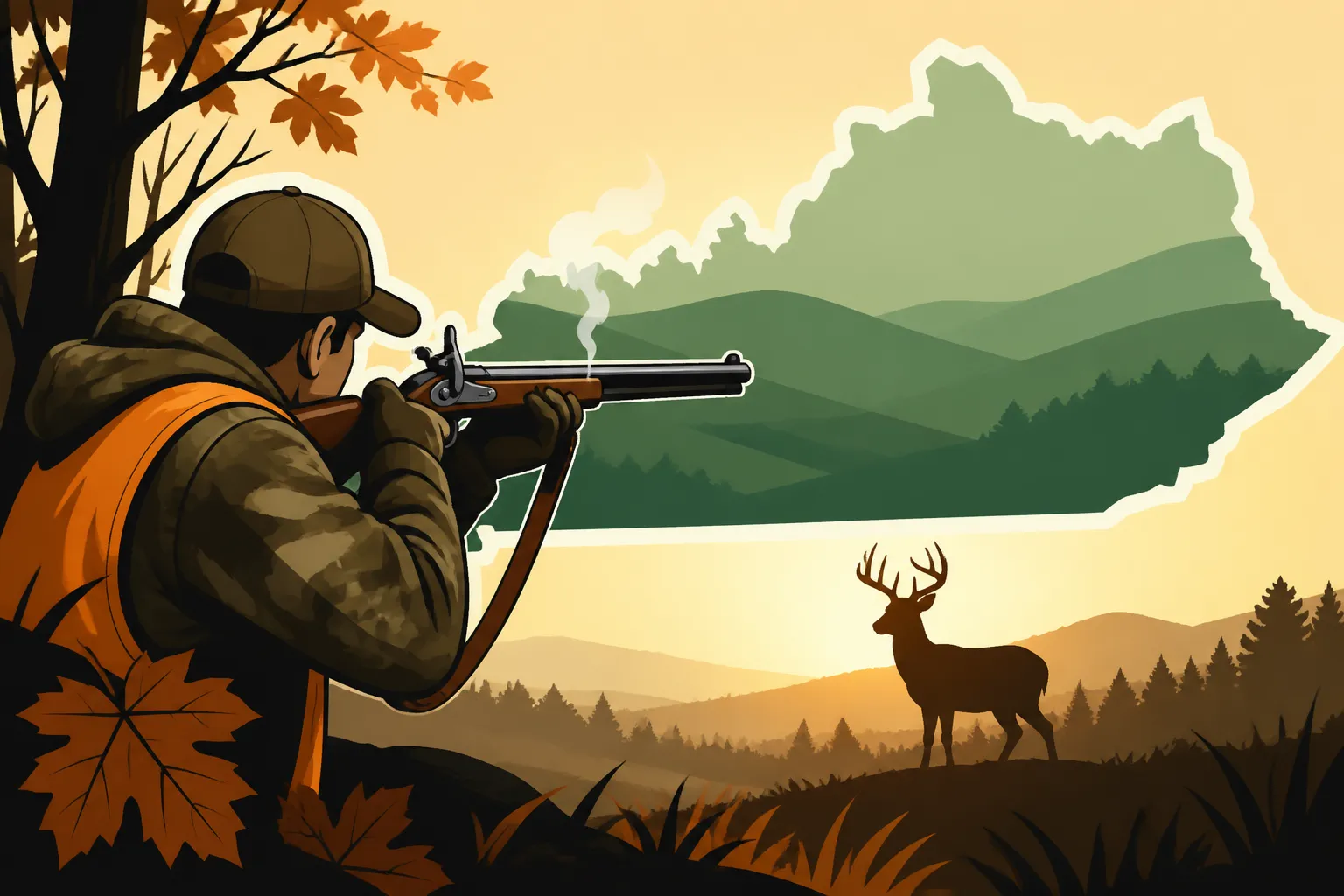
Kentucky's regulations for muzzleloaders are quite specific, and it's important to ensure your equipment falls within the legal definitions. Generally, legal muzzleloaders for deer hunting in Kentucky include traditional percussion cap or flintlock rifles, as well as modern in-line muzzleloaders. The critical factor is that the projectile must be loaded from the muzzle. Sabots are generally legal, allowing for modern bullet designs to be used in conjunction with your muzzleloader. However, always double-check the current year's hunting guide for any updates, especially concerning primer types or bore restrictions. Smokeless powder is typically not permitted in muzzleloaders during deer season in Kentucky; you'll need to use black powder or approved black powder substitutes like Pyrodex or Triple Seven. Making sure your Muzzleloaders for a Kentucky December are properly equipped and loaded is non-negotiable for compliance and effectiveness.
Blaze Orange Requirements
Safety is always paramount in the woods, and Kentucky has clear blaze orange requirements that apply to most firearms seasons, including late muzzleloader. During the late muzzleloader season, hunters are required to wear solid hunter orange (or hunter pink) that is visible from all sides. This typically means an outer garment such as a vest, jacket, or hat. The minimum amount of blaze orange (or pink) required is usually 500 square inches on the head, chest, and back. Even if you're alone in the deepest part of the Daniel Boone National Forest, wearing your orange isn't just about avoiding a citation; it's about making yourself visible to other hunters and significantly reducing the risk of accidental injury. You can learn more about these specifics in How Much Blaze Orange Kentucky Requires. Don't cut corners on this critical safety measure – your life, and the lives of others, depend on it.
Kentucky Hunter Education Requirements
Before you even step foot in the woods with a muzzleloader, or any firearm for that matter, you need to ensure you meet Kentucky's hunter education requirements. All hunters born on or after January 1, 1975, must successfully complete a hunter education course to hunt in Kentucky, with a few exceptions like the apprentice hunter license. This course covers vital topics such as firearm safety, wildlife identification, hunting ethics, and regulations. It’s a foundational requirement designed to ensure hunters are safe, responsible, and knowledgeable. Even if you're an experienced hunter from out of state, if you fall within that birthdate range, you'll need proof of completion from Kentucky or another state. This is a critical administrative step that needs to be taken care of well in advance of the season, alongside securing your Kentucky Resident Hunting License Options or non-resident permits. For details, consult Kentucky Hunter Education Requirements.
Strategic Hunting During the Late Muzzleloader Window
Hunting during the late muzzleloader season presents unique challenges and, consequently, unique opportunities. The landscape has changed dramatically since early archery, and your tactics need to adapt if you want to punch a tag in December.
Locating Late-Season Food Sources
By the time late muzzleloader rolls around, many natural food sources that were abundant earlier in the fall, like acorns, have been depleted or are covered by leaf litter or snow. Deer are highly focused on calorie intake to survive the colder temperatures. This makes finding dependable, high-energy food sources absolutely critical. Think about standing crops like corn or soybeans if you're hunting in agricultural areas. In timbered regions, deer will often hit remaining hard mast crops, browse on honeysuckle or greenbriar, or concentrate around green food plots, especially those planted with brassicas, winter wheat, or clover that remain palatable and nutritious in the cold. Identifying these "hot spots" is paramount for success. Using aerial maps on an app like GoHunt to scout for these specific features, even before the season, can give you a significant edge in figuring out Late-Season Food Sources for Kentucky Whitetails.
Dealing with Hunting Pressure and Weather
The late muzzleloader season usually follows the busiest modern gun season, so deer have likely experienced significant hunting pressure. This means they're often more nocturnal, more wary, and will seek out thick cover or less-pressured areas. You'll need to adapt your approach, focusing on patience and stealth. Furthermore, Kentucky weather in December can be fickle. You might face anything from crisp, sunny days to freezing rain or even snow. Dressing in layers, with good quality outer shell and insulating layers, is crucial for staying warm and comfortable during long sits. Paying attention to Cold-Weather Sitting Strategy in Kentucky will directly impact your ability to stay on stand and remain effective. Don't underestimate the impact of temperature, wind, and precipitation on both deer movement and your own endurance – preparation here makes all the difference.
Tracking and Recovery in Winter Conditions
One of the less glamorous but incredibly important aspects of late-season hunting is tracking and recovery. With potential snow cover or frozen ground, blood trails can sometimes be more challenging to follow. However, in other instances, a light dusting of snow can make tracks incredibly visible, revealing deer travel patterns you might otherwise miss. If you make a shot, give the deer ample time before tracking, especially if your shot wasn't ideal. The cold weather can work in your favor for preserving meat, but it doesn't mean a wounded deer won't travel far. Knowing how to effectively track a deer through Kentucky leaf litter or light snow, and having a plan for recovering it, is vital for ethical hunting. Always carry a good flashlight or headlamp, and consider marking your trail with flagging tape as you track, especially if you anticipate having to return to your vehicle for assistance.
Comparing Late Muzzleloader to Other Seasons
Understanding where the late muzzleloader season fits into Kentucky's overall hunting calendar means looking at its pros and cons relative to other popular seasons. It's not for everyone, but for many, it offers a distinct set of advantages and a different kind of challenge.
Advantages Over Modern Gun Season
While modern gun season offers wider shot opportunities and more flexibility in terms of weapon choice, the late muzzleloader season often comes with significantly reduced hunter pressure. After the frenzy of the November gun season, many hunters hang up their gear, leaving public lands and even some private tracts quieter. This can mean deer start to feel a bit more at ease, potentially returning to more predictable daytime patterns, especially around key food sources. Additionally, the limited range and single-shot nature of muzzleloaders mean a greater emphasis on stalking, calling, or careful stand placement, offering a more primitive and often more satisfying hunt. For those who enjoy a slower pace and a more traditional experience, late muzzleloader provides a refreshing change from the broad appeal of Kentucky's Statewide Modern Gun Season.
Differences from Early Muzzleloader
Kentucky's two muzzleloader seasons, early and late, offer vastly different hunting experiences. The early muzzleloader season, typically held in mid-October, often falls just before or at the very beginning of the primary rut. This means hunters are often targeting deer that are still in their early fall patterns, perhaps bachelor groups of bucks or does in family units, and are very food-focused. The weather is usually milder, and foliage is still thick. The Kentucky Early Muzzleloader Tactics often revolve around intercepting deer moving between bedding and early fall food sources. The late muzzleloader, by contrast, occurs when the rut is largely over, the weather is colder, and deer are primarily driven by survival and calorie intake. The hunting strategy shifts dramatically from rut-driven pursuits to finding concentrated food and shelter, making it a very different game.
Why Archery Hunters Might Cross Over
Many die-hard archery hunters, who might hunt Bowhunting Kentucky's Long Archery Season from September through January, often consider picking up a muzzleloader for this late-season window. Why? Because it offers a powerful primitive weapon option during a time when archery hunting can be particularly challenging. With cold weather often reducing deer movement during daylight hours and thicker clothing making archery shots more cumbersome, a muzzleloader provides an ethical and effective way to capitalize on those late-season patterns. It still offers a challenge similar to archery, requiring close encounters, but with a bit more punch and range than a bow, which can be reassuring when temperatures drop and opportunities are fewer. It's a great way to extend your "primitive weapons" season without fully transitioning to modern centerfire rifles.
Preparing for Success in the Late Muzzleloader Season
Just knowing the dates isn't enough; true success in the late muzzleloader season comes from dedicated preparation. From scouting to sighting in, every detail matters when conditions are often at their toughest.
Pre-Season Scouting for Late-Season Success
I can't stress this enough: scouting for late-season deer is different than scouting for the rut or early season. By December, deer patterns have likely changed dramatically. Food sources are depleted, and deer will be concentrated where the best remaining food and thermal cover can be found. This means getting out there before the season, or using your trail cameras throughout November, to locate these critical areas. Look for browse lines, fresh tracks in snow or mud around remaining food plots, dense conifer thickets for bedding, or south-facing slopes that offer warmth from the sun. Using mapping tools, like those found on GoHunt, to identify potential food sources, thickets, and travel corridors can be incredibly effective. Consider Scouting Kentucky Public Land Before Season with a late-season mindset, focusing on areas that offer sanctuary and sustenance.
Sighting In Your Muzzleloader
This might seem obvious, but it's astonishing how many hunters neglect to properly sight in their muzzleloader with the exact load they intend to use. Muzzleloaders can be finicky, and even a slight change in powder charge, bullet type, or even primer can dramatically alter your point of impact. Cold weather can also affect powder burn rates and projectile flight paths, so it's a good idea to shoot your muzzleloader in conditions as close to hunting conditions as possible. Practice shooting from various field positions, not just from a bench. Know your effective range, and stick to it. The single-shot nature of a muzzleloader means you often get only one chance, so make sure that shot counts. Don't let a missed opportunity be due to poor preparation at the range.
Physical and Mental Preparation
Late-season hunting can be physically demanding. Cold temperatures, potentially snowy or icy terrain, and long sits in a stand all require a certain level of physical fitness and mental fortitude. Make sure you're properly hydrated and fueled, and that your clothing system is adequate for staying warm and dry. Beyond the physical, the mental game is huge. It can be tough to stay positive when the deer aren't moving, or when the cold starts to seep into your bones. Remind yourself that late-season bucks are often bigger, wiser, and harder earned. The solitude and challenge of a Hunting the Late-Season January Lull can be incredibly rewarding. Cultivate patience, stay observant, and enjoy the quiet beauty of the winter woods – those moments often stick with you longer than the harvest itself.
Here's a quick look at the distinctions between Kentucky's two muzzleloader seasons:
| Feature | Early Muzzleloader (Typically Mid-October) | Late Muzzleloader (Typically Mid-December) |
|---|---|---|
| Typical Dates | Mid-October (e.g., 2nd weekend) | Mid-December (e.g., 2nd week) |
| Season Length | ~2 days (weekend only) | ~7 days (full week) |
| Primary Deer Behavior | Pre-rut, food-focused, establishing patterns | Post-rut recovery, survival, food & thermal cover focused |
| Weather Conditions | Milder, varying temperatures, potential for rain | Colder, higher chance of frost/snow/freezing rain |
| Foliage | Often still considerable leaf cover | Minimal foliage, open woods |
| Hunter Pressure | Moderate, before modern gun season peak | Lower, after modern gun season ends |
| Key Strategy | Intercepting travel between bedding/early food | Locating concentrated late-season food/cover |
Disclaimer
Please note that hunting regulations, dates, and requirements are subject to change by the Kentucky Department of Fish and Wildlife Resources (KDFWR). Always consult the most current KDFWR hunting guide or their official website before planning any hunting trip to ensure you have the most accurate and up-to-date information.