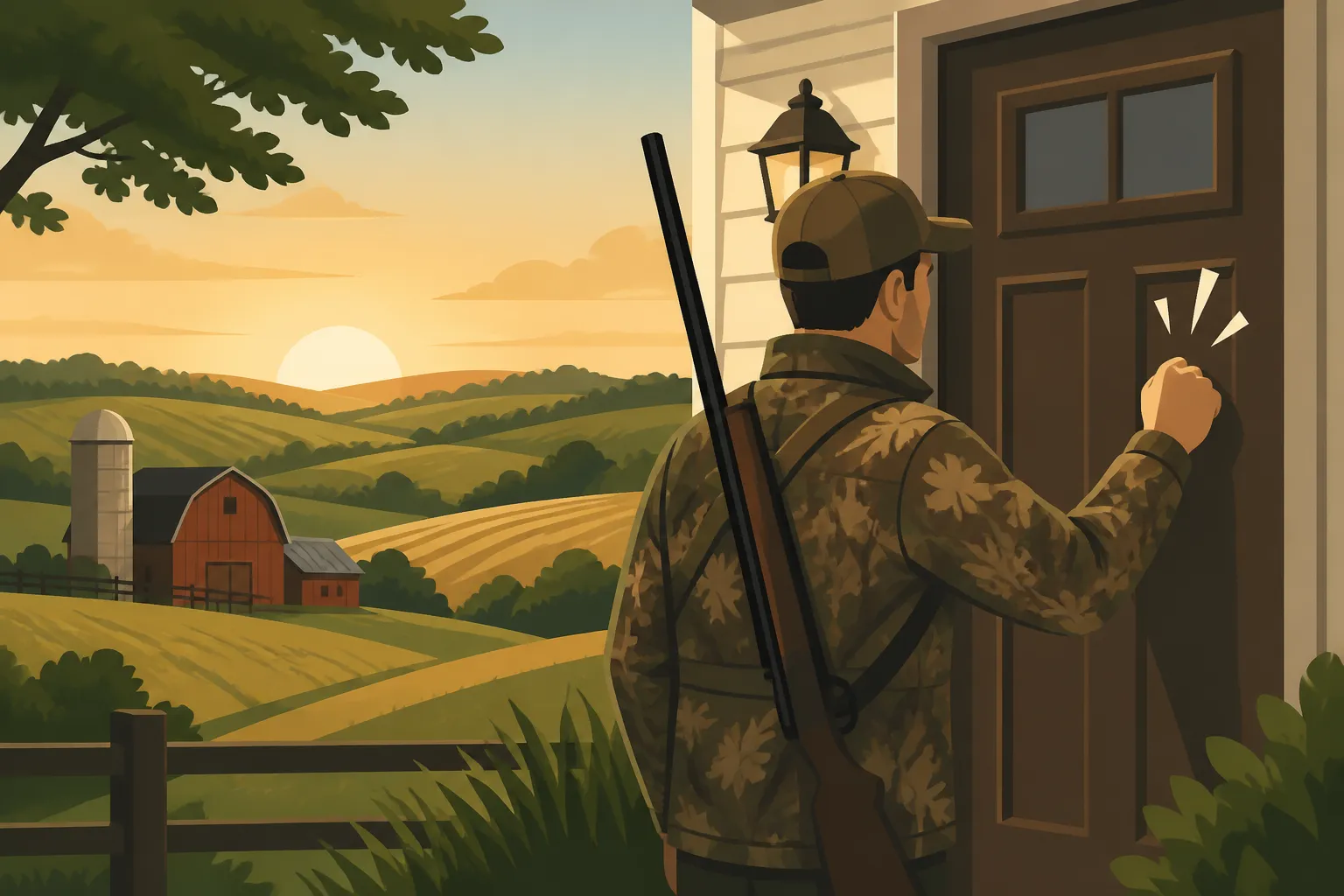
Knocking on Doors in Western Kentucky Farm Country
It's incredibly frustrating, isn't it? You spend hours online, pouring over maps, driving countless miles, only to see "No Hunting" signs plastered everywhere or endless tracts of prime-looking private land with no clear way to access it. Finding hunting ground, especially for deer and turkey, in the rich agricultural heartland of Western Kentucky can feel like hitting a brick wall. But don't give up! This guide is all about equipping you with the knowledge and confidence to overcome that hurdle by successfully knocking on doors in Western Kentucky farm country, turning those inaccessible fields and woodlots into your next hunting adventure.
Understanding the Western Kentucky Landscape and Its Landowners
Western Kentucky is a unique beast when it comes to hunting. Unlike the expansive public lands of Eastern Kentucky's mountains, this region is a patchwork of fertile farmland, dense river bottoms, and smaller woodlots. This topography creates specific challenges and opportunities for hunters seeking private land access.
The Unique Challenges of Farm Country Hunting Access
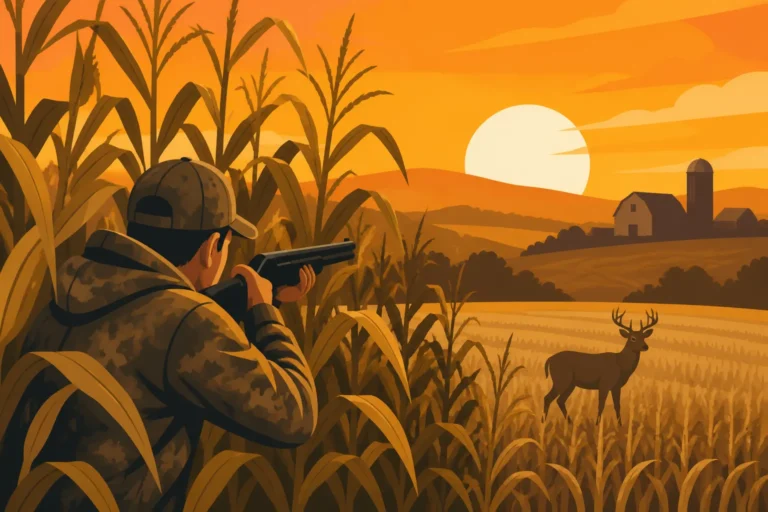
When you're looking at counties like Henderson, Union, Hopkins, or Graves, you're primarily seeing agriculture. Vast fields of corn, soybeans, and wheat stretch for miles, interspersed with hardwood creek bottoms and smaller timber blocks. While these areas are absolute magnets for deer, they're almost entirely privately owned. Public hunting areas, like parts of Land Between the Lakes Hunting or some of the smaller Wildlife Management Areas (WMAs) such as Sloughs WMA or Peabody WMA, exist, but they often see significant pressure.
The biggest challenge is simply getting your foot in the door. Many landowners have either had bad experiences with disrespectful hunters in the past, or they already have family or friends hunting their property. Liability concerns are also a very real consideration for farmers, who often worry about someone getting hurt on their land. It's easy to drive by gorgeous fields, teeming with deer, and feel utterly defeated, seeing no obvious avenue for permission. You're not alone in that feeling; it's a common hurdle for many hunters. But with the right approach, you can differentiate yourself from the masses.
What Motivates Western Kentucky Landowners?
Before you even think about knocking, put yourself in the landowner's shoes. What would make them say "yes" to a stranger? In agricultural regions, one of the most compelling motivations is often deer damage. Whitetails can wreak havoc on crops, especially during crucial growth stages of soybeans and corn. I've heard countless stories from farmers who've lost thousands of dollars in a single season to hungry deer. The Kentucky Department of Fish and Wildlife Resources even offers Kentucky Deer Damage Permits for Farmers to help landowners manage problem deer. Offering to help mitigate this issue can be a huge selling point.
Beyond crop damage, many landowners simply want responsible stewardship. They want someone who respects their property, their livestock, their family, and their way of life. They might be older and no longer able to hunt themselves, or they might simply be too busy running their farm. They're looking for someone trustworthy, safe, and considerate. While some might be open to a small lease fee, often the value proposition isn't monetary; it's about finding a reliable individual who acts like a partner in managing their land, not just a seasonal guest. Understanding these underlying motivations is your first step to unlocking private land access. Utilizing tools like GoHunt, you can even sometimes identify property owners online, allowing you to tailor your approach or even send an introductory letter before you ever set foot on their driveway.
Crafting Your Approach: Preparation is Key
Securing private land hunting permission isn't about luck; it's about preparation and presentation. You wouldn't show up to a job interview without a resume, and you shouldn't approach a landowner without having done your homework.
Scouting from Afar: Identifying Promising Properties
Before you even think about driving down a gravel lane, do your digital detective work. Tools like Google Earth, OnX Hunt, or GoHunt are invaluable. Spend hours poring over aerial maps, looking for key features in Western Kentucky. I look for thick creek bottoms that offer bedding and travel corridors, small isolated woodlots surrounded by crop fields, pinch points where deer are funneled between different cover types, and areas where multiple habitat types converge. Think about where deer would naturally want to be, especially those elusive mature bucks trying to avoid pressure. For instance, a small, thick briar patch in the middle of a sprawling cornfield can be a sanctuary. Consider how these features might be utilized by deer, much like you would if you were Reading Aerial Photos for Eastern Kentucky Deer, just with a flatter, more agricultural twist.
Beyond the digital scouting, respectful drive-by scouting is crucial. Drive the county roads, but do it slowly and observe. Look for properties that have good cover, active crop fields, and perhaps aren't already plastered with "No Trespassing" or "Hunting Leased" signs. Pay attention to how the land lays, where access points might be, and if there are obvious signs of livestock or other activities that might conflict with hunting. Note specific features you'd like to ask about. This level of detail shows you've put in the effort and aren't just blindly knocking on every door.
What to Bring and How to Present Yourself
Your personal presentation and the materials you bring are critical to making a good first impression. Forget the camo; dress cleanly and respectfully, almost as if you're attending a casual business meeting or a church service. Khakis and a clean polo shirt are a safe bet. You want to convey responsibility and trustworthiness, not a gung-ho hunter.
Here’s a checklist of what to bring:
- A Professional Introduction Letter (Optional but Recommended): A simple, one-page letter stating who you are, your purpose, and why you'd be a good, responsible hunter. Include your contact information. This is great to leave behind if no one is home.
- Liability Waiver: While Kentucky law does offer some protection to landowners who allow recreational use of their property, offering to sign a liability waiver yourself shows you understand their concerns and are willing to take responsibility. It speaks volumes about your seriousness. For specific legalities, you might want to understand Do You Need Written Permission in Kentucky? beforehand, as a signed waiver often serves this purpose.
- Identification: Always have your driver's license ready.
- References: If you've previously hunted private land for other landowners, ask them if they'd be willing to serve as a reference. A personal endorsement from another farmer can be gold.
- Property Map: This is where modern tech truly shines. Using GoHunt, OnX, or even a printed Google Earth map, have a clear aerial image of their specific property. Be able to point out the woodlot you're interested in, or the creek bottom you think deer are using. This shows incredible forethought and respect for their land, demonstrating you're not just guessing.
- Business Card: A simple card with your name, phone number, and email. It makes it easy for them to contact you later.
Think of yourself as building a professional relationship. These materials aren't just for you; they're to make the landowner feel comfortable and confident in your character.
The Art of the Knock: Making a Good Impression
This is the moment of truth. All your preparation leads to this doorstep. The actual conversation can feel intimidating, but remember, you're offering a service and potentially a solution to a problem they might have.
The Opening Conversation: Politeness and Purpose
Timing is everything. Avoid early mornings (farmers are often working) and mealtimes (lunch, dinner). Weekday late afternoons or weekend mid-mornings to mid-afternoons are generally best. When you arrive, park your vehicle in a way that doesn't block their driveway or look imposing. Walk up to the door confidently, but without aggression.
When someone answers, a friendly, respectful greeting is paramount. "Hello, Mr./Ms. [Last Name]? My name is [Your Name], and I apologize for bothering you, but I was hoping to speak with you for just a few minutes about hunting permission on your land." Immediately state your purpose, but do it politely and without demand.
The key to a successful conversation, as anyone who has been Asking a Kentucky Farmer for Permission will tell you, is to focus on their needs first. Instead of launching into how much you love hunting, start with an observation related to their property. "I noticed you have some beautiful corn fields, and I was wondering if you ever have any issues with deer coming in and causing damage?" This immediately frames you as someone who might be able to help solve a problem, rather than just someone wanting something from them. Listen intently to their response. Let them talk. This approach often lowers their guard and opens the door for a more productive conversation. If they say no, thank them for their time, leave your card or letter, and politely depart. Don't argue or try to change their mind.
Addressing Landowner Concerns and Building Trust
Once you've opened the conversation, be prepared to address their potential concerns head-on.
- Liability: Reiterate your offer to sign a liability waiver. If you carry personal hunting insurance (which is highly recommended), mention that. You can even explain that Kentucky law provides some protection to landowners who grant recreational access without charge.
- Respect for Property: This is huge. Emphasize that you will treat their land with the utmost respect. Promise to close all gates, drive slowly on farm roads, stay clear of livestock, and never drive on wet fields. Point to your map and discuss specific areas you'd be interested in, reassuring them you'll stick to agreed-upon boundaries. Using a tool like GoHunt or OnX, you can actually show them on the map where you intend to access and hunt, clearly delineating property lines.
- Safety: Highlight your commitment to safety. Mention you've completed hunter education (if applicable) and will always follow safe firearm practices. Explain your understanding of Kentucky Blaze Orange Requirements during gun seasons.
- Specifics of Your Hunt: Be clear about what you intend to hunt (deer, turkey, both), what weapon you'll use (bow only, modern gun during Kentucky Modern Gun Season Opening Day), and your hunting style (e.g., treestand hunting only, no deer drives). This transparency helps them understand what to expect. Reassure them you're not planning to bring a big group; it's just you or maybe one trusted partner.
- Communication: Offer to text or call every single time you plan to come out, giving them a heads-up. This is a small gesture that builds immense trust.
The goal here isn't just to get permission; it's to build a relationship based on trust and mutual respect. Show them you're a responsible, thoughtful individual who cares about their land as much as they do.
Maintaining the Relationship and Securing Future Access
Getting permission is only the first step. The true test of your success lies in how you maintain that relationship. A one-time hunt is nice, but long-term access to quality land in Western Kentucky is invaluable.
Respecting Boundaries and Proving Your Worth
You got the "yes" – fantastic! Now, every action you take on their property is a demonstration of whether they made the right decision. This is where you prove your worth.
- Follow through on every promise: If you said you'd park at the old barn, park at the old barn. If you said you'd only hunt the back woodlot, stay out of the front field. Close every gate, no exceptions. Drive slowly and carefully on their farm roads, always keeping an eye out for equipment, livestock, or family members.
- Communicate, communicate, communicate: Even if you said you'd call, send a text before each hunt to confirm you're coming and when you expect to leave. If you harvest an animal, inform them immediately, especially if it was a problem deer. This level of courtesy builds immense goodwill. When you are done for the day or the season, let them know.
- Leave no trace: Take out everything you bring in. This includes trash, empty shell casings, and even small things like candy wrappers. Go above and beyond and pick up any other litter you might spot, even if it's not yours.
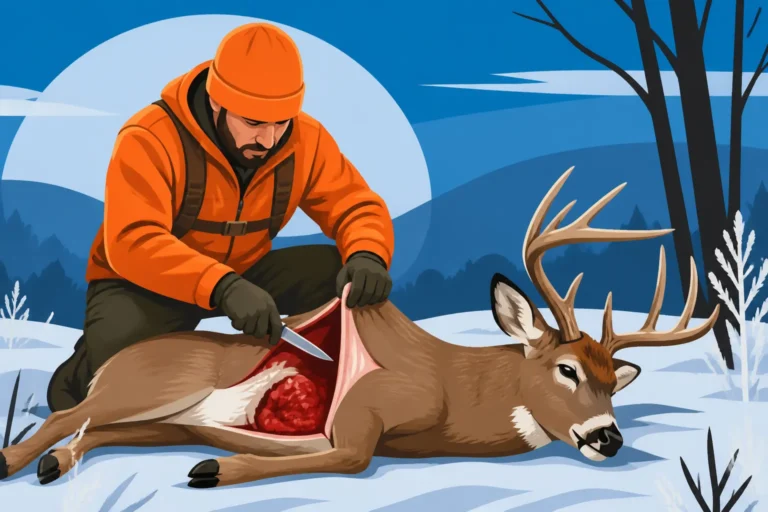
- Share the bounty (optional): This isn't a requirement, but offering a package of venison after a successful hunt can be a powerful gesture of thanks and appreciation. Many farm families grew up on wild game and truly appreciate the offer. After all, processing a deer and practicing good Field Dressing a Deer in Cold Weather leads to delicious meat.
Your actions speak louder than words. Consistently demonstrating respect and responsibility will solidify your reputation and significantly increase your chances of being welcomed back year after year within the Kentucky Deer Season Structure Explained.
Offering Value Beyond the Harvest
To truly cement a long-term relationship, think beyond just harvesting an animal. How can you genuinely be helpful?
- Offer small favors: If you're out scouting and notice a fence post down, offer to help fix it. See a stray cow near a broken fence? Notify the landowner immediately. Keep an eye out for anything unusual or suspicious. Many farmers are busy, and an extra set of responsible eyes on their property is a real asset.
- Share observations: If you notice signs of disease in the deer herd (and know what to look for, based on resources like Reporting a Sick Animal in Kentucky) or observe Wild Hogs in Kentucky moving onto their property, let them know. This information can be valuable for their overall land and herd management.
- Seasonal thanks: A thoughtful gesture at the end of the season can go a long way. This could be a gift basket, a gift card to a local hardware store or restaurant, or a thoughtful custom gift. It doesn't have to be expensive; the thought matters most.
- Be a good neighbor: Show up occasionally when it's not hunting season just to say hello, check in, and perhaps offer to help with a small task. This reinforces that you're not just a seasonal visitor but a respectful individual.
By consistently upholding your end of the bargain and offering genuine value, you're not just securing a hunting spot; you're building a lasting friendship. This kind of relationship is the golden ticket to consistent, high-quality private land hunting in Western Kentucky farm country, allowing you to bypass the competition for public land or expensive leases.
Here's a quick reference table to keep in mind when you're preparing for and executing your door-knocking strategy:
| DO | DON'T |
|---|---|
| Dress Cleanly & Respectfully | Wear camo or look unkempt |
| Go Prepared with Info & Materials | Show up empty-handed or unprepared |
| Start by Asking About Their Needs | Immediately ask for permission |
| Be Polite, Humble, & Respectful | Be demanding, arrogant, or pushy |
| Listen More Than You Talk | Monopolize the conversation |
| Offer Solutions to Concerns | Dismiss their worries (liability, safety) |
| Be Clear & Specific About Your Plans | Be vague or evasive about hunting intentions |
| Follow Through on Every Promise | Break rules, leave trash, or ignore requests |
| Communicate Before Every Hunt | Show up unannounced |
| Express Sincere Gratitude | Take access for granted |
Disclaimer
The information provided in this guide is for general informational purposes only and does not constitute legal advice. Hunting regulations, licensing requirements, and landowner liability laws can change. Always consult the most current Kentucky Department of Fish and Wildlife Resources regulations and, if necessary, seek legal counsel regarding specific situations or agreements with landowners. Your safety and adherence to all laws are your sole responsibility.