Hunting Pressure on Kentucky Public Land
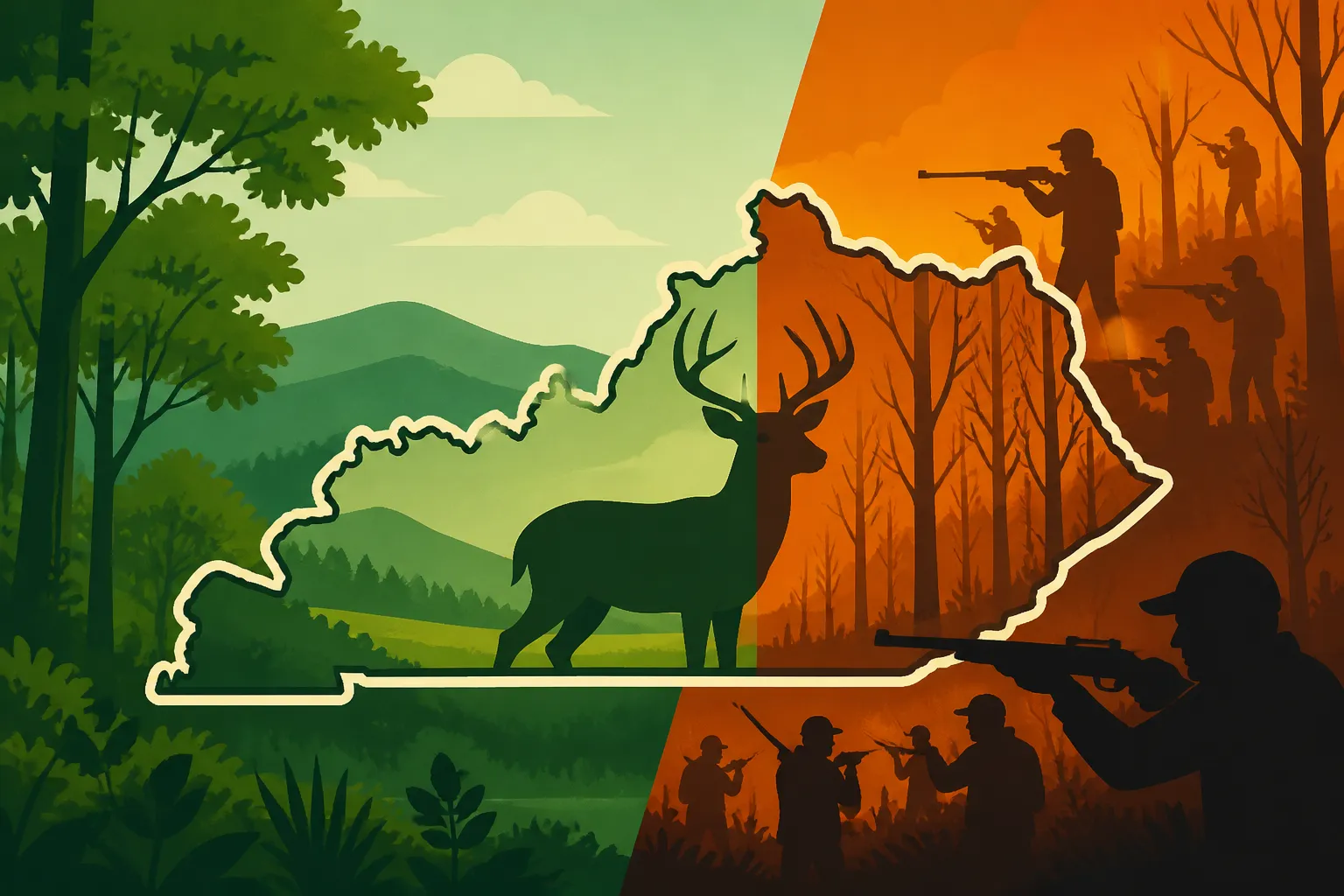
It’s a tale as old as time for many hunters in the Bluegrass State: you put in the time, scout hard, hang a stand, and then come opening day, you pull up to the parking lot only to find it overflowing with trucks. That sinking feeling of knowing your carefully planned spot is likely already occupied, or worse, completely blown out, is a shared frustration. This guide is all about tackling that exact problem, offering real-world strategies and insights into effectively navigating and mitigating hunting pressure on Kentucky’s public lands, so you can still find success and solitude.
Understanding the Reality of Public Land Pressure in Kentucky
Let's face it, Kentucky's public hunting lands are a precious resource, and as our hunting population grows, so does the competition for prime spots. It’s not just about more hunters; it's about hunter access, convenience, and the inherent draw of specific areas that make some spots feel like Grand Central Station during deer season.
Why Public Land Gets Crowded
The reasons for increased pressure on public lands are pretty straightforward once you think about them. For one, private land access is shrinking or becoming prohibitively expensive for many. Farmers and landowners are often more hesitant to allow strangers on their property, or they've leased out their hunting rights. This naturally funnels more hunters onto the land that's open to everyone. Add to that the growing interest in hunting, fueled by social media and a desire to connect with the outdoors, and you have a recipe for crowded woods.
Areas like Daniel Boone National Forest, while vast, have specific access points and popular ridges that become magnets for hunters. The same goes for many of our Wildlife Management Areas (WMAs). It's tough when you've invested your time and energy into scouting a perfect pinch point or a promising oak flat, only to arrive pre-dawn and see another hunter's headlamp bobbing towards the exact same location. This isn't a reflection of poor planning on your part; it's simply the reality of finite resources meeting increasing demand. Understanding this dynamic is the first step in learning how to work around it.
Identifying High-Pressure Areas and Times
Recognizing where and when hunting pressure is highest is crucial for avoiding it. Generally, any public land with easy access – think parking lots right off a main road, well-maintained forest roads, or ATV trails – will see significant pressure. The less effort required to get there, the more hunters you'll likely encounter. Areas within a reasonable drive of major population centers like Louisville, Lexington, or Bowling Green also tend to experience heavier foot traffic, especially on weekends.
Beyond location, timing is everything. Opening weekend of any major season, particularly Kentucky's modern gun deer season, is almost guaranteed to be a madhouse on popular public tracts. The same often applies to the first few days of archery and spring turkey seasons. Hunters are eager to hit the woods, and these initial surges can blow out an area for days, if not weeks. The Kentucky Hunt Fish App can show you WMA boundaries and access points, which, while helpful for planning, also highlights the areas that are most visible and therefore most likely to be pressured. Tools like GoHunt can further assist by allowing you to study terrain and identify areas that might be less accessible from main roads, offering a visual advantage in your scouting efforts.
Strategies for Escaping the Crowds and Finding Unpressured Game
The good news is that even on heavily pressured public lands, there are often pockets of undisturbed game. It just takes a different approach, a little more effort, and sometimes, a bit of discomfort to find them.
The Art of Deep Woods Penetration
When everyone else is stopping at the first good-looking ridge or hollow within a quarter-mile of their truck, you need to be willing to go further. This "mile in, mile out" philosophy isn't just a catchy phrase; it's a proven strategy. Most hunters are simply not willing to walk a mile, let alone two or three, into rugged terrain. That extra distance can put you into sanctuaries where deer, especially mature bucks, feel safe from human intrusion.
Utilize detailed topographic maps and aerial imagery, perhaps through platforms like GoHunt or onX Hunt, to identify these remote pockets. Look for features that create natural barriers to human travel: extremely steep hollows, dense thickets of young timber, rocky bluffs, or even swampy bottomlands that most hunters shy away from. These aren't always easy walks, but they are often where the unpressured game resides. When you are Scouting Kentucky Public Land Before Season, look beyond the obvious. Find those obscure fingers, the overlooked saddles, and the isolated benches that require a serious hike to reach. Remember, the tougher the access, the lower the pressure.
Hunting Mid-Week and During Off-Peak Hours
This might sound obvious, but it's incredibly effective. The vast majority of hunters are weekend warriors. By shifting your hunting schedule to weekdays, you can often find entire sections of public land virtually empty. Monday through Friday, especially outside of school holidays, sees a dramatic drop in hunter numbers. This can completely change the dynamic of an area, allowing deer to revert to more natural movement patterns.
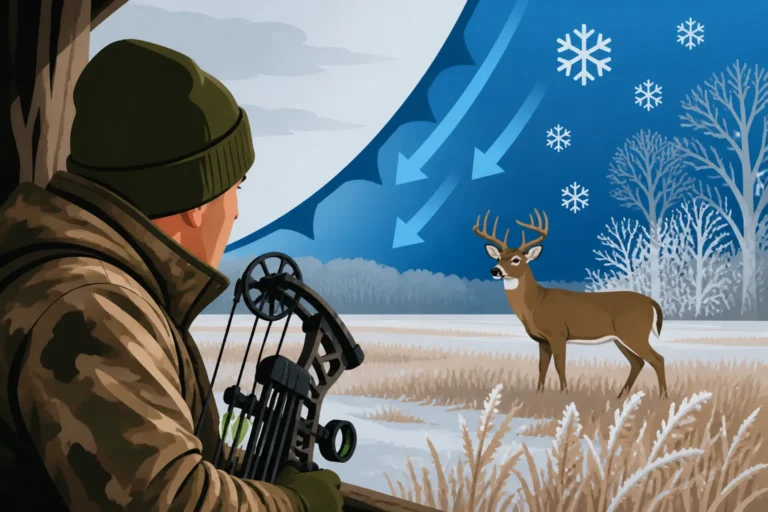
Consider hunting during less-than-ideal weather conditions as well. A light rain, a steady drizzle, or a moderate wind might deter fair-weather hunters, but for those willing to brave the elements, it can mean having the woods to yourself. Animals still need to eat and move in these conditions, and with fewer people out, your chances of encountering an undisturbed deer increase significantly. While most pressure builds in the morning, focusing on late afternoon hunts can also be beneficial, as many hunters leave the woods midday, giving animals a chance to settle back down before the evening feed. This is especially true during the Hunting the Late-Season January Lull, when many hunters have packed it in.
Utilizing Overlooked Habitat and Terrain
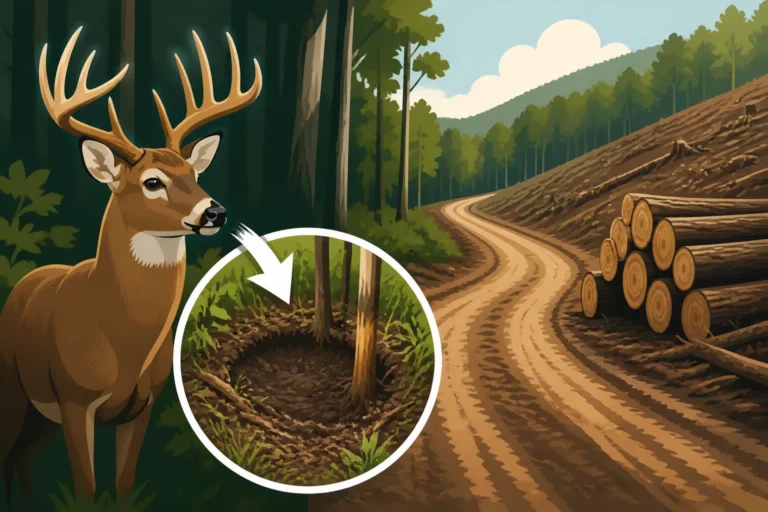
Pressured deer are smart; they quickly learn to avoid areas where they consistently encounter humans. This means they often abandon prime feeding or bedding areas if they're too exposed or frequently disturbed. Your goal is to find where they go instead. This often means focusing on less obvious, "ugly" habitat. Look for dense, thorny thickets, recent clear-cuts with thick regrowth, or small, overlooked stands of timber adjacent to private property. These areas might not look like classic big buck country, but they offer security cover that deer crave when pressure is high.
Animals will use transitional zones – the edges where different habitat types meet – or tight funnels to navigate between these security areas and their food sources. Your job is to locate these subtle travel corridors that others overlook. For instance, a small, choked-up creek bottom running between two steeper ridges might not be an obvious travel route, but for a buck trying to avoid human scent on the ridge tops, it could be a highway. Pay close attention to how deer move along these routes. Often, these areas are not far off the beaten path but simply require a more nuanced understanding of how deer use the landscape to avoid pressure. Finding a Hunting a Funnel Between Two Hollows that others miss can be a game-changer.
Advanced Tactics for Dealing with Hunting Pressure
Escaping pressure isn't always about walking further or hunting at odd hours. Sometimes, it’s about adapting your entire approach to the behavior of pressured animals and leveraging tools to gain an edge.
Adapt Your Approach to Pressured Animals
When deer are consistently pressured, their behavior changes dramatically. They become more nocturnal, moving primarily under the cover of darkness. During daylight hours, they become incredibly wary, sticking to the thickest cover possible and moving only when they feel absolutely safe. This means your traditional approach to hunting might need an overhaul. Instead of focusing on wide-open food plots or obvious travel corridors, you need to focus on ambush points closer to bedding areas or staging areas. These are spots where deer will "stage" up before moving to feed, often just minutes before dark, or where they'll filter back into bedding cover first thing in the morning.
Think about how you enter and exit your hunting area. Loud, crunching steps on dry leaves or a strong scent trail left by walking directly to your stand can blow out an area before you even climb up. Instead, plan quieter entry and exit routes, perhaps using a creek bed, a field edge, or a logging road that allows for a less intrusive approach. Deer are hyper-aware of changes in their environment, and minimizing your impact is paramount. Consider where they might stage before heading into a standing bean field, looking for an Entry Routes Through Standing Beans that minimizes your disturbance.
Leveraging Technology for Advantage
In today's hunting world, technology isn't just a convenience; it's a powerful tool for outsmarting hunting pressure. Mapping applications like GoHunt, onX Hunt, or the Kentucky Hunt Fish App are indispensable. They allow you to layer public and private land boundaries, view detailed topographic maps, and examine satellite imagery to an extent that was impossible just a decade ago. You can identify potential bedding areas, intricate travel corridors, hidden water sources, and, most importantly, remote access points that other hunters might overlook.
For example, using these apps, you can trace contours, find isolated ridge points, or identify benches far from any road that might hold deer seeking refuge. You can mark potential stand sites, plan your approach and exit routes to minimize disturbance, and even study historical aerial photos to see changes in timber cuts or crop rotations. Furthermore, understanding Wind and Thermals on a Kentucky Ridge is critical, and many weather apps can now give you hyper-local wind direction and thermal predictions, which is vital when setting up on pressured animals. Scouting With the Kentucky Hunt Fish App can give you basic info, but GoHunt and onX provide the depth needed for micro-level planning.
Considering "Micro" Public Land Opportunities
While large tracts like Daniel Boone National Forest get all the glory, don't overlook the smaller, often fragmented pieces of public land that dot the Kentucky landscape. These can be small WMAs, conservation easements, flood control lands around major lakes, or even utility rights-of-way that are open to hunting. Many hunters dismiss these areas because they seem too small to hold significant game, or they require extra effort to research specific regulations.
However, it's precisely this perception that makes them gold mines for less pressured animals. Deer, especially, will often utilize these small woodlots or pockets of cover as sanctuaries if they offer enough security. They might feed on adjacent private land and retreat to these "micro" public parcels during hunting hours. These spots require meticulous scouting and a willingness to knock on doors for permission to cross private land to access them, but the reward can be an unpressured hunting experience right under the noses of other hunters. Even if it's just a few dozen acres, a Hunting Small Woodlots Near Suburban Louisville can be surprisingly productive.
Public Land Pressure Management and Community
While individual tactics are key, understanding the broader context of public land management and being a good steward of the resource also plays a role in managing pressure.
Ethical Considerations and Hunter Etiquette
Dealing with hunting pressure isn't just about avoiding other hunters; it's also about how you interact with them. Even if you've walked two miles deep, you might still encounter someone. Good hunter etiquette is essential. This means avoiding "sky-lining" yourself on a ridge where you might silhouette another hunter, not setting up too close to an obvious existing stand, and being mindful of noise. If you see another truck in a parking area, consider having a backup plan to head to a different spot, or at least giving them a wide berth.
If you encounter another hunter in the woods, a simple, respectful greeting is usually best. Don't confront or argue; just acknowledge their presence and perhaps adjust your plan if necessary. Proper parking, keeping your trash with you, and ensuring you know how to Tracking a Deer Through Kentucky Leaf Litter quietly are all part of being a responsible public land user. The shared enjoyment of our public lands depends on mutual respect and understanding, especially when Opening Weekend Crowds on Kentucky Public Land can test everyone's patience.
The Role of Wildlife Management Areas in Mitigating Pressure
The Kentucky Department of Fish and Wildlife Resources (KDFWR) plays a critical role in managing our public lands, including WMAs, to balance hunter access with quality hunting opportunities. They implement various strategies to manage pressure, though it’s a constant challenge. This can include specific regulations for certain WMAs, such as requiring a WMA permit, implementing quota hunts for deer or elk, or even restricting certain types of hunting (like dog hunting) in specific areas.
These rules, while sometimes inconvenient, are designed to distribute pressure, reduce overharvest, and provide a better experience for all users. Understanding How Kentucky WMAs Are Managed and their specific rules is vital. Some WMAs might also have areas designated as refuges or closed zones, which, while off-limits to hunting, can serve as bedding sanctuaries that funnel animals into adjacent huntable areas, further influencing animal movement in response to pressure. By staying informed and abiding by these regulations, hunters contribute to the overall health of the resource and help mitigate the negative impacts of crowding.
| Characteristic | High-Pressure Areas | Low-Pressure Areas (Goal) |
|---|---|---|
| Access | Easy, paved roads, large parking lots, well-maintained trails. | Difficult, unimproved roads, small or no parking, rugged terrain, thick cover. |
| Time of Hunt | Opening weekends, holidays, first and last hours of daylight. | Mid-week, foul weather, mid-day, off-season scouting. |
| Terrain | Gentle slopes, open timber, obvious travel corridors, clearings. | Steep hollows, dense thickets, rocky bluffs, swamps, isolated benches. |
| Deer Movement | Primarily nocturnal, extremely wary, using thickest cover. | More natural, day and night movement, utilizing a broader range of habitat. |
| Hunter Presence | Frequent sightings of other hunters, trash, old stands. | Rare encounters, pristine environment, minimal human sign. |
| Technology Use | Basic mapping for access. | Advanced mapping (GoHunt, onX) for micro-terrain analysis, detailed planning. |
Disclaimer
The information provided in this guide is for general educational and informational purposes only. Hunting regulations and conditions in Kentucky are subject to change. Always consult the most current Kentucky Department of Fish and Wildlife Resources (KDFWR) regulations before planning any hunting trip. It is your responsibility to understand and comply with all applicable laws and regulations. Stay safe and hunt ethically.