Rabbit Hunting Thick Kentucky Brush
There's a special kind of challenge that comes with rabbit hunting here in Kentucky, isn't there? It's not always open fields and easy shots. More often than not, it means diving headfirst into dense, tangled thickets of briars, honeysuckle, and general undergrowth that seem determined to keep you from your quarry. Trying to bust through those impenetrable patches can be frustrating, leaving you scratched, snagged, and often empty-handed if you don't know the tricks of the trade. This guide is all about equipping you with the knowledge and strategies to confidently tackle Kentucky's thickest rabbit cover, turning those frustrating experiences into successful, memorable hunts.
Understanding Kentucky's Prime Rabbit Habitat
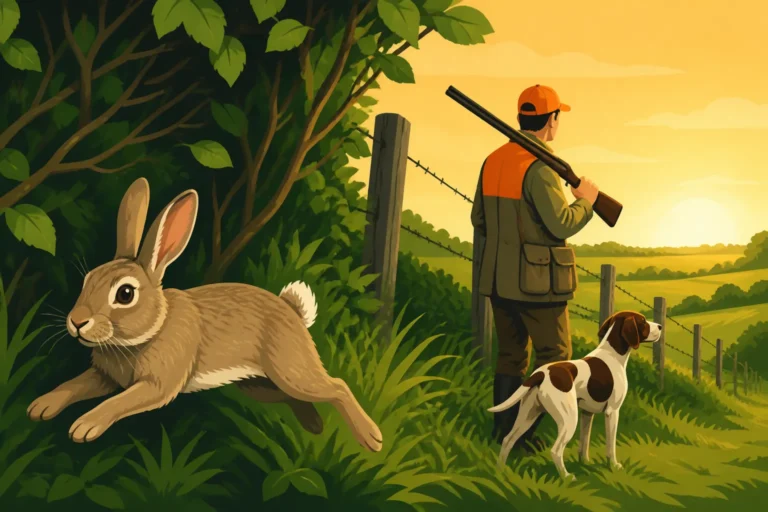
When we talk about "thick Kentucky brush" for rabbit hunting, we're not just vaguely describing some woods. We're pinpointing specific types of dense cover that cottontails absolutely thrive in. Think about those areas on the edges of fields, old fencerows that have grown wild, or creek bottoms choked with tangled vines and fallen timber. These aren't just random patches; they are carefully selected havens for rabbits, offering everything they need to survive and, hopefully for us, multiply.
Kentucky's landscape is dotted with these perfect rabbit strongholds. You'll find dense blackberry brambles along neglected field edges, sprawling patches of multiflora rose that seem to swallow small trees whole, and the ever-present honeysuckle that forms an almost impenetrable mat in many areas. Regenerating clear-cuts, where young saplings and briars shoot up after timber has been harvested, also create fantastic habitat. Even seemingly sparse woodlots can have incredibly thick undergrowth, especially where sunlight penetrates to the forest floor. These are the places where rabbits feel safest, hidden from the watchful eyes of hawks overhead and the keen noses of coyotes, foxes, and even domestic dogs.
Rabbits choose these dense spots for very good reasons. First and foremost, it's supreme escape cover. When a predator approaches, a rabbit's first instinct is to dive into the thickest, thorniest patch it can find. This dense vegetation provides a physical barrier, slowing down or completely deterring predators. Beyond safety, these areas also offer vital food sources. Within these tangles, you'll often find tender shoots, young clovers, and various weeds that make up a significant portion of a rabbit's diet. Lastly, this thick cover acts as thermal insulation. It keeps them warm during biting winter winds and provides essential shade during the scorching heat of a Kentucky summer. Learning to identify these specific types of cover, whether through scouting on foot or using mapping tools like GoHunt to analyze aerial imagery for dense green patches and neglected corners, is the first step to successful rabbit hunting.
When scouting for rabbit sign in these heavy cover areas, keep an eye out for tell-tale indicators. Small, round droppings often indicate a rabbit bedding area or frequent travel path. Clipped vegetation, especially small twigs or tender shoots cut at a clean angle, is another clear sign of rabbit activity. If you look closely, you might even spot "runways" – small, worn paths tunneling through the dense undergrowth, leading from feeding areas to deeper cover. These runways are critical, as they dictate where a rabbit might bolt when pressured. Focus your efforts where these signs are abundant, particularly in transition zones where thick cover meets a more open food source.
Essential Gear for Busting Through the Brush
Successfully hunting rabbits in Kentucky's thickest brush isn't just about finding the bunnies; it's about being prepared for the environment itself. The right gear isn't a luxury; it's an absolute necessity to stay comfortable, safe, and effective. Without proper protection, you'll end up a scratched-up mess, and your hunt will be cut short by discomfort or even injury.
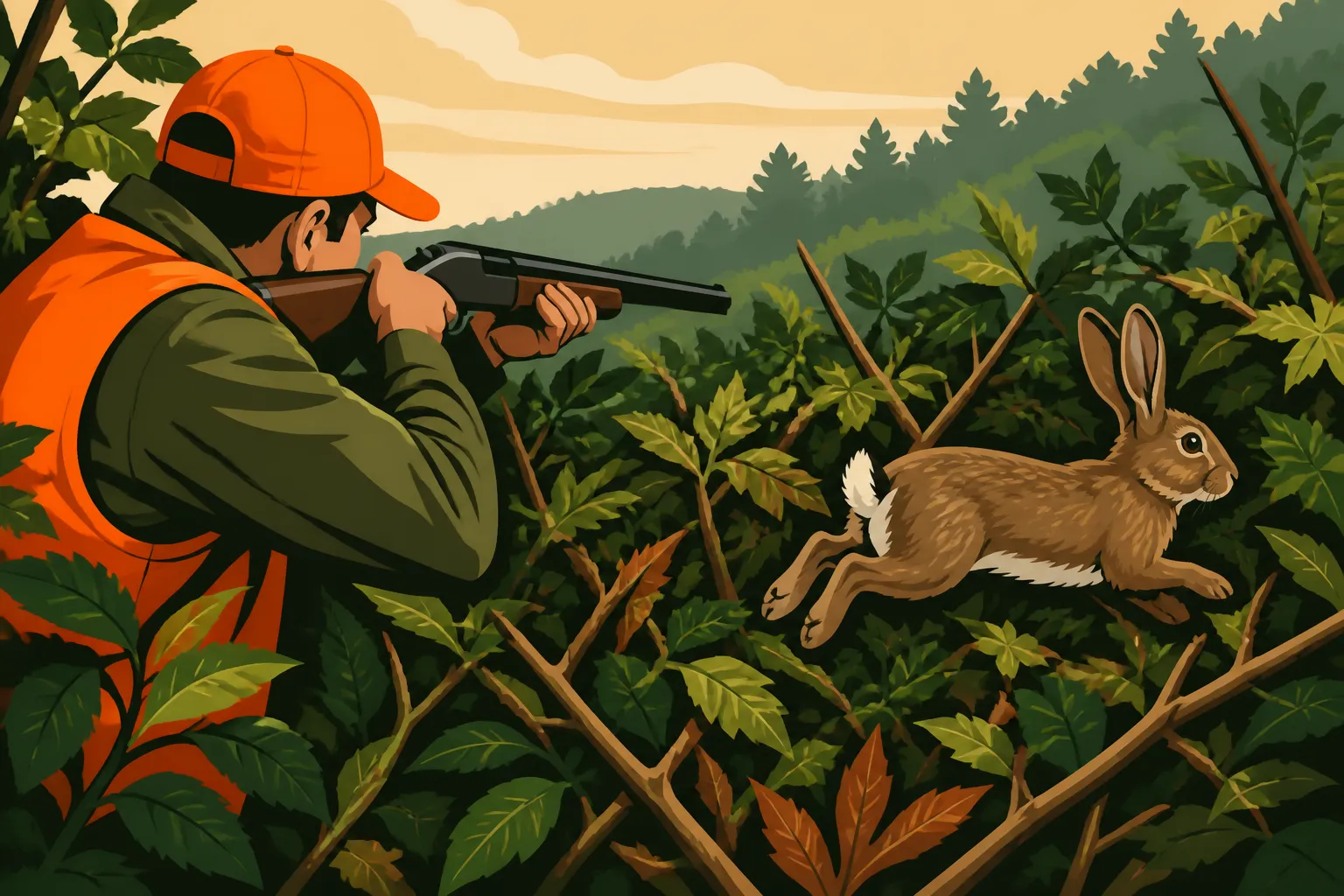
First up, let's talk about your firearm. For rabbits in thick cover, a lightweight, maneuverable shotgun is your best friend. Heavy, long-barreled guns are just going to snag on every vine and branch, making it nearly impossible to swing on a fast-moving rabbit. A shotgun with a 24 to 26-inch barrel is ideal, allowing for quick pointing and easy navigation through tight spaces. Most hunters opt for a 12-gauge or 20-gauge. While some prefer the lighter recoil of a 20-gauge, the 12-gauge offers a bit more flexibility in terms of load options and pellet count, which can be advantageous when you're trying to get a pattern through some twigs. When it comes to ammunition, Shot Size for Squirrel and Rabbit typically falls into the #6 or #7.5 range. In dense cover, where your shots are almost always close-range and often through some light obstruction, a heavier load with plenty of pellets can increase your chances of connecting.
The clothing you wear is arguably the most critical component for brush hunting. Forget your standard hunting clothes; you need serious protection. Briar-proof pants, often made from rugged canvas, heavy-duty nylon, or specialized brush chaps, are non-negotiable. Brands like Dan's Hunting Gear or Filson offer excellent options designed to repel thorns and withstand countless scrapes. Pair these with durable, waterproof boots that offer excellent ankle support, because the ground under that thick brush is often uneven, riddled with holes, and slippery. Think about something like a good pair of LaCrosse Alpha Burly Pro boots for comfort and protection from moisture. A briar-proof vest or jacket is also highly recommended, especially if you're pushing through chest-high tangles. It's about creating a protective shell around yourself. For more insights on footwear, you might want to read Boots for Kentucky Hollows and Creek Bottoms, and for specialized legwear, check out Brush Pants for Kentucky Fencerows.
And please, never, ever forget eye protection. Even if you wear glasses, a good pair of shooting glasses or safety glasses with side shields can prevent a painful and potentially serious eye injury from a whipping branch or a forgotten thorn. Gloves are another small but mighty piece of gear. Thorns, splinters, and rough bark can quickly tear up unprotected hands, making even simple tasks painful. Finally, in these dense areas, it's incredibly easy to get turned around, especially when you're focused on flushing a rabbit. A reliable GPS unit or a mapping app on your phone, like the features available through GoHunt, is invaluable for navigation. These tools can show you property lines, your exact location, and help you find your way back to your vehicle or a rendezvous point. Always carry water, even on cool days, as pushing through thick cover is strenuous work, and a small first-aid kit with bandages and antiseptic for inevitable scrapes and punctures is a wise addition to your pack.
| Gear Item | Purpose in Thick Brush | Key Features to Look For |
|---|---|---|
| Shotgun | Quick handling, effective at close range | 12- or 20-gauge, 24-26 inch barrel, open choke (cylinder/improved) |
| Ammunition | Good pattern density for close shots | #6 or #7.5 shot, high brass for heavier loads |
| Briar-Proof Pants | Protect legs from thorns, sharp sticks | Heavy canvas, Cordura nylon, brush chaps, reinforced knees |
| Durable Boots | Ankle support, traction, waterproof protection | Waterproof leather or rubber, aggressive tread, ankle-high |
| Briar Vest/Jacket | Chest and arm protection from dense vegetation | Tough outer shell, multiple pockets, blaze orange (if required) |
| Eye Protection | Prevents eye injuries from whipping branches, thorns | ANSI-rated safety glasses, clear or amber tint |
| Gloves | Hand protection from thorns, splinters, cold | Leather or synthetic, reinforced palms |
| GPS/Mapping App | Navigation, identifying property lines, tracking movement | Offline maps, boundary overlays (GoHunt is excellent here) |
| Small First-Aid Kit | Addresses minor cuts, scrapes, and punctures | Bandages, antiseptic wipes, pain relievers, tweezers |
Effective Strategies for Hunting Thick Cover
Once you're geared up, the real fun begins: putting those strategies into action. Hunting rabbits in thick Kentucky brush demands a specific approach, often different from hunting in more open terrain. It's less about long-range shooting and more about teamwork, dog work, and understanding how rabbits move when pressured.
The classic, and arguably most effective, method for hunting rabbits in thick cover in Kentucky is with dogs, specifically beagles. There's a reason why Running Beagles on Kentucky Cottontails is such a cherished tradition. A well-trained beagle pack is designed for this environment. Their keen noses can pick up a rabbit's scent in the densest tangle, and their excited barks (the "chop" or "bawl") tell you exactly where they're working. As the dogs push, the rabbits are forced out of the thick cover, often running in predictable circles back to their home territory. This gives hunters positioned strategically around the perimeter of the thicket a chance for a clean shot. The key here is patience and listening to the dogs. Don't rush in; let the dogs do their work, and be ready when the rabbit inevitably breaks cover.
If you're hunting without dogs, a common strategy is "blocking and driving." This method works best with a group of hunters. Designate a couple of hunters as "blockers" who position themselves quietly at the expected exit points or on the leeward side of the thicket. The remaining hunters become "drivers," slowly and methodically pushing through the dense cover, making noise, and encouraging the rabbits to move. This requires excellent communication and strict adherence to safety rules to ensure everyone knows where other hunters are located and what their shooting lanes are. The idea is to flush the rabbits towards the waiting blockers, who can then take a shot as the rabbits emerge. This tactic is particularly effective in long, narrow fencerows or smaller, isolated thickets.
For solo hunters or those who prefer a quieter approach, still-hunting along the edges of thick cover can also be productive, though it demands a lot of patience and stealth. Instead of crashing through the brush, move slowly and deliberately along the periphery, pausing frequently for several minutes to scan for movement. Rabbits often hide just inside the edge of the densest cover, ready to dart out for a quick bite or to move to another patch. Look for any twitch, flash of white, or subtle movement. This method can be challenging, as shots will likely be quick and close, and you'll need to be ready to swing and shoot as soon as a rabbit bolts. While less common for rabbits, some of the principles of Still-Hunting Eastern Kentucky Ridges for deer—like patience and observation—can apply here, albeit on a much smaller scale.
Understanding rabbit behavior in dense cover is crucial for success, regardless of your chosen strategy. Rabbits are not likely to run straight out into the open for long periods. Their instinct is to circle back to familiar cover, often using the same runways they've used countless times. They will also "hole up" in the densest part of a thicket, refusing to move until the pressure becomes unbearable. When a rabbit does break, it's usually at high speed, offering only a brief window for a shot. Be prepared for quick, close-range shots. Your choke selection should reflect this, with open chokes like cylinder or improved cylinder being more appropriate than tighter chokes. Remember, even though it's thick, you still need to know How Much Blaze Orange Kentucky Requires for safety, especially with multiple hunters.
Safety and Ethical Considerations in Dense Terrain
Hunting in thick Kentucky brush presents unique challenges that require a heightened awareness of safety and ethical practices. The very nature of the environment – limited visibility, unpredictable game movement, and potential for hidden obstacles – means you need to be extra vigilant to ensure a safe and responsible hunt.
Hunter safety, above all else, must be paramount. When you're pushing through dense cover, it's incredibly easy to lose sight of your hunting partners, or even to accidentally point your muzzle in an unsafe direction. Always know where your hunting companions are at all times, and communicate frequently, especially if you're executing a drive-and-block strategy. Use clear, agreed-upon vocal signals to indicate your position and when a rabbit is flushed. Never shoot until you have clearly identified your target as a legal rabbit and are absolutely certain of what's beyond it. Backstops are crucial, and in thick cover, it's often hard to tell what lies beyond your immediate target. A solid patch of dirt or a thick bank is always preferable to shooting into an unknown area where another hunter or even a piece of farm equipment could be obscured. Wearing Blaze Orange Jackets Versus Vests is a requirement in Kentucky during firearm seasons for most game, and it's particularly vital in thick cover to ensure you and your companions are highly visible to each other.
If you're hunting with dogs, their safety is equally important. Beagles, in their enthusiasm, can become so focused on a rabbit's scent that they might run into hazardous situations. Keep track of your dogs, ideally with GPS collars, which many modern systems like Garmin Alpha and T.T. 15 offer, or sometimes even integrate with mapping platforms like GoHunt. These collars allow you to monitor your dogs' location, preventing them from wandering onto roads or into areas where they might encounter other dangers. Regularly check their paws for cuts or thorns, especially after a long day of running through rough terrain. Ensure they have access to plenty of water, as running hard in thick brush can quickly lead to dehydration.
Beyond the immediate safety concerns, ethical considerations for hunters in Kentucky are essential. Whether you're hunting on private land or a public Wildlife Management Area, respect for the land and other users is a must. If you're on private property, always ensure you have explicit permission from the landowner. Knowing and abiding by Kentucky Trespass and Permission Law is crucial; it’s a simple courtesy that preserves hunting opportunities for everyone. Never leave trash behind, and be mindful of your impact on the environment. Take only legal game, and always ensure a quick, humane harvest. It’s important to familiarize yourself with Kentucky Small Game Season Rules to ensure you are hunting within legal dates and bag limits.
Finally, proper game care is an ethical responsibility. Rabbits, especially on warmer hunting days (common during early season), can spoil quickly. Field dress your rabbits as soon as possible after harvest to cool the meat down. If you're out for an extended period, consider carrying a small game bag or cooler with ice packs to protect your harvest until you can get it home. Taking care of your game ensures that the meat is of the highest quality and honors the animal. These practices not only uphold the integrity of hunting but also ensure that future generations can continue to enjoy the challenging and rewarding experience of Rabbit Hunting Thick Kentucky Brush.
Disclaimer
Please note: Hunting regulations and laws can change. Always consult the most current Kentucky Department of Fish and Wildlife Resources (KDFWR) regulations before heading afield. This guide is for informational purposes only and does not constitute legal advice.