Hunting a Bull Firearm Elk Season
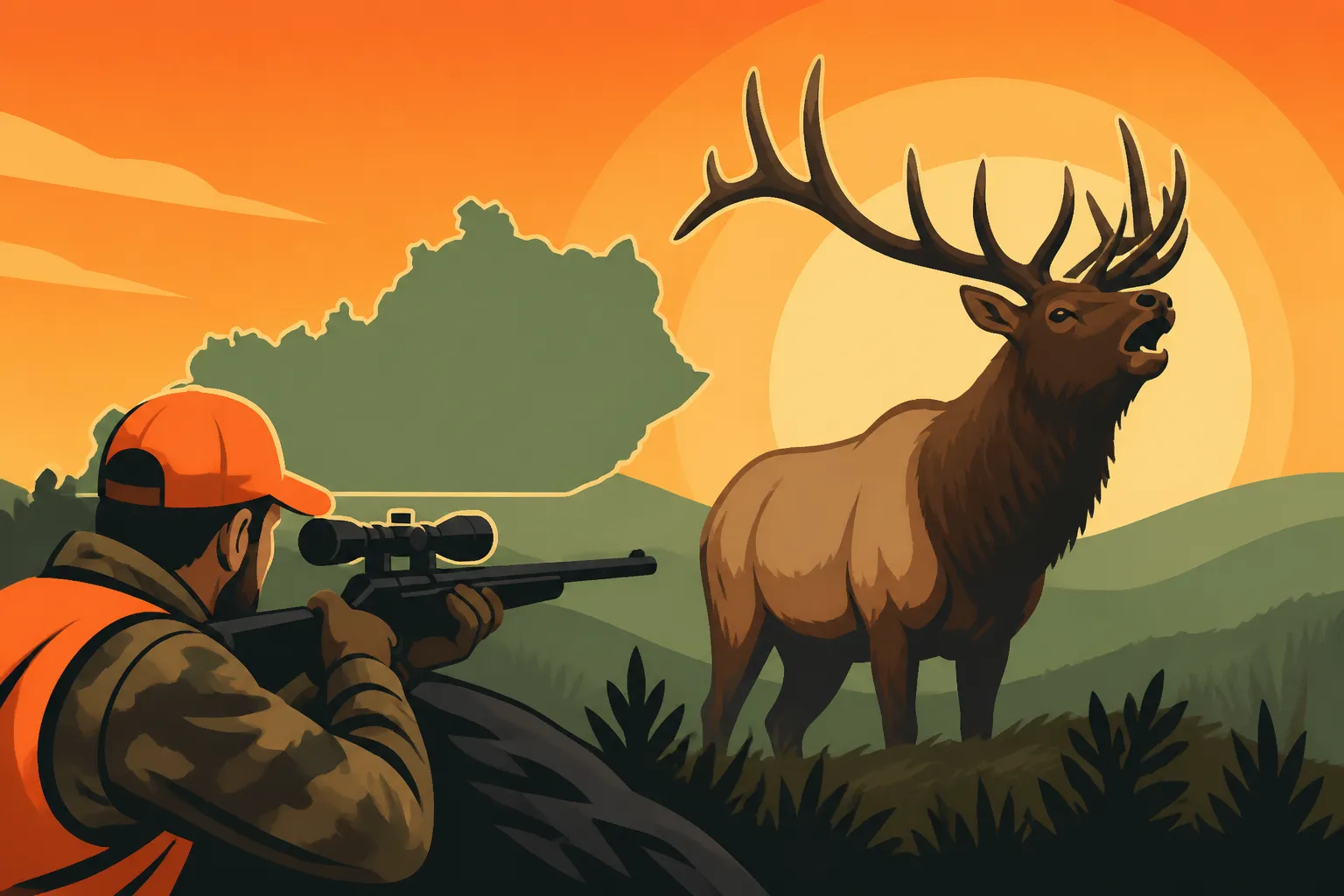
Many Kentucky hunters dream of hearing a bull elk bugle echo through the hills, but actually drawing a firearm permit for one of these magnificent animals can feel like winning the lottery. Securing that coveted tag is just the first hurdle; the real challenge and adventure begin when you hit the field. This guide aims to demystify the intricacies of hunting Kentucky's bull firearm elk season, providing you with practical strategies, gear insights, and crucial post-harvest information to significantly boost your chances of a successful and ethical hunt.
Understanding the Kentucky Bull Firearm Elk Season Structure
For many, the journey to hunting a Kentucky bull elk begins long before the season opener, with the nerve-wracking anticipation of the permit draw. Kentucky's elk herd is a conservation success story, but it’s still managed under a strict quota system to ensure sustainability and quality hunting opportunities. This means tags are incredibly limited, making every successful application a testament to luck and persistence.
Navigating the Permit Application and Draw System
The reality of the Kentucky elk draw system is that it's highly competitive. Thousands of hopeful hunters apply annually for a mere handful of bull firearm permits. It's a system that truly tests your patience and dedication, as many applicants spend years trying to draw a tag. The Kentucky Department of Fish and Wildlife Resources (KDFWR) manages this lottery, offering different permit types: bull firearm, cow firearm, and archery/crossbow either-sex permits. Understanding these distinctions and which one you're applying for is paramount. You'll typically submit your application online through the KDFWR portal during a specific window, often in the spring. It's a good idea to research the odds and apply consistently. Using dedicated resources like Applying for a Kentucky Elk Permit can give you a better grasp of the process and what to expect.
When the application period opens, you'll need to decide which permit type you're pursuing. For bull firearm permits, the competition is at its fiercest. Each application feels like a gamble, but the dream of a Kentucky bull is strong enough to keep hunters coming back year after year. While many guides focus on the hunt itself, we all know the initial frustration and eventual elation of receiving that email or checking the KDFWR website. Beyond simply applying, savvy hunters often use advanced tools from platforms like GoHunt to analyze draw odds, unit data, and historical harvest information, providing a slightly clearer picture of the monumental task of drawing a tag. This kind of research can help you understand the nuances of the system, even if it doesn't guarantee success. Furthermore, familiarizing yourself with the broader Kentucky Elk Quota Hunt Rules is essential to avoid any missteps during the application process. Knowing How Many Elk Permits Kentucky Issues helps put the challenge into perspective.
Key Dates and Season Length for Bull Firearm Hunts
Unlike the extended deer seasons that offer ample opportunity, Kentucky's bull firearm elk seasons are typically very specific and often quite short. These seasons are precisely set by the KDFWR, often falling in late September/early October during the peak of the rut, or later in the fall. The exact dates are tied to the specific Elk Hunting Unit (EHU) you draw. For example, some units might have a primary firearm season, while others might have a secondary one. This brevity means that once you have that tag in hand, every single day, and even every hour, of your hunt must be maximized.
The challenge of these short windows is compounded by the unpredictable nature of mountain weather. A beautiful, crisp fall day can turn into a cold, driving rain or even snow overnight, drastically changing elk behavior and hunting conditions. For instance, if you draw a permit for a unit within the Kentucky Bull Firearm Elk Season Dates that falls during the rut, you might encounter bugling bulls actively seeking cows, presenting unique calling opportunities. However, a later season hunt might require entirely different tactics, focusing more on food sources and bedding areas as bulls recover from the rut. This means your preparation can't just be about scouting; it also needs to be about flexibility and being ready for anything Mother Nature throws your way. Beyond the draw itself, GoHunt's insider information can give you an edge in understanding specific unit characteristics and elk behavior during these critical windows.
Strategic Planning and Scouting for Kentucky Bulls
Drawing a bull elk tag is a monumental achievement, but it’s only the beginning. The real work, and where successful hunters truly differentiate themselves, lies in the strategic planning and relentless scouting that happens both before and during the season. Kentucky's elk country, primarily concentrated in the southeastern coalfields, is rugged, diverse, and demands respect.
Pre-Season Scouting and Habitat Interpretation
You simply cannot arrive in elk country on opening morning expecting to stumble into a bull. Pre-season scouting is not just recommended; it’s absolutely essential. This isn't your typical whitetail scouting from a truck window. We're talking about extensive reconnaissance on foot, poring over maps, and utilizing modern technology. Digital mapping platforms, like those offered by GoHunt or onX, become your most valuable pre-season scouting tools. They allow you to virtually scout vast areas, identify potential bedding ridges, feeding meadows, water sources, and travel corridors, all from the comfort of your home. You'll want to mark key features, pinch points, and escape routes.
Once you’ve identified promising areas on a map, the next step is boots on the ground. Look for physical elk sign: large tracks, distinctively large piles of scat, fresh rubs on saplings and small trees, and most importantly, wallows. Wallows are muddy depressions where bulls roll to cool off and cover themselves in mud, often leaving a strong, musky odor. These spots indicate active bull presence. The terrain in Kentucky's elk zone is steep and often unforgiving, a mix of dense timber, open reclaimed mine lands, and deep hollows. Understanding the specific habitat of your drawn unit, which you can identify from Kentucky's Seven Elk Hunting Units information, will dictate your approach. For example, scouting an open area might involve techniques akin to Glassing an Elk Restoration Zone Meadow, while dense timber demands a different strategy. These platforms, including GoHunt, often have layers showing public/private boundaries, topo lines, and even historical harvest data for certain regions, all of which are invaluable.
Locating Bulls During the Hunt
When the season finally arrives, the pressure is on, and locating a bull elk requires a combination of patience, strategic movement, and effective communication. Depending on whether your firearm season aligns with the rut, calling can be an extremely effective tool. If the bulls are still bugling aggressively, imitating another bull or a cow in estrus can draw them in. However, in heavily pressured areas, subtle calling, like soft cow mews or chirps, might be more effective than aggressive bugling. Mastering the art of Calling a Southeastern Kentucky Bull Elk can make all the difference, but remember, less is often more.
Still-hunting is another vital technique, especially in the timbered areas where visibility is limited. This involves moving incredibly slowly, stopping frequently to listen and scan the woods. Use the wind to your advantage; elk have an incredible sense of smell, and a shifting breeze can quickly betray your presence. Pay close attention to thermals in the mountains, which tend to rise in the morning and fall in the evening, carrying your scent accordingly. Elk are intelligent animals that quickly learn to avoid pressure, so finding ground others walk past, or getting deeper into remote hollows and ridges, can pay off. A detailed understanding of the landscape, often aided by advanced scouting tools like GoHunt, will be the difference-maker. Remember, elk are constantly moving, driven by food, water, and pressure, so staying adaptable and persistent is key to intercepting them.
Essential Gear and Effective Hunting Tactics
Hunting a bull elk in Kentucky isn't just about finding the animal; it's about being prepared for the immense physical challenge and having the right tools for the job. These are powerful, intelligent creatures, and the terrain they call home is equally formidable. Your gear and tactical approach need to be up to the task.
Choosing the Right Firearm and Optics
Elk are large-bodied animals, far more robust than even the biggest whitetail deer. This demands a rifle that can deliver sufficient energy and penetration for a clean, ethical kill. While many calibers can take an elk, cartridges like the .30-06 Springfield, .300 Winchester Magnum, 7mm Remington Magnum, and even the .338 Winchester Magnum are popular choices for a reason. They offer the necessary knockdown power and trajectory for shots that might range from short timber encounters to longer cross-hollow distances. The focus should always be on precise shot placement, but a bullet designed for deep penetration and controlled expansion is crucial. For a deeper dive into appropriate firearms, you might find guidance in Rifles Built for a Southeastern Elk Hunt.
Recommended Calibers for Kentucky Bull Elk
| Caliber | Common Bullet Weight (gr) | Typical Muzzle Velocity (fps) | Notes for Elk Hunting in KY |
|---|---|---|---|
| .30-06 Springfield | 180 | 2700 | Classic, versatile, plenty of power for ethical shots. |
| .300 Winchester Mag | 180-200 | 3000 | More powerful, flatter trajectory, good for longer shots. |
| 7mm Remington Mag | 160-175 | 2900 | Excellent ballistics, lighter recoil than .300, great for elk. |
| .338 Winchester Mag | 200-225 | 2800 | Heavy hitter, perhaps overkill, but ensures deep penetration on large bulls. |
Beyond the rifle, quality optics are non-negotiable. A good pair of binoculars (10×42 or 10×50 are common) will be constantly at your eyes, scanning distant ridges and timber lines for movement or a flicker of antler. A reliable rangefinder is also essential for confirming distances, especially in terrain where estimating yardage can be tricky. Your rifle scope should be rugged, hold zero, and perform exceptionally well in low light, as elk are often most active during dawn and dusk. Variable power scopes (e.g., 3-9x, 4-12x) are versatile for mixed terrain. Detailed information on Optics for Glassing Reclaimed Mine Land can help you choose the right tools for observation. Remember, the difference between seeing an elk and just seeing a shadow often comes down to the quality of your glass.
Physical Preparation and Field Logistics
Make no mistake, hunting elk in Eastern Kentucky is a physically demanding endeavor. The region is characterized by steep, rugged terrain, deep hollows, and dense forest. You’ll be hiking significant distances, often uphill, with a heavy pack. Prioritize your physical fitness in the months leading up to your hunt. Cardiovascular endurance, leg strength, and overall stamina will be your greatest assets. Many experienced elk hunters liken the physical demands to a mini-marathon every day.
Beyond personal conditioning, your field logistics need to be meticulously planned. Invest in high-quality, comfortable hiking boots that are broken in well before your hunt. Layered clothing is crucial for adapting to Kentucky’s variable fall weather, which can swing from warm afternoons to freezing mornings. A reliable backpack that can comfortably carry water, food, emergency supplies, and potentially game meat is also indispensable. Think about how you'll recover an elk once it's on the ground. A mature bull can weigh 700-1000 pounds, making it an incredibly challenging task to move, especially in steep country. Many hunters plan for quartering the animal in the field and packing it out, often requiring multiple trips or additional help. Game bags are essential for protecting the meat. Without a solid plan for extraction, a successful hunt can quickly turn into a logistical nightmare.
Post-Harvest Responsibilities and Ethical Practices
Taking a Kentucky bull elk is an experience few hunters ever achieve, a culmination of effort, luck, and skill. But the hunt doesn’t end with the shot. There are critical responsibilities and ethical considerations that continue long after the animal is on the ground, ensuring the meat is cared for properly and all regulations are met.
Field Dressing, Recovery, and Telecheck
Once your bull is down, the clock starts ticking, especially if the weather is mild. Field dressing an elk is a substantial undertaking, requiring more effort and technique than smaller game. The primary goal is to cool the carcass as quickly as possible to preserve the meat. This often means removing the entrails, opening the chest cavity, and propping the carcass to allow airflow. If you're hunting during warmer conditions, even quartering the animal immediately to remove heat from the bone can be necessary. While the specifics differ, the principles of keeping game meat clean and cool are universal, much like what you'd find in a guide for Field Dressing a Deer in Cold Weather.
Tracking and recovery are also crucial. Not all elk drop in their tracks. If the animal runs, give it time, especially if the shot wasn't immediately fatal. Be patient, follow the blood trail meticulously, and mark your path. Losing an animal is every hunter's worst nightmare, so dedicate the necessary time and effort to recover your game, even if it means searching into the night. Once recovered, you are legally required to telecheck your elk harvest. This process, similar to Telechecking a Kentucky Deer Harvest, must be completed within the specified timeframe (usually by midnight on the day of harvest). It involves calling a toll-free number or using the KDFWR website/app to report your harvest, providing details like your permit number, the county of harvest, and the animal's sex. This information is vital for wildlife management.
Respecting the Resource and Other Hunters
Elk hunting in Kentucky is a privilege, not a right, and maintaining the integrity of this incredible resource rests on every hunter's shoulders. Adhering to ethical hunting practices is paramount. This includes taking only clean, ethical shots, respecting private land boundaries (even if an animal crosses onto private land, you still need permission to retrieve it), and leaving no trace of your presence beyond footsteps. Think about how your actions reflect on the hunting community as a whole. The success of Kentucky's elk restoration program is a testament to dedicated conservation efforts, and every hunter plays a part in its continued thriving.
Beyond the ethics of the kill, remember that your hunting license fees directly contribute to the ongoing management and research efforts that sustain Kentucky’s diverse wildlife populations, including its elk herd. The presence of a vibrant elk herd also provides significant economic benefits to the remote Eastern Kentucky communities within the elk zone. By being a responsible hunter, supporting local businesses, and practicing good sportsmanship, you help foster goodwill and ensure future hunting opportunities for generations to come. Your participation in the hunt contributes to a legacy of conservation and appreciation for these magnificent animals.
Disclaimer
The information provided in this guide is for general informational purposes only and does not constitute legal advice. Hunting regulations and seasons can change, so it is the sole responsibility of the hunter to review and comply with all current Kentucky Department of Fish and Wildlife Resources (KDFWR) regulations and applicable laws before and during any hunting activity. Always prioritize safety and ethical hunting practices.