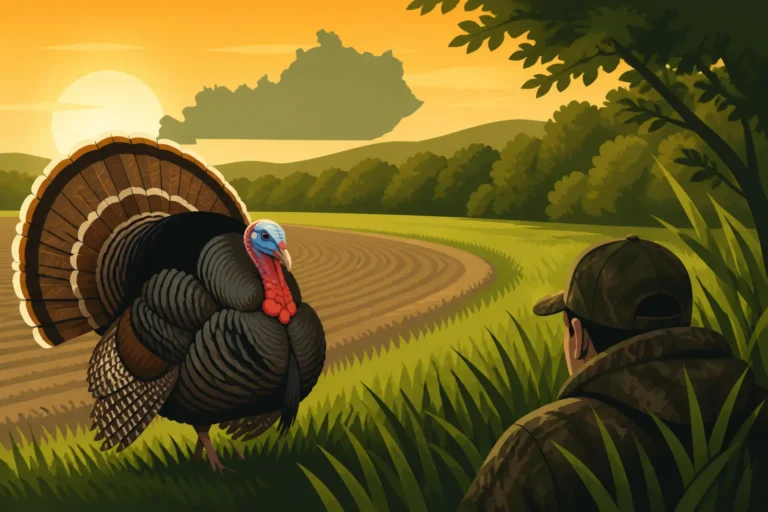
When Kentucky Gobblers Go Quiet in May
If you've spent any time chasing Kentucky gobblers, you know that come late May, the woods can suddenly feel… empty. That loud, enthusiastic gobbling from April gives way to a frustrating silence, leaving many hunters wondering if all the birds simply vanished. It’s a common frustration, but it doesn't mean your season is over; it simply means the game has changed, and you need to adapt. This comprehensive guide will delve deep into why Kentucky gobblers get so quiet in May and, more importantly, equip you with the knowledge and tactics to find success when the woods seem to hold their breath.
Understanding the Late-Season Gobbler Behavior
The shift in turkey behavior from the boisterous days of early spring to the often-silent stretches of late May isn't random. It's a calculated response to the natural progression of their breeding cycle, increased hunting pressure, and changes in their social structure. Knowing why they do what they do is the first step in figuring out how to outsmart them.
The Post-Breeding Cycle Shift
Early in the spring, gobblers are driven by an intense, instinctual urge to breed. This means constant gobbling, strutting, and seeking out hens. They're vocal, visible, and often predictable because their biological imperative is so strong. However, by late May, much of the peak breeding activity has already occurred. Many hens are already bred and have started sitting on nests. This fundamental shift means the gobbler's primary objective has changed.
Once hens are on the nest, gobblers aren't surrounded by receptive females every morning. The incentive to constantly gobble to attract a mate diminishes significantly. Instead, their focus often shifts to secondary breeding attempts, finding lone hens that may not have been bred, or simply regrouping and feeding. They might still gobble sporadically, especially on the roost, but the consistent, enthusiastic calling that defined April is largely a thing of the past. They're still turkeys, and the urge can flare up, but it's not the relentless pursuit we see earlier in the season.
Increased Hunting Pressure Effects
Let's be real: Kentucky's turkey season is popular, and by late May, these birds have heard it all. They've dodged hunters, heard countless calls (good and bad), and likely seen a few too many decoys. This cumulative pressure makes them incredibly wary. A gobbler that might have charged in on a loud yelp in April is now likely to hang up or simply drift away without making a sound when he hears the same call.
This pressure doesn't just make them call-shy; it changes their physical habits too. They often retreat to thicker, less accessible cover, moving away from easily hunted field edges or prominent ridges. They might also alter their daily routines, roosting in different areas, or flying down to feed in spots with heavier cover. We hunters are part of the equation, and the birds learn from our presence. That means our tactics need to evolve past what worked on "fresh" birds. If you're hunting public land, this effect is often magnified, making your approach even more critical.
Social Dynamics and Strutting Ceasing
Another factor contributing to the quiet woods is the shift in social dynamics among the gobblers themselves. Early in the season, dominant gobblers are often competing vigorously, trying to establish their pecking order and control harems of hens. This competition often involves a lot of strutting, fighting, and vocalization. As the season wears on and the primary breeding window closes, these large strutting groups often break up.
Younger gobblers, or jakes, might still group up, and you might find small bachelor groups of adult gobblers, but the intense, overt display of dominance decreases. Without the constant presence of hens to impress, and with less direct competition for breeding rights, the need to loudly announce their presence or challenge rivals diminishes. They become more solitary or stick to smaller, less visible groups, moving through the timber with a quieter demeanor. Understanding these subtle shifts is key to successfully hunting these late-season birds.
Environmental Factors Muting the Woods
Beyond their internal biology and the external pressure from hunters, the natural world itself plays a huge role in why Kentucky gobblers become so quiet in May. As the season progresses from early spring to late spring, the landscape undergoes significant transformations that affect turkey behavior and make them harder to locate.
The Full Green-Up and Canopy Closure
Think back to early April: the trees were bare, and you could see for hundreds of yards through the woods. Every gobble echoed. By late May, that's entirely different. Kentucky's forests are in full "green-up." Leaves have fully emerged on trees, undergrowth has exploded, and the woods are incredibly dense. This lush foliage creates a natural sound buffer, making it much harder for a gobble to carry any significant distance. What might have sounded like a loud gobbler in April could be the same bird in May, but his calls are now muffled and absorbed by the dense canopy.
This green-up also impacts visibility, both for you and for the turkeys. You can't see them as easily, and they can't see you. This can make them feel safer and less inclined to expose themselves by gobbling or strutting in open areas. It also makes your scouting efforts more challenging. You might have to rely more on subtle sounds, like distant drumming or wing beats, to pinpoint birds that are otherwise hidden. Adapting your strategy from long-range calling to getting in tight, perhaps using a tactic like Run-and-Gun Turkey Tactics on Public Land, becomes essential.
Abundant Natural Food Sources
In early spring, food can be relatively scarce. Turkeys often concentrate in fields or areas with leftover mast, making them easier to pattern. By late May, however, nature has provided a smorgasbord of food options. Tender new growth, emerging insects like grasshoppers and crickets, and early soft mast crops are becoming readily available throughout the woods. This means turkeys don't have to travel far or visit specific, predictable locations to find a meal.
They can simply wander through the timber, pecking at whatever they find. This dispersal of food sources means turkeys are less concentrated and less predictable in their movements. They might be content to scratch for bugs in a remote hollow, far from any fields or roads where hunters might typically set up. Instead of trying to call them to a specific spot, you might need to focus more on finding where they're feeding and then calling them in from close quarters. This is where diligent scouting, perhaps with the help of a tool like GoHunt's satellite imagery, can help you identify these lesser-known food-rich areas.
Weather Volatility in Late Spring
Kentucky springs are notorious for their unpredictable weather, and late May is no exception. We can experience sweltering heat waves, sudden thunderstorms, and even cool fronts, sometimes all within a single week. This weather variability directly impacts turkey activity. Hot, humid days often lead to quieter birds, as they conserve energy and seek shade. Prolonged rain can also dampen their enthusiasm for gobbling, although they will still feed.
Conversely, a sudden cool front after a stretch of warm weather can sometimes "reignite" a gobbler's enthusiasm, leading to a temporary increase in vocalization. Understanding these weather patterns and how they influence turkey behavior is crucial for planning your hunts. Checking the forecast isn't just about packing the right clothes; it's about anticipating how the birds might react and adjusting your expectations and tactics accordingly.
Adapting Your Tactics for Quiet May Turkeys
Just because the gobblers have gone quiet doesn't mean they're unhuntable. It simply means you need to evolve your approach. What worked on opening day might fall flat in late May, and that's okay. The key is to be adaptable, patient, and methodical in your strategy.
Mastering the Art of Subtle Calling
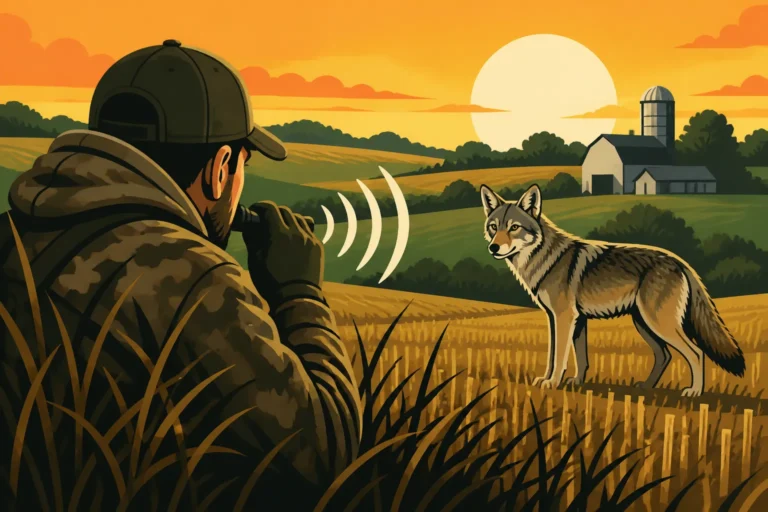
Forget the loud, aggressive calling you might have used to pull birds off the roost in April. Late-season gobblers are often call-shy and pressured. They've heard it all, and anything too loud or unnatural will likely send them heading the other direction. Your best bet is to become a master of subtle, soft hen vocalizations. Think quiet clucks, soft purrs, and delicate yelps. These sounds mimic a contented hen, potentially piquing a gobbler's curiosity without triggering his alarm bells.
Consider using friction calls, like a slate or pot call, for these softer sounds, as they allow for a wide range of soft tones. A mouth call can also be invaluable for hands-free calling when a gobbler is close and you need to remain perfectly still. If you're looking to explore different sounds, check out Turkey Calls Worth Carrying in Kentucky for a deeper dive into call types. The goal isn't to get him to gobble back loudly, but to get him to come investigate quietly. Patience is critical here; make a few soft calls, then wait, listen, and watch for a long time before calling again.
Aggressive Scouting and Reconnaissance
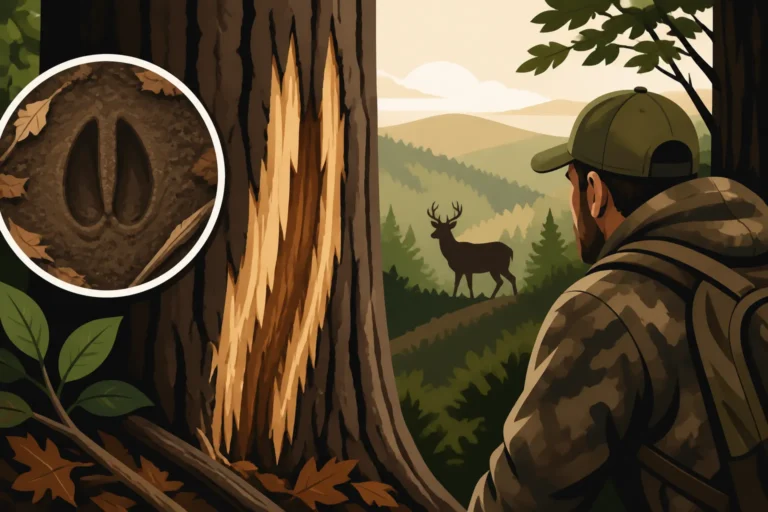
When gobblers aren't gobbling, you can't rely on sound alone to find them. This makes pre-hunt and in-hunt scouting more critical than ever. Instead of listening for a gobble, you're looking for physical evidence: fresh tracks in muddy creek beds, wing drag marks in dusty logging roads, scat, and freshly scratched leaves where they've been feeding. You're trying to find their current patterns, not just where they were last week.
Utilize mapping apps like GoHunt to analyze terrain features. Look for areas with dense cover, potential roosting sites along creek bottoms or ridge points, and areas that might hold food like early berry patches or insect-rich clearings. You're looking for where they want to be, rather than trying to make them come to you. Pay attention to fields that have been recently cut or planted, as these can be magnets for bug-eating turkeys. Sometimes, you'll need to know Turkey Tactics for Farmland Field Edges in detail. Spending a few hours walking slowly, looking for fresh sign, or even quiet "owl hooting" to get a shock gobble can reveal a bird's presence that would otherwise go unnoticed.
Patience, Persistence, and Strategic Ambushing
Late-season turkey hunting is often a game of patience. You might not get a response for hours, but that doesn't mean there are no birds. It just means you need to be prepared for a long sit. Set up in areas where you've found fresh sign, or in natural travel corridors like saddles, creek crossings, or old logging roads. Get comfortable, get still, and be prepared to wait. Sometimes, a quiet gobbler will simply walk into your setup without ever making a sound, drawn in by the subtle calls or just following his established pattern.
If you know a bird is in an area but won't commit to calling, consider an ambush strategy. If you can pinpoint his general direction, try to circle ahead of him and set up, then offer a very soft call or two. This is particularly effective if you can get between a gobbler and a likely feeding or strutting area. Don't be afraid to sit in one spot for an hour or more, then move quietly to a new location a few hundred yards away and repeat the process. Knowing Setting Up Against a Big Oak might give you that perfect hide. Remember, the Kentucky Spring Turkey Season Closing Date is generally the last day you can employ these tactics, so make every moment count.
Essential Gear and Mindset for Late Spring Success
Success in late May isn't just about strategy; it's also about having the right gear and, perhaps even more importantly, the right mindset. The conditions are different, the birds are different, and so your preparation needs to reflect that.
Optimizing Your Gear for Stealth and Comfort
By late May, the weather can be warm, even hot. Dressing in layers is still smart, but focus on lightweight, breathable camouflage that helps you blend into the vibrant green foliage. Good bug repellent is also a must, as ticks, mosquitoes, and gnats will be out in full force. A comfortable cushion or seat is critical for those long, patient sits you'll be putting in.
In terms of calls, having a good friction call (slate or glass) for soft yelps and clucks, and a few mouth calls (diaphragm calls) for hands-free operations when a gobbler is close, are invaluable. You might even consider carrying a locator call, like an owl hooter or crow call, not to bring birds in, but simply to try and get a shock gobble to confirm a bird's presence. As mentioned earlier, Turkey Calls Worth Carrying in Kentucky has more specifics. Ensure your shotgun is patterned correctly for your preferred late-season load – typically a dense pattern for tight shots, as distant gobblers are less likely. For those hunting with decoys, remember that Decoy Placement for Pressured Kentucky Birds can be critical; less is often more, and realism matters.
The Importance of Mental Fortitude
Hunting quiet gobblers can be incredibly frustrating. You might spend hours without hearing a peep, feel like you're doing everything wrong, and second-guess every call you make. This is where mental fortitude comes into play. You have to be persistent, patient, and most importantly, stay positive. Every quiet sit is a learning experience. You're gathering information about where birds aren't, which is almost as valuable as knowing where they are.
Understand that success rates typically drop in late season. Don't let that discourage you. Celebrate the small victories – spotting fresh sign, hearing a distant drumming, or simply enjoying the beauty of the Kentucky woods. Remind yourself that the reward for that hard-earned late-season bird is often far sweeter. Keep your head up, keep learning, and keep enjoying the chase. The late season isn't for the faint of heart, but it offers a unique challenge that can make you a better turkey hunter.
Post-Harvest Care in Warmer Weather
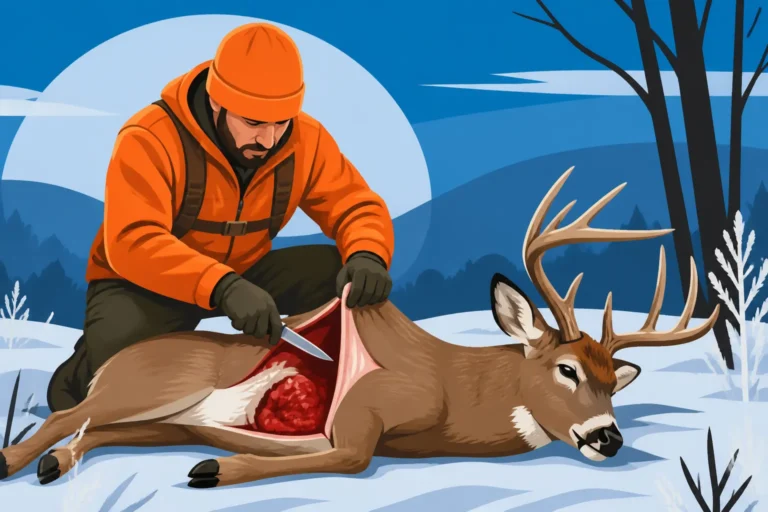
Should you be fortunate enough to harvest a gobbler in late May, the warmer temperatures present a new challenge: proper game care. Unlike the chilly days of April, a harvested bird can spoil quickly in the heat. Your priority should be to field dress the bird immediately. Remove the entrails and the crop to allow the body cavity to cool.
If you have a long walk out, consider carrying a game bag or a small cooler with ice to put the breast meat in once you've processed it. Getting the bird on ice or into a refrigerator as soon as possible is crucial to preserving the quality of the meat. Don't leave it in the bed of your truck on a warm day while you run errands. Swift, clean processing will ensure that your hard-earned May gobbler tastes as good as he was challenging to find.
Remember, while the gobblers may go quiet in May, they don't disappear. They just demand a different kind of hunter – one who is patient, observant, and willing to adapt. Good luck out there!
Disclaimer
Please be aware that hunting regulations and seasons are subject to change. Always consult the most current Kentucky Department of Fish and Wildlife Resources (KDFWR) regulations before planning any hunt. This guide is for informational purposes only and does not supersede official KDFWR guidelines.