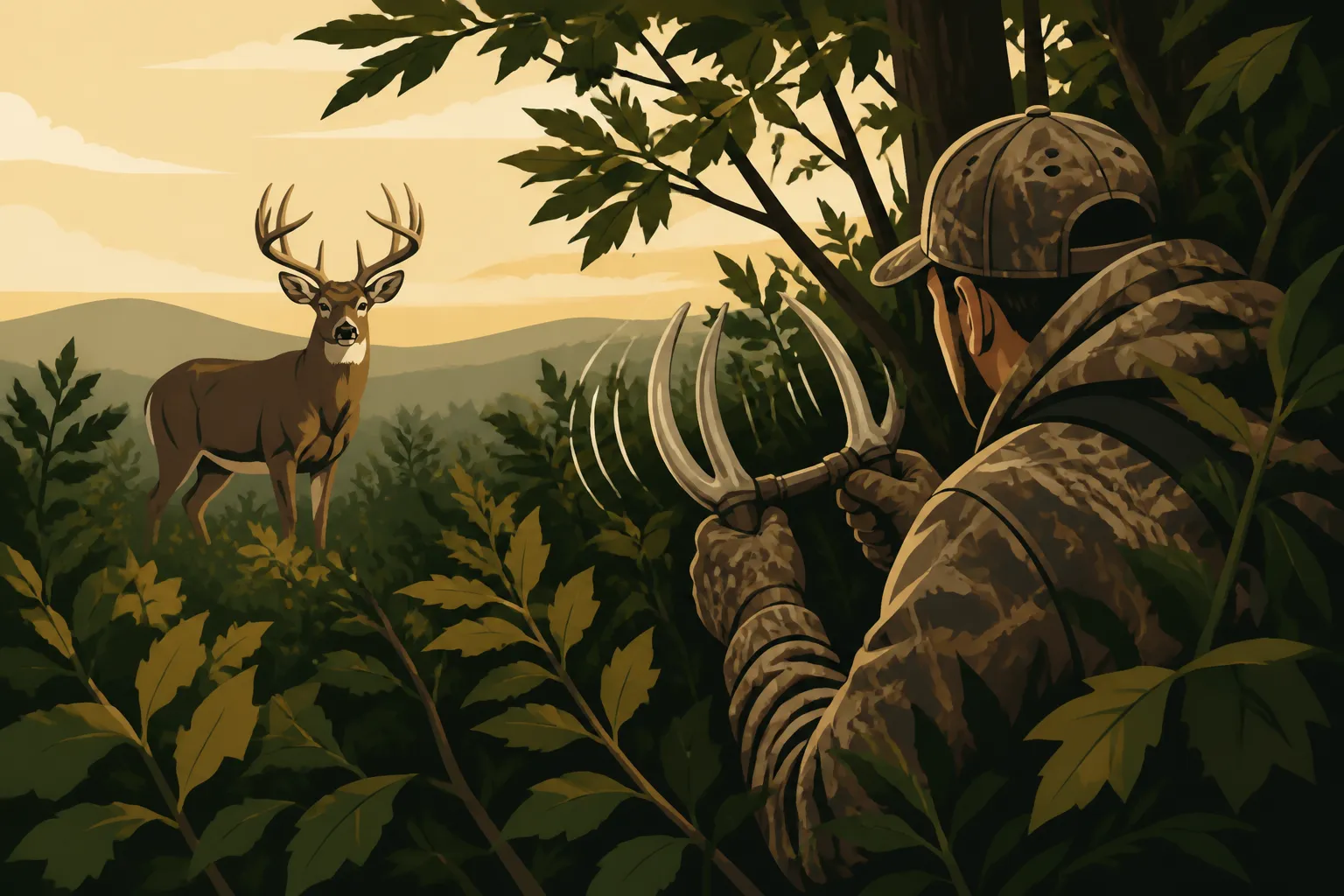
Rattling Volume in Thick Cover
It's incredibly frustrating, isn't it? You've lugged your rattling antlers deep into a promising-looking thicket, found what feels like the perfect stand, and then you start crashing them together, only to wonder if a deer fifty yards away can even hear it through all that Kentucky underbrush. Trying to gauge the right rattling volume in dense cover is a common headache for many hunters. This guide is all about helping you understand how sound travels in heavy timber and how to adjust your rattling techniques to effectively draw in those wary Kentucky bucks, even when visibility is limited.
The Unique Challenge of Rattling in Kentucky's Thick Cover
Kentucky's landscape is a beautiful tapestry of rolling hills, steep hollows, dense hardwoods, and often, an overwhelming amount of thick undergrowth, especially in timber that hasn't seen much recent logging. This isn't wide-open prairie where sound carries for miles. Our woods are a labyrinth of sound-absorbing elements, making effective rattling a real art form.
How Dense Foliage Absorbs and Muffles Sound
Imagine trying to shout across a room packed floor-to-ceiling with blankets and pillows. That's essentially what sound waves encounter when you're rattling in thick Kentucky timber. Every leaf, every branch, every tangled briar patch, and even the soft, damp soil of the forest floor acts as a natural sound dampener. High-frequency sounds, like the sharp crack of antlers, tend to get absorbed or deflected more quickly than lower-frequency sounds. This means that while you might hear a crisp, loud collision right in front of you, a buck just 75 yards away, especially if he's behind a rise or in a dense creek bottom, might perceive it as nothing more than a faint rustle, if anything at all.
The density of the cover is a huge factor. A mature oak stand with little underbrush will allow sound to travel much farther than a young clear-cut that's grown back into a nearly impenetrable wall of saplings and multiflora rose. Even terrain plays a role; sound waves don't just travel outwards, they travel through things. If you're down in a steep hollow, the sound can get trapped and won't project well up the opposite ridge. Understanding these dynamics is the first step to becoming a more effective rattler in our challenging Kentucky woods.
The Difficulty of Projecting Sound in Kentucky's Dense Timber
One of the biggest frustrations for hunters, especially those of us who spend a lot of time in places like the Daniel Boone National Forest, is the sheer difficulty of getting any call, let alone rattling, to travel effectively. When you're trying to communicate aggression to a buck, you want him to hear the full spectrum of the fight – the initial clash, the grinding, the breaking branches. But in a thick stand, much of that realism can be lost.
This challenge means that your effective range for rattling is drastically reduced compared to more open environments. Instead of potentially drawing a buck from several hundred yards, you might be lucky to pull one from 100-150 yards in really dense stuff. This limitation often requires a different approach: rather than trying to reach deer from afar, you need to think about attracting deer who are already relatively close, or strategically placing yourself where sound has the best chance to carry. It also highlights the importance of knowing the terrain and using scouting tools, such as those offered by GoHunt, to identify potential travel corridors or subtle openings where sound might carry just a bit further.
When to Crank It Up or Tone It Down: Matching Volume to the Scenario
The "right" volume for rattling isn't a fixed setting; it's a dynamic choice based on a multitude of factors, from the time of year to the specific cover you're hunting. Kentucky's diverse habitats demand adaptability.
Rattling Aggressively: When Loud and Long Makes Sense
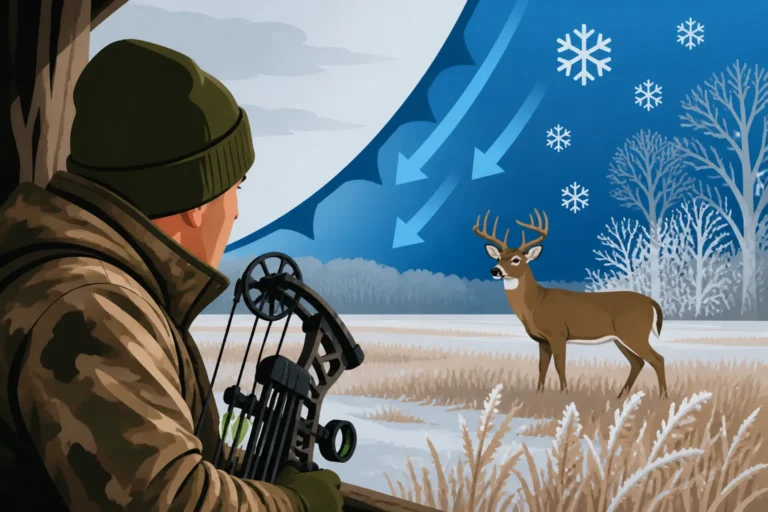
There are definitely times when you need to put some serious conviction into your rattling sequence. Think about those crisp, windy days during the peak of the rut, say, in early November when deer are actively seeking out fights. The wind can carry sound, but it can also dissipate it quickly. In such conditions, especially if you're on a ridgetop or near an open field edge, a longer, louder, and more aggressive rattling sequence might be necessary to cut through the wind and attract a buck from a greater distance.
An aggressive sequence typically involves:
- Initial loud crash: Start with a sharp, forceful collision of the antlers, simulating two bucks coming together hard.
- Grinding and pushing: Follow up with periods of grinding the antlers together, pushing them, and even scraping them on the ground or a tree to mimic the actual struggle.
- Breaking branches: Don't be afraid to snap a few small branches with your hands or antlers to add realism to the fight.
- Duration: These sequences can last 30-60 seconds, followed by periods of silence and intense listening.
This high-volume approach can work well if you're trying to pull a buck out of a bedding area that's relatively close but visually obscured, or if you suspect a mature buck is cruising a ridge-top saddle and you need to grab his attention over a broader area. However, be mindful that excessive volume in calm, quiet conditions can sometimes spook deer, especially those that are already close and wary. It's a fine line to walk, but when done right, it can be incredibly effective for Rattling and Grunting in Kentucky.
The Art of Subtle, Controlled Rattling in Close Quarters
More often than not, especially in Kentucky's typically thicker cover, a more subtle approach to rattling will yield better results. This is particularly true if you're hunting smaller woodlots, dense river bottoms, or the interior of a deep hollow where visual obstructions are abundant. The goal here isn't to draw a buck from a quarter-mile away, but to convince one that's already within, say, 70-100 yards to come investigate what sounds like a less intense, but still compelling, interaction.
Subtle rattling involves:
- Light tickles and soft clacks: Instead of violent crashes, focus on gently clicking the tines together, light grinding, and quiet rubs.
- Shorter sequences: Keep your sequences shorter, perhaps 15-30 seconds, followed by longer periods of silence (3-5 minutes) where you listen intently.
- Varying intensity: Even within a subtle approach, you can vary the intensity. Start soft, build slightly, and then fade out, mimicking a waning skirmish.
This technique is excellent for those times when you've done your scouting, maybe with the help of a tool like GoHunt's detailed maps, and you know there's a buck likely bedded nearby. It's also ideal when hunting highly pressured public land, where overly aggressive calling can make deer even warier. A buck hearing a soft, realistic interaction might feel more comfortable slipping in quietly to check it out, rather than busting in, expecting a full-blown brawl. This approach ties in perfectly with the idea of using Grunt Calls in Mature Kentucky Timber to add another layer of realism without overwhelming the soundscape.
Factoring in Wind and Topography
Understanding how wind and topography interact with your rattling efforts is absolutely crucial. A strong headwind will carry your sound away from you, rendering your efforts largely useless to deer upwind. Conversely, a strong tailwind can project your sound effectively, but it also carries your scent directly to any deer you're calling.
- Wind Direction: Always try to position yourself so the wind is either quartering away from your target area or, ideally, crosswind. This helps carry your scent away from where you expect the buck to approach while still allowing your sound to travel into his zone. If you have a stiff breeze, you'll need to increase your volume, but never sacrifice your scent control.
- Wind Speed: On calm days, even subtle rattling can carry surprisingly well. On windy days, you'll need more volume, but the constant rustling of leaves and branches can also mask your sounds. A good strategy on windy days is to rattle just after a strong gust dies down, utilizing the momentary quiet.
- Topography: Kentucky is all about hills and hollows. Sound tends to travel uphill much less effectively than downhill. If you're on a ridgetop trying to call deer out of a hollow, you'll need more volume. If you're rattling from a hollow, aiming your sound up toward a ridgeline, it will be much harder for a buck to hear. Conversely, calling down into a hollow or across a bench can be quite effective. Understanding the nuances of Wind and Thermals on a Kentucky Ridge is paramount to success here. Pay close attention to how sound might 'pool' in certain areas or be channeled through funnels and draws. Using a mapping app from GoHunt to identify these features before you hunt can give you a significant advantage.
Mastering Sound Projection: Techniques for Rattling in Dense Woods
Simply clashing antlers isn't enough; how you present those sounds makes all the difference, especially when you're fighting against thick cover. Effective sound projection is about more than just volume; it's about direction, realism, and combining different elements.
Choosing the Right Rattling Antlers or Calls
The tools you choose can significantly impact your ability to control volume and realism.
- Real Antlers: Nothing truly replicates the sound of real antlers. They offer the most authentic "clack" and "grind." For dense cover, smaller, lighter antlers can be easier to manage and allow for more subtle sounds. Larger, heavier antlers provide more volume and a deeper tone for aggressive sequences. The drawback is they can be bulky to carry, especially when Hunting the Late-Season January Lull when you're already loaded down with cold-weather gear.
- Rattling Bags: These typically consist of wooden rods or synthetic materials inside a bag. They are incredibly compact and easy to carry, allowing for quick, quiet clacks and tickles. They excel in subtle calling scenarios where you need minimal sound. Some hunters find they lack the full "grind" sound of real antlers.
- Synthetic Rattling Horns/Calls: Brands like Primos, Flextone, and RattleBag offer realistic synthetic antlers or compact calls designed to mimic fighting sounds. They are often lighter, more durable, and less cumbersome than real antlers. Many offer excellent realism, particularly the louder crashing sounds, and are a good compromise for versatility in varying cover.
For thick Kentucky cover, I often lean towards a compact synthetic call or a set of lighter real antlers. The goal is to produce varied, realistic sounds without having to maneuver bulky equipment that might give away your position.
Positioning Yourself for Optimal Sound Projection
Where you set up to rattle is just as important as how you rattle. In dense cover, you need every advantage you can get to project sound effectively and draw a buck into shooting range.
- Elevated Positions: If possible, rattling from a treestand or saddle can help your sound travel over some of the immediate undergrowth. Being 15-20 feet up can make a noticeable difference in how far your calls carry, especially when Treestand Setups in Daniel Boone National Forest are common. Just be sure to direct your rattling downwards or outwards, not directly into the leaves below your feet.
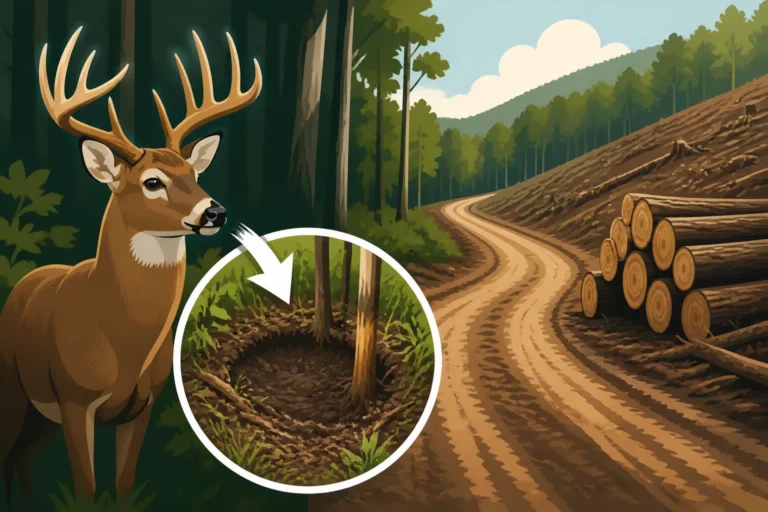
- Natural Openings: Look for natural breaks in the cover, like small clearings, logging roads, old logging decks, or along a creek bank. These corridors can act like natural sound tunnels, allowing your rattling to carry further and more clearly.
- Facing Downwind/Crosswind: As discussed, always consider the wind. Face yourself so your sound travels into the wind-favored direction (downwind or crosswind from your anticipated approach lane) while keeping your scent from being carried to incoming deer.
- Using a Ground Blind: When hunting particularly thick areas, a well-brushed-in ground blind can offer excellent concealment. This allows you to rattle and move subtly without being easily spotted, as you might when Using a Ground Blind on Kentucky Public Land. Just ensure your blind isn't so thick that it absorbs your own rattling sounds.
Remember, deer that respond to rattling in thick cover often try to circle downwind to get your scent. Position yourself to intercept them before they complete that circle.
Integrating Grunt Calls and Deer Decoys
Rattling is powerful on its own, but it becomes even more compelling when combined with other calls and visual aids.
- Grunt Calls: A grunt call is an invaluable partner to rattling. After a rattling sequence, a few short, aggressive grunts can simulate a buck chasing off a rival or even a doe. This adds another layer of realism and can often be the final nudge a hesitant buck needs to commit. Sometimes, after a loud rattling sequence, you might immediately follow with a few soft grunts, as if the victorious buck is still asserting dominance. This is particularly effective during the rut, when Hunting the Rut in Early November is in full swing.
- Deer Decoys: In thick cover, a full-size deer decoy might be overkill and too visible. However, a small, subtle decoy, like a head and neck or even just antlers, strategically placed in a slight opening, can work wonders. The visual cue confirms the sound, especially if the buck is close but can't quite see the source of the noise. Be cautious with decoys on public land during gun season, and always check local regulations regarding their use. If you're focused on Bowhunting Kentucky's Long Archery Season, a decoy might be a more viable option.
By combining the auditory realism of rattling with the subtle vocalizations of a grunt call and potentially a visual element, you create a more complete and believable scenario that's hard for an inquisitive buck to resist, even in the densest Kentucky habitat.
Advanced Strategies for Rattling Success in Kentucky's Deer Woods
Moving beyond the basics, there are some nuanced strategies that can significantly increase your rattling success, especially in our challenging Kentucky environment.
Practice Makes Perfect
This might sound cliché, but it's absolutely true for rattling. Just like mastering your bow or rifle, becoming proficient with rattling requires practice. Spend time in your backyard, or even better, in the woods near your home (when not hunting), experimenting with different rattling sequences and volumes.
- Vary Your Cadence: Practice starting with light tickles, building to aggressive crashes, and then tapering off into softer grinding sounds. A real buck fight isn't a continuous loud bash; it has lulls and surges.
- Simulate Real Fights: Listen to videos of real buck fights online. Notice the pauses, the breathing, the thrashing of brush. Try to incorporate these elements into your own sequences.
- Gauge Sound Travel: If you have a hunting buddy, have them walk out 50, 75, and 100 yards in thick cover while you rattle. This will give you a real-world understanding of how far your sounds actually travel and what they sound like from a distance. This is an excellent way to prepare for Scouting Kentucky Public Land Before Season.
The more you practice, the more natural and realistic your rattling will become, making it more convincing to a wary Kentucky buck.
Patience and Observation are Key
You’ve poured your heart into a perfect rattling sequence—now what? Don’t immediately put your antlers away and start fidgeting. Patience is perhaps the most critical component after the actual calling.
- Listen Intently: After a rattling sequence, remain absolutely silent and scan your surroundings. Bucks rarely come charging in like a freight train, especially in thick cover. They often sneak in, using every bit of available concealment. You might hear a subtle twig snap, a soft grunt, or just see a flicker of movement.
- Watch Your Downwind Side: As mentioned, bucks often circle downwind to scent-check the source of the sound. Be prepared for an approach from unexpected angles. Your best chance to intercept them is often before they get directly downwind.
- Waiting Periods: Give it at least 15-20 minutes, sometimes longer, after a rattling sequence before calling again or moving. A mature buck might take his sweet time to investigate. I've had bucks show up 30 minutes after I rattled, having seemingly appeared out of nowhere. If you leave too soon, you might just be walking away from a responding deer. This is especially important if you’re Hunting a Funnel Between Two Hollows, where deer movement can be subtle and difficult to predict.
Adapting to Local Conditions and Buck Behavior
No two hunts are ever exactly alike, especially in Kentucky. What works one day might fail spectacularly the next.
- Time of Year: Early season rattling (pre-rut) should generally be subtle, mimicking sparring matches. During the peak rut, more aggressive calls are often warranted. Late season rattling might need to be subtle again, focusing on drawing in a lone, unbred doe or a buck looking for a late-season fling.
- Hunting Pressure: On public lands or heavily hunted private ground, deer are often warier. Subtle calls may be more effective than loud, aggressive ones, which can alert deer to danger. Tools like GoHunt can help you understand public land boundaries and potentially identify areas with less pressure.
- Moon Phase and Weather: Believe it or not, these can influence deer behavior. A cold front often gets deer moving, making them more responsive to calls. A full moon can lead to more nocturnal movement, meaning deer might be less active during daylight hours.
- Terrain-Specific Tactics: If you're hunting Western Kentucky Bottomland Deer, the thick, swampy cover might require different rattling strategies than Still-Hunting Eastern Kentucky Ridges. Always be ready to adjust your approach based on the specific micro-habitat you're in.
Being adaptable, using good scouting practices, and paying close attention to the small details of the environment will make you a much more successful rattler in Kentucky’s diverse and challenging deer woods.
Rattling Volume Comparison for Kentucky Deer Hunting
| Feature | High Volume Rattling | Subtle Rattling |
|---|---|---|
| Effective Range | 100-250+ yards (depending on cover, wind, topography) | 50-100 yards (close quarters, dense cover) |
| Primary Scenario | Peak rut, windy days, larger areas, open edges, seeking to draw from distance | Pre-rut, calm days, thick bedding areas, pressured deer, close proximity |
| Sound Profile | Loud crashes, aggressive grinding, branch breaking, long sequences | Light clicks, soft tickles, gentle rubs, shorter sequences |
| Buck Behavior Target | Challenge a dominant buck, provoke an immediate response, call over obstacles | Intrigued investigation, draw in a hesitant or curious buck, minimize risk of spooking |
| Risk of Spooking | Higher in calm, quiet conditions or with wary, pressured deer | Lower, more natural sound can put deer at ease |
| Best Use Cases | Intercepting cruising bucks, covering large terrain, competing with environmental noise | Calling a buck out of a known bedding area, hunting small woodlots, during a lull in activity |
Disclaimer
Hunting is an inherently dangerous activity. Always prioritize safety, adhere to all Kentucky hunting regulations, and ensure you have proper training and licensing before heading into the field. The advice provided here is for informational purposes only, and individual success will vary based on skill, conditions, and luck.