Frame Packs for Boning Out a Deer
There's nothing quite like the immense satisfaction of punching your tag on a Kentucky whitetail, whether it's a brute of a Bluegrass buck or a plump doe destined for the freezer. But let's be honest, that initial rush often gives way to the daunting reality of getting that animal out of the woods, especially when you're deep in the rugged terrain of eastern Kentucky or miles into a western Kentucky bottomland. This guide is all about tackling that challenge head-on by showing you how a well-chosen frame pack can transform the arduous task of meat extraction into a manageable, even enjoyable, part of your hunting adventure. We're going to dive deep into why boning out a deer and packing it out is often the smartest play, and how to select, use, and maintain the perfect frame pack for the job.
Why a Frame Pack is Essential for Boning Out a Deer in Kentucky
Dragging a whole deer, especially a big mature buck, through thick briars, up and down steep hollows, or across muddy creek bottoms is a special kind of misery. It’s hard on your back, hard on your knees, and frankly, it's not always the best for the meat quality, especially on warmer early season hunts. This is where the practice of boning out a deer in the field and packing it out section by section really shines, and a good frame pack becomes your absolute best friend.
The Reality of Kentucky's Diverse Terrain
Kentucky's hunting grounds are incredibly diverse, offering everything from the rolling hills and creek systems of the Bluegrass region to the notoriously steep and broken topography of the Eastern Kentucky mountains, and the flat, often swampy bottomlands of the western part of the state. Each of these landscapes presents its own unique challenges for deer recovery.
Imagine tagging a deer in a remote hollow deep within Daniel Boone National Forest. Dragging that animal out whole would mean navigating treacherous slopes, crossing multiple small streams, and pushing through dense stands of mountain laurel and thick brush. It's an exhausting, potentially dangerous endeavor that can take hours, even with multiple people. Or picture a big river bottom buck dropped a mile back in a slough on a Kentucky WMA after a heavy rain. You're knee-deep in mud, pushing through honeysuckle and greenbrier, and every step is a monumental effort. In these scenarios, a standard deer cart is useless, and even a heavy-duty drag rope feels like a cruel joke. That's when you realize that breaking the animal down into manageable, packable sections is not just an option, but often the only practical way to get your hard-earned venison back to your truck. Hunters familiar with Hunting Eastern Kentucky Ridges or Hunting Western Kentucky Bottomland Deer know this struggle intimately.
Beyond the Drag: The Advantages of Carrying Meat Out
The benefits of boning out a deer and packing it out go far beyond just easing the physical strain. It’s a strategy that fundamentally changes your approach to meat care and efficiency in the field. First and foremost, carrying meat out in game bags within a frame pack helps preserve its quality. When you drag a deer, particularly in warmer weather, the carcass heats up quickly. Dirt, leaves, and debris can become embedded in the hide and even transferred to exposed meat if not handled carefully. By boning the animal out, getting the hide off, and placing the clean meat into breathable game bags, you allow for rapid cooling. This is paramount for preventing spoilage and ensuring the best possible flavor for your venison. Think about those early archery season hunts in September; the difference in meat quality can be dramatic between a dragged deer and one that's been quartered and packed out efficiently.
Furthermore, packing allows you to move faster and more quietly through the woods. A quartered deer, even a heavy one, is typically easier to navigate through obstacles like fallen timber or dense thickets than a rigid, full-bodied carcass. This efficiency can save you precious daylight, especially when you're working against the clock. It also means less overall wear and tear on your body, so you’re not completely spent by the time you reach the truck, which is a huge bonus after an adrenaline-fueled hunt.
How a Frame Pack Differs from a Day Pack
Let's clear something up right away: a standard day pack, no matter how rugged, is simply not designed for hauling out a boned-out deer. While you might use a day pack for your snacks, water, calls, and other essentials, when it comes to packing heavy, uneven meat loads, you need a different beast entirely. This is where the frame pack enters the picture, and understanding its unique design is key.
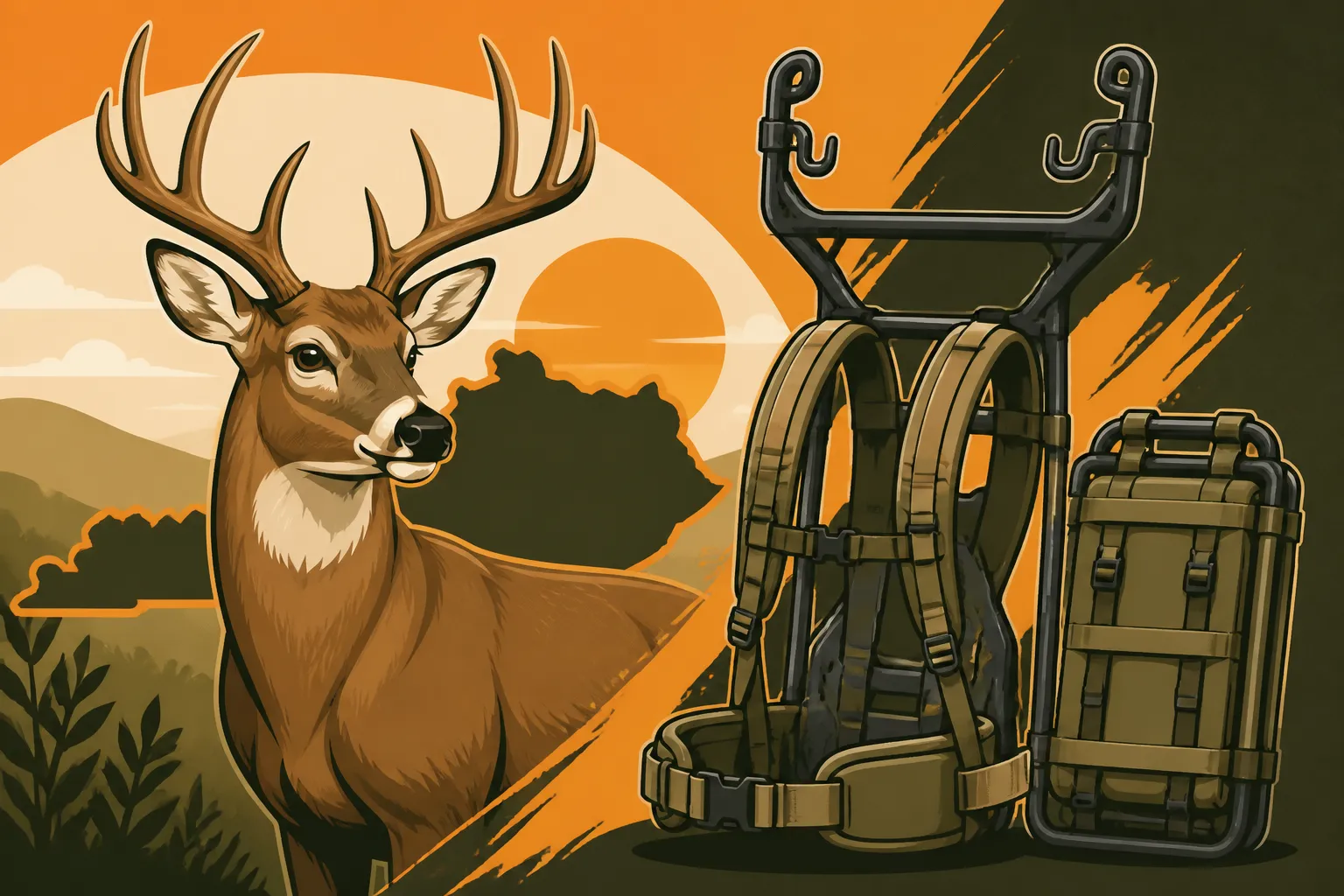
The primary difference lies in its robust internal or external frame system. Unlike the minimal frames found in most day packs, a true frame pack is built around a rigid structure—typically aluminum or carbon fiber—that provides the essential support and stiffness needed to transfer heavy loads from your shoulders to your hips. This is crucial because your hips are much stronger and more capable of carrying weight over long distances than your shoulders. A day pack, even a large one, tends to sag and pull on your shoulders when overloaded, causing significant discomfort and fatigue. Frame packs, by contrast, distribute the weight effectively, allowing you to carry substantial poundage with greater comfort and stability. They often feature an integrated "meat shelf" or a dedicated expandable compartment specifically designed to secure awkward, heavy meat sections, keeping them separate from your personal gear and off your back itself. While you might carry your smaller items in Packs for a Day on Public Land, when it's time for heavy lifting, the frame pack is the only way to go.
Key Features to Look For in a Kentucky Hunting Frame Pack
Choosing the right frame pack isn't just about grabbing the biggest one you see. It's about finding a pack that fits your body, can handle the unique challenges of carrying meat, and will stand up to the rigors of Kentucky's diverse hunting conditions. There are several critical features you'll want to scrutinize before making your investment.
Frame Construction and Material
The heart of any good frame pack is its frame, and the materials used here make a huge difference in weight, durability, and how the pack carries. Most modern hunting frame packs utilize either aluminum or carbon fiber for their structural integrity.
- Aluminum Frames: These are generally more affordable and incredibly robust. They can often withstand more abuse and bending without catastrophic failure, making them a solid choice for hunters who prioritize ruggedness and don't mind a bit of extra weight. A well-designed aluminum frame will still be relatively lightweight for its strength, offering excellent load-carrying capability for those big hauls. They might have a slight amount of flex, which some hunters appreciate as it moves with your body, but it's typically minimal enough to maintain structural support.
- Carbon Fiber Frames: For those who are counting every ounce, carbon fiber is the gold standard. These frames are exceptionally strong for their weight, offering an ultralight package that can still comfortably haul hundreds of pounds of meat. The trade-off is often a higher price tag and a slightly more brittle nature; while incredibly strong, a sharp, direct impact could potentially cause a crack, whereas an aluminum frame might just bend. However, the weight savings can be a game-changer for long treks, particularly when you're anticipating carrying out heavy loads from deep within public lands. When you're thinking about tackling big animals in the Hunting Kentucky's Record Elk Herd zone, a carbon fiber frame can make a real difference.
Suspension System and Adjustability
A frame pack is only as good as its suspension system. This is the part of the pack that directly interacts with your body, distributing the load and providing comfort. A well-designed suspension system is paramount, especially when carrying heavy, uneven loads like boned-out game. Look for packs with:
- Padded Shoulder Straps: These should be thick, contoured, and well-padded to prevent digging into your shoulders. They need to be adjustable to fit your torso length.
- Robust Hip Belt: This is perhaps the most critical component. The hip belt should be wide, heavily padded, and anatomically shaped to transfer the majority of the pack's weight (70-80%) directly onto your hips. It needs to cinch down securely without slipping, even when under heavy load. Many quality packs will feature multiple points of adjustment on the hip belt to achieve a truly custom fit.
- Torso Length Adjustment: One size does not fit all. The ability to adjust the shoulder strap height relative to the hip belt is essential for ensuring the pack fits your specific torso length. This ensures the hip belt sits properly over your iliac crest (hip bones) and the shoulder straps provide the right amount of lift without pulling down excessively. Without proper torso length adjustment, even the most expensive pack will be uncomfortable and inefficient under load. Taking the time to properly fit your pack before the season is just as important as Zeroing a Rifle for Mixed Distances.
Meat Shelf and Haul Capacity
This is where hunting frame packs truly distinguish themselves. A dedicated meat shelf or an expandable load shelf is a critical feature for hauling out game. This shelf usually consists of a robust fabric or mesh platform that extends out from the main frame, creating a space between the pack bag and the frame itself.
- Meat Shelf Functionality: This shelf allows you to secure boned-out quarters, an entire boned-out deer, or other heavy, awkward items directly against the frame. This keeps any blood or fluids from the meat off your main pack bag and away from your other gear. It also positions the heaviest part of the load as close to your back as possible, which is key for balance and comfort. Strong compression straps are always included to cinch down the load tightly to prevent shifting.
- Haul Capacity: Beyond the meat shelf, consider the overall cubic inch capacity of the pack bag. Do you need enough space for just a day's hunt plus meat, or do you plan on multi-day backcountry trips where you'll be carrying camping gear in addition to the meat out? Packs often range from 3,000 to over 7,000 cubic inches. For a typical boned-out Kentucky whitetail, you'll need ample space, usually combined with the meat shelf's external carrying capability. If you're going deep on public land, more capacity is always better.
Durability and Weather Resistance
Kentucky weather can be notoriously unpredictable. A sunny, crisp morning can quickly turn into a cold, driving rain, or a wet, heavy snow. Your frame pack needs to be built to withstand these conditions and the general abuse of hauling heavy loads through rugged terrain.
- Robust Fabrics: Look for tough, abrasion-resistant fabrics like Cordura nylon (500D or higher) or ripstop polyester. These materials are designed to resist tearing, snagging, and puncturing when you're pushing through thick brush or scrambling over rocks. Thin, flimsy fabrics simply won't last.
- Strong Zippers and Hardware: High-quality YKK zippers are a must, ideally with large pull tabs that are easy to operate even with cold, wet hands. All buckles and attachment points should be made of durable, cold-weather resistant plastic or metal. A broken buckle miles from the truck with a heavy load is a situation you want to avoid at all costs.
- Water Resistance: While few packs are truly waterproof without a rain cover, a pack made from water-resistant materials with DWR (Durable Water Repellent) coatings will shed light rain and snow, keeping your gear drier. Many hunters also carry a separate pack cover for heavier downpours. Keeping your gear dry is crucial for comfort and safety in the backcountry, especially during the later seasons.
Practical Considerations for Boning Out and Packing in Kentucky
Once you've got your hands on a quality frame pack, understanding how to use it effectively for meat extraction is the next step. It's a skill that improves with practice, but knowing the fundamentals will save you a lot of grief in the field.
The Boning Out Process in the Field
Efficiently boning out a deer in the field is a skill every backcountry hunter should develop. It not only reduces weight but also streamlines the packing process and enhances meat care.
- Preparation is Key: First, ensure the animal is expired and safe to approach. Then, move it to a relatively clean, flat spot if possible. Lay out a ground tarp or even the deer's hide (flesh side up) to keep the meat clean. You'll need a sharp Field Dressing Knives Worth Carrying, a smaller boning knife, and several breathable Game Bags for Warm September Days – one for each quarter, and one for the backstraps, tenderloins, and trim.
- Skinning and Quartering: Start by skinning the deer. Once the hide is off, the real work begins. Separate the front shoulders from the body, as they are not attached by bone. Then, remove the hindquarters by cutting around the ball joint of the hip. Carefully follow the muscle groups, working the knife close to the bone to maximize meat yield.
- Backstraps and Tenderloins: These prized cuts are easily removed once the deer is open. The backstraps run along the top of the spine, and the tenderloins are inside the cavity, along the underside of the spine. Take your time to get them clean.
- Trimming and Cooling: Remove any excess fat, damaged meat, or hair. Place each section of meat into its own game bag. The breathable nature of these bags is crucial for allowing the meat to cool quickly. In cooler temperatures, letting the meat air out for a bit before bagging can further aid cooling. Remember, getting the meat off the bone and into bags helps cool it much faster than leaving it as a whole carcass, especially important if you eventually plan on Butchering a Deer at Camp.
Loading Your Frame Pack for a Comfortable Haul
Loading your frame pack correctly is just as important as having the right pack itself. Improper loading can lead to discomfort, instability, and a much harder hike out.
- Meat First (on the shelf): If your pack has a dedicated meat shelf, this is where your boned-out game goes. Place the heaviest, densest portions (like hindquarters) directly against the frame and as close to your back as possible. Distribute the weight evenly between the left and right sides. Use the pack's compression straps to cinch the meat down tightly to the frame. You want zero movement or sloshing.
- Organize Your Gear: Once the meat is secured, you can load your main pack bag with your other essentials. Place lighter, bulky items (like extra clothing) at the bottom. Keep frequently accessed items (water, snacks, rain gear, first-aid kit, Headlamps for Walking Out After Dark) easily accessible in exterior pockets or the top lid.
- Balance and Center of Gravity: The goal is to keep the center of gravity high and close to your body. Avoid letting heavy items sag to the bottom of the pack, as this will pull you backward and strain your shoulders. A well-loaded pack should feel like an extension of your body, not a pendulum swinging behind you. Take a few steps and adjust straps as needed until it feels balanced.
Navigating Kentucky's Backcountry with a Heavy Pack
Hiking out with a heavy frame pack, especially across challenging Kentucky terrain, requires smart planning and pacing. A heavy pack transforms familiar trails into entirely new beasts.
- Pacing and Breaks: Don't try to power through without stopping. Set a steady, sustainable pace, and take regular, short breaks to rest your muscles and rehydrate. A good rule of thumb is 5-10 minutes every hour. Use these breaks to adjust your pack, check for hot spots, and mentally reset.
- Footing and Balance: With a heavy load, your balance is affected. Pay extra attention to your foot placement, especially on uneven ground, steep slopes, or creek crossings. Use trekking poles for added stability, which can be invaluable when navigating thick timber or Recovering a Deer From a Steep Hollow. They help distribute some of the load to your arms and reduce strain on your knees.
- Hydration and Nutrition: This cannot be stressed enough. Carrying a heavy pack is physically demanding. Stay well-hydrated and fuel your body with nutrient-dense snacks throughout the hike. Electrolyte drinks can be particularly helpful.
- Route Selection: If possible, plan your exit route with the heavy pack in mind. Sometimes a slightly longer route on more forgiving terrain is preferable to a shorter, but much steeper or brushier, direct path. Tools like the GoHunt app or other detailed mapping software can be invaluable for identifying easier grades or logging roads that might make the haul less brutal when you're Scouting Kentucky Public Land Before Season.
Brand Spotlight: GoHunt and Other Reputable Options
When it comes to frame packs designed specifically for hunters who bone out their game, there are several standout brands that serious hunters turn to. These companies understand the unique demands of hauling heavy, awkward loads through rugged terrain.
One brand that's become a trusted name for its comprehensive approach to hunting is GoHunt. While perhaps best known for its robust mapping and planning tools, the philosophy behind GoHunt's success—providing hunters with the best resources for tough hunts—extends to the gear side of things. While GoHunt itself may not manufacture frame packs, their platform often features reviews and recommendations for top-tier pack systems that align with their commitment to efficient, successful hunting. Think of it this way: GoHunt helps you plan your hunt with precision, identifying remote areas where boning out a deer becomes necessary, and then a quality frame pack from brands like Kifaru, Stone Glacier, Mystery Ranch, or EXO Mtn Gear becomes the essential tool for executing that plan.
These pack manufacturers specialize in creating highly adjustable, durable frame systems with features like integrated meat shelves, robust suspension, and weather-resistant fabrics. They are built for serious mountain hunters and are perfectly suited for the challenging recovery situations often found in Kentucky's public lands. Investing in one of these reputable brands, often highlighted and discussed within communities fostered by platforms like GoHunt, means investing in a piece of gear that won't let you down when it matters most.
Maintaining Your Frame Pack for Years of Service
Your frame pack is a significant investment and a critical piece of gear. Proper care and maintenance will ensure it performs reliably for many hunting seasons to come, preventing premature wear and tear or, worse, a gear failure in the field.
Cleaning and Odor Management
After hauling meat, your pack will inevitably get dirty and likely acquire some game odor. Proper cleaning is essential to prevent lingering smells that could spook game, as well as to maintain the pack's integrity.
- Remove All Contents: Completely empty your pack, including all pockets and the main compartment. Remove any game bags used.
- Spot Clean Blood and Grime: Use a mild, unscented soap (like dish soap or a specialized gear cleaner) and lukewarm water to gently scrub away any blood, dirt, or debris from the frame, straps, and fabric. Pay close attention to the meat shelf area and any areas where the meat directly contacted the pack. A soft brush can be helpful for stubborn spots. Avoid harsh detergents or bleach, which can damage the fabric's water-repellent coating and color.
- Rinse Thoroughly: Rinse the pack thoroughly with clean water, ensuring all soap residue is removed.
- Air Dry Completely: Hang the pack upside down or in a well-ventilated area, out of direct sunlight, to air dry completely. Ensure every part of the pack, especially the padded areas, is bone dry before storing. Any lingering moisture can lead to mildew and an unpleasant, persistent odor. This is crucial for avoiding issues down the line.
Storage and Pre-Season Inspection
Proper storage and a diligent pre-season inspection will ensure your pack is always ready for action.
- Store in a Dry, Cool Place: Once clean and dry, store your frame pack in a cool, dry place away from direct sunlight and extreme temperatures. Hanging it up is ideal, as it allows air circulation and prevents creasing.
- Pre-Season Check-Up: Before the start of each hunting season (or even before a significant trip), give your pack a thorough once-over.
- Inspect Zippers: Check all zippers for smooth operation. Apply a silicone-based zipper lubricant if they feel stiff or sticky.
- Examine Buckles and Straps: Test all buckles for proper function and check straps for fraying or cuts. Replace any damaged components.
- Look for Wear and Tear: Check all seams, stress points, and areas prone to abrasion for any signs of wear. Address small tears or loose stitching promptly. Many outdoor gear repair shops can handle minor pack repairs, extending the life of your investment. Think of it like checking your bow string before Bowhunting Kentucky's Long Archery Season – preventative maintenance is key.
Taking these steps will ensure your frame pack remains a reliable partner for many successful seasons, helping you get that hard-earned Kentucky venison from the woods to your freezer with less effort and more confidence.
Disclaimer
This article is for general informational purposes only and does not constitute professional advice. Laws, prices and regulations vary by location and change over time. Consult a qualified professional for guidance on your specific situation.