Dog Vests for Cold Water Retrieves
For those of us who brave the frigid waters of Kentucky's lakes, rivers, and flooded timber in pursuit of waterfowl, the comfort and safety of our loyal canine companions are paramount. A dog shivering uncontrollably or struggling in icy currents isn't just heartbreaking to witness; it's a serious threat to their health and hunting performance. This guide will walk you through everything you need to know about choosing and utilizing dog vests specifically designed for those bone-chilling cold water retrieves, ensuring your four-legged hunting buddy stays warm, protected, and ready for action.
Why Dog Vests are Essential for Cold Water Retrieves in Kentucky
When you're out chasing ducks and geese across Kentucky's diverse waterways, from the mighty Ohio River backwaters to the quiet bottomland sloughs, your dog is often the first one in the water. These conditions, especially during the late season, are far from ideal for a dog without proper protection. A quality cold water vest isn't just an accessory; it's a critical piece of safety and performance gear.
Combatting Hypothermia and Exhaustion
Think about those crisp November mornings, or even colder December and January hunts. The water temperature can plummet into the low 40s or even 30s. Without a vest, your dog's core body temperature can drop rapidly, leading to hypothermia. This isn't just about shivering; it can lead to confusion, weakness, and eventually, organ failure. Even a strong, healthy retriever can succumb if exposed for too long.
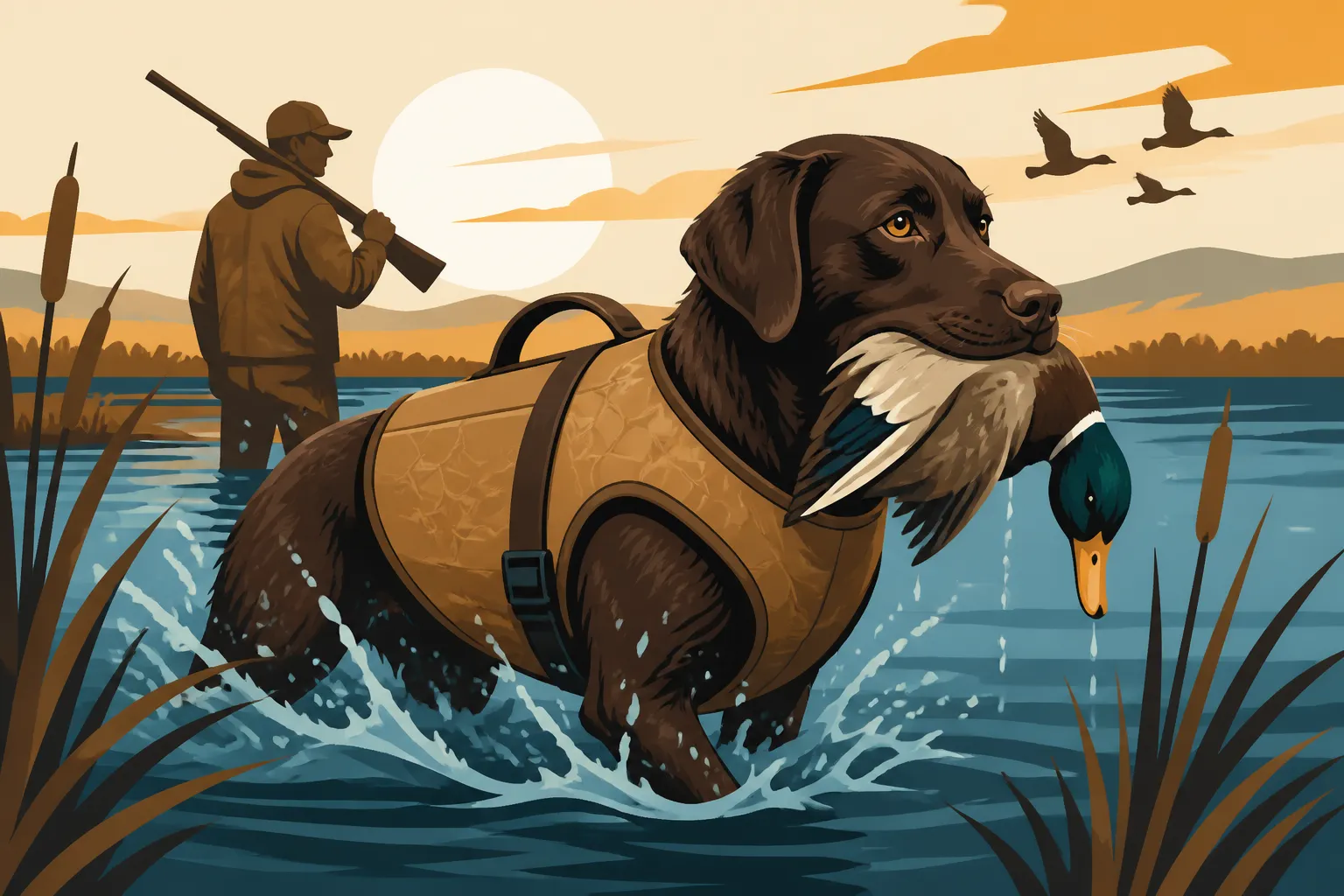
The insulation provided by a good neoprene or similar material vest traps a layer of body-warmed water against your dog's skin, dramatically slowing heat loss. This sustained warmth means your dog expends less energy trying to stay warm, conserving vital energy for the demanding task of retrieving multiple birds from icy conditions. It’s like us wearing a wetsuit when diving; it’s not just for comfort, it’s for survival and performance.
Beyond the immediate cold, a dog expending immense energy to maintain body heat is also more prone to exhaustion. A fatigued dog is a less effective retriever, slower to respond, and more likely to make mistakes or injure themselves. The vest helps them stay energized and focused throughout the hunt, giving them the stamina needed for a full day out in the elements, especially when you're working a tough spot like those near Hunting Land Between the Lakes Waterfowl.
Protection from Hazards
Kentucky's waterways, especially after a storm or during high water, can be filled with hidden dangers. Submerged branches, jagged stumps, sharp ice shards, and even discarded fishing gear are all potential threats. A dog vest provides a crucial layer of physical protection against these unseen hazards.
Imagine your dog enthusiastically diving into a patch of flooded timber to retrieve a downed bird. Without a vest, a sharp submerged branch could cause a deep laceration, potentially ending your hunt or, worse, requiring an emergency vet visit. The robust material of a good vest, often reinforced in key areas, can deflect or mitigate such impacts, keeping your dog safe from cuts, scrapes, and punctures.
Furthermore, in heavily hunted areas or during busy seasons, some vests also offer vibrant colors or reflective strips, enhancing visibility. This is vital not only for you to keep track of your dog in low light or dense cover but also for other hunters on the water. Avoiding accidental bumps from other boats or being mistaken for game are serious considerations, and a highly visible vest can make all the difference. When you're dealing with the crowds that can gather on opening weekend, especially in popular waterfowl zones, safety is paramount.
Buoyancy and Performance
While many retriever breeds are natural swimmers, even the strongest dog can struggle in strong currents or when retrieving a heavy bird, particularly in swift-moving rivers or large bodies of water like the Ohio River. Cold water can also cause muscles to cramp, further hindering their swimming ability. A well-designed dog vest often incorporates buoyancy panels that provide additional lift.
This added buoyancy reduces the effort your dog needs to stay afloat, especially when they're tired or carrying a hefty goose back to the blind. It helps them conserve energy, allowing for more retrieves over the course of the hunt without becoming overly strained. This is particularly beneficial for younger dogs still building their strength or older dogs who might appreciate a little extra help.
The improved hydrodynamics of a snug-fitting vest can also aid in efficiency. While it might seem counterintuitive, a properly designed vest, by streamlining the dog's body in the water, can actually reduce drag and allow for smoother movement. This means your dog can swim more effectively and maintain better control, leading to quicker, more confident retrieves. This can be a huge advantage when dealing with difficult retrieves, such as a crippled bird that drifts quickly in a strong current, or when your dog needs to navigate through dense cover in the water, like we often encounter when Waterfowl Hunting Kentucky Lakes and Rivers.
Key Features to Look For in a Quality Dog Vest
Choosing the right dog vest can feel overwhelming with all the options out there. However, focusing on a few critical features will help you narrow down the choices and select a vest that truly performs in the challenging cold water conditions common to Kentucky hunting.
Material and Insulation
The core function of a cold water vest is warmth, and that largely comes down to the material and its insulating properties. Neoprene is the most common and effective material for dog vests, much like it is for human wetsuits. It works by trapping a thin layer of water against the dog's body, which is then warmed by their body heat. The thicker the neoprene, the more insulation it provides.
You'll typically find vests ranging from 3mm to 5mm thick. For early season hunts when the water is still chilly but not freezing, a 3mm vest might suffice. However, for serious late-season hunting in Kentucky, especially when water temperatures drop into the 30s, a 5mm vest offers superior thermal protection. Some premium vests also incorporate additional fleece lining or other insulating layers to boost warmth without excessive bulk. Look for vests that maintain flexibility even in cold temperatures, as a stiff vest will hinder your dog's movement and comfort. Consider how the material feels and moves, ensuring it doesn't chafe or restrict their natural swimming motion.
Durability and Construction
Your hunting dog isn't doing a leisurely swim; they're crashing through brush, scrambling over downed trees, and hauling heavy birds. Their vest needs to be built tough. Examine the stitching: double-stitched or reinforced seams are a good indicator of quality and longevity. Pay attention to high-wear areas like the chest, belly, and along the back. Some vests include reinforced panels or thicker material in these spots to withstand abrasion and punctures.
Zippers and buckles are also critical components. Zippers should be heavy-duty, corrosion-resistant (especially important for prolonged water exposure), and ideally protected by a flap to prevent mud and debris from clogging them. Buckles should be robust and secure, designed to hold up to a dog's pulling and thrashing. Avoid flimsy plastic hardware that could easily break in the field, leaving your dog exposed. Remember, you're investing in gear that needs to endure season after season of rigorous use, much like your own waders and cold-weather gear. You want a vest that can stand up to the abuse of a full day, whether you're working a small beaver pond or the wide expanses of Kentucky Lake.
Fit and Adjustability
A vest is only effective if it fits properly. Too loose, and it won't provide adequate insulation or buoyancy; too tight, and it can restrict movement, cause chafing, or even impede circulation. Look for vests that offer a snug, yet comfortable, fit around the chest, neck, and belly. Many vests come with adjustable straps, usually with hook-and-loop closures (like Velcro) or buckles, allowing you to fine-tune the fit.
The key is to ensure full range of motion. Your dog should be able to swim, run, and jump without the vest bunching up or pulling in awkward places. Pay particular attention to the front leg openings; these should be large enough to prevent chafing but not so large that they allow too much water to flush through, defeating the purpose of the insulation. A vest that covers a significant portion of the dog's chest and belly will provide maximum warmth, but it shouldn't extend so far back that it interferes with their tail or natural elimination processes. Take precise measurements of your dog before purchasing, and don't hesitate to try on a few different brands or sizes to find the perfect match.
Visibility and Safety Features
While warmth and protection are primary, safety features are equally important. Many cold water vests come in high-visibility colors like blaze orange or bright yellow. These colors stand out against natural backgrounds, making it much easier to keep track of your dog in dense cover, murky water, or low light conditions typical of early morning or late evening hunts.
Some vests also incorporate reflective strips or piping. This is a crucial feature for safety, particularly if your hunting ends near dusk or if you need to cross roads or navigate back to your vehicle in the dark. A reflective vest can make your dog much more visible to vehicle headlights or fellow hunters using headlamps. Beyond visibility, look for vests that include a sturdy retrieve handle on the back. This handle can be incredibly useful for lifting your dog back into a boat, helping them scramble up a slippery bank, or even for emergency retrieval from a dangerous situation. It's a small feature that can make a big difference in both convenience and safety out in the field.
Fitting and Maintaining Your Dog's Cold Water Vest
Having the best dog vest money can buy won't do you any good if it doesn't fit correctly or isn't properly cared for. Taking the time to ensure a proper fit and consistent maintenance will extend the life of your gear and, most importantly, keep your dog safe and comfortable.
Measuring for a Proper Fit
Getting the right size is paramount. Just like you wouldn't wear ill-fitting waders, your dog shouldn't wear an ill-fitting vest. Don't just guess based on breed or weight, as there can be significant variation. Most vest manufacturers provide a sizing chart that relies on specific measurements. The three key measurements you'll need are:
- Chest Girth: This is the most critical measurement. Use a soft tape measure and wrap it around the widest part of your dog's chest, just behind their front legs. Make sure the tape is snug but not tight.
- Neck Girth: Measure around the base of your dog's neck, where a collar would naturally sit.
- Back Length: Measure from the base of the neck (where it joins the shoulders) to the base of the tail.
Once you have these measurements, compare them to the manufacturer's sizing chart. If your dog falls between sizes, it's generally better to go with the larger size, as you can often adjust it down, and it reduces the risk of chafing or restricted movement. A vest should fit snugly enough to prevent water flushing through and to provide insulation, but loose enough for comfortable movement and breathing. You should be able to comfortably slide two fingers under the vest straps around the neck and chest. A good fit ensures the vest functions as intended, providing warmth and buoyancy without hindering your dog's natural abilities, especially when they are Hunting the Ohio River Backwaters.
Pre-Hunt Inspection and Post-Hunt Care
Before every hunt, make a quick habit of inspecting your dog's vest. Check for any tears, frayed seams, or damaged zippers and buckles. A small tear can expand quickly in the field, compromising the vest's integrity and your dog's safety. Look for any debris, burrs, or sharp objects that might have become embedded in the fabric from a previous outing, which could cause discomfort or injury to your dog. Addressing minor issues before you head out can prevent major problems when you're knee-deep in a cold slough.
After the hunt, especially after a long day in mucky water, proper cleaning and drying are essential. Rinse the vest thoroughly with fresh, cool water to remove mud, debris, and any chemical residues from the water. Pay close attention to zippers and buckles, ensuring they are free of grit. Never use harsh detergents or bleach, as these can degrade the neoprene and other materials. A mild soap can be used if the vest is particularly dirty. After rinsing, hang the vest to air dry completely in a well-ventilated area, away from direct sunlight or heat sources. Storing a damp vest can lead to mildew, unpleasant odors, and material breakdown. Proper care not only keeps the vest hygienic for your dog but also significantly extends its lifespan, protecting your investment for many seasons to come. Using a tool like GoHunt to mark your retrieval spots or blind locations can also help you keep track of your gear, including your dog's vest, making pre and post-hunt organization a breeze.
Training Your Dog to Wear a Vest
For some dogs, wearing a vest might feel a little strange at first. Introduce the vest gradually and positively, especially with younger dogs or those new to hunting. Start by simply letting your dog sniff and explore the vest. Then, put it on them for short periods indoors, associating it with positive reinforcement like treats and praise.
Once they're comfortable wearing it around the house, take them for short walks or play sessions outside with the vest on. This helps them get used to the feel and movement. If they show any signs of discomfort or resistance, take a break and try again later. Never force the vest on them or make it a negative experience. The goal is for your dog to view the vest as a normal, comfortable part of their hunting attire, not a burden. By doing so, they'll be more focused on their job in the field, whether you're hunting during Kentucky Waterfowl Migration Timing or during the later seasons.
Gradually increase the time they wear the vest and introduce it during training retrieves in warmer water. This ensures they're completely accustomed to it before facing the challenges of cold water retrieves in a real hunting scenario. A dog that is comfortable and confident in their vest will perform better and be safer in the field.
Specific Scenarios and Considerations for Kentucky Hunters
Kentucky offers a fantastic variety of waterfowl hunting experiences, each with its own unique challenges for your dog. Thinking about these specific scenarios can help you ensure your dog's vest is up to the task.
Duck and Goose Hunting on Major Waterways
Hunting on large bodies of water like Kentucky Lake, Lake Barkley, or the Ohio River means dealing with expansive open water, potentially strong currents, and often deeper retrieves. Your dog will be swimming longer distances and battling more elements than in a smaller pond. For these situations, the maximum insulation of a 5mm neoprene vest is almost a necessity, especially during the colder months outlined by the Kentucky Duck and Goose Zone Rules.
The added buoyancy from a well-designed vest can also be a game-changer here, reducing strain on your dog over multiple, extended retrieves. Imagine a large goose falling a hundred yards out into a stiff headwind on Kentucky Lake. That's a significant swim for any dog, and the extra lift from their vest can make the difference between an effortless retrieve and a struggling one. Visibility is also crucial on these big waters where other boat traffic might be present. A bright orange vest ensures your dog stands out against the vastness, allowing you to easily track them and making them more visible to others.
Late Season Challenges and Freezing Conditions
As Kentucky's waterfowl season pushes into December and January, the mercury plummets, and freezing conditions become a very real threat. Ice can form along shorelines, in shallow backwaters, and even in open water, posing multiple dangers. A thick, durable vest is essential to protect your dog from sharp ice shards, which can cause severe cuts to their chest and belly.
Beyond physical protection, the insulating properties of a 5mm neoprene vest become absolutely critical in these truly cold water conditions. Hypothermia is a serious risk when water temperatures are near freezing. Remember that the vest helps trap body heat, keeping your dog's core temperature stable. This is especially important if your dog is waiting in the blind between retrieves, exposed to icy winds, before plunging back into freezing water. For these extreme conditions, some hunters even opt for vests with added layers or those specifically designed to overlap for maximum protection. Always monitor your dog closely for signs of shivering or lethargy, even with a vest, and be prepared to warm them up if needed.
Navigating Kentucky's Varied Waterfowl Habitats
Kentucky's waterfowl hunting isn't just about big lakes; it encompasses everything from flooded timber and agricultural fields to winding creeks and small ponds. Each habitat presents its own set of challenges. In dense flooded timber, for instance, your dog will be pushing through thick submerged branches and navigating tight spaces. A vest needs to be durable enough to withstand snags and tears, while also being flexible enough not to impede their movement.
For hunters Reading a Bottomland Slough for a Morning Flight, the water can often be shallow but extremely muddy, and littered with debris. The protective layer of a vest helps keep mud and grime off your dog's skin, making post-hunt cleanup easier, and prevents scrapes from unseen snags. In contrast, hunting over cut cornfields where temporary puddles or ditches might hold birds, your dog may be in and out of the water frequently. A vest that dries relatively quickly on the exterior or sheds water effectively can be more comfortable for them in these intermittent conditions. Understanding the specific terrain and water conditions you'll be facing will help you fine-tune your vest choice, ensuring your dog has the best possible protection and comfort for whatever Kentucky's diverse landscape throws at them. Even when setting up your own Layout Blinds and Marsh Boats, ensure your dog has a comfortable, protected spot out of the elements.
| Feature | Importance in Cold Water Retrievers | Considerations for Kentucky Hunters |
|---|---|---|
| Material | Neoprene (3mm-5mm) for insulation and flexibility. | 5mm recommended for late-season hunts on large lakes/rivers. |
| Durability | Reinforced stitching, heavy-duty zippers, robust buckles. | Withstands sharp ice, submerged timber, and aggressive retrieves. |
| Fit | Snug but not restrictive; allows full range of motion. | Prevents chafing; ensures insulation is effective; check sizing charts. |
| Buoyancy | Helps dogs stay afloat, conserves energy in strong currents. | Crucial for retrieves of heavy geese or long swims on large waterways. |
| Visibility | Blaze orange/yellow with reflective strips. | Keeps dog visible in low light, murky water, and among other hunters. |
| Handle | Sturdy grab handle on back. | Aids in lifting dog into boats, up slippery banks, or emergency retrieval. |
Disclaimer
This article is for general informational purposes only and does not constitute professional advice. Laws, prices and regulations vary by location and change over time. Consult a qualified professional for guidance on your specific situation.