Layout Blinds for Kentucky Cut Corn
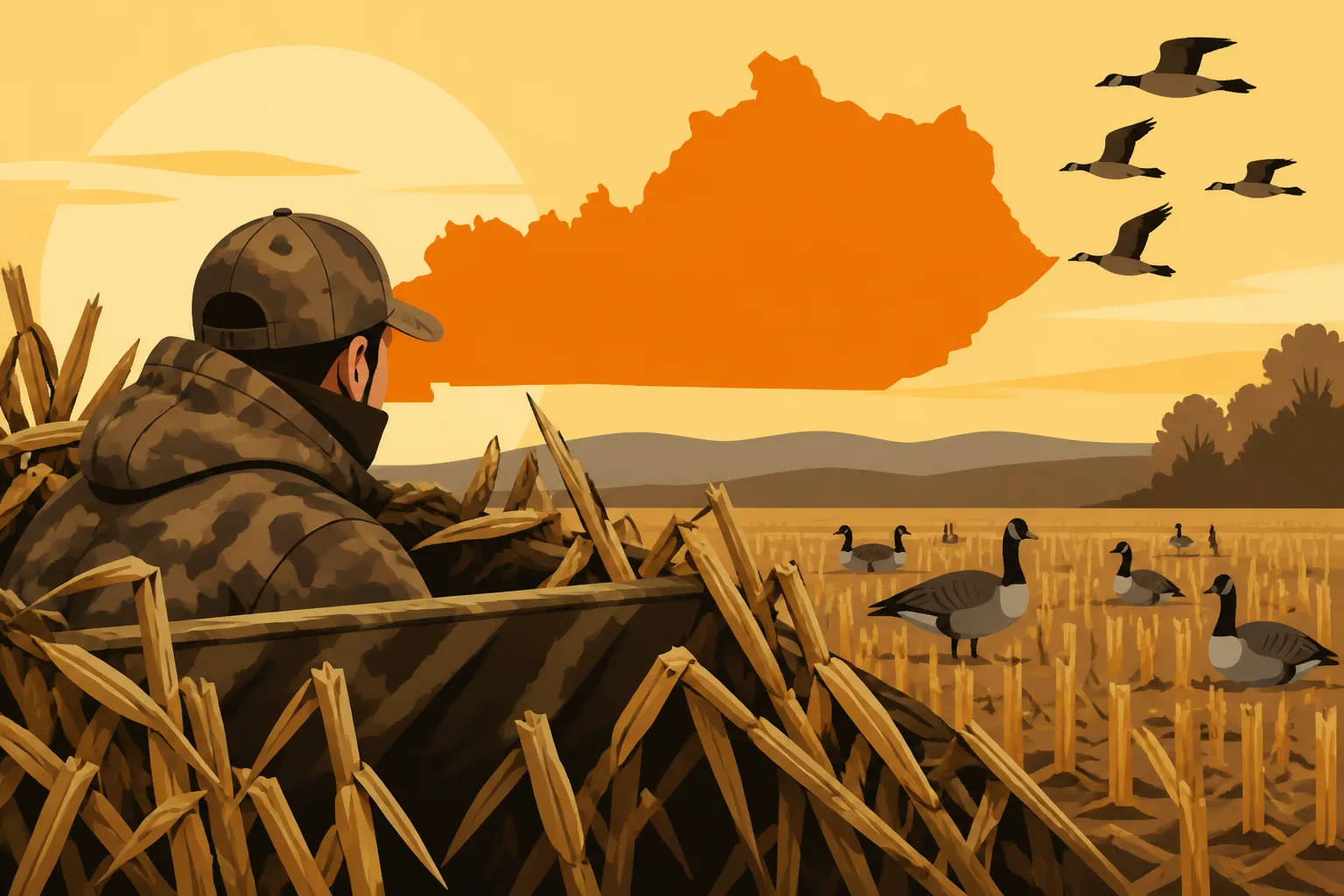
Hunting waterfowl in Kentucky's vast cut cornfields can feel like an impossible puzzle. Those clever ducks and geese have incredible eyesight, and trying to hide from them in a wide-open stubble field often ends in flaring birds and empty skies. This guide is all about mastering the art of the layout blind, turning those frustrating field hunts into successful, memorable experiences by making you disappear into the landscape itself.
Why Layout Blinds are Your Secret Weapon in Harvested Fields
When you're chasing ducks and geese in agricultural fields, especially those endless expanses of cut corn across Western Kentucky or even in the rolling hills of the Bluegrass region, traditional blinds just don't cut it. A standard pop-up blind or even trying to hide in a ditch often screams "hunter!" to high-flying birds, sending them packing before they're ever in range. That's where the humble layout blind steps in, completely changing the game for field hunters.
The core advantage of a layout blind is its low profile. You're lying down, nearly flat on the ground, which means your silhouette isn't breaking the horizon in a way that spooks wary waterfowl. These birds, especially during the later stages of migration, have seen every trick in the book. They've been shot at, harassed, and have developed a keen sense of what looks "off" in their feeding grounds. A layout blind, when properly brushed in, melts into the environment, allowing flocks to commit to your decoy spread without a second thought. It's about being invisible in plain sight, and that's exactly what's needed when you're hunting smart, seasoned geese and ducks that are keyed into their survival instincts.
Another huge benefit is mobility. While building a pit blind offers excellent concealment, it's a permanent fixture. Waterfowl feeding patterns can change overnight due to weather, hunting pressure, or new food sources. With a layout blind, you can scout a new field, identify the "X" where birds are actively feeding, and set up precisely in that spot the very next morning. This flexibility is crucial in Kentucky, where weather systems can push new birds through or shift feeding locations rapidly. You're not tied to one spot; you're free to follow the birds, which is the golden rule of successful waterfowl hunting. Scouting Kentucky Public Land Before Season is invaluable for identifying these prime locations before the season even begins, giving you a head start.
Choosing the Right Layout Blind for Kentucky Conditions
Not all layout blinds are created equal, and selecting the right one for your specific Kentucky hunting scenario can make a real difference in comfort, concealment, and overall success. Factors like the type of stubble you'll be hunting, your body size, and even the weather patterns you expect all play a role in this decision.
Understanding Different Blind Designs
Layout blinds typically come in a few main designs, each with its own advantages. You have your super low-profile coffin blinds, which offer maximum concealment but can be a bit more restrictive. Then there are slightly larger, more comfortable blinds that might have a bit more height but offer easier entry and exit, and more room for gear. Some even have a wider, more rigid frame which is great for hunters who need a bit more back support or have difficulty getting up quickly from a very flat position.
- Low-Profile Blinds: These are often the go-to for situations where birds are incredibly wary, or in fields with very short stubble where every inch of concealment matters. They're usually lightweight and compact, making them easy to carry across long fields. The downside is that they can feel a bit cramped, especially for larger hunters or if you're trying to wear bulky Clothing for a Kentucky Late Season. Getting up quickly to shoot can also be a little more challenging.
- Mid-Profile/Framed Blinds: These blinds offer a good balance between concealment and comfort. They often have a slightly elevated headrest and more internal space, allowing you to move a bit more freely and carry essential gear like calls, shells, and a drink without feeling squished. The added comfort is a huge plus on those long, cold days waiting for birds. While they present a slightly larger profile, with proper brushing, they can be just as effective as their lower counterparts. Many hunters find these to be a fantastic all-around option for diverse Kentucky field conditions.
- Backrest Blinds: Some blinds forgo the full enclosure, essentially offering a portable, camouflaged backrest that you lay against. These are incredibly lightweight and quick to set up, ideal for hunters who value extreme portability and minimal gear. However, they offer less protection from the elements and require more external concealment to break up your entire body's outline. They are often best suited for milder days or situations where you have abundant natural cover to supplement.
When considering which type to purchase, think about your average hunting day. Are you primarily chasing geese in wide-open expanses near Wickliffe, or ducks in smaller, brushier fields closer to the Ohio River backwaters? Your answer might guide your choice.
Key Features to Look For
Beyond the basic design, several features contribute to a layout blind's effectiveness and your overall hunting experience.
- Durable Materials: Kentucky weather can be harsh, from freezing rains in December to muddy conditions after a thaw. Look for blinds made from rugged, waterproof or water-resistant fabrics that can stand up to abuse. Reinforced stitching and heavy-duty zippers are also critical for longevity. You don't want your blind falling apart after just a few seasons.
- Stubble Straps/Loops: This is a non-negotiable feature for effective concealment. These elastic straps or loops are sewn onto the blind's exterior, allowing you to weave in natural vegetation from the field you're hunting. This "brushing in" process is absolutely vital for breaking up the blind's outline and making it blend seamlessly. The more loops, the better your ability to customize your concealment.
- Comfort Features: Padded backrests, adjustable headrests, and enough internal space to stretch out a bit can make a world of difference during a long wait. Some blinds even include built-in gear pouches or cup holders. While not essential for concealment, these creature comforts help you stay focused and comfortable, leading to more patience and better hunting.
- Easy Entry and Exit: When a flock of Canada geese suddenly dips their wings over your decoys, you need to be able to sit up and shoot quickly and smoothly. Look for blinds with large, easily operable doors or flaps that don't snag or create excessive noise. Practice your entry and exit before the season to ensure you can do it efficiently under pressure.
- Portability: If you plan on walking into fields that are off the beaten path, the blind's weight and packed size matter. Some blinds fold down into a backpack-style carry, while others are more cumbersome. Consider how you'll transport your blind from your vehicle to your hunting spot. Using an app like GoHunt to scope out satellite imagery can help you assess the walk-in distance and terrain, influencing your choice of a lighter, more portable blind if needed.
| Feature Type | Low-Profile (Coffin) Blinds | Mid-Profile (Framed) Blinds | Backrest Blinds (Minimalist) |
|---|---|---|---|
| Concealment | Excellent, lowest silhouette | Very Good, slight elevation | Good, requires significant natural cover assistance |
| Comfort | Limited, can be cramped, harder to get up | Good, more room, often padded backrests | Minimal, good for short sits, but exposed |
| Portability | Very Good, lightweight, compact | Good, slightly heavier/larger | Excellent, extremely lightweight/compact |
| Weather Protection | Good, mostly enclosed | Very Good, good enclosure | Minimal, very exposed to wind/rain |
| Ideal Use | Highly pressured birds, short stubble, long walks | Most general field hunting, mixed stubble, comfort a priority | Quick setups, abundant natural cover, mild weather |
| Brush Straps | Essential and usually abundant | Essential and usually abundant | Often fewer, relying on external cover |
Effective Setup and Concealment Strategies
Having the right layout blind is only half the battle; knowing how to set it up for maximum concealment in a Kentucky cut cornfield is where the real skill comes in. This isn't just about throwing down some camo fabric; it's an art form that directly impacts whether those wary birds pitch into your spread or veer off at the last second.
Brushing In Your Blind
This is perhaps the single most critical step. A brand-new layout blind, no matter how good its camo pattern, will stick out like a sore thumb in a field. You need to make it disappear.
- Match the Environment: Collect natural vegetation directly from the field you're hunting. For cut corn, this means corn stalks, husks, and dried leaves. Avoid bringing in green vegetation if the field is brown, or vice-versa. The goal is to perfectly mimic the surrounding stubble. Don't be shy; load up your blind with a generous amount of material. Brushing In a Blind on a Field Edge offers more specific advice that is easily transferable to field hunting.
- Break Up the Outline: Weave the collected corn stalks and leaves into the stubble straps or loops on your blind. Pay special attention to the edges and corners where the blind creates distinct lines. The idea is to break up these hard lines and make the blind look like a natural clump of debris or a slight rise in the field. Don't just lay material on the blind; integrate it into it.
- Cover Any Gaps: Look for any areas where the blind's fabric is exposed, especially from a bird's eye view. Sometimes, you might need to use a handful of dry dirt or mud to blend the lower edges of the blind into the ground, especially if the ground is bare around it.
- Consider Your Entrance/Exit: Think about how you'll open your blind to shoot. Ensure that the vegetation you've added won't snag or impede the opening flaps. It's a delicate balance between total concealment and functional operation.
Placement within the Decoy Spread
Where you position your layout blinds within your decoy spread is just as important as how you brush them in.
- Downwind of the Landing Zone: Waterfowl almost always land into the wind. Position your blinds downwind of where you expect the birds to land, giving them a clear flight path over your decoys. This places you in prime shooting position as they cup their wings.
- At the "Kill Hole": Many hunters create a "kill hole" or landing zone within their decoy spread – an open area where they want the birds to commit. Place your blinds around the edges of this hole, typically 15-25 yards from its center, to ensure ethical shooting distances.
- Avoid Clumping: If you're hunting with multiple people, spread your blinds out a bit, rather than clumping them together. This further breaks up the visible mass and offers a wider field of fire. However, ensure everyone has a clear, safe shooting lane.
- Use Natural Features: If there's a slight rise in the field, a faint tractor rut, or a small patch of thicker stubble, use it to your advantage. Setting your blind directly into or against these features can enhance concealment. Even a barely perceptible depression can make your blind disappear more effectively. When hunting Canada geese, for instance, in Early Goose Season Tactics in Kentucky, careful placement is paramount since these birds are notoriously sharp-eyed.
Safety and Comfort Considerations in a Layout Blind
While maximizing concealment is key to successful waterfowl hunting, your safety and comfort should never take a backseat. Spending hours in a layout blind, especially during the colder months of Kentucky's Kentucky Goose Season Dates, requires careful planning to stay warm, dry, and visible when it counts.
Staying Safe and Seen (When Necessary)
It might seem counterintuitive to talk about being "seen" when the whole point of a layout blind is to be invisible, but safety is paramount, particularly when hunting with others.
- Blaze Orange/Pink for Entry/Exit: While you won't wear blaze orange in the blind itself during active hunting, it's wise to have a blaze orange hat or vest accessible. When entering, exiting, or scouting in the field, wearing highly visible clothing ensures other hunters know your position, especially in low light. Once you're tucked into your blind and ready to hunt, remove or cover it. Remember Kentucky's Kentucky Blaze Orange Requirements apply to many other hunting seasons, and while waterfowl has different rules, applying a similar safety mindset is smart.
- Communicate with Your Hunting Partners: Before the hunt, clearly establish shooting zones and communicate when you plan to sit up. Use pre-determined hand signals or quiet verbal cues. Knowing where everyone is and what they're doing prevents accidental overlap in shooting lanes.
- Know Your Surroundings: Even in a layout blind, be aware of where other hunters might be, property lines (which you can often identify with scouting apps like GoHunt), and any non-game animals that might wander into your shooting zone. Always identify your target clearly and ensure nothing is beyond it before taking a shot.
- Watch for Changing Conditions: A field that was perfectly safe in the morning might become more hazardous as the day progresses if other hunters arrive or fog rolls in. Stay vigilant and adapt if conditions become unsafe.
Battling the Elements: Comfort in the Cold and Wet
Kentucky's waterfowl season can throw everything at you, from crisp, sunny mornings to bitter, windy downpours. Staying comfortable in your layout blind is crucial for maintaining focus and endurance.
- Layer, Layer, Layer: This is the golden rule for cold-weather hunting. Start with a moisture-wicking base layer, add insulating layers like fleece or wool, and top it off with a waterproof and windproof outer shell. You'll be lying relatively still, so over-dressing slightly is better than being cold. Remember that once you get into the blind, it’s hard to add layers, so dress warm. Layering for a Kentucky Deer Stand provides excellent principles that translate directly to waterfowl hunting, even if the species is different.
- Foot and Hand Warmth: Your feet and hands are often the first to get cold. Invest in high-quality, insulated, waterproof boots. Many hunters also swear by chemical hand and foot warmers to extend their comfort. Warm, dry gloves or mittens are also a must.
- Insulation from the Ground: The ground can quickly sap your body heat. Most layout blinds offer some bottom insulation, but a closed-cell foam pad or an inflatable sleeping pad beneath you can significantly increase warmth and comfort. It also helps cushion you from the hard, lumpy ground.
- Staying Dry: Wet gear quickly leads to cold and misery. Ensure your blind is waterproof, and consider a tarp or ground cloth underneath if the field is particularly muddy or prone to standing water. Keep extra dry clothes and towels in your vehicle. Even a small amount of dampness can be a huge deterrent to staying out for that late-morning flight.
- Hydration and Snacks: Carry a thermos of hot coffee, tea, or broth on cold days, and plenty of water regardless of the temperature. Easy-to-eat snacks like energy bars or trail mix will keep your energy levels up. It's easy to forget these things when you're focused on the hunt, but they make a huge difference in your ability to stay alert and comfortable.
By paying attention to both safety and comfort, you can ensure that your time in a layout blind is not just productive, but also enjoyable, allowing you to fully appreciate the unique challenge and reward of Waterfowl Hunting Kentucky Lakes and Rivers, even if you’re in a cut cornfield instead of on the water.
Disclaimer
This article is for general informational purposes only and does not constitute professional advice. Laws, prices and regulations vary by location and change over time. Consult a qualified professional for guidance on your specific situation.