Hunting the Kentucky Rut in Early November
Oh, early November in Kentucky! For many of us deer hunters, those few weeks are etched into our minds as the absolute pinnacle of the season. But let's be honest, pinning down a rutting buck can feel like trying to catch smoke, especially when their behavior shifts from one day to the next. This comprehensive guide is here to walk you through exactly what makes the Kentucky rut tick in early November and provide you with actionable strategies to put a mature whitetail in your sights.
Understanding the Kentucky Rut's Early November Frenzy
The Kentucky rut is a spectacle, a chaotic dance of primal urges that transforms deer from nocturnal shadows into daylight-roaming adventurers. While the exact timing can vary slightly each year due to a mix of factors, early November almost universally marks the most intense period of breeding activity across the Bluegrass State. It's when those big, reclusive bucks throw caution to the wind, abandoning their usual patterns in a relentless pursuit of does. This isn't just a brief window; it's a dynamic period with distinct phases that require different approaches.
The Phases of the Rut in Early November
Early November doesn't mean a static rut; it's a progression, often starting with the tail end of the "seeking" phase and diving headfirst into the "chase" phase, which is truly the peak.
During the seeking phase, which often bleeds into the very first days of November, bucks are actively traveling, scent-checking scrapes, and exploring new areas, trying to locate does that are coming into estrus. They're still somewhat cautious but increasingly restless. You'll see a lot of fresh rub lines and scrape activity, often along field edges and ridge tops. This is when a buck might still be relatively predictable in his travel, scent-checking known hot spots. Hunters who pay close attention to signs like these, perhaps by using scouting tools like GoHunt to mark potential travel corridors, often find success early on.
Then, things really ramp up. The peak chase phase is what most hunters dream about. This is when does are actively receptive, and bucks are completely consumed by the urge to breed. They'll be seen dogging does, sometimes for hours, pushing them through thickets, across open fields, and down logging roads. It's common to see multiple bucks chasing a single doe, creating intense, high-energy encounters. This is also when those elusive mature bucks are most likely to make a mistake, often moving during daylight hours that they would typically reserve for the cover of darkness. Don't be surprised to see deer activity picking up around midday, an anomaly compared to the more typical dawn and dusk movement during other parts of the season.
Key Environmental Triggers
While photoperiod (the amount of daylight) is the primary driver of the rut, environmental factors like temperature, precipitation, and moon phase can heavily influence when and how deer move during these critical early November weeks. Understanding these triggers can help you predict activity and adjust your hunting strategy accordingly.
A sudden drop in temperature, especially after a period of mild weather, can act like a shot of adrenaline for deer. Cold fronts energize them, increasing their daylight movement as they seek out does and feed to maintain their body heat. If you see a forecast for crisp, cold mornings in early November, you should be in your stand as much as possible. Conversely, unusually warm weather can suppress daylight activity, pushing the primary chase into the cooler hours of darkness. When temperatures are unseasonably high, focusing your efforts on shaded, north-facing slopes or thick bedding cover where deer might seek refuge from the heat can be a smart move.
Precipitation also plays a role. A light rain or drizzle can actually be quite good for hunting, as it dampens the forest floor, making it quieter for deer to move and for you to approach your stand undetected. However, heavy downpours or high winds usually put deer movement at a standstill, prompting them to hunker down until the weather breaks. Pay close attention to what happens after a storm; deer often become very active as soon as the weather clears, making up for lost time.
The moon phase is a bit more controversial among hunters, with some swearing by its influence and others dismissing it. While scientific evidence is mixed, many experienced Kentucky hunters observe increased daylight movement around the "dark moon" (new moon) or the days immediately following a full moon. It's worth considering these factors in your planning, but don't let them override clear signs of deer activity or prime weather conditions. Ultimately, a combination of falling temperatures and the peak of the photoperiod's influence will trump most other factors.
Scouting for Rutting Whitetails in Early November
You can't just stumble into success during the rut. Even though deer behavior becomes more erratic, there are still key indicators and locations that will concentrate activity. Effective scouting, both before the season and even during the initial days of early November, is crucial to putting yourself in the right place at the right time. Forget what you think you know about their patterns from October; early November demands a fresh look at the landscape.
Locating Buck Sign and Activity
During the early November rut, buck sign explodes, and reading it correctly is paramount. You'll see a significant increase in fresh rubs and scrapes, but not all sign is created equal. Understanding the difference between a "signpost" scrape and a random hoof print can be the key to unlocking a buck's travel patterns.
Look for concentrated areas of fresh rubs, especially on smaller trees and saplings. Bucks are often frustrated during this time, taking out their aggression on vegetation. A series of large, fresh rubs leading in a specific direction can indicate a travel corridor being used by a dominant buck. More importantly, focus on large community scrapes – those big, torn-up spots under low-hanging branches that multiple deer visit. These are essentially communication hubs where deer exchange scent. If these scrapes are being refreshed daily, with fresh pawings and overhead licking branches torn up, you know you're in a high-traffic area. Often, these scrapes will be located along the edges of thick cover, old logging roads, or even in smaller openings within mature timber. Using a tool like GoHunt to overlay property boundaries and terrain features can help you pinpoint these hidden hotspots that might otherwise be missed. For instance, in the steep terrain of Eastern Kentucky, a large scrape line might run along a subtle bench or saddle on a ridge, making it a natural gathering point.
Don't just look for scrapes and rubs, though. Keep an eye out for fresh deer tracks, especially larger, solitary tracks that indicate a mature buck is on the prowl. Pay attention to how often you find these tracks leading in and out of bedding areas or feeding zones. A sudden increase in track density, particularly in areas that were quiet in October, is a strong indicator that the rut is kicking into high gear.
Identifying Key Funnel Points and Travel Corridors
Deer, especially rutting bucks, are creatures of efficiency and will always take the path of least resistance or the path of most concealment when moving between bedding and feeding areas, or, during the rut, between bedding areas and other bedding areas in search of does. Identifying these natural funnels and travel corridors is where you'll want to hang your stand.
Funnels can be natural topographical features like saddles on a ridge, narrow strips of timber connecting larger woodlots, or pinch points where thick cover bottlenecks between open fields or human development. Think about how deer would move across the landscape. If you're Hunting a Funnel Between Two Hollows, you're effectively putting yourself in a strategic ambush point. These features naturally guide deer movement, making them predictable travel routes during the frantic chase of early November. You can often see these features clearly on a topographic map or an aerial photo.
Another critical type of travel corridor is associated with water. Creek bottoms, especially those with dense undergrowth, serve as natural pathways for deer moving across varied terrain. Similarly, areas where different habitat types converge – for example, the edge of a pine plantation meeting a mature oak hardwood stand – often create invisible highways for deer. They might use the dense pines for cover and bed down, then move along the edge to access the mast crops in the hardwoods or cross into a field. During the rut, these edges become even more active as bucks cruise them, scent-checking for does. Observing these areas for buck sign, like fresh rubs or scrapes, can confirm their importance.
Effective Hunting Strategies During the Peak Rut
When the Kentucky rut is in full swing in early November, your approach needs to be aggressive yet smart. This isn't the time for passive hunting; it's a time to capitalize on the bucks' heightened vulnerability and obsession. Adapting your tactics to the frenetic energy of the rut will significantly increase your odds of success.
Stand Placement for November
During the peak rut, your stand placement should prioritize intercepting cruising bucks and those actively chasing does. Forget your early-season food source setups; now it's all about cover, travel, and breeding.
Focus on bottleneck areas, pinch points, and major travel corridors that connect known bedding areas. Bucks will travel extensively between doe bedding areas, and these constricted areas force deer into predictable paths. A saddle on a ridge, a narrow strip of woods between two clearcuts, or a small draw connecting two large blocks of timber are prime examples. Consider terrain features like benches or subtle ridge lines where deer prefer to walk, especially when Reading a Ridge for Cumberland Deer. In open farm country, a thick fencerow or a wooded creek bottom running between open fields can be a superhighway for bucks.
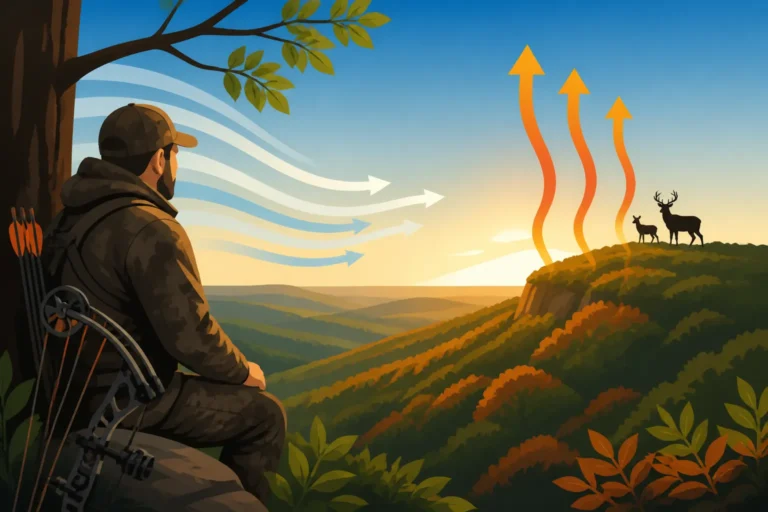
Always consider the prevailing wind direction and access to your stand. You want to be able to get in and out undetected, and your scent cone needs to be blowing away from the expected travel routes of deer. Set up your stand slightly off to the side of the most obvious trail, giving yourself a good shooting lane but allowing the deer to pass naturally without feeling pressured. Remember that bucks might be chasing does erratically, so having multiple shooting lanes can be beneficial. Also, consider setting up a second stand or a ground blind nearby for different wind conditions or if you notice a shift in deer movement. Being versatile with your setup can pay dividends.
Calling and Decoying Strategies
The rut is arguably the only time of year when deer calling and decoying truly shine in Kentucky. Bucks are agitated, competitive, and vulnerable to sounds and sights that simulate other deer. This is your chance to actively engage.
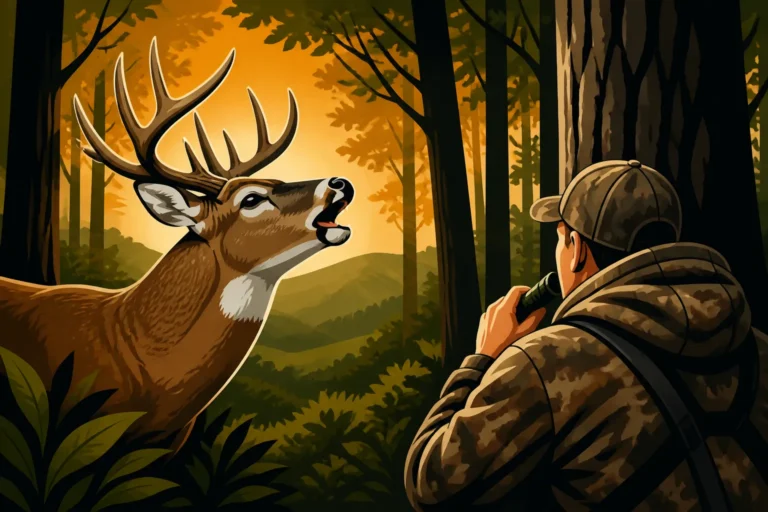
Grunt calls are incredibly effective during early November. A deep, guttural grunt can mimic a buck trailing a doe or a buck asserting dominance. Use short, pleading grunts to grab attention, or longer, more aggressive grunts to challenge a buck. Don't be afraid to mix in some snort-wheezes if you want to really get aggressive, especially if you see a buck cruising out of range. That snort-wheeze can infuriate a dominant buck and bring him stomping in. You can learn more about Rattling and Grunting in Kentucky to perfect your technique. Pair grunts with rattling antlers to simulate a fight between two bucks. This can be irresistible to a mature buck, who might come in to investigate, break up the fight, or steal the doe. Use rattling sparingly; too much can sound unnatural. Start with a short, light sequence, then wait. If nothing, try a longer, more aggressive sequence after 15-20 minutes.
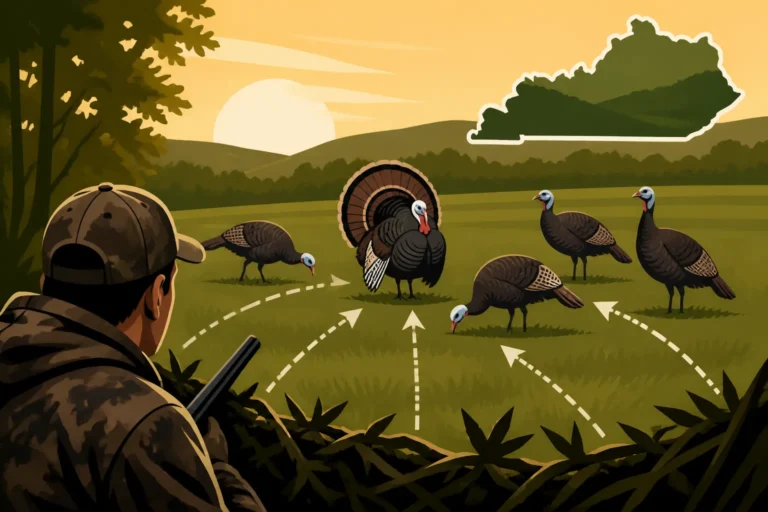
Decoys, particularly a buck or a doe decoy, can be game-changers when combined with calling. A buck decoy positioned to look like it's challenging another deer or standing over a doe can draw in a rival. A single doe decoy, especially if it looks receptive, can bring a cruising buck directly to your setup. Place your decoy so the approaching buck will naturally come into your shooting lane. Always set your decoy facing slightly away from you, as a buck will often approach from the front to scent check it, allowing you a broadside shot. Be mindful of public land pressure; using a decoy might not be ideal in heavily hunted areas where other hunters might mistake it for a live deer.
Still-Hunting and Tracking Approaches
While treestand hunting dominates rut strategies, early November can also be a fantastic time for still-hunting or even tracking, especially if you have large tracts of public land or thick private property to cover.
Still-hunting involves moving slowly and deliberately through the woods, taking a few steps, then pausing to observe, listen, and scan for movement. This method is particularly effective in areas with dense cover, rolling hills, or varied terrain where deer might be bedded or actively cruising. Focus on areas with good visibility but also enough cover for you to move stealthily. Walk into the wind, constantly checking for subtle movements, flicking ears, or the horizontal lines of a deer's back in a sea of vertical trees. The key is patience; you're not walking through the woods, you're hunting the woods. This can be a great way to cover ground and find deer that might not be moving towards a fixed stand location. When still-hunting, use binoculars constantly to pick apart cover and confirm what you're seeing.
Tracking is a more advanced technique but can be incredibly rewarding during the rut, especially after a fresh snow or heavy rain that makes tracks highly visible. Look for fresh, large buck tracks and commit to following them. A rutting buck will often wander, sometimes covering miles in search of does. This isn't about pushing deer; it's about interpreting their movements and anticipating where they might eventually stop or encounter a doe. Pay attention to changes in the track – suddenly faster, more purposeful strides might indicate a chase is on. Move slowly and quietly, always looking ahead of the track, especially into dense cover or potential bedding areas. This approach is very common in states like Kentucky with abundant public land, where you can walk for miles without hitting a property line.
Weather and Timing Considerations
Early November weather in Kentucky can be a mixed bag, from crisp, clear days to unseasonably warm spells or sudden cold fronts. Your ability to read these conditions and adjust your hunting schedule accordingly will significantly impact your success during the rut. Don't fall into the trap of thinking a single strategy works every day; flexibility is key.
Cold Fronts and Their Impact
There's almost nothing better for rut hunting than a strong cold front rolling through. That dramatic temperature drop, especially if it's accompanied by clear skies after a period of warm or rainy weather, electrifies deer movement. Bucks that might have been laying low during warmer days suddenly become much more active, chasing does with renewed vigor.
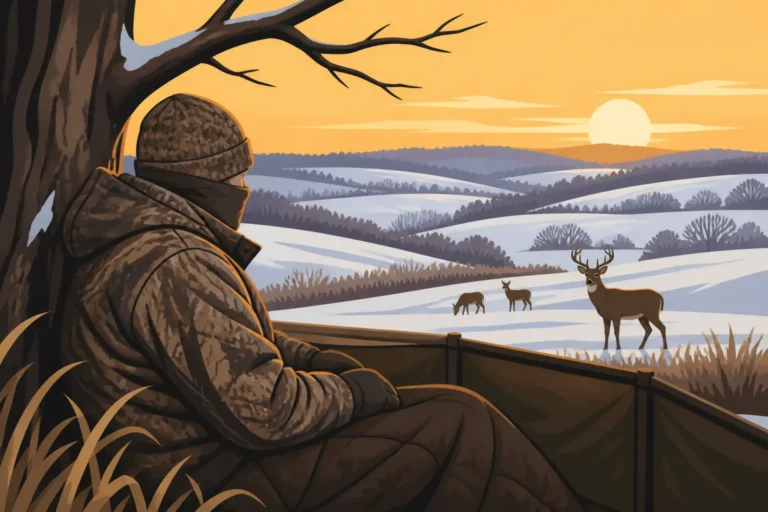
When a cold front is forecast, clear your schedule and plan to be in your stand as much as possible, for as long as possible. The day after a strong cold front often provides some of the best hunting of the entire season. Deer respond to the cold by needing more calories, so they'll feed more, and the crisp air invigorates rutting activity. This is also when you're most likely to see those mature bucks moving midday, driven by both the weather and their relentless pursuit. Be prepared for Cold-Weather Sitting Strategy in Kentucky, as extended hours in a stand during these prime conditions can mean braving some chilly temperatures. Layering effectively and having hand warmers can make all the difference in staying comfortable and alert.
Conversely, if early November brings unseasonably warm temperatures, deer movement, particularly daytime movement, will likely be suppressed. In these conditions, bucks will often revert to more nocturnal patterns, doing their chasing after dark or in the very early morning and late evening. During warm spells, focus your hunting efforts on shaded areas, near water sources, and during the cooler parts of the day. Consider hunting tighter to bedding cover, knowing that deer won't want to travel far in the heat.
Hunting All Day vs. Morning/Evening
This is a classic rut debate, and in early November in Kentucky, the answer often leans heavily towards "all day." During the peak chase phase, bucks can be up and moving at any time.
While dawn and dusk typically remain prime times, the middle of the day during the rut can be incredibly productive. Bucks are constantly on the move, scent-checking, chasing does, and responding to calls. A doe coming into estrus might lead a buck past your stand at 11 AM, 2 PM, or any hour in between. Leaving your stand during these hours means you're potentially missing out on the exact moment a mature buck makes a mistake. Think about it: a buck that’s been chasing a doe since before daylight might finally push her past your stand mid-morning, or he might just be cruising from one doe bedding area to another.
The stamina to sit all day is a critical factor. Pack plenty of snacks, water, and extra layers. Mentally prepare for long stretches of inactivity, but remain vigilant. Every rustle of leaves could be the deer you've been waiting for. If you absolutely cannot sit all day, prioritize the first few hours of daylight and the last few hours of dusk. However, if you're serious about tagging a rutting buck in early November, especially if you're targeting a mature animal, committing to full-day sits will dramatically increase your chances. This is particularly true on public lands where other hunters moving in and out of the woods might inadvertently push deer past your stand.
| Rut Phase (Early November) | Timing | Buck Behavior | Recommended Tactics |
|---|---|---|---|
| Seeking Phase (Early Nov) | Dawn/Dusk, increasing midday | Actively cruising, scent-checking scrapes, making rubs, looking for receptive does. | Hang stands near fresh scrapes/rubs, hunt travel corridors, light calling/grunting. |
| Peak Chase Phase (Mid-Nov) | All day (especially with cold fronts) | Relentless chasing of receptive does, bucks vulnerable and less cautious, fighting/challenging. | Hunt pinch points, funnels, doe bedding areas. Aggressive calling (grunts, snort-wheezes), rattling, decoying. All-day sits. |
Common Challenges and How to Overcome Them
Hunting the Kentucky rut in early November, for all its excitement, isn't without its challenges. The increased deer activity often means increased hunter activity, and unpredictable buck behavior can test even the most patient hunter. Understanding these hurdles and having a plan to overcome them is crucial for success.
Navigating Public Land Pressure
Kentucky offers some fantastic public hunting opportunities, from portions of Daniel Boone National Forest to numerous Wildlife Management Areas (WMAs). However, the peak of the rut in early November often coincides with high hunter numbers, especially once Kentucky Modern Gun Season Opening Day hits, or even during the Kentucky Archery Season Dates when the rut is peaking. This pressure can significantly impact deer movement, pushing them into thicker, harder-to-reach areas.
To combat public land pressure, you need to be willing to work harder and smarter than the next hunter. First, scout thoroughly before the season to identify areas that offer both good deer habitat and a natural barrier to human intrusion. Look for steep terrain, swamps, large clearcuts with dense regrowth, or areas that require a long walk in. Bucks will often seek refuge in these places when pressure builds. Using tools like GoHunt can help you identify these overlooked spots by analyzing topo maps and aerial imagery to find subtle benches, hidden hollows, or remote corners.
Secondly, plan your entry and exit routes meticulously to avoid skylining yourself or walking through potential deer bedding areas. Get into your stand well before daylight and stay late. Consider Hunting Pressure on Kentucky Public Land by strategically placing stands based on where you anticipate other hunters will push deer. For instance, if you know a particular road sees a lot of traffic, a stand a quarter-mile back into the timber, overlooking a saddle that deer use to escape, might be your best bet. Sometimes, simply walking an extra mile from the nearest parking area can put you in a pocket of woods that sees significantly less pressure.
Adapting to Unpredictable Buck Movement
The beauty and frustration of the rut lie in its unpredictability. A buck that was consistently working a scrape line might suddenly vanish, only to reappear miles away chasing a doe. This erratic behavior can leave hunters feeling bewildered, but it's a fundamental part of the rut that you must adapt to.
First, understand that bucks are not following typical feeding-to-bedding patterns during this time. Their primary driver is finding and breeding does. This means you need to shift your focus from food sources to areas where does are likely to bed or travel. Dense bedding cover, thickets, and staging areas adjacent to open woods are prime locations. Consider that a buck might scent-check an area, find nothing, and keep moving. Your job is to be where he's most likely to be passing through or lingering.
Maintain flexibility with your stand locations. Don't be afraid to move if the sign isn't fresh or if you're not seeing any activity. If you've been sitting on a travel corridor connecting two distinct timber blocks and haven't seen anything in a couple of days, maybe the does have moved, and the bucks have followed. Scout new areas or reposition your stand based on fresh sign. Perhaps a new "hot scrape" has emerged, or you've found a new, heavily used trail. Sometimes, simply moving your stand 50 yards to catch a different wind or gain a better vantage point can make all the difference. Remember, the rut is dynamic; your tactics need to be dynamic as well. Being able to adapt and make quick decisions in the woods is what separates successful rut hunters from those who just hope for the best.
Disclaimer
The information provided in this guide is for informational purposes only and is not intended as a substitute for official regulations. Always consult the most current Kentucky Department of Fish and Wildlife Resources (KDFWR) hunting regulations before heading afield, as rules and seasons can change. It is the hunter's responsibility to know and follow all applicable laws.