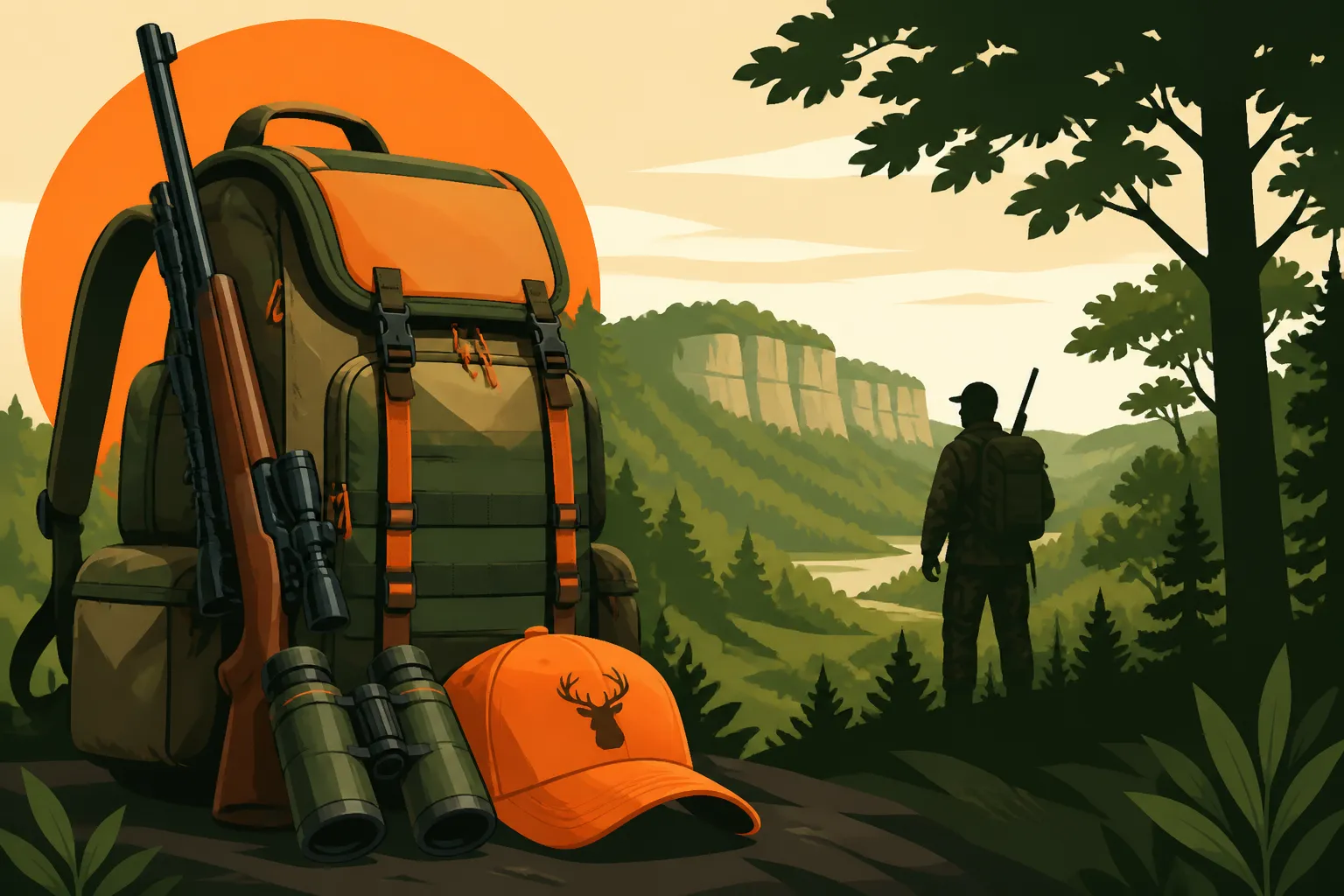
Packs for a Daniel Boone Forest Day Hunt
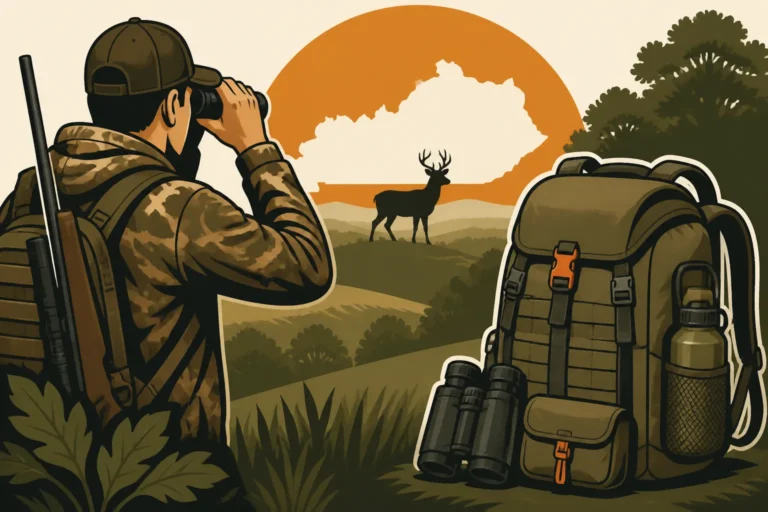
Oh, the age-old dilemma of the day pack for a Daniel Boone Forest hunt! It's a real struggle trying to figure out what to bring, what to leave behind, and how to comfortably carry it all through those steep hollows and thick timber without feeling like you're hauling a mule train. You want enough gear for success and safety, but not so much that you're exhausted before you even find sign. This guide is all about helping you choose and pack the perfect day pack, ensuring you're prepared for whatever Kentucky's wild woods throw your way.
Understanding the Daniel Boone Forest Environment
Hunting in the Daniel Boone National Forest is a truly unique experience, but it comes with its own set of challenges. This isn't your flat farmland deer hunt; it's rugged, wild, and demands respect from your gear. Knowing what you're up against is the first step to packing smart.
The Terrain and Its Demands
The Daniel Boone National Forest is characterized by steep, dissected plateaus and winding river gorges. Think countless ridges and hollows, often covered in dense hardwood timber, thick rhododendron thickets, and patches of pine. There are few flat spots, and elevation changes can be dramatic. You'll be climbing, descending, and traversing side-hills all day long. This kind of terrain demands a pack that moves with you, doesn't snag on every branch, and distributes weight evenly to save your back and shoulders. A flimsy pack with poor suspension will feel like a brick after an hour, turning your hunt into a miserable chore. Plus, the weather can turn on a dime. A sunny morning can quickly become a cold, drizzly afternoon, especially in the late season or during those crisp fall days. Wind and Thermals on a Kentucky Ridge become even more critical when planning your approach and knowing you might need to layer up or down throughout the day.
Typical Day Hunt Scenarios
A day hunt in the Daniel Boone Forest usually means long hours on your feet, covering significant ground. You might be still-hunting slowly along a ridge line, stopping frequently to glass down into hollows, or perhaps setting up on a Ridge-Top Saddle for Rutting Bucks hoping to intercept cruising deer. Whatever your tactic, you'll likely be far from your vehicle, making self-sufficiency crucial. This isn't a short sit in a blind near a food plot. You'll need enough food and water to last a full day, along with emergency supplies. Your pack needs to be an extension of your body, allowing you to access essentials quickly without fumbling or making unnecessary noise.
What You Really Need to Carry
Beyond the obvious rifle or bow, a good day pack holds everything you need to be safe, comfortable, and successful. This includes navigation tools, a first-aid kit, water, snacks, extra layers, a headlamp for the inevitable walk out after dark, and maybe even a compact field dressing kit. Think about potential scenarios: getting turned around, a sudden downpour, an unexpected injury, or – the best-case scenario – a successful harvest far from the truck. Each of these situations dictates certain items you simply can't leave behind. For example, a small saw or sharp knife for field dressing can make a huge difference, especially if you're dealing with a steep drag out of a hollow. Field Dressing a Deer in Cold Weather or Dragging a Deer Out of a Steep Hollow are tasks made much easier with the right tools in your pack.
Key Features to Look for in a Day Pack
When you're sifting through all the options out there, it's easy to get overwhelmed. But for the Daniel Boone, a few features rise above the rest in terms of importance.
Capacity and Organization
For a day hunt, you generally want a pack in the 1800-3000 cubic inch range. Anything smaller and you might struggle to fit your essentials, especially if you need to add an extra layer or pack out some small game. Anything larger, and you risk overpacking or having a floppy, uncomfortable bag that snags on every branch. The key here is efficient capacity, not just raw volume. Look for a pack with multiple compartments and pockets to keep your gear organized. Dedicated pockets for a water bladder, spotting scope, or even a small game bag are invaluable. You don't want to be digging through a bottomless pit to find your rangefinder when a buck steps out. Some packs even offer external lashing points, which are incredibly useful for strapping on an extra jacket you shed, or even cinching down a treestand if you're doing a mobile setup. Brands like GoHunt often review packs with these organizational features, giving you an idea of what works best for serious hunters.
Comfort and Fit
This is probably the most critical aspect for hunting in rugged terrain. A poorly fitting pack will cause shoulder and back pain, fatigue, and can even throw off your balance on steep ground. Look for adjustable shoulder straps, a padded hip belt, and a sternum strap. The hip belt, when properly adjusted, should carry the majority of the pack's weight, taking pressure off your shoulders. Quality packs will have a suspension system that allows for good airflow against your back, preventing excessive sweating. Test out different packs with some weight in them – walk around, bend over, simulate climbing. You'll quickly feel which ones mold to your body and which ones fight against you. Remember, a "comfortable" fit in the store is vastly different from a "comfortable" fit after five miles of up and down in the Daniel Boone.
Durability and Weather Resistance
The Daniel Boone National Forest is tough on gear. You'll be pushing through briars, scraping against rocks, and likely encountering rain or heavy dew. Your pack needs to be built to withstand this abuse. Look for rugged, tear-resistant fabrics like Cordura or similar heavy-duty nylons. Reinforced stitching at stress points is also crucial. While few packs are truly waterproof, many offer excellent water resistance with DWR (durable water repellent) coatings and waterproof zippers. Consider a pack that comes with its own rain cover, or purchase one separately. Nothing sours a hunt faster than soggy gear. Pay attention to hardware too – buckles and zippers should be robust and easy to operate even with cold hands. A broken zipper 3 miles deep in a hollow is not a fun situation.
Different Types of Packs for Different Hunter Needs
Not all day packs are created equal, and what works for one hunter might not be ideal for another. Understanding the nuances can help you pick the best tool for your specific hunting style in the Daniel Boone.
Frameless Day Packs
These are often the lightest and most streamlined options. They don't have a rigid internal or external frame, relying instead on the packed contents and often a dense foam back panel for structure.
- Pros: Lightweight, highly compressible, great for stalking through thick cover where snagging is a concern. They move very quietly with your body and are less bulky. If your gear list is minimal – maybe just water, a few snacks, a rangefinder, and a compact call system – a frameless pack is an excellent choice for being nimble. They're fantastic for Still-Hunting Eastern Kentucky Ridges where you want to shed every ounce of unnecessary weight.
- Cons: Lack of dedicated structure means they don't carry heavy or awkward loads well. If you happen to harvest a deer, packing out even boned-out meat can be uncomfortable and difficult without a frame to distribute weight properly. They also offer less ventilation, which can lead to a sweaty back on warm days. You'll need to be mindful of how you pack them to prevent items from poking you in the back.
Internal Frame Day Packs
These packs incorporate a rigid or semi-rigid frame (often aluminum stays or a plastic sheet) within the pack fabric itself. This frame helps distribute weight more effectively to your hips and provides better support.
- Pros: Superior weight distribution and comfort for heavier loads, making them ideal if you carry more gear, or if there's a good chance you might be packing out meat from a successful harvest. Many internal frame packs also offer better ventilation with specialized back panels that allow air to circulate. They hold their shape better, making organization easier. For a hunt where you anticipate covering long distances with a bit more gear, or venturing further into remote sections where Finding Ground Others Walk Past is key, this added support is invaluable.
- Cons: Generally heavier and less compressible than frameless packs. They might feel a bit more rigid and could potentially snag more easily in extremely dense brush, though modern designs have mitigated this somewhat. The frame can sometimes restrict flexibility slightly, but the trade-off in comfort for heavier loads is usually worth it.
Hybrid Vest/Pack Systems
These innovative systems combine the convenience of a hunting vest with the carrying capacity of a small pack. Often, they feature multiple pockets and pouches on the front for quick access, with a larger storage compartment on the back.
- Pros: Excellent for keeping frequently used items (calls, rangefinder, GPS) immediately accessible without taking off your pack. The vest portion distributes some weight across your chest and shoulders, and they can be incredibly comfortable for active hunting styles like Run-and-Gun Turkey Tactics on Public Land. They are particularly popular with turkey hunters for obvious reasons but can be very effective for deer hunters who like to stay mobile and have everything within reach. They often have integrated hydration systems as well.
- Cons: Limited carrying capacity compared to dedicated internal frame packs, making them less suitable for packing out substantial amounts of meat or very bulky gear. The vest portion can sometimes feel a bit warm on hotter days, and the organization might not suit everyone's preferences if they prefer fewer, larger compartments. However, for sheer convenience and quick access to essentials, they are hard to beat.
| Pack Type | Ideal Use Case | Pros | Cons |
|---|---|---|---|
| Frameless Day Pack | Light & fast movement, minimal gear, stalk hunting, thick cover | Lightweight, quiet, flexible, highly compressible | Poor heavy load carrying, less back ventilation, less structure |
| Internal Frame Pack | Carrying more gear, potential meat out, long distances, varied terrain | Excellent weight distribution, comfortable with heavier loads, durable | Heavier, less compressible, can be more rigid in dense brush |
| Hybrid Vest/Pack | Active hunting, quick access to gear, turkey hunting, small game, bowhunting | Quick access pockets, good organization for essentials, comfortable | Limited capacity, less suited for heavy loads/meat, can be warm |
Packing Essentials for a Daniel Boone Day Hunt
Now that you've got your pack sorted, let's talk about what actually goes inside. This isn't just about throwing things in; it's about making sure you have what you need without overdoing it. Every ounce counts when you're climbing those Kentucky ridges.
Safety and Navigation Gear
Safety first, always. Even with familiar territory, things can go awry. A reliable GPS unit or a smartphone with a hunting app like GoHunt (pre-downloaded maps are essential since cell service is often nonexistent in the deeper hollows) is paramount. Make sure your phone is fully charged, and consider carrying a portable power bank. A physical map and compass, and knowing how to use them, are non-negotiable backups. Scouting With the Kentucky Hunt Fish App is a great start, but don't rely solely on technology. A good headlamp with fresh batteries (and spares!) is crucial for navigating the woods before dawn or after dusk. It's not if you'll need it, but when.
A compact first-aid kit, tailored for hunting injuries (think cuts, scrapes, blisters, sprains), is another must-have. Add a whistle for signaling, a small fire-starter (lighter, waterproof matches, tinder), and a space blanket. These items are small, light, and could be life-saving in an emergency. Never leave home without them, especially when hunting remote sections of the Daniel Boone Forest where help might be hours away.
Food, Water, and Hydration
Staying fueled and hydrated is key to maintaining focus and energy throughout a long day. Dehydration and hunger can quickly lead to poor decision-making and fatigue.
- Water: A hydration bladder in your pack (2-3 liters is a good starting point) is ideal, allowing you to sip water easily throughout the day without stopping. Supplement this with a water bottle if you prefer, or carry a small water filter/purifier for emergencies if you're comfortable sourcing water from streams.
- Food: Pack calorie-dense, easy-to-eat snacks. Think trail mix, energy bars, jerky, and fruit. Avoid anything that requires elaborate preparation or makes a lot of noise. Pack enough to last you longer than you anticipate being out, just in case you get delayed or decide to push further. A small sandwich or wrap for lunch is a welcome morale boost mid-day.
Hunting Specifics
Beyond the universal essentials, you'll need specific gear for your hunt.
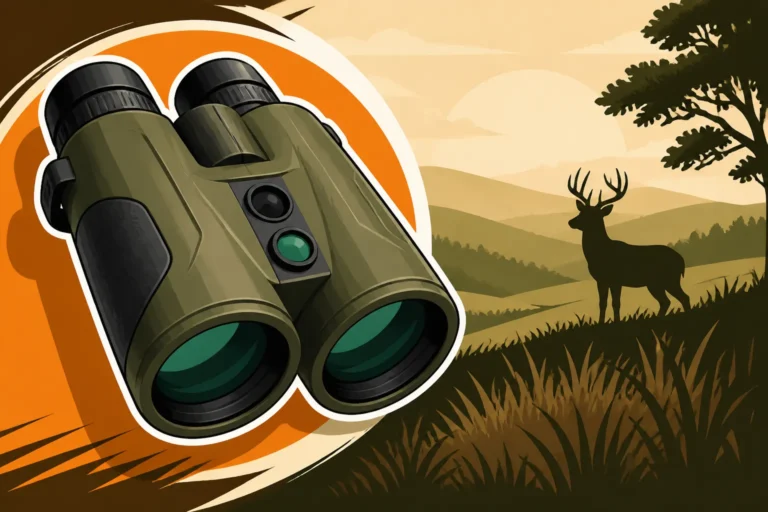
- Optics: A good pair of binoculars (8×42 or 10×42 are common choices) is invaluable for glassing distant ridges and checking out movement in thick cover. A rangefinder is also critical for ethical shots, especially when judging distances through timber or across varied terrain. Rangefinders in Thick Eastern Kentucky Cover can sometimes be tricky to use, so practice with yours.
- Calls: Whatever game you're after, have your calls handy. Whether it's a grunt tube and rattling antlers for deer, or a slate and mouth calls for turkeys, make sure they're protected and accessible.
- Field Dressing Kit: A sharp, fixed-blade knife, a pair of surgical gloves, and some wet wipes are the basics. A small game bag can also be useful for boned-out meat or smaller animals. Even on a day hunt, you need to be prepared for success.
Smart Packing Strategies and Field Tips
Packing isn't just about what you carry, but how you carry it. A well-packed bag feels lighter, makes gear easier to find, and contributes to a more enjoyable and successful hunt.
Weight Distribution and Accessibility
Think of your pack in zones. Heavy, less-used items (like extra ammo, a compact survival kit, or heavier layers you might not need until evening) go deep in the main compartment, close to your back to keep the weight centered. Mid-weight items (food, water, primary extra layers) sit in the middle. Light, frequently used items (rangefinder, calls, GPS, headlamp, snacks) belong in exterior pockets or the lid of the pack, where they can be accessed quickly without disrupting your main load. Using stuff sacks or dry bags within your pack can help organize smaller items and provide an extra layer of waterproofing. When you're Reading a Ridge for Cumberland Deer or setting up in a new spot, you want to be able to grab your binos or rangefinder without a commotion.
Dealing with a Harvest
Even on a day hunt, you need a plan for a successful harvest. If you're hunting deer in the Daniel Boone, you're likely to be a long way from a vehicle. Carrying a set of game bags, a roll of paracord, and a compact bone saw or robust knife in your pack ensures you're ready to Butchering a Deer at Camp or at least field dress and quarter it for an easier pack out. Even a frameless pack can carry boned-out quarters more comfortably if you have proper game bags to contain them and distribute the weight. Consider a sturdy game cart if you're hunting areas with somewhat accessible trails or logging roads, but in much of the Daniel Boone, a cart is simply not feasible, and you'll be relying on muscle and gravity.
Maintenance and Care
Your pack is a significant investment and a critical piece of gear. Taking care of it extends its life and ensures it's ready for your next adventure. After each hunt, especially if it was wet or dirty, empty your pack completely. Wipe down any soiled areas, and air it out thoroughly to prevent mildew. Check all zippers, buckles, and stitching for wear and tear. Repair minor issues promptly before they become major problems. If your pack has a water bladder, clean and dry it completely after each use to prevent mold. Periodically reapply a DWR treatment to the exterior fabric if it starts to wet out in the rain. A well-maintained pack is a reliable pack, and you certainly don't want a strap to fail when you're Recovering a Deer From a Steep Hollow.
This article is for general informational purposes only and does not constitute professional advice. Laws, prices and regulations vary by location and change over time. Consult a qualified professional for guidance on your specific situation.